
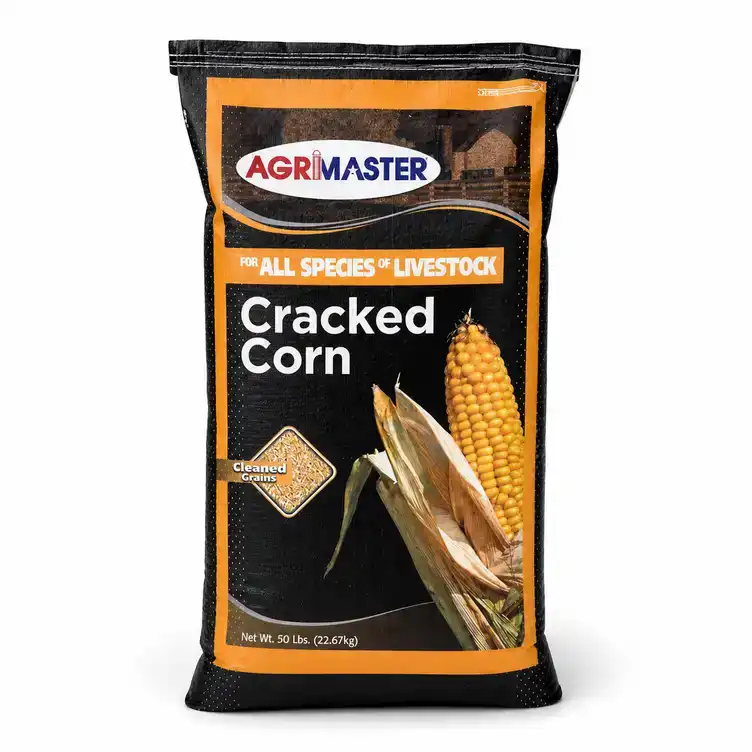
In the world of packaging, Polypropylene Bags are a staple for various industries, ranging from agriculture and construction to food and chemical storage. Among the various concerns regarding the integrity of these packaging solutions, bag rupture, is the most severe issue that manufacturers and customers alike face. The integrity of Polypropylene sacks is crucial for preventing product loss, contamination, and ensuring the safety of both goods and people handling them.
VidePak’s Polypropylene Woven Bag Portfolio
VidePak is a leading manufacturer of polypropylene woven bags, offering a diverse range of high-strength, industrial sacks designed for bulk packaging. Our portfolio includes BOPP laminated polypropylene woven bags, Open Mouth polypropylene woven bags, polypropylene woven valve bags, Block Bottom polypropylene woven bags, and polypropylene woven bags with PE liners. Each format is engineered with specialized techniques to prevent bursting and ensure durability. These bags combine oriented polypropylene tapes, protective coatings, liners, and reinforced seams so that filled sacks endure the stresses of filling, stacking, and transport.
In practice, these polypropylene woven bags are the workhorses of industry. In a typical production line, sacks are automatically fed, filled by gravity or auger, then closed and stacked – all without incident. Our design goal is that “invisible excellence”: the bag cooperates with legacy filling and palletizing machines so well that no one notices it – until a problem occurs. By preventing leaks, zippering, or seam failures, each VidePak bag plays a quiet role in keeping the factory running smoothly. We treat the bag as a complete system (materials, manufacturing, sealing, logistics) tuned to the specific cargo. Small changes in fabric layers – even microns of coating or liner – can swing performance dramatically, so we keep tight control over every layer.
BOPP Laminated Polypropylene Woven Bags
BOPP laminated PP woven bags are built on a woven PP shell with a printed BOPP (biaxially oriented polypropylene) film laminated to the outside. This film offers a premium printable surface, high scuff resistance, and a moisture barrier. At VidePak we use oriented PP tapes of precise denier, woven into a fabric (typically 100–180 gsm for medium-to-heavy loads) and then bonded to a 20–35 μm BOPP layer. Key features include the bottom construction: we often use a double-fold, double-stitched bottom. The fabric is folded twice and sewn with thick polyester thread, creating a V-shaped seam. Because sewing alone leaves needle holes, we apply multi-layer LDPE tape over these seams to seal them. This combination makes the bottom extremely strong and water-resistant. The laminated film itself helps distribute stress and prevents fabric abrasion.
We also add subtle features to guard against hidden failures. For example, we apply micro-perforations near the mouth of high-fill bags so that any trapped air can escape rather than inflate the bag dangerously. We often texture the film with matte or anti-slip embossing. Anti-slip patterns increase friction between stacked bags, which prevents layers from sliding and toppling. Glossy BOPP finishes are used where water-beading and bright graphics are needed, while matte films reduce glare. In summary, our BOPP laminated polypropylene woven bags combine robust double-stitched + taped seams with laminated skins, vents, and surface textures to achieve both high strength and superior graphic quality.
Open Mouth Polypropylene Woven Bags
Open Mouth polypropylene woven bags have a wide top opening for easy filling by hand or machine. They are extremely versatile and commonly used for grains, seeds, animal feed, sand, cement, fertilizers, sugar, flour and other bulk powders. At VidePak we construct these bags from 100% virgin PP fabrics, often with an outer coating or lamination for dust control and moisture resistance. After the bag is filled, the open top is closed by sewing, by heat-sealing (if a liner is used), or by applying a hot-melt tape across the mouth.
Open mouth bags tend to achieve excellent burst resistance. In fact, one industry note observes that high-quality open mouth woven sacks “offer high burst resistance – minimises breakage and product loss”. This comes from combining a heavy woven base (often 120–160 gsm or more) with protective finishes. For example, the top flap is reinforced with an extra strip of fabric (cover tape) and is sewn with a dense chain stitch. We typically use 8–12 stitches per 10 cm and cover the stitched seam with crepe or LDPE tape. This produces a very strong closure. Any needle perforations are kept tight by using ball-point needles and a sturdy thread. Optionally, the entire bag wall can be laminated or coated like the BOPP bags to give extra scuff resistance and seal the weave. Together, these measures let open mouth PP bags handle granular materials – such as 25 kg sacks of cement or flour – without bursting. Their design deliberately balances ease of loading with reinforced sealing to avoid failure under load.
Polypropylene Woven Valve Bags
Polypropylene woven valve bags integrate a one-way filling valve (usually sewn into a corner or side) that allows extremely fast, dust-minimized filling on automatic lines. When a filler’s spout injects product, the valve opens, then closes by internal pressure or gravity once filling stops. This means no time-consuming hand-sewing is needed afterwards. Since the bag is mostly closed during filling, the main side seams see less stress. Many of our valve bags also use a block bottom, giving a square bottom that stands on its own and evenly distributes weight.
To handle fine powders without leakage, our valve bags include extra reinforcements. For instance, a standard “internal valve” design uses a strip of woven PP that is glued into the valve opening, making the spout stiff and sift-resistant. We also offer valve designs with synthetic sleeves that can be ultrasonically sealed for completely dust-free closure. The main fabric is typically emboss-coated to prevent palletized bags from slipping, and we incorporate UV stabilizers (e.g. 1600-hour grade) so the material stays tough under sunlit storage. In short, VidePak’s polypropylene woven valve bags combine the durability of woven fabric with engineered valve hardware so that even high-speed filling of cement, flour or minerals does not lead to bursting or leakage.
Block Bottom Polypropylene Woven Bags
Block Bottom polypropylene woven bags have a flat, reinforced base and vertical side panels. They are constructed by folding and gluing the bag’s material into a square bottom box. When filled, the bag forms a brick-like shape with vertical sides. This design means a 25 kg or 50 kg sack can stand upright on its own, simplifying filling and palletizing. The real advantage is load distribution: a block bottom spreads the weight over a larger base area and avoids concentrating stress at a single corner. VidePak uses strong adhesives and extra sewing at these base folds to ensure the bottom can bear large weight without tearing. The vertical walls eliminate the V-shaped corner folds used in flat-bottom bags, so there are no acute stress points at the bottom seam.
For example, block bottom designs are ideal for heavy bulks like 50 kg cement or 50 kg animal feed, where the weight must be shared across the floor of the sack. We often combine the block bottom base with a pinch-top or tape-sealed top, making the entire bag nearly airtight if needed. This geometry – strong glued base, vertical panels, and sturdy closures – makes block bottom PP bags extremely stable under stack pressure. In one case study, upgrading sugar bags to a laminated block-bottom with reinforced seams and using pallet corner boards cut damage complaints to under 0.2%. With a block bottom bag, the load is evenly distributed, providing excellent stacking strength and reducing the chance of a burst.
Polypropylene Woven Bags with PE Liners
To further prevent bursting or leakage, many customers specify an inner PE (polyethylene) liner inside the PP woven bag. VidePak’s PP bags with PE liners incorporate a thin film (usually LDPE or LLDPE, 40–120 μm thick) inside the woven shell. The liner can be loose (removable) or fixed in the seams. The liner means the product never contacts the woven fabric, and it allows us to heat-seal the bag top for a dust-tight finish. For example, sensitive powders like milk powder or chemicals with moisture uptake benefit from a 50 μm LDPE liner that blocks vapor. The woven PP exterior still provides the mechanical strength for handling.
We build these bags with all the same reinforcements. The outer fabric is as strong as a regular heavy-duty bag, and the inner film is securely bonded. Specialized lamination processes fuse the liner to the coating or film so it won’t delaminate under load. In production, we conduct extra tests on lined bags: each lot is subjected to drop tests and burst tests while the liner is in place, to verify there are no micro-tears or delamination. Inline sensors even check for pinholes or misalignment of the film. The top closure of a lined bag is often heat-sealed across a poly-coated flap, creating a robust barrier. Combined with the sturdy outer weave, these liner bags guard fragile contents and maintain integrity during transport. In effect, the liner adds a failsafe against sifting and moisture, while the woven exterior carries the load and resists tears.
Design Tip: For sewn closures, always use a high stitch density and reinforcing tape. VidePak typically uses 8–12 stitches per 10 cm and applies a crepe or LDPE cover tape over the chain stitch. This raises top-seam strength dramatically and helps prevent “zippering” tears when bags are suddenly filled. In practice, higher stitch count plus crepe tape has resolved many top-seam failures on open-mouth bags.
Design and Manufacturing for Burst Prevention
Under the hood, our entire polypropylene woven bags manufacturing process is built around preventing weak points. It begins with selecting 100% virgin PP/PE resins (our certified suppliers include BASF and Sinopec), which are extruded into biaxial tapes under tight melt-flow controls. We constantly monitor tape draw ratios and denier – aiming for uniform filaments – because under- or over-drawn tapes can weaken the fabric. The tapes are then woven on modern circular or flat looms. We choose weave counts (mesh) and fabric weights based on the bag’s purpose: for instance, light 10 kg bags might use ~100 gsm fabric at 8×8 mesh, while 50 kg heavy-duty sacks often use 140–200 gsm fabric at 10×10 to 12×12 mesh. Tighter mesh and higher gsm raise drop and stack performance by reducing tear propagation, though we balance this against material cost.
- Coatings & Laminations: We apply thin polymer coatings (15–40 μm of PP or PE) on one or both sides of the fabric to seal the pores. This step suppresses fine dust leaking through and significantly improves moisture resistance. In many bags we also laminate a BOPP film (20–35 μm) on the outside for graphic and scuff resistance. These layers are applied in fully automated lines: for example, an inline sensor checks that adhesive or melt-bond covers at least 95% of the fabric area. The result is a dense, multi-layer wall (fabric+polymer+film) that is difficult to tear or puncture.
- Structural Reinforcements: Seams and closures are hotspots for failure, so we reinforce them heavily. Aside from double-fold stitching and tape, we often add internal patches at corners. For example, block-bottom and pinch bottom bags get extra triangular reinforcement patches inside each bottom corner to absorb impact. For valve bags, we sometimes place a secondary horizontal stitch line or bonding thread mid-height to reduce fabric bulging under load. Each reinforcement is designed to back up the main stitch line.
- Functional Additives: We mix special additives into the film and coating to enhance performance. UV stabilizers (about 0.3–0.5%) are standard, protecting the PP from breaking down in sunlight. Anti-static masterbatches prevent electrostatic buildup, which otherwise can attract dust during filling. We also control surface friction: additives can smooth the liner for easy flow on machines, while fine micro-granules or printed slip strips on the exterior create a slightly rough surface, raising the bag-to-bag coefficient and preventing stacked loads from shifting. (In fact, we target a bag-to-bag friction around 0.35–0.50 to ensure secure stacking.)
- Precision Cutting and Stitching: All fabric panels are cut with CNC precision so gussets and flaps are exact. Sewing machines (often automated European machines) are programmed for each bag type. Operators use color-coded gauges to verify stitch density and seam allowance at the start of production. Any discrepancies trigger immediate checks. In highly sensitive runs (e.g. food-grade), we even run a second pass of sealing hot-melt glue along critical seams. The goal is that every seam meets its design specs: for example, a pinch bottom bag might be double-stitched and then taped over to eliminate holes; a pinch-top bag’s flaps may have a pre-applied hot-melt tape for an airtight seal.
- Quality Testing: No bag leaves the factory without passing rigorous QA. We sample sacks from each run and perform drop tests (ASTM D5276) to simulate forklift or stacking impacts, and burst tests to measure internal pressure tolerance. Seams are tested by peel and seam-pull methods (ASTM F88 splice test). If specified, we test moisture barrier (WVTR) and oxygen transmission. All results are logged. For example, inline cameras detect pinholes during lamination, and finishing lines include fabric tensile testers. Drop-test machines and burst benches verify that each design meets the specified safety factor. Only sacks that pass all checks get shipped.
Note: VidePak’s integrated supply chain ensures consistency. Our plant runs from resin to bag in one facility, using Starlinger extruders and looms. Every production order carries a lot code and QC certificate. In practice, this means a customer anywhere can trace the exact materials and tests for each batch. We even include lab reports on grammage, tear strength, and WVTR with shipments so the customer “sees” the quality before opening the first bag.
Bag Type Comparison Table
| Bag Type | Key Features | Anti-Burst Design |
|---|---|---|
| BOPP Laminated PP Woven Bags | Woven PP fabric with glossy/matte BOPP film; vivid 4–10 color prints; strong moisture and scuff barrier | Robust double-fold bottom seam with LDPE tape; micro-perforations to vent pressure; anti-slip embossing for secure stacking. |
| Open Mouth PP Woven Bags | Wide top opening; filled then sewn or heat-sealed; used for grains, cement, feed, etc. | Reinforced mouth flap; sewn with dense chain stitch and crepe tape; optional inner liner or coating for extra strength. |
| PP Valve Bags | Built-in filling valve (corner or side); fast, dust-tight filling; often combined with block bottom | Self-closing valve spout; stable block-base for even load distribution; reinforced valve sleeve glued in place. |
| Block Bottom PP Woven Bags | Square glued base; stands upright; maximizes volume and stacking efficiency | Glued multi-layer base; vertical sidewalls eliminate weak corner folds; load evenly spread to avoid seam stress. |
| PP Woven Bags with PE Liner | Inner polyethylene film; heat-sealable or valve top; high moisture and odor barrier | Heat-sealed closure; strong polymer lamination; interior liner prevents dust escape; outer weave carries load. |
Case Study: A customer’s 25 kg flour line had frequent bag bursts from trapped air. We micro-perforated the mouth, increased stitch density, and added an antistatic finish to the fabric. As a result, throughput jumped 15% and cleanup events dropped 60%, illustrating how small design tweaks improve reliability.
Case Study: Heavy-duty 50 kg sugar bags were tearing at pallet corners after long shipments. By upgrading to 180 gsm coated block bottom bags with double fold seams, adding anti-slip stripes on pallets, and using corner boards for stacking, rupture complaints fell to under 0.2%. This shows how combining fabric weight, seam tape, and palletization controls eliminates failures.
Key Insights and Selection Guide
Each bag style has an ideal niche. Use Block Bottom polypropylene woven bags for heavy or tall loads that need upright stability and full volume. For instance, 50 kg cement or large feed pellets are often packed in block-bottom sacks to avoid collapse. Choose Open Mouth polypropylene woven bags for general-purpose use on older filling lines; their simple open mouth design is strong and easy to seal. These are commonly seen in agriculture (grain, seed, animal feed) and construction (sand, lime) because operators can rapidly fill and then close them. For high-speed automated filling of fine powders, PP woven valve bags shine: they fill quickly via self-closing valves, minimizing dust and cycle time. Bags that carry moisture- or odor-sensitive goods should incorporate liners; our PP bags with PE liners are best for chemicals or food ingredients that need a barrier. In short, specify the format that matches the cargo and process.
Across all formats, VidePak’s approach is consistent: build in redundancy and quality at every step. Strong PP tapes, precise weaving, dense stitching, additional seam tape or coatings, and venting features all combine so that our polypropylene woven bags achieve reliable performance. We also emphasize simplicity and clarity in specifications. For example, targeted fabric weights and mesh ranges (such as ~100–160 gsm at 10×10–12×12 weave for 10–25 kg sacks) and explicit stitch counts (8–12 per 10 cm) are documented in our specs. By combining these engineering controls with thorough testing, our bags meet industry needs for strength, safety, and consistency. The end result is a portfolio of polypropylene woven bags – including BOPP laminated, open mouth, valve, and block bottom formats – that customers worldwide trust not to burst, leak or fail under pressure.
Understanding the Causes of Bag Rupture
Bag rupture occurs when PP Bags fail to withstand the pressure or environmental conditions they are exposed to. This issue can be caused by multiple factors, but primarily originates from two key areas: the quality of raw materials used and the lack of rigorous testing of the finished products. Below, we will explore these factors in detail and how Woven Bag Manufacturers like VidePak have implemented robust measures to eliminate this issue.
1. Raw Materials: The Foundation of Quality Bags
The primary component of PP Woven Bags is polypropylene (PP) resin, and the quality of this material directly impacts the performance of the bags. Inferior raw materials can lead to weak structures, insufficient durability, and premature failure. Factors such as the grade of polypropylene, the mixing ratios, and the presence of any impurities play a crucial role in determining the strength of the woven fabric.
Key Material Issues Leading to Rupture:
- Low-grade PP resin: Using subpar polypropylene with low tensile strength can result in bags that tear under minimal stress.
- Contaminated raw materials: Impurities in the resin can weaken the material’s overall structure, reducing its ability to withstand pressure.
- Poor material blending: Inadequate mixing of different polymers or additives can lead to inconsistencies in the fabric, causing weak spots that are prone to tearing.
VidePak addresses these concerns by ensuring every batch of raw material undergoes a stringent inspection process. Each lot of polypropylene granules is sampled and tested for critical parameters like melt flow rate (MFR) and tensile strength. Only materials that meet our high standards are passed on to the production stage, ensuring that PP Woven Bags have the required durability and flexibility.
2. The Importance of Thorough Product Testing
Once the bags are manufactured, it’s essential that they undergo rigorous testing to ensure they meet industry standards. A lack of proper testing can lead to bags being released into the market that are vulnerable to rupture under stress or during transport. At VidePak, we subject all our PP Bags to a comprehensive testing regime that assesses the following parameters:
| Test Parameter | Purpose | Industry Standard |
|---|---|---|
| Product Thickness | Ensures uniform material distribution | 0.05mm – 0.1mm |
| Tensile Strength | Measures resistance to stretching or tearing | > 2000 N/50mm (for heavy-duty) |
| UV Resistance | Ensures bags can withstand prolonged sun exposure | 1500-2000 hours of UV exposure |
| Impact Resistance (Drop Test) | Measures durability under impact and handling stress | No rupture from 1.2m drop height |
| Visual Inspection | Ensures there are no visible defects or inconsistencies | Flawless appearance |
Common Testing Failures Leading to Rupture:
- Inconsistent product thickness: Uneven fabric thickness can create weak points in the bag, making them more prone to rupture.
- Low tensile strength: If the bag material cannot stretch or flex under load, it will likely tear when subjected to pressure or heavy contents.
- Poor UV resistance: Bags exposed to sunlight for extended periods without proper UV stabilization will degrade over time, weakening the fabric.
- Insufficient impact resistance: If the bag cannot withstand a sudden drop or collision, it may burst during transportation or handling.
VidePak’s approach to testing ensures that our Polypropylene sacks consistently perform under various stress conditions. We test each batch of finished bags for their tensile strength and impact resistance, simulating real-world conditions to guarantee reliability. In addition, our bags are treated with UV stabilizers, ensuring they remain durable even when exposed to harsh sunlight over time.
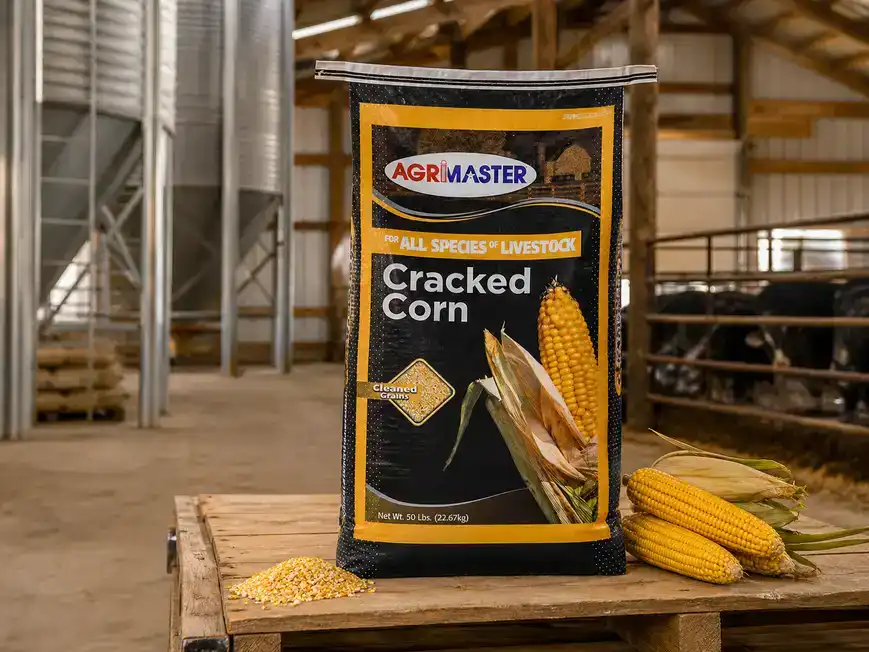
How VidePak Prevents Bag Rupture
At VidePak, we take a proactive approach to addressing the issues that can cause bag rupture. By focusing on both the quality of raw materials and rigorous product testing, we ensure that our customers receive PP Woven Bags that exceed industry standards in terms of strength, durability, and reliability.
1. Stringent Raw Material Testing
For every batch of polypropylene that enters our production facility, we conduct detailed inspections to ensure it meets our strict criteria. These tests include:
- Melt Flow Rate (MFR) Testing: Ensures the polypropylene granules have the correct flow properties for consistent manufacturing.
- Tensile Strength Testing: Verifies that the raw material has the necessary strength to withstand the loads required for bag production.
- Impurity Detection: We use advanced spectrometry and filtering techniques to ensure that no foreign substances are present in the polypropylene, which could compromise the bags’ strength.
By thoroughly vetting our raw materials, we drastically reduce the chances of producing weak or inconsistent bags.
2. Comprehensive Finished Product Testing
Once the bags are produced, they are subjected to a battery of tests to ensure they meet the required specifications:
- Product Thickness Monitoring: We use automated sensors to ensure uniformity in bag thickness. Any deviations from the standard are flagged and corrected immediately.
- Tensile Strength and Flexibility Testing: Our in-house lab performs stress tests on each batch, pulling the fabric to its breaking point to ensure the bags can handle heavy loads.
- Impact Resistance (Drop Test): We drop fully loaded bags from a height of 1.2 meters multiple times to simulate handling and transportation conditions. Bags that fail to withstand this are rejected.
- UV Resistance Testing: Our PE Woven Bags are exposed to UV lamps for extended periods, mimicking sun exposure. This ensures the bags won’t degrade during outdoor use.
- Aesthetic and Surface Inspection: Finally, all bags are visually inspected for imperfections, such as uneven stitching or misaligned printing. This ensures that our bags are not only functional but also visually appealing for branding purposes.
Eliminating Bag Rupture: The VidePak Commitment
By combining high-quality raw materials with rigorous testing, VidePak has become a leader among Woven Bag Manufacturers. Our attention to detail in every step of the production process helps us prevent the bag rupture issue that plagues many other manufacturers. This commitment to quality has helped us maintain a reputation for reliability and consistency in global markets, serving industries that require the best in packaging solutions.
At VidePak, our focus on innovation and quality assurance allows us to provide Polypropylene Bags that meet the evolving demands of modern packaging. Whether you’re handling agricultural products, construction materials, or chemical substances, our PP Woven Bags are designed to protect your goods from the moment they are packed until they reach their final destination.
By implementing stringent controls in raw material selection and comprehensive product testing, VidePak effectively eliminates the risk of bag rupture. Our clients can be confident that our Polypropylene sacks will perform as expected, providing a reliable and cost-effective packaging solution for a wide range of industries.
This article highlights the importance of raw materials and product testing in preventing bag rupture, a critical concern in the packaging industry. Through our continuous efforts in quality control and product innovation, we aim to set a new standard for Woven Bag Manufacturers worldwide.
For more detailed insights into our products and processes, explore how VidePak’s customizable polypropylene bags combine versatility and quality to meet diverse packaging needs by clicking on Polypropylene Bags and learn how Heavy-Duty Woven Bags offer robust solutions for construction waste management by clicking on PP Bags.