
Identity and scope — what are valve bags and why do they matter now?
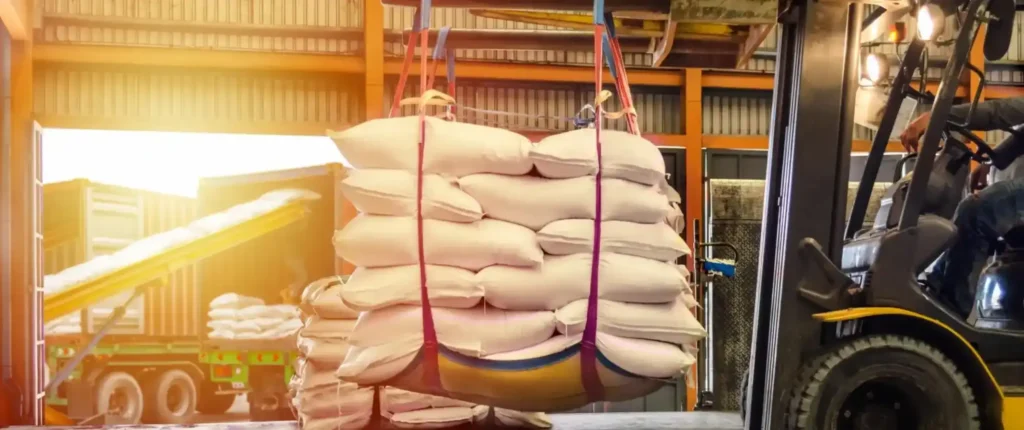
In the vocabulary of modern bulk packaging, valve bags designate industrial sacks that integrate a premade sleeve—or valve—through which product is filled at speed and the pack closes by compaction rather than sewing. The format stands apart from open‑mouth sacks for three reasons: the self‑closing valve lowers dust and consumables, the block‑bottom geometry densifies pallet cubes, and the automation‑ready mouth reduces operator‑dependent variability. From cement to fertilizers, from minerals to animal feed, the logic is the same: fewer loose ends, tighter pallets, cleaner floors. Under varied catalog names—block bottom valve bags, PP woven valve bags, PE valve sacks, paper valve bags, BOPP laminated valve bags—the core promise remains: predictable filling, dependable closure, repeatable logistics.
Material architecture — how layer choices define the behavior of valve bags
No single material answers every demand. The landscape clusters into three primary families—polypropylene‑based woven systems, polyethylene film systems, and multiwall kraft paper systems—plus hybrids that splice aesthetic priorities with mechanical ones. The engineer’s task is to match the bag’s backbone and skin to the product’s flow profile, climate exposure, and line speed. Cost matters, but only in the context of risk: a one‑cent saving evaporates under a single damaged pallet.
| Layer | Function | Key tunables | Risk if mis‑set |
|---|---|---|---|
| Woven backbone (PP) | Carry drop loads; resist creep under compression | Pick density, tape draw ratio, fabric GSM | Panels bow; corner crush; stretch on conveyors |
| Sealable skin (PP/PE coat or BOPP) | Seal window and dust hold‑out; print face | SIT, hot‑tack, adhesion, COF | Seal peel‑out; sifting at top; scuffing |
| Valve sleeve | High‑speed filling and self‑closure | Sleeve length/angle, flap design, vent map | Dust blowback; sleeve pull‑out; poor de‑aeration |
Geometry and closure — why block bottom valve bags stack better and sift less
Geometry translates into economics. Squared bases create brick‑like packs that sit flush on pallets and resist freight vibration. Eliminating stitched tops removes one of the most common sift paths on powders. A micro‑perforation strategy—often hidden behind gusset folds—evacuates trapped air during the fill cycle without exposing printed faces to scuff. The upshot is visible on the dock: truer edges, fewer collapsed corners, less dust on the floor.
From resin or paper to pack — a stepwise view of production and control
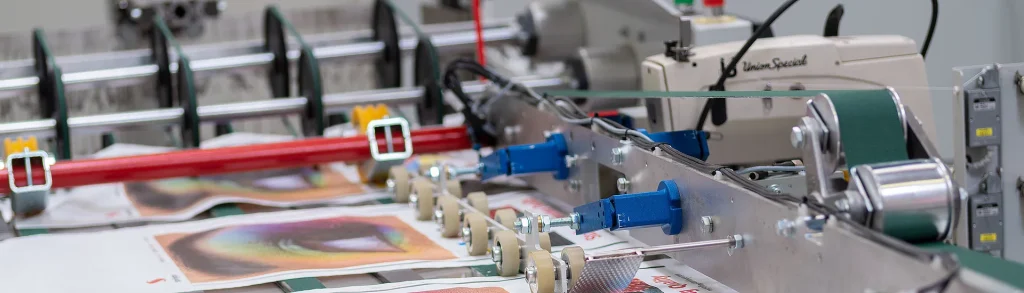
Production is a relay. What extrusion hands to weaving, what weaving hands to coating or lamination, what surface engineering hands to conversion—all of it shows up at the packer. A robust program spells out inputs, measures intermediates, and validates outputs under plant‑like conditions. VidePak anchors that discipline on European platforms for weaving, lamination, printing, and block‑bottom forming, equipment classes renowned for tight tolerances and uptime.
- Raw material audits. Resin MFI, moisture, and additive packages; sack kraft tear and stretch; colorant documentation for recycling streams.
- Tape or film formation. PP slit films drawn for tenacity; or PE blown tubing with managed thickness; edges conditioned for tracking.
- Weaving or tube prep. Circular looms enforce pick regularity and layflat width; film tubes receive gussets.
- Surface engineering. Corona to 38–42 dyn/cm; tie‑layer choices that bond without embrittling.
- Coating/lamination. PP/PE coats for forgiving seals or BOPP for scuff‑resistant print; vent pattern planned into gussets.
- Block‑bottom conversion. Square the base, form the valve, set sleeve geometry; anti‑sift flaps added as needed.
- Final QC. Dimensions, COF (both faces), seal peels, drop tests, compression dwell, print registration, valve retention.
Where valve bags win — mapping format to product and climate
The format excels wherever products are free‑flowing, line speed matters, and cleanliness is non‑negotiable. The table below aligns common fills with bag families and the tuning focus that secures performance.
| Sector | Typical fill | Preferred family | Tuning priorities |
|---|---|---|---|
| Cement & minerals | Cement, limestone, fly ash, barite | PP woven valve bags or BOPP laminated valve bags | Heavier weave corners, UV package, double top seals |
| Fertilizers | Urea, DAP, NPK blends | PP woven valve bags | Seal‑forgiving coats, micro‑perfs behind gussets, yard durability |
| Resins & chemicals | PE/PP pellets, medium‑flow powders | PE valve sacks (indoor) or PP woven valve bags (rugged) | COF control, seal window mapping, dust management at spout |
| Food & feed | Sugar, salt, grains, premixes | BOPP laminated valve bags or optimized paper valve bags | Reverse printing for graphics, hygiene documentation, low‑dust skins |
VidePak’s assurance — how quality is specified, built, and proven
VidePak articulates its control plan across four pillars: standards‑based methods (ISO/ASTM/EN/JIS), virgin inputs from major producers, best‑in‑class equipment families from Austria and Germany for weaving/lamination/printing/conversion, and a layered inspection model from incoming to lot sampling. The goal is not paperwork; it is predictability under real plant conditions.
System thinking — decomposing sub‑problems and recombining into a solution
Treat each choice as a lever, not an isolated spec. Define environmental envelope; select the family; tune the surface; map the seal window to jaw pressure; engineer venting; validate through trials; codify the acceptance plan; and iterate. A strong valve bag program is not the one with the highest single metric; it is the one with the fewest surprises at speed.
Troubleshooting — symptom, probable cause, and corrective action
- Top seal opens after drop: Check jaw pressure uniformity and serration profile before increasing temperature; extend cooling dwell; verify seal layer formulation.
- Excess dust around spout: Tune micro‑perfs and valve flap; add brushes and air‑knives; check particle size distribution.
- Pallet slip: Retarget outer COF via additive package; align stretch‑wrap recipe to surface; verify pallet deck friction.
- Graphics scuff: Consider BOPP lamination with reverse print; smooth conveyor transfers; validate guide pressures.
- Valve sleeve pull‑out: Increase patch bond area or adhesive class; adjust sleeve angle/length relative to spout dynamics.
Comparative lens — how families trade strengths and constraints
| Family | Strengths | Constraints | Best fit |
|---|---|---|---|
| PP woven valve bags | High puncture/drop resistance; outdoor durability; acceptable graphics with coats/laminates | Slightly higher GSM; seal must match jaw pressure profile | Cement, fertilizers, minerals, mixed‑mode freight |
| BOPP laminated valve bags | Premium graphics; scuff resistance; reverse print protection | COF management on palletizers; extra lamination step | Branded fertilizers, pet food, seed, retail‑adjacent channels |
| PE valve sacks | Lightweight; very wide seal window; simple PE recovery path | Limp walls on long conveyors; scuff with abrasives unless thick | Pellets and clean indoor logistics at high speed |
| Paper valve bags | Renewable base; breathability; tactile print warmth | Humidity sensitivity; lower abuse tolerance outdoors | Dry climates; moderate drops; moisture‑managed food/seed |
Cost and risk — why the lowest unit price can be the highest total cost
Total cost accumulates where spreadsheets rarely look: line stoppages from seal rework, dust cleanup labor, claims from split corners, and freight damage from pallet slip. In abrasive flows or humid yards, PP woven valve bags and BOPP laminated valve bags often reduce hidden costs through endurance; in clean, indoor pellet flows, PE valve sacks can win on speed and weight. The sensible question is not “Which bag is cheapest?” but “Which configuration minimizes risk at the throughput we need?”
A ready‑to‑use sourcing and validation checklist
- Family selected: PP woven valve bags / PE valve sacks / paper valve bags
- Surface system: extrusion coat vs. BOPP lamination (woven); anti‑stat & clarity (PE); ply count and optional liner (paper)
- Dimensions: layflat, gusset, cut length, block size
- Vent strategy: micro‑perfs behind gussets; valve flap geometry
- COF targets: inner and outer with test method
- Seal window: SIT/hot‑tack range tied to site jaws and dwell
- Graphics: ink system, overprint varnish or reverse print film
- Splice policy: frequency and identification in roll maps
- Tests: drop height(s), compression dwell, peel/impact, scuff, valve retention
- Documentation: certificates, traceability, retain samples, trend charts
Related resource
For a complementary look at polyethylene‑centric options that pair well with automation, see this focused guide: Practical guide to PE valve sacks for fast lines.
October 28, 2025
- Identity and scope — what are valve bags and why do they matter now?
- Material architecture — how layer choices define the behavior of valve bags
- Geometry and closure — why block bottom valve bags stack better and sift less
- From resin or paper to pack — a stepwise view of production and control
- Where valve bags win — mapping format to product and climate
- VidePak’s assurance — how quality is specified, built, and proven
- System thinking — decomposing sub‑problems and recombining into a solution
- Troubleshooting — symptom, probable cause, and corrective action
- Comparative lens — how families trade strengths and constraints
- Cost and risk — why the lowest unit price can be the highest total cost
- A ready‑to‑use sourcing and validation checklist
- Related resource
Opening Dialogue: Addressing Key Client Questions
Client: “We’re looking for durable, eco-friendly packaging solutions. What makes valve bags stand out, and how can VidePak ensure compliance with global standards?”
VidePak Specialist: “Valve bags excel in efficiency and sustainability, offering airtight sealing and reduced material waste. At VidePak, we combine 30+ years of expertise with cutting-edge technology to meet ISO, ASTM, EN, and REACH standards, ensuring your products are both high-quality and globally compliant. Let’s explore how our solutions align with your needs.”
1. Valve Bags: Types and Applications
Valve bags are specialized packaging solutions designed for granular or powdered products, such as cement, flour, and chemicals. Their one-way valve structure allows rapid filling while minimizing air retention, reducing spillage and contamination risks.
Common Types of Valve Bags
- Pasted Valve Bags:
- Constructed with laminated layers for enhanced durability.
- Ideal for heavy-duty applications like construction materials.
- Example: VidePak’s BOPP Laminated Valve Bags withstand 50+ kg loads, widely used in cement packaging[citation:23][citation:42].
- Block Bottom Valve Bags:
- Flat-bottom design for stable stacking.
- Popular in food and pharmaceutical industries.
- VidePak’s Kraft Paper Block Bottom Bags meet FDA standards for food safety[citation:29].
- Sustainable Valve Bags:
- Made from recyclable PP or biodegradable kraft paper.
- Align with global sustainability goals.
- VidePak’s EcoGuard Series reduces carbon footprint by 40% compared to traditional options[citation:35].
Table 1: Key Parameters of VidePak Valve Bags
| Type | Material | Load Capacity | Compliance Standards |
|---|---|---|---|
| BOPP Laminated | PP + BOPP Film | 25–50 kg | ISO 9001, EN 13432 |
| Kraft Paper | Recycled Fiber | 10–25 kg | REACH, FSC Certified |
| EcoGuard (Biodegradable) | PLA Blend | 15–30 kg | ASTM D6400, JIS Z 2801 |
2. Future Trends: Sustainability and Innovation
The packaging industry is shifting toward circular economies, with valve bags playing a pivotal role.
Trend 1: Material Innovation
- Recyclable Polypropylene (PP): VidePak uses 100% virgin PP to ensure durability and recyclability, complying with EU Circular Economy Action Plan targets[citation:18].
- Bio-based Alternatives: Partnerships with biotech firms enable production of PLA-lined bags, reducing dependency on fossil fuels.
Trend 2: Smart Packaging
- QR Code Integration: Track carbon footprint and supply chain transparency.
- Anti-static Designs: Critical for chemical industries, aligning with IEC 61340-5-1 standards[citation:37].
Trend 3: Regulatory Compliance
- REACH & JIS Compliance: VidePak’s R&D team conducts rigorous testing to eliminate hazardous substances (e.g., phthalates) and ensure Japan’s JIS Z 2801 antimicrobial standards[citation:12].
3. VidePak’s Quality Assurance: Global Standards, Local Expertise
Founded in 2008 and led by CEO Ray Chiang, VidePak serves 80+ countries with a focus on precision and sustainability.
Key Quality Control Measures
- Advanced Manufacturing:
- 100+ Starlinger circular looms and 30 lamination machines ensure uniform weave density (<5% deviation).
- Multi-color printing supports brand customization without compromising tensile strength.
- Certifications and Testing:
- ISO 9001: Annual audits guarantee consistent product quality.
- ASTM D5265: Simulates 10,000+ transport cycles to validate tear resistance.
- Sustainability Commitments:
- 60% of energy sourced from solar panels at our Guangdong facility.
- Zero-waste production: 98% of PP scraps are recycled[citation:41].
FAQs: Addressing Client Concerns
Q1: Can valve bags be customized for niche industries?
A: Absolutely. VidePak offers UV-resistant coatings for agricultural products and anti-static layers for chemical powders.
Q2: How does VidePak ensure timely delivery for large orders?
A: With 16 extrusion lines and 568 staff, we guarantee 15–30-day lead times for orders up to 1 million units.
Q3: Are biodegradable valve bags cost-effective?
A: While 15–20% pricier than standard PP bags, our EcoGuard Series reduces long-term waste management costs by 35%[citation:35].
References
- VidePak Company Profile. https://www.pp-wovenbags.com/.
- International Standards: ISO, ASTM, EN, REACH, JIS.
- Email: info@pp-wovenbags.com
External Links
- Explore our innovations in sustainable valve bags.
- Learn about BOPP laminated valve bag customization.
VidePak: Packaging Excellence, Delivered Globally.