
What Are SOS PP Fabric Bags? Definition, Aliases, Scope
In operational packaging, SOS PP Fabric Bags (self‑opening square polypropylene woven sacks) are open‑mouth, block‑bottom containers engineered to stand upright on their own as soon as product begins to flow inside. The square base, the pre‑creased side gussets, and the mouth stability work together so line operators can fill faster, palletize tighter, and present cleaner panels at retail. While the vocabulary varies across teams and regions, the platform points to one idea: predictable geometry under load. Common synonyms that buyers and engineers use include SOS PP Bags, Self‑Opening Square Polypropylene Bags, Block‑Bottom Open‑Mouth Woven Bags, Pasted Open‑Mouth Woven Sacks, and Self‑Standing Woven Poly Bags. Throughout this guide we will use SOS PP Fabric Bags as the canonical term and treat the others as context‑specific equivalents.
The Materials Architecture of SOS PP Fabric Bags
Every gram in SOS PP Fabric Bags must justify its existence under drop, clamp, vibration, humidity, and shelf handling. The materials stack is compact yet deliberate: a load‑bearing woven substrate, a tuned face for friction and print, an optional liner to govern moisture and dust, and small additive packages that make the whole assembly survive the real world.
Slit‑film polypropylene tapes are extruded, slit, and oriented (drawn) to align polymer chains before weaving. Typical ranges for open‑mouth formats: 65–120 g/m² with 10×10–14×14 PPI. Choice of denier and PPI sets tensile, tear, seam integrity, and panel flatness. Why PP? High specific strength, hydrophobic behavior, chemical tolerance, thermoformability, and globally stable cost.
Extrusion coating (PP/PE, ~15–35 g/m²) smooths the face, raises COF when matte, and blocks dust migration. BOPP lamination (15–25 μm) creates a premium print surface, protects ink by reverse printing, and stiffens panels for better stacks. Choose gloss for vibrancy, matte for scans, pearlescent for depth—then validate with pallet tests.
Loose or tab‑fixed PE liners (40–80 μm) control WVTR, hold aroma, and prevent sifting for fine powders. Form‑fit liners pair well with square bases. Where hygiene or hydration matters, pinch‑sealed liners eliminate needle paths and reduce complaint rates.
UV stabilizers for yard storage; pigments and whites for opacity and brand color; antistatic packages for high‑velocity filling; slip/antiblock for de‑nesting. Process aids keep draw strength consistent so lightweighting doesn’t backfire.
Features That Make SOS PP Fabric Bags Win
SOS PP Fabric Bags earn their keep when pallet behavior, line speed, and shelf presence all improve at once. Below is a compact but operationally faithful list of non‑negotiables.
- Self‑opening geometry that stabilizes the mouth under gravity fill; less spillage, quicker cycles.
- True square‑standing base for brick‑like stacks; fewer leans and safer aisles.
- High strength‑to‑weight ratio from oriented PP; grams saved without losing drop performance.
- Moisture/dust governance via coated faces or liners; hygiene supported when needed.
- Operational compatibility with gravity fillers, conveyors, clamp trucks, and retail shelves.
- Brand‑forward billboard panels; reverse‑printed BOPP protects art and codes under abrasion.
- Mono‑polyolefin builds that ease recycling streams where PP/PE recovery exists.
Production Process: From Gatekeeping to Release
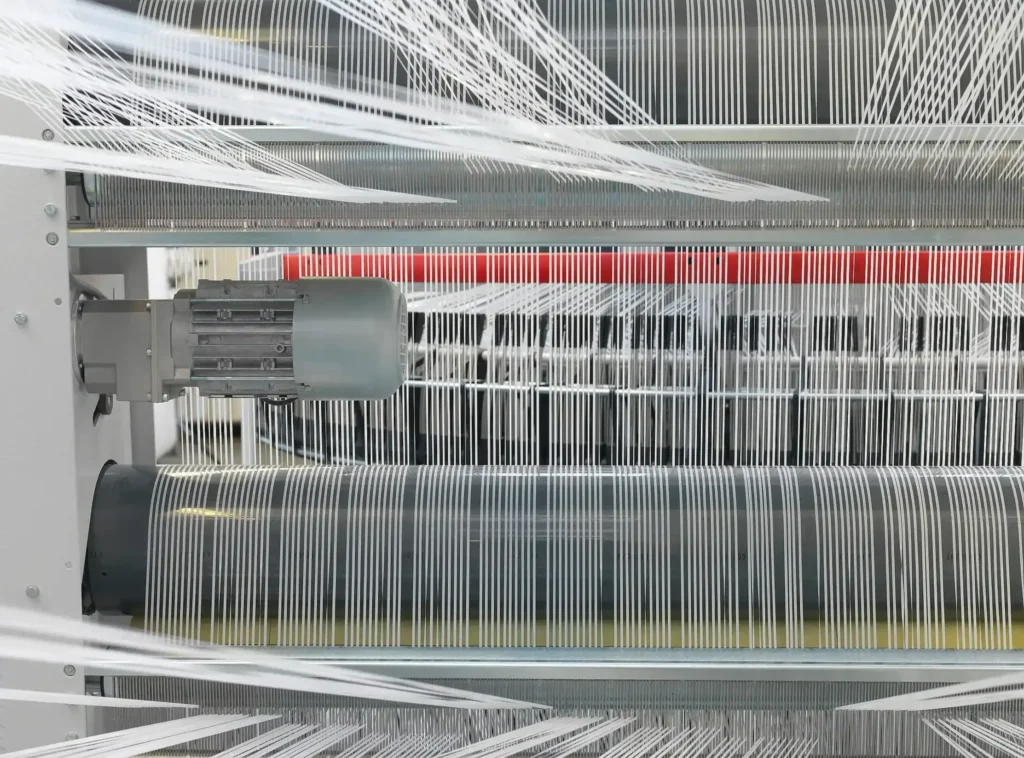
The promise of lighter yet tougher packaging is not magical—it is manufactured. Repeatability is the hidden feature of every successful SOS PP Fabric Bags program. The flow below mirrors high‑capability lines powered by Austrian Starlinger and German W&H platforms.
- Front‑end gatekeeping: vendor qualification, CoA checks (MFR, density, ash, moisture), DSC fingerprints, color drawdowns, and UV package IDs.
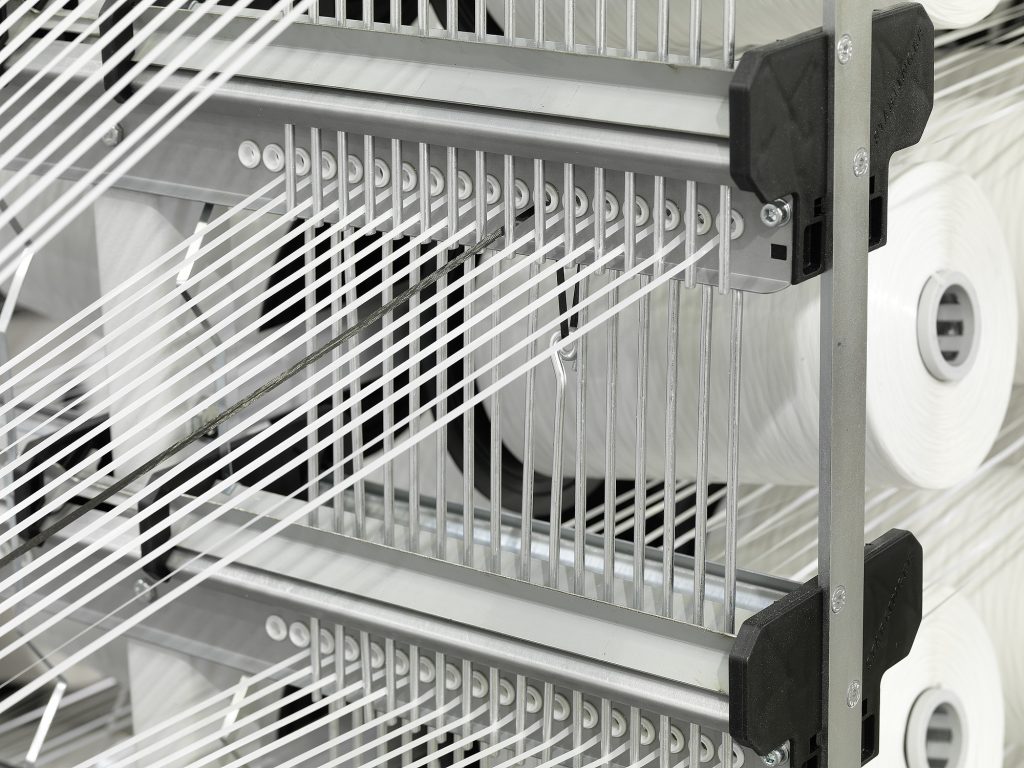
- Tape extrusion & orientation: pellets → sheet → slit tapes → reheated → drawn; control denier, draw ratio, shrink, and crystallinity; verify tensile and elongation inline.
- Weaving: set PPI and loom tension to protect panel flatness and seamability; avoid over‑tension that thins tapes.
- Face engineering: extrusion coating or BOPP lamination at controlled coat weights and nip pressure; choose matte for COF or gloss for vibrancy.
- Printing: high registration, reverse print for rub life; codes validated after abrasion cycles to reduce mis‑scans in DCs.
- Cutting & forming: crease gussets, paste square bottoms, heat‑cut edges, integrate easy‑open features where specified.
- Closure & sealing: chain stitch with filler cords for sift‑proofing or pinch‑seal for premium hygiene and WVTR control.
- Release: dimensional checks, mass/GSM windows, drop/seam tests, COF bands, WVTR and pinhole scans (where liners are used), and full lot traceability.
Applications and Format Heuristics
Where do SOS PP Fabric Bags outperform? Wherever gravity fills need a stable mouth, shelves demand upright panels, and warehouses punish sloppy stacks.
- Foods and staples (flour, sugar, rice, pulses): favor food‑grade liners, matte bands under barcodes, and brick‑stable pallets for DC throughput.
- Pet food (5–25 kg premium formats): aroma‑holding liners, pearlescent artwork where brand requires, and easy‑open cords for happier consumers.
- Agriculture (seeds, fertilizers): UV‑stabilized fabric and optional antistatic packages; micro‑perfs for respiration in select SKUs.
- Chemicals & minerals (salts, pigments, dry mixes): controlled WVTR and sift‑proof seams; COF tuned to conveyor and pallet wrap SOPs.
- Construction materials (dry mortar, gypsum, tile adhesive): square base resists clamp abuse; liners curb hydration and complaint rates.
Quality Governance: How VidePak Controls and Guarantees
Lightweight tolerance bands are unforgiving; “almost right” quickly becomes “not good enough.” VidePak’s four pillars reduce variance where it starts and confirm performance where it counts.
- Standards‑aligned SOPs and tests (ISO/ASTM/EN/JIS and food‑grade add‑ons).
- Virgin, tier‑one inputs on critical load paths; vetted films/liners; stable masterbatches.
- Best‑in‑class equipment (Starlinger & W&H) for narrow process windows and recipe repeatability.
- Layered inspection with AQL sampling, retains, and digital lineage to ring‑fence anomalies.
System Thinking: Sub‑Problems and Patterns
Packaging does not forgive wishful thinking. It rewards constraint‑based design. Reduce mass without triggering damage. Improve print without ruining friction. Add hygiene without breaking line speed. Solve each sub‑problem, then synthesize.
Comparative Lens: Why Choose SOS PP Fabric Bags?
Against sewn pillow‑style woven sacks, SOS PP Fabric Bags keep panels flatter and stacks squarer. Against valve block‑bottom bags, they simplify open‑mouth filling and reclose. Against multiwall paper SOS, they raise wet strength and puncture resistance in humid yards. Against rigid pails or boxes, they recover cube and cut reverse‑logistics pain. None of these wins are free; each requires spec discipline and plant trials, but the economic flywheel typically spins in favor of SOS when humidity, abrasion, and density all matter.
Engineering Economics and Sustainability
Resin grams dominate COGS. But freight and damage write the true story. One extra layer per pallet, fewer rewraps, fewer returns—these keep total landed cost down and ESG reporting honest. A credible program publishes kWh/1,000 bags, grams saved per SKU, liner gauges vs. WVTR targets, and recovery pilots with regional partners.
Risk & Troubleshooting (SOS‑Specific)
Implementation Roadmap: Spec → Pilot → Scale
- Define use‑case: density, particle size, hygiene target, climate, lanes.
- Set KPIs: finished mass, drop cycles, WVTR, COF, scan reliability, pallet layers.
- Engineer substrate: denier, PPI, GSM, UV package.
- Choose face: coating vs. BOPP; matte vs. gloss; anti‑slip patterns.
- Decide closure: sewn + filler cords vs. pinch; liner plan and μm.
- Pilot: plant site run‑at‑rate; clamp/drop; humidity conditioning; scan and abrasion audits.
- Lock specs & QC: AQL sampling, retains, traceability matrix.
- Rollout: change‑control, supplier scorecards, and continuous improvement cadence.
Style Taxonomy and Design Patterns
Design is not decoration; it is friction management, code readability, and trust at a glance. Choose a pattern to match the job:
- Minimalist industrial: matte film, high COF bands, grayscale iconography, oversized barcodes.
- Premium food: pearlescent BOPP with restrained gloss, photographic panels, aroma liners, EZ‑open cords.
- Agri‑yard durable: UV‑stabilized fabric, anti‑slip stripes, bold color‑coding, optional windows for seed visibility.
- DIY/building: high‑contrast hazard icons, corner reinforcements, scuff‑resistant faces, QR links to mixing videos.
RFQ / QA Checklist (Copy‑Ready)
- SKU, density, particle size; humidity/temperature profile.
- Hygiene target (food‑contact yes/no); aroma sensitivity.
- Distribution map; pallet pattern; clamp handling.
- Fabric GSM ±3%, PPI, denier; face (matte/gloss).
- Liner gauge & format; WVTR targets; pinhole AQL.
- Drop cycles, seam pulls, edge‑crush proxy, COF bands.
- Sampling plan (AQL), retains, digital lineage.
- Change control triggers; label/QR revision policy.
- Recovery partners and material passport plan.
Frequently Asked Questions
Do SOS PP Fabric Bags always need a liner? Not always. Granular contents with low moisture sensitivity can run coated face only. Define WVTR targets, then pick μm and format if needed.
What limits lightweighting? The moment drop failures or pallet lean rises. The right mass minimizes total landed cost, not merely resin per bag.
How do we keep barcodes scannable after abrasion? Place codes on matte bands or under reverse‑printed BOPP; enlarge modules slightly; validate with scuff‑then‑scan tests.
Which closure is cleanest for fine powders? Pinch‑bottom with a heat‑sealed liner is typically most sift‑proof; sewn + filler cords is rugged and cost‑effective for less critical lanes.
Can recycled PP be used? Yes, for non‑critical layers with strict QA and odor management; critical load paths usually remain virgin PP for predictable mechanics.
October 30, 2025
- What Are SOS PP Fabric Bags? Definition, Aliases, Scope
- The Materials Architecture of SOS PP Fabric Bags
- Features That Make SOS PP Fabric Bags Win
- Production Process: From Gatekeeping to Release
- Applications and Format Heuristics
- Quality Governance: How VidePak Controls and Guarantees
- System Thinking: Sub‑Problems and Patterns
- Comparative Lens: Why Choose SOS PP Fabric Bags?
- Engineering Economics and Sustainability
- Risk & Troubleshooting (SOS‑Specific)
- Implementation Roadmap: Spec → Pilot → Scale
- Style Taxonomy and Design Patterns
- RFQ / QA Checklist (Copy‑Ready)
- Frequently Asked Questions
- Introduction: The Rising Significance of SOS PP Fabric Bags
- Mastering Key Production Variables: Pulling Temperature & Drawing Ratio
- Design and Style for Diverse Industries
- Technical Parameters and Options
- FAQs
- Step-by-Step Guide: Producing SOS PP Fabric Bags
- Staying Ahead: Trends and Innovations
- External Links
- Conclusion
Introduction: The Rising Significance of SOS PP Fabric Bags
SOS PP Fabric Bags—short for “Self-Opening Style” polypropylene fabric bags—are winning the attention of businesses across agriculture, construction, and retail. This surge in popularity stems from:
- Extraordinary Durability: Woven PP ensures enhanced load capacity, tear resistance, and longevity.
- Aesthetic Possibilities: Intricate color stripes, high-quality printing, and brand-level customization all elevate visual appeal.
- Eco-Conscious Approaches: Recyclable PP meets growing demands for sustainable, reusable packaging.
According to recent papers and global packaging journals, the trend toward reusability and brand-oriented packaging is forecasted to continue. Consequently, advanced weaving processes, refined finishing options, and next-generation equipment (e.g., Starlinger and W&H lines) are vital in controlling key production parameters—namely pulling temperature and drawing ratio. These factors set the standard for consistent quality.
Mastering Key Production Variables: Pulling Temperature & Drawing Ratio
1. Pulling Temperature Control
- Definition: Manages the heat applied during PP tape extrusion.
- Why It’s Critical:
- Structural Stability: Optimally heated filaments display consistent thickness and robust crystallinity.
- Reduced Defect Rates: Proper temperatures reduce micro-cracks, minimizing tears or “thin spots.”
2. Drawing Ratio
- Definition: The degree to which extruded tapes are stretched.
- Significance:
- Enhanced Tensile Strength: Higher stretch produces stronger tapes, ideal for heavy loads.
- Weight Efficiency: Balanced drawing ratio lowers material usage without sacrificing performance.
3. Machinery Excellence: Starlinger & W&H
VidePak relies on Austrian Starlinger and German W&H machines for weaving and lamination, both revered for:
- Real-Time Adjustments: Synchronized pulling and drawing speed.
- Automated Monitoring: Digital controls detect anomalies, safeguarding tape uniformity.
- High Throughput: Boosted productivity with minimal downtime or defects.
Design and Style for Diverse Industries
- Agriculture & Grain Packaging
- Ventilated Weaving: Lightweight weaves to allow airflow and prevent spoilage.
- Color-Coded Stripes: Blue or green stripes for quick warehouse identification.
- Construction Materials
- Heavy-Duty Reinforcement: Premium gsm (grams per square meter) to hold cement, sand, or gravel.
- Anti-Slip Coatings: Ideal for safe stacking and transportation.
- Retail & Bulk Consumer Goods
- High-Impact Printing: Full-color or offset printing for brand logos, product info, or promotional messages.
- Compact Storage: Foldable format for easy shelving or repeated usage by consumers.
- Sensitive Products
- Antimicrobial Layers: Inhibits bacterial growth for pharmaceuticals or medical supplies.
- Anti-Static Treatments: Protects electronic components from electrostatic discharge.
Technical Parameters and Options
| Parameter | Common Range | Impact on Performance |
|---|---|---|
| Fabric Weight | 60–120 gsm | Balances cost-efficiency with load capacity. |
| Weave Density | 8×8, 10×10, or 12×12 | Determines bag strength and tear resistance. |
| Pulling Temperature | ~160–180°C | Ensures uniform tape formation and crystallinity. |
| Drawing Ratio | 5–8× | Influences elasticity, tensile strength, and final bag weight. |
| Printing Format | CMYK, Pantone, RAL | Allows photo-quality brand visuals or coded labeling. |
| Machinery Used | Starlinger, W&H | Provides real-time adjustments to achieve optimal weaving outputs. |
| Finishing Options | Antistatic, breathable | Expands usage scenarios (food, electronics, medical, etc.). |
FAQs
- How do pulling temperature and drawing ratio affect bag strength?
Proper heat and stretching lead to fewer weak points, enabling higher load capacities. - Can I add color stripes to separate product SKUs?
Yes. During weaving, various colors—blue, red, green—are introduced, simplifying warehouse sorting. - Is advanced printing possible on thinner-gauge material?
Absolutely. With meticulous tension control from Starlinger/W&H lines, even lightweight fabrics accept high-detail prints. - What about moisture or contamination concerns?
Lamination and specialized coatings (antimicrobial, anti-static) address these, ensuring product integrity. - Do these bags suit eco-friendly initiatives?
PP’s recyclability meets rising sustainability priorities, plus repeated usage cuts down on single-use waste.
Step-by-Step Guide: Producing SOS PP Fabric Bags
- Material Selection
- Evaluate polypropylene grade based on load demands and finishing requirements.
- Extrusion and Tape Formation
- Employ Starlinger/W&H extruders for uniform molten flow.
- Monitor pulling temperature to maintain the correct crystallization rate.
- Weaving and Drawing Ratio
- Set drawing ratio to produce tapes matching the desired gsm and tensile strength.
- Avoid over-stretching to prevent brittleness.
- Coating or Lamination
- Opt for microporous or fully sealed lamination, depending on moisture control needs.
- Incorporate anti-static or antimicrobial layers if required.
- Printing & Branding
- Use offset, flexographic, or digital printing for full-surface logos or imagery.
- Integrate color-coded stripes for quick product identification.
- Quality Inspections
- Conduct tensile, tear, and seam tests to confirm compliance with global packaging standards.
- Adjust equipment parameters if any variation arises.
- Logistics & Distribution
- Package folded or stacked bags in optimized shipments for minimal breakage.
- Provide instructions for safe storage and usage guidelines to distributors or end users.
Staying Ahead: Trends and Innovations
- IoT and Smart Tagging
Growing adoption of RFID tags or QR codes on the bags—enabling real-time inventory tracking and authenticity checks. - Advanced Coatings
Heat-reflective, odor-sealing, and humidity-scavenging finishes are emerging in sensitive product lines. - Recycled PP
Many producers experiment with partial recycled content to meet eco-friendly mandates and reduce virgin PP consumption. - Automation & Digital Twins
Real-time monitoring fosters consistent production, with “digital twin” simulations to predict any machinery flaws or misalignments.
External Links
For more on SOS PP Bags adapted to logistics and diverse packaging environments, explore the versatility of SOS-PP-bags in global transportation and logistics detailing how they excel in varied shipping conditions. Sustainability-oriented readers might discover additional insight on recyclable PP bags that demonstrate innovative methods to minimize plastic waste.
Conclusion
SOS PP Fabric Bags represent a transformative solution catering to multiple industries, from heavy-duty construction to delicate consumer packaging. Backed by Starlinger and W&H machinery, the refined temperature control and drawing ratio underpin their dependable quality. When paired with forward-thinking design options—breathable weaves, lamination, color-coding, and advanced printing—these bags meet both practical storage and aesthetic branding goals.
In a global landscape increasingly driven by reliability, sustainability, and brand aesthetics, SOS PP Fabric Bags deliver a compelling blend of performance and customizability. Whether for food products requiring ventilation, industrial materials necessitating sturdy handling, or consumer brands seeking vibrant packaging to engage buyers, these technologically advanced bags stand ready to elevate packaging solutions to a new standard of excellence.