
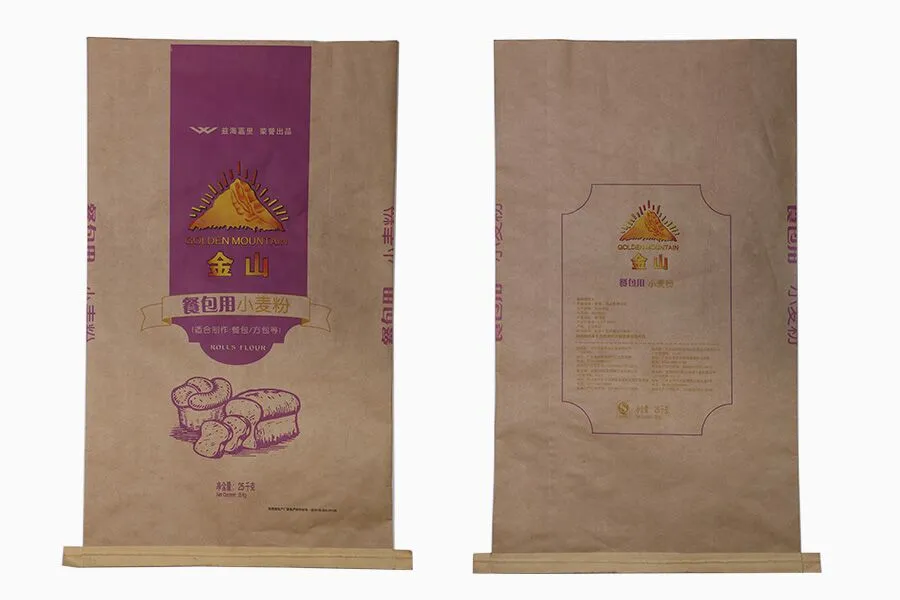
Food Grade Woven Fabric Bags in a Systems-Based Packaging World
In contemporary food logistics, packaging has evolved from a silent background element into a visible, measurable and highly engineered part of the value chain. When rice crosses oceans, when flour moves from the mill to industrial bakeries, when pet food is stacked on retail shelves, the humble sack is no longer a simple wrapper. It has become a micro-engineered interface that mediates between food products, production lines, regulatory regimes and consumer expectations. Within this complex landscape, Food Grade Woven Fabric Bags have emerged as one of the most balanced and resilient solutions for dry food packaging.
At first glance, Food Grade Woven Fabric Bags may look similar to general-purpose woven sacks. The difference lies beneath the surface: in resin purity and traceability, in carefully tuned mechanical properties, in controlled lamination and printing systems, and in hygiene practices that align with demanding food-safety standards. These sacks combine polymer science, textile design and food-contact regulation in a single structure that must be both technically robust and economically realistic.
This reworked narrative builds on the original discussion of Food Grade Woven Fabric Bags, but goes further by treating each design decision as part of an interconnected system. Instead of viewing the packaging as a static object, we will look at it as an evolving node in a network that runs from polypropylene granules all the way to a meal on a family table. Materials, processes, certification schemes, and even branding choices interact with each other; each can reinforce or undermine the others. Understanding those connections is what turns a commodity sack into a strategic component of food safety and logistics.
When brand owners choose Food Grade Woven Fabric Bags, they are not only choosing a container. They are also choosing a material science approach, a manufacturing philosophy and a level of documented control that reaches far beyond the warehouse door.
In the following sections, we will explore definitions, material building blocks, performance characteristics, production steps, application segments and quality governance. Along the way, we will compare Food Grade Woven Fabric Bags with alternative formats, highlight trade-offs, and outline good practices for buyers who want to use this packaging technology to its full potential.
Defining Food Grade Woven Fabric Bags and Their Many Names
A clear definition is the starting point for any technical discussion. In practical industry usage, Food Grade Woven Fabric Bags are sacks made primarily from woven polypropylene tapes, engineered and documented so that they are suitable for direct or indirect contact with food. The base fabric is created by weaving narrow polypropylene tapes in a criss-cross pattern, forming a strong yet flexible textile that can be cut, stitched, laminated and printed.
What elevates these sacks from standard woven packaging to genuinely food grade woven polypropylene bags is the combination of controlled raw materials, validated food-contact suitability and hygienic production practices. Resin is selected to meet regulatory frameworks such as FDA provisions for food-contact plastics and European rules like EU No 10/2011, which set migration limits and compositional requirements for plastics that touch food. Plants often layer these legal obligations with voluntary schemes such as BRCGS Packaging Materials or ISO-based food safety systems, creating a multi-level assurance structure.
In everyday conversation, packaging engineers, buyers and auditors use several overlapping labels for this family of products. All refer back to the same technical idea but emphasise slightly different aspects:
- Food grade poly bags, highlighting the polymeric nature of the material.
- Food grade polypropylene woven bags, signalling the use of woven PP tapes as the structural backbone.
- Food grade woven PP sacks, a more logistics-focused way to describe the same packaging style.
- Food grade woven fabric bags, emphasising the textile-like fabric and its role in mechanical performance.
- Food grade woven sacks, a compact phrase commonly used by bulk traders and mill operators.
Is there any real difference among these expressions? From a design standpoint, not much. In all cases, the expectation is similar: a woven polypropylene structure (sometimes with a polyethylene liner or a laminated film) that protects dry foodstuffs such as rice, sugar, flour, pulses or pet food while complying with relevant food-contact regulations. What changes is not the core idea, but the emphasis. A quality manager might stress the “food grade” part, a logistics planner might stress the word “sack”, and a sustainability manager might focus on the “polypropylene” element because of its recyclability potential.
Different phrases – such as food grade woven polypropylene bags or food contact PP woven sacks – are best understood as alternative labels for the same design platform. This linguistic variety can confuse newcomers, but it also reflects how widely Food Grade Woven Fabric Bags are used across departments and sectors.
A helpful way to summarise the definition is this: a Food Grade Woven Fabric Bag is a polypropylene-based woven sack manufactured under documented conditions so that a food manufacturer, a retailer and a regulator can all be confident that, under intended use, it will not harm the food it carries. That confidence is rooted in materials, in process control, in testing and in documentation – and none of those elements can be treated in isolation.
Material Building Blocks of Food Grade Woven Fabric Bags
Every packaging solution can be traced back to a small number of material families. For Food Grade Woven Fabric Bags, the essential building blocks are polypropylene tapes, polyethylene films and a set of auxiliary components such as sewing threads, inks and functional additives. The behaviour of the finished sack is simply the sum of these components and their interactions under stress, temperature and time.
Virgin polypropylene tapes as the structural backbone
Polypropylene forms the “skeleton” of Food Grade Woven Fabric Bags. In pellet form it is a thermoplastic polymer, with chains that can be oriented during processing to dramatically increase tensile strength. When extruded into thin tapes and stretched under controlled conditions, the molecular chains align, turning a soft pellet into a high-tenacity tape capable of supporting heavy loads. Scientific work on all-polypropylene composites shows how orientation can make PP behave almost like a high-performance engineering material when strength is measured relative to weight.
In a food-contact context, the choice of resin is not only about mechanics. It is also about predictability and purity. Using virgin PP designed for food contact reduces the risk of unknown contaminants, residual printing inks or degraded additives that can sometimes be present in recycled polymers. While recycled polypropylene plays an increasingly important role in circular packaging, it is typically used in non-food-contact layers or in separate applications, whereas food grade woven PP sacks tend to rely on virgin resin in the areas that touch food or face strict migration limits.
Polyethylene liners as the product-facing barrier
Many Food Grade Woven Fabric Bags are designed as dual-layer systems where a woven PP shell provides mechanical strength and a polyethylene liner provides the primary moisture and contamination barrier. Polyethylene, especially in its low-density and linear-low-density variants, is well known for combining flexibility with strong heat-sealing behaviour and low migration potential when formulated correctly for food use.
The liner is usually the component that actually touches the food. Its thickness, density and sealing parameters determine how well the packaging resists water vapour, retains product aroma and guards against external dust. The liner can be loose, stitched to the top seam, or fully tube-in-tube with a bottom seal. Each configuration has implications for filling, sealing and material usage. For powdered products such as flour and premixes, high-barrier liners are common, whereas for coarser products such as some grains, a simpler liner or even an unlined food grade polypropylene woven bag may be sufficient.
Laminations and surface films for printability and protection
If the woven fabric and the liner form the skeleton and skin of the sack, then the lamination film acts as clothing and armour at the same time. A thin layer of polypropylene film – clear, matte or pearlescent – can be laminated to the outside of Food Grade Woven Fabric Bags to create a smooth, printable surface. This is where detailed artwork, brand imagery, regulatory icons and barcodes live.
From a technical perspective, this laminated film adds stiffness, improves resistance to scuffing and boosts moisture resistance. From a commercial perspective, it turns each bag into a mobile billboard that travels from filling line to warehouse to retailer. Premium rice and pet food brands often specify reverse-printed BOPP film laminated to woven PP, creating glossy, photographic-quality food grade woven polypropylene bags that visually stand out while remaining compatible with polypropylene recycling streams.
Auxiliary components: threads, inks and additives
No Food Grade Woven Fabric Bag is complete without sewing threads, labels, ink systems and tailored additives. Threads need to be strong yet compatible with the base fabric so that seam failure does not become the weak point in the system. Printing inks, often based on solvent or water technology, must be carefully chosen to be suitable for indirect food contact and to adhere strongly to the laminated surface without unwanted odour.
Additives such as UV stabilisers can extend outdoor storage life for products stored in yards, while antistatic and slip agents can improve performance on high-speed filling lines. Each additive solves a problem, but each also needs stewardship: it must be used at appropriate levels, supported by toxicological data and checked through migration testing when relevant. Properly managed, these auxiliary materials help Food Grade Woven Fabric Bags balance safety, functionality and cost.
Material decisions are never isolated. Virgin PP supports strength and regulatory clarity; PE liners protect against moisture; laminated films support branding; additives fine-tune behaviour. Change one element and the entire performance profile of Food Grade Woven Fabric Bags shifts, sometimes in surprising ways.
Performance Features and Design Trade-Offs
Why do so many mills, traders and brand owners specify Food Grade Woven Fabric Bags rather than paper sacks, plain polyethylene bags or rigid containers? The answer lies not in a single superior property but in a bundle of performance traits that can be tuned to different applications. The most important of these traits form a web of trade-offs: improve one, and another may be affected.
Strength, toughness and handling safety
The woven structure of polypropylene tapes gives food grade woven PP sacks impressive tensile and tear resistance compared with many film-based bags of similar basis weight. In practice, this means fewer burst failures during filling, fewer torn bags when pallets are moved, and fewer lost kilograms of product across the supply chain. Mechanical specifications often refer to fabric weight, tape denier and weave density. Higher values generally mean stronger bags, but they also mean more resin and therefore higher cost and environmental load.
Engineers therefore aim for an optimum rather than a maximum: a configuration where Food Grade Woven Fabric Bags meet required performance tests, such as drop tests and seam-strength checks, without unnecessary over-engineering. This optimisation process is not static. As filling equipment changes or as supply chains become more demanding, specifications may need review. A sack that was acceptable for manual filling at a local mill might struggle on a high-speed automated line intended for export shipments.
Moisture barrier versus breathability
Dry food products may be harmed by too much moisture but can also suffer if completely sealed with no possibility of controlled gas exchange. Grains sometimes benefit from a degree of breathability; powdered products such as flour or premixes often require more aggressive moisture control. Food Grade Woven Fabric Bags provide a design space where these needs can be balanced.
The base fabric can be specified with higher or lower weave density, giving more or fewer pathways for vapour and air. Lamination and liners then overlay this base with various levels of barrier. For instance, a rice exporter may choose laminated, fully lined food grade woven polypropylene bags for maritime shipments, while a local feed mill might use unlaminated, unlined sacks for products that stay within a dry inland climate. The important point is not that one solution is universally better, but that the technology allows nuanced tailoring to the real risks of each supply chain.
Branding space, consumer perception and retail performance
In retail environments, packaging is often described as the “silent salesperson”. When customers scan a shelf, they read cues from colour, shape, surface finish and imagery long before they read printed text. Laminated Food Grade Woven Fabric Bags are especially powerful in this context because they offer a large, relatively flat surface for high-impact artwork while still being robust enough to survive rough handling.
Block-bottom constructions allow bags to stand upright, presenting a billboard-like front panel. Reverse-printed BOPP films deliver vivid colours and fine detail that would be difficult to achieve on plain woven fabric. This visual performance can help products such as premium rice, speciality grains or pet food differentiate themselves from competitors, even when the underlying formulation is similar. Thus, the choice of food grade woven polypropylene bags influences not just physical protection but also brand storytelling and shelf visibility.
Cost, efficiency and environmental footprint
Cost discussions around Food Grade Woven Fabric Bags are more subtle than a simple price-per-bag comparison. A woven sack might cost more than a thin PE bag on a unit basis, yet cause fewer product losses, fewer stoppages on the filling line and fewer complaints from distributors. When these indirect benefits are accounted for, the total cost of ownership can become very attractive.
From an environmental perspective, mono-material designs where fabric, lamination and many accessories are all polypropylene can simplify recycling. Technology suppliers such as Starlinger have invested in systems that recycle PP woven sacks into regranulate suitable for new tape production, supporting closed-loop concepts. When Food Grade Woven Fabric Bags are designed with recyclability in mind – avoiding unnecessary mixed materials – they can align well with emerging circular-economy policies while still protecting food.
From Polypropylene Granule to Finished Food Grade Woven Fabric Bag
The journey from raw resin to a finished, printed, palletised sack involves a chain of processes that must be both efficient and hygienically controlled. Each step carries its own risks and opportunities for optimisation. VidePak’s approach to manufacturing Food Grade Woven Fabric Bags can be understood as a series of linked stages in which material, machinery and quality systems interact.
Front-end control: incoming materials and specification checks
Production begins long before any resin melts. Procurement teams select virgin PP and PE grades with appropriate documentation: certificates of analysis, declarations of compliance with food-contact regulations, and migration test reports where relevant. At receiving, technicians verify batch numbers, visual appearance and basic parameters such as melt flow index and moisture content. Accessories such as films, inks and threads undergo similar scrutiny.
This gatekeeping function is more than bureaucracy. If a seemingly minor deviation slips through – a resin grade with a different additive package, an ink not approved for indirect food contact, a thread spool contaminated with dust – the integrity of the entire Food Grade Woven Fabric Bag system is compromised. Early checks are therefore a protective shield around the downstream processes.
Tape extrusion and stretching: engineering the mechanical backbone
Once cleared, PP pellets enter tape extrusion lines, often supplied by high-end manufacturers such as Starlinger or W and H. The resin is melted, filtered and extruded through a flat die to form a thin sheet, which is then slit into narrow tapes. These tapes are reheated and stretched, aligning polymer chains to create high-tenacity strands. Precision control of temperature profiles, line speed and draw ratio is essential. Small variations can translate into big differences in the breaking strength and elongation of the final woven fabric.
Well-tuned tape lines generate consistent, low-defect tapes that incorporate smoothly into weaving. Poorly tuned lines, by contrast, produce tapes with weak zones, variable thickness or inconsistent width. Those defects can later manifest as unexplained tears or uneven fabric appearance. Because Food Grade Woven Fabric Bags are often used at 25 kilogram or 50 kilogram capacities, this mechanical backbone must perform reliably under repeated handling.
Weaving: converting tapes into fabric
The stretched tapes move on to circular or flat looms where they are interlaced into tubular or flat fabrics. Parameters such as picks per unit length, warp-to-weft ratio and loom tension define fabric weight and stiffness. Inspection systems – both human and sensor-based – watch for broken tapes, missing picks and contamination. Weaving is the stage where the abstract mechanical properties of tapes become a tangible textile ready for conversion into food grade woven polypropylene bags.
For food-contact packaging, weaving areas are kept clean and lubricants are selected to minimise any risk of odour or residue. Defective sections are removed, and rolls are clearly identified so that traceability is maintained. If a particular roll later shows an anomaly in bag strength tests, the production history can be reconstructed and corrective action can be taken.
Lamination and printing: from structural fabric to branded pack
The woven fabric can be used as-is for some applications, but most branded Food Grade Woven Fabric Bags pass through lamination and printing stages. In lamination, a polypropylene film layer is bonded to the fabric using extrusion or adhesive processes. Bond strength must be high enough to prevent delamination during folding, stitching and use. Surface treatment such as corona discharge increases surface energy so that inks adhere reliably.
Printing, typically via flexography or rotogravure, applies artwork and regulatory information. Ink selection is a delicate balance between vibrancy, adhesion, low odour and food-contact suitability. Process controls monitor colour density, registration and defect rates. What seems like a purely aesthetic stage is actually central to compliance and consumer trust: legible ingredient lists, batch codes and handling instructions are all part of the risk management system surrounding Food Grade Woven Fabric Bags.
Conversion, liner insertion and final inspection
Laminated or plain fabrics are cut into panels or tubular sections, folded and stitched to form individual sacks. Different bottom constructions – such as fold-over, stepped or block-bottom – offer different stacking and filling behaviours. For lined versions, the polyethylene liner is inserted and secured by stitching or heat sealing. Mouth construction is matched to the customer’s filling equipment, whether open-mouth or valve-style.
Finished Food Grade Woven Fabric Bags undergo dimensional checks, visual inspection and mechanical testing on a sampling basis. Quality teams examine seam strength, bursting performance and even odour. Bags are bundled, wrapped and stored in clean conditions, with care taken to prevent compression damage or contamination before shipment. In parallel, documentation is prepared: test reports, certificates and traceability records that give downstream users confidence in the packaging they receive.
From the outside, a sack looks simple. Inside the factory, it represents hundreds of controlled parameters – temperatures, tensions, viscosities, speeds and inspection points – all converging to create reliable Food Grade Woven Fabric Bags at industrial scale.
Comparing Food Grade Woven Fabric Bags with Other Packaging Formats
Packaging decision-makers rarely evaluate Food Grade Woven Fabric Bags in isolation. Instead, they compare them with other established options: multiwall paper sacks, plain PE film bags, rigid pails or drums, and flexible intermediate bulk containers. Each option has its own strengths and weaknesses. Placing woven food-grade sacks in this comparative framework helps clarify where they shine and where another technology might be preferable.
| Packaging format | Key strengths | Key limitations |
|---|---|---|
| Food grade woven fabric bags | High strength-to-weight ratio, tunable moisture protection, large printable area, compatibility with PP recycling, good performance on automated lines. | Requires specialised production machinery, texture may be unfamiliar to some consumers, recycling systems for PP may be uneven by region. |
| Multiwall paper sacks | Good printability, strong consumer perception as “natural”, established filling equipment. | Sensitive to moisture, strength declines when wet, recyclability complicated if combined with plastic liners or coatings. |
| Plain PE film bags | Good moisture barrier, low material cost, simple mono-material structure. | Lower puncture resistance, higher risk of tears at high fill weights, limited stiffness for upright display without secondary packaging. |
| Rigid pails or drums | Excellent protection and reusability, good for high-value or liquid products. | High weight and volume, costly, often excessive for everyday dry bulk goods. |
This comparison shows why Food Grade Woven Fabric Bags often occupy a sweet spot. They provide better toughness and moisture resilience than many paper-based options, while being more efficient and cost-effective than rigid packaging for standard dry products. When properly designed as mono-material PP solutions, they also offer a realistic path toward recycling despite regional differences in collection infrastructure.
At the same time, the comparison reminds us that no solution is universal. Highly hygroscopic products stored for very long periods in extreme climates may require additional barrier measures or different packaging altogether. Conversely, low-risk products travelling short distances might not need the full feature set that premium food grade woven polypropylene bags can offer.
Sector-Specific Uses Across the Food and Feed Chain
The versatility of Food Grade Woven Fabric Bags becomes most visible when we examine how different industries within the food and feed sector use them. Each segment stresses different product properties and supply-chain realities, yet all can work within the same packaging platform.
Grains, rice and cereals
For bulk cereals and rice, robustness and stack stability are fundamental. Bags must survive loading, long-distance transport and warehouse handling without rupture. In export scenarios, moisture control becomes critical as shipments cross humid environments and varying temperatures. Laminated, lined food grade woven PP sacks with 25 kilogram or 50 kilogram capacities are a common answer, balancing the need for strength with large-format brand presentation.
Flour, starch and milled powders
Flour and starch have different challenges. They are free-flowing yet capable of dusting, sensitive to moisture and vulnerable to microbial growth if stored poorly. Specification teams often pair relatively high basis-weight fabrics with fully sealed PE liners and robust lamination. This combination helps Food Grade Woven Fabric Bags prevent moisture ingress while resisting puncture during handling. For industrial bakeries that rely on consistency, the bag is part of a chain of control that also includes silo hygiene and process validation.
Sugar, salt and crystalline ingredients
Sugar and salt are heavy, abrasive and hygroscopic. The packaging must support high bulk density and manage the tendency of crystals to wear away at surfaces. Here, strong fabrics and tightly constructed seams are essential. Some applications call for internal liners to reduce clumping and protect against external moisture. Because these products are often traded globally, Food Grade Woven Fabric Bags must also support consistent print quality for labelling and traceability across many markets.
Pet food and animal feed
In the pet food aisle, packaging plays a key emotional role: it conveys notions of quality, nutrition and care for animals. Laminated, block-bottom food grade woven polypropylene bags are widely used here because they can carry detailed graphics, stay upright on shelves and withstand the weight of dense kibble. In animal feed mills, where handling can be rough, the durability of woven packaging helps reduce spillage and downtime on filling lines.
Additives, premixes and speciality ingredients
Smaller-volume but high-value inputs such as vitamin premixes, bakery improvers or functional additives require heightened traceability and often tighter barrier performance. For these cases, Food Grade Woven Fabric Bags with thicker liners, tamper-evident closures and enhanced coding systems provide a secure and traceable container. The same base technology thus serves both mainstream commodities and niche, high-margin products, reflecting its flexibility.
One design platform, many contexts: Food Grade Woven Fabric Bags operate in rice mills, sugar refineries, pet food factories and premix plants. The surroundings change, but the core expectations remain the same – strength, safety, regulatory clarity and visual reliability.
Quality Governance and Risk Management at VidePak
High-performing packaging does not depend on luck; it depends on systems. VidePak’s approach to producing Food Grade Woven Fabric Bags can be viewed as a layered governance framework that brings together international standards, disciplined raw-material selection, advanced machinery and rigorous inspection.
Working with recognised standards
International benchmarks such as ISO-based quality systems, ASTM and EN test methods, and food safety frameworks like HACCP or ISO 22000 help structure decision-making. They do not remove the need for judgement, but they provide a common language for customers, auditors and regulators. In practice, this means that tests on Food Grade Woven Fabric Bags – tensile strength, seam integrity, drop performance or migration – are carried out using methods that external stakeholders understand and trust.
Additional voluntary audits against packaging-focused schemes, for example BRCGS Packaging Materials, reinforce these foundations with detailed checks on hygiene zoning, foreign-body control, allergen management and traceability. For a food brand trying to manage risk across multiple sites and suppliers, such schemes make food grade woven PP sacks easier to approve and monitor over time.
Raw materials from dependable sources
The best equipment cannot rescue poor resin. VidePak therefore relies on virgin, food-grade PP and PE from large petrochemical players with stable formulations and clear documentation. Every batch is connected to internal lot numbers so that, in the event of any issue, trace-back is rapid and targeted. Similar care applies to films, inks and accessories: low-odour, food-contact-suitable materials are specified, and substitutions are tightly controlled.
Advanced machinery as a quality enabler
Production lines from technology leaders such as Starlinger and W and H provide a stable platform for consistency. High-performance extrusion, weaving and lamination equipment allows for precise parameter control and integrated monitoring, reducing scrap and variability. In the context of Food Grade Woven Fabric Bags, this reliability translates directly into more uniform fabric strengths, fewer visual defects and steady print quality.
Layered inspection and continuous improvement
Inspection is not an afterthought bolted onto the end of the line. It is a series of nets placed at different stages: incoming, in-process, finished-goods and periodic sampling. At each stage, different properties are checked – from basic visual cleanliness and dimensions to more advanced tests. Data from these checks feed into continuous-improvement programmes that target recurring issues, whether they arise from raw materials, equipment or procedures.
This governance system means that customers purchasing Food Grade Woven Fabric Bags from VidePak are effectively purchasing an embedded risk-management service. They receive not just a physical item but also test records, documented controls and a partner who can support them during audits and regulatory reviews.
Engineering Parameters and Configuration Choices
For engineers and buyers, the art of specifying Food Grade Woven Fabric Bags lies in translating practical needs into technical parameters. Capacity, filling method, stacking pattern, storage climate and branding ambitions all influence the final configuration. Key parameters include fabric weight, weave density, dimensions, lamination thickness and liner design.
| Parameter | Typical choices for food applications | Design implications |
|---|---|---|
| Capacity and dimensions | 5, 10, 25, 50 kilogram formats; width and height tailored to product density and pallet pattern. | Influences manual handling, pallet efficiency and line throughput. |
| Fabric weight and weave density | Approx. 55 to 120 grams per square metre; tighter weaves for higher barrier or more strength. | Higher values improve strength and reduce sifting, but increase resin use and cost. |
| Lamination and liner design | Clear or printed PP lamination; PE liners from around 30 to 80 micrometres. | Defines moisture resistance, print quality and sealing options. |
| Bag style | Open-mouth, gusseted, block-bottom, valve configurations. | Affects filling speed, shelf presentation and stack stability. |
| Printing and artwork | One to eight colours, with photographic images possible on laminated surfaces. | Drives brand impact and legibility of regulatory information. |
Working through these parameters is easier when buyers partner with a specialist. A supplier like VidePak, or a dedicated custom-focused PP woven bag producer, can help translate product and process realities into detailed sack specifications. In this sense, the design of Food Grade Woven Fabric Bags is a collaborative engineering exercise, not a one-sided transaction.
System Thinking: How One Bag Connects Farms, Factories and Families
Stepping back, it becomes clear that Food Grade Woven Fabric Bags are more than packaging components. They sit at the intersection of multiple systems: agricultural production, industrial processing, logistics, regulation, retailing and daily life. Decisions made during sack design can resonate across all of these systems.
Consider a simple scenario. A mill chooses slightly lighter-weight food grade woven polypropylene bags to save resin. If the new specification still meets drop-test and seam-strength requirements, the change may reduce cost and environmental impact without issue. However, if the margin of safety shrinks too far, the risk of occasional failures increases. A burst bag in a warehouse is not just a housekeeping problem; it can become a pest-control concern, a contamination risk and a complaint from the receiving customer. System thinking encourages decision-makers to weigh those downstream costs against the upstream savings.
Similarly, choices about recyclability or mono-material design influence how waste-management systems handle empty sacks. In regions with established polypropylene recycling, well-designed Food Grade Woven Fabric Bags can become valuable feedstock rather than landfill burden. But if liners or labels use incompatible materials, or if printing inhibits recycling quality, the opportunity is reduced. Again, a decision made at the design table echoes through collection yards, recycling facilities and policy debates on plastic use.
The lesson is simple but demanding: when specifying Food Grade Woven Fabric Bags, think beyond the warehouse gate. Consider the farm that fills them, the ship that carries them, the retailer that stacks them and the family that finally opens them at home.
Practical Guidelines for Buyers and Brand Owners
How can procurement teams and packaging developers translate all these concepts into concrete actions? A few practical guidelines can help ensure that Food Grade Woven Fabric Bags are specified, sourced and used in a way that supports both safety and efficiency.
Describe the product and the journey in detail
Begin by documenting the nature of the packed product: its density, particle size, moisture sensitivity and any special handling requirements. Then describe the journey it will take – from filling to palletising, transport, storage and retail display. Will the sacks be stacked in high warehouses? Will they travel by sea in humid climates? Will they be sold directly to consumers or used as intermediate industrial packaging? The more clearly this journey is articulated, the more precisely food grade woven PP sacks can be tailored to it.
Define performance targets, not just dimensions
It is tempting to focus on bag width, height and capacity. Yet the true measure of success lies in performance-level targets: minimum tensile strength, seam strength, drop performance, acceptable moisture gain, visual appearance after handling. Defining these targets in collaboration with suppliers helps ensure that every parameter of Food Grade Woven Fabric Bags – from fabric weight to liner thickness – is aligned with real needs.
Bring branding and compliance together
Graphic design and regulatory compliance are sometimes treated as separate streams of work. Packaging artwork might focus on imagery and claims while legal teams separately review ingredient lists, net weight statements and regulatory icons. In practice, both should be considered together. Laminated food grade woven polypropylene bags have the space and durability to host rich visuals and detailed information; using that space well requires early alignment between marketing, legal and technical functions.
Plan for end-of-life outcomes
Finally, consider what happens to Food Grade Woven Fabric Bags after emptying. Can they be reused in the supply chain? Are they likely to be collected for recycling, and if so, under what conditions? Would mono-material PP designs, clear recycling symbols and simple disposal instructions improve real-world outcomes? Asking these questions at the design stage makes it easier to align packaging choices with corporate sustainability commitments and emerging regulations.
When buyers and suppliers collaborate along these lines, Food Grade Woven Fabric Bags become more than a line item on a procurement sheet. They become a managed asset that supports food safety, logistics efficiency, brand value and environmental responsibility all at once.
2025-11-13
- Food Grade Woven Fabric Bags in a Systems-Based Packaging World
- Defining Food Grade Woven Fabric Bags and Their Many Names
- Material Building Blocks of Food Grade Woven Fabric Bags
- Performance Features and Design Trade-Offs
- From Polypropylene Granule to Finished Food Grade Woven Fabric Bag
- Comparing Food Grade Woven Fabric Bags with Other Packaging Formats
- Sector-Specific Uses Across the Food and Feed Chain
- Quality Governance and Risk Management at VidePak
- Engineering Parameters and Configuration Choices
- System Thinking: How One Bag Connects Farms, Factories and Families
- Practical Guidelines for Buyers and Brand Owners
- Describe the product and the journey in detail
- Define performance targets, not just dimensions
- Bring branding and compliance together
- Plan for end-of-life outcomes
- What Are Food Grade Woven Fabric Bags?
- Material Selection for Food Grade Woven Fabric Bags
- Production Considerations for Food Grade Woven Fabric Bags
- Packaging and Transportation
- Table 1: Key Parameters for Food Grade Woven Fabric Bags
- Ensuring Food Grade Standards
- Conclusion
The demand for safe, durable, and efficient packaging solutions in the food industry has never been higher. Food Grade Woven Fabric Bags have emerged as a key packaging option for various food products, including grains, flour, sugar, and even some processed goods. These bags, often made from Food Grade Polypropylene (PP), offer exceptional strength, moisture protection, and the ability to be customized with features such as PE liners and a pearlescent film coating.
Woven Fabric PP Bags Features
Food-grade safe woven bags with certified materials, high quality and long-lasting durability.
Check More →Heat-Sealed PP Woven Bags
Food-safe sealed woven packaging with hygienic production, ensuring purity and structural strength.
Check More →BOPP Laminated PP Woven Bags
Food-grade laminated woven bags with safe barrier properties, quality stability and durability.
Check More →Heavy-Duty Woven Bags Guide
Complete guide to food-safe heavy-duty woven bags focusing on safety standards, quality and durability.
Check More →In this article, we will explore the entire lifecycle of Food Grade Woven Fabric Bags, from material selection and production to packaging and transportation. We will discuss the key considerations at each stage to ensure that the bags meet stringent food-grade standards. Additionally, we will highlight how combining PP woven fabric with PE liners and additional coatings enhances the bags’ functionality, providing moisture resistance, aesthetic appeal, and barrier protection.
What Are Food Grade Woven Fabric Bags?
Food Grade Woven Fabric Bags are made from polypropylene (PP) woven fabric and are designed to safely store and transport food products. They are widely used for packaging bulk commodities such as rice, flour, sugar, and grains, as well as processed food items. The term “food grade” refers to the fact that these bags meet the stringent safety standards required for direct contact with food products.
The main advantages of Food Grade Woven Fabric Bags include:
- Strength and Durability: The woven structure of PP provides high tensile strength, making the bags capable of handling heavy loads without breaking.
- Moisture Resistance: Adding PE liners and coatings can enhance the bag’s ability to protect food products from moisture and contaminants.
- Customizability: The bags can be produced in various sizes, with options for multiple layers, coatings, and closures to meet specific packaging needs.
Material Selection for Food Grade Woven Fabric Bags
Selecting the right materials is the foundation of producing Food Grade Woven sacks that meet food safety standards. Several critical factors must be considered during the material selection process, including the type of resin, additives, and coatings used in the bag’s construction.
1. Virgin Polypropylene (PP) Resin
The primary material used in Food Grade Woven Fabric Bags is virgin polypropylene (PP) resin. Virgin PP is preferred over recycled material because it ensures purity and reduces the risk of contamination. Using virgin PP also guarantees that the material is free from harmful substances that could affect the safety and quality of the food products stored within the bags.
- Key Properties of Virgin PP for Food Grade Bags:
- High tensile strength to support heavy loads.
- Chemical inertness, ensuring no interaction with the food contents.
- Light weight, making it ideal for bulk transportation.
2. PE Liners for Added Protection
Food Grade Polypropylene Bags often include an inner liner made from polyethylene (PE). PE liners provide an additional layer of protection, ensuring that the contents of the bag are shielded from moisture, dust, and other contaminants. This is especially important for hygroscopic food products like flour and sugar that can degrade when exposed to moisture.
- Advantages of PE Liners:
- Enhanced moisture resistance.
- Improved barrier protection against contaminants.
- Compatibility with food-grade standards for direct contact with food items.
3. Coatings and Laminations
To further enhance the performance of Food Grade PP Bags, manufacturers often apply external coatings, such as a pearlescent (or “pearlescent”) film. This coating not only gives the bag an aesthetically appealing finish but also improves its barrier properties, making it more resistant to moisture, oils, and other environmental factors.
- Pearlescent Film Coating Benefits:
- Provides a smooth, glossy finish that improves the bag’s visual appeal.
- Enhances moisture and oil resistance, protecting the contents during storage and transportation.
- Adds an extra layer of strength, further improving the bag’s durability.
Production Considerations for Food Grade Woven Fabric Bags
Once the appropriate materials have been selected, the production process must be carefully managed to ensure that the bags meet food-grade standards. Below are the key steps and considerations during the manufacturing process:
1. Extrusion and Weaving of PP Fabric
The production process begins with the extrusion of polypropylene resin into fine threads, which are then woven into a fabric. The weaving process must be closely monitored to ensure that the fabric maintains consistent strength and durability. Any weaknesses in the weave could compromise the bag’s ability to protect the food products inside.
2. Adding the PE Liner
After the PP fabric is woven, a PE liner is inserted into the bag. This liner serves as a barrier between the food products and the external environment. The liner is typically heat-sealed or sewn into the bag, depending on the specific design.
3. Lamination and Coating
To improve the moisture resistance and overall durability of the bag, a lamination process is applied. A pearlescent or clear film is laminated onto the outer surface of the bag, creating a smooth, moisture-resistant barrier. This lamination also enhances the bag’s appearance, making it suitable for retail packaging.
4. Customization Options
Food Grade Woven sacks can be customized in various ways to meet the needs of different food producers. For example, bags can be produced with different types of closures, such as open-mouth, valve, or zipper designs. Additionally, bags can be printed with high-quality graphics, logos, and branding information using flexographic or rotogravure printing techniques.
Packaging and Transportation
Once the bags are produced, they must be packaged and transported in a way that maintains their food-grade status. The key considerations during this stage include:
1. Clean and Hygienic Handling
During the packaging process, it is crucial to ensure that the bags are handled in a clean and hygienic environment. Any contamination during this stage could compromise the food-grade certification of the bags.
2. Proper Storage Conditions
To maintain the integrity of Food Grade Poly bags, they should be stored in a cool, dry environment. Exposure to heat or moisture could degrade the quality of the bags, potentially affecting their ability to protect the food products they contain.
3. Secure Transportation
During transportation, Food Grade Polypropylene Bags must be securely packed to prevent damage. Heavy-duty pallets, shrink wrapping, or stretch films can be used to secure the bags during transit, ensuring that they arrive at their destination in perfect condition.
Table 1: Key Parameters for Food Grade Woven Fabric Bags
| Parameter | Description | Benefits |
|---|---|---|
| Material Composition | Virgin PP with optional PE liner | Ensures food safety and contamination-free packaging |
| Moisture Resistance | PE liner and lamination | Protects food from moisture and contaminants |
| Tensile Strength | High-strength woven PP fabric | Can hold heavy food products like grains and flour |
| Customization | Printing, size, closure options | Tailored to specific product and branding needs |
| Lamination | Pearlescent or clear film coating | Enhances durability and aesthetic appeal |
| Load Capacity | Up to 50 kg | Suitable for bulk packaging of food items |
Ensuring Food Grade Standards
Producing Food Grade Woven Fabric Bags requires strict adherence to industry standards and regulations. Below are the key steps taken to ensure that these bags meet food-grade standards:
1. Raw Material Certification
Before production begins, all raw materials, including PP resin and PE liners, must be certified as food-grade by relevant regulatory bodies, such as the FDA or the European Food Safety Authority (EFSA). This certification ensures that the materials are safe for direct contact with food.
2. Hygienic Manufacturing Environment
The manufacturing environment must be kept clean and sanitary at all times. Equipment should be regularly cleaned, and employees must follow strict hygiene protocols, including wearing gloves and hairnets, to prevent contamination.
3. Quality Control Testing
Throughout the production process, samples of the bags are tested for quality control. These tests include tensile strength testing, moisture resistance testing, and checks for contamination. Bags that do not meet the required standards are rejected and not sent to customers.
4. Proper Labeling and Documentation
Once the bags are produced, they must be properly labeled as food-grade. This includes providing documentation to customers, certifying that the bags meet the required food safety standards.
Conclusion
Food Grade Woven Fabric Bags offer a robust, safe, and customizable packaging solution for the food industry. From selecting the right materials to ensuring hygienic production and secure transportation, every stage of the process is critical to meeting food-grade standards. By combining PP woven fabric with PE liners and pearlescent film coatings, manufacturers can produce bags that not only meet food safety requirements but also provide additional benefits such as moisture resistance, durability, and enhanced aesthetics.
In today’s competitive food packaging industry, ensuring that packaging solutions meet the highest standards of safety, durability, and functionality is more important than ever. Food Grade PP Bags stand out as a reliable choice, offering a combination of strength, protection, and visual appeal that meets the diverse needs of the food sector.