
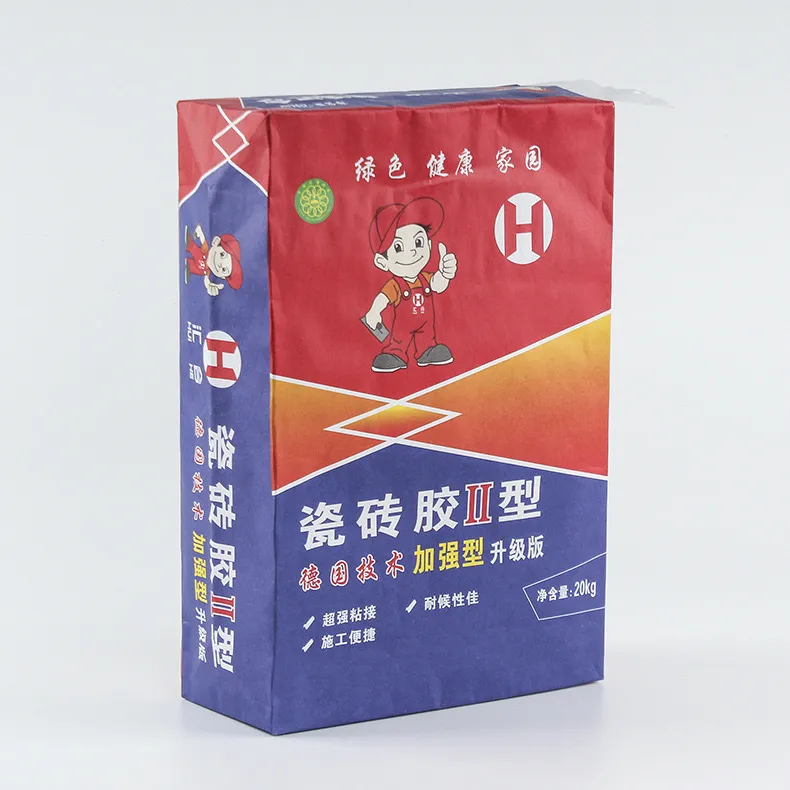
What are Waterproof Woven Bags?
Waterproof Woven Bags are industrial-grade sacks engineered on a woven polypropylene (PP) fabric backbone and fortified with hydrophobic layers—extrusion coatings, film laminations, and/or internal liners—to block rain splash, ambient humidity, and wet-deck contact. In contrast to breathable woven sacks, Waterproof Woven Bags are specified for predictable barrier performance across real-world cycles of wetting, drying, and handling, ensuring that powders, granules, and small aggregates keep their flow, avoid caking, and retain high-contrast labeling during storage and transport.
Also known as:
- Moisture‑Proof Woven Bags
- Waterproof PP Bags
- Waterproof Woven Sacks
- Waterproof Poly Bags (Woven)
- Laminated Woven PP Bags
- PE‑Coated Woven Bags
- BOPP‑Laminated Woven Bags
Why and when they matter
Open yards in a monsoon; coastal air heavy with fog and salt; containers that sweat when warm cargo meets a cold hull; rainy transloads at ports and distribution centers—these conditions turn ordinary sacks into sponges. Waterproof Woven Bags interrupt moisture ingress pathways through faces, seams, and mouths, thereby protecting product quality and pallet safety.
Moisture path map
Face → seam → mouth → pallet deck. Waterproofing succeeds when all four are addressed as one system.
Design levers
Coating vs. lamination vs. liner; sewn+tape vs. pasted vs. welded closure; de‑aeration strategy; pallet COF tuning.
Related reading
Explore adjacent packaging choices: printed woven bags for handling and branding, BOPP printed woven bags for warehouse flow, paper valve woven bags for sustainability, kraft paper woven bags for chemical raw materials, block‑bottom valve bags for pallet stability, FIBC bags transforming pet‑food packaging, FFS woven bags in a changing market.
The Materials of Waterproof Woven Bags: Structure, Constituents, Trade‑offs
A Waterproof Woven Bag is only as good as the interfaces where water seeks entry. Face layers, seam architecture, and mouth closure must act together—supported by the mechanical skeleton of the woven PP fabric and, where needed, a secondary barrier from liners. Below is a practice‑ready map of materials and why each earns its place.
1) Woven PP fabric: the load‑bearing lattice
Interlaced raffia‑style tapes (typically 60–120 g/m² for small sacks) provide tensile, tear, and puncture resistance. Woven PP resists splash events that would debilitate paper, while its baseline porosity enables fast filling—so long as you manage de‑aeration once hydrophobic layers are added. More GSM means more durability, but also more resin and potentially slower deaeration if perf maps are not engineered.
2) Hydrophobic faces: coatings and laminates
Extrusion coatings of PP/PE create a continuous water‑shedding film that closes inter‑yarn capillaries and strengthens ink anchorage. Film laminates—typically reverse‑printed BOPP—deliver photo‑grade graphics, higher abrasion resistance, and premium barrier. Both routes reduce breathability and need an intentional vent strategy during filling (hot‑needle or laser micro‑perfs placed away from rain paths).
3) Inner liners: secondary barrier, hygiene, and odor control
Mono‑ or co‑ex PP/PE liners (20–60 μm) control WVTR and OTR for hygroscopic goods (cement blends, gypsum, fertilizers), and isolate grease/odor. Loose‑insert, tabbed, or form‑fit geometries can be matched to block‑bottom or valve formats. Gains in barrier must be balanced against breathability and pallet friction.
4) Seam and mouth engineering: the critical weak link
Needle holes from sewing act as capillaries. Seam tapes (crepe or hot‑melt), deeper/turned hems, or outright elimination of needles through pasted pinch or heat/ultrasonic welds are the primary defenses. In valve formats, sleeve fit, stiffness, and thermal/ultrasonic closure determine leak discipline under vibration.
5) Additives and masterbatches: small doses, large effects
UV stabilizers extend outdoor life; antistatic packages reduce dust cling and nuisance shocks; slip/anti‑block packages tune the COF window for conveyor flow versus pallet grip. Color masterbatches control opacity and brand color under coatings/laminates without over‑inking.
Rule of thumb
Waterproofing is not a single layer; it is a choreography of layers. If one element is under‑engineered (a mouth, a seam, a perf map), moisture will find that path with a persistence that surprises even seasoned operators.
Key Features of Waterproof Woven Bags: What They Deliver and Why
Great packaging is not built on slogans; it is built on measurable behaviors. Below, each feature is unpacked: how it is engineered, what numbers matter, and where trade‑offs live.
1) Moisture resistance where it actually matters. Water arrives through faces, along seams, via the mouth, and across wet pallets. Coatings/laminates repel faces; pasted/welded closures—or taped seams—shut needle paths; liners provide a second line of defense; perf maps enable filling without opening flood‑gates. The result: fewer caking events, preserved flow, and stable print and codes.
2) Stable pallets in wet yards. Moisture‑softened sacks slump; square or block‑bottom geometry, a tuned COF window (≈0.30–0.45), and hydrophobic faces hold brick‑like stacks. Safer stacks allow higher compression margins; safer stacks reduce claims.
3) Tunable breathability versus barrier. “Seal everything” is tempting—but many powders need to vent entrained air at the filler. Position micro‑perfs away from rain paths; keep perf density just high enough to meet BPM targets; ensure post‑fill closures are leak‑tight. Balance is the quiet superpower of Waterproof Woven Bags.
4) Clean filling rooms and safer operator zones. Valve sleeves matched to nozzle IDs, elastic cuffs, and check flaps suppress powder blowback—especially when humidity elevates dust adhesion. Coated faces reduce yarn hairiness and improve housekeeping metrics.
5) Print fidelity under abrasion and wet optics. Laminated/coated faces anchor inks and withstand rub; matte windows over code zones prevent scanner glare after splash events dry into translucent films. Stable ΔE and reliable barcode grades keep automated intake flowing.
6) Sustainability levers that don’t sacrifice performance. Mono‑polyolefin builds (woven PP + PP‑friendly ties + PP/PE liners) align with existing recovery streams; down‑gauging enabled by high‑tenacity tapes and better seam architectures reduces mass; recycled‑content pilots can be run where regulations allow.
7) Total cost of ownership (TCO) wins. Faster lines, fewer rewraps, fewer sweep‑ups, better cube, and lower claim rates add up. The per‑bag price is not the full picture; the packaged cost per ton is.
Production Process: From Resin to Ready Bag
Waterproofing is an orchestration, not a single step. VidePak’s lines are anchored by Austrian Starlinger extrusion/loom platforms and German W&H (Windmöller & Hölscher) printing/lamination/converting assets, which together stabilize denier, GSM, register, and bond strength across long runs.
Stage A — Pre‑material qualification and incoming checks
- PP resin: MFI, isotacticity, ash, odor, moisture (Karl Fischer), gel count.
- Films/coats: thickness tolerance, dyne level ≥38 dyn/cm, gloss/haze, COF windows.
- Liners: WVTR/OTR, SIT, dart impact, antistatic decay, migration compliance where applicable.
- Inks/adhesives: viscosity windows, solids ratio, residual solvent thresholds; low‑migration stacks for food‑adjacent builds.
- Additives: UV hours, slip range, color ΔE targets.
Stage B — Core unit operations (Starlinger + W&H)
- Tape extrusion and orientation. Cast, slit, draw, anneal—achieve target tenacity and dimensional stability; control denier and tape width.
- Weaving. Maintain GSM and pick rates while mapping defects; fabric flatness is a precursor to reliable coatings/laminations.
- Surface treatment. Corona/plasma to elevate dyne levels for anchors and ties.
- Coating or lamination. Extrusion coating builds a continuous skin; film lamination delivers premium optics and barrier. Bond strength, curl, and residuals are monitored.
- Printing. High‑contrast art; matte code windows; edge varnish only where rub is severe.
- Conversion and closure. Pasted pinch or heat/ultrasonic welding removes needle holes; if sewing is used, employ seam tape/hot‑melt and deeper/turned hems.
- Valve sleeve engineering (where relevant). Sleeve ID/length and stiffness align with nozzle; thermal/ultrasonic closure validated for leak criteria.
- Liner insertion. Loose‑insert or form‑fit; spout seals matched to SIT; antistatic features verified.
- De‑aeration map. Hot‑needle/laser micro‑perfs placed away from rain paths and key visuals.
- In‑line inspection and baling. Vision for register and seam integrity; automatic counting; traceable bale labels.
Stage C — End‑of‑line QA and compliance
- Mechanical: tensile/tear/burst; multi‑orientation drop tests (e.g., 5× at 0.8–1.2 m).
- Leak/tightness: simulate fill pressure with timed leak‑down; typical acceptance ≤0.5% mass loss.
- COF/stackability: tune static/kinetic COF to 0.30–0.45 for conveyor flow versus pallet grip.
- Barrier: validate WVTR and, where applicable, hydrostatic resistance of coated fabrics.
- Dimensions: verify width/length/bottom depth, GSM, and bale counts.
- Regulatory: migration testing for food‑adjacent SKUs; retain samples for traceability.
Equipment pedigree pays dividends
Starlinger’s closed‑loop tension and defect mapping remove weak points upstream; W&H presses and laminators preserve register and bond strength downstream. Fewer defects, steadier uptime, reorders that match the master—this is the quiet economics behind consistent waterproof performance.
Applications: Where Waterproof Woven Bags Shine
Waterproof Woven Bags excel when moisture risk intersects with flow‑critical powders and granules. The following use cases highlight patterns that repeat across industries.
- Cement, gypsum, dry mortar, plaster mixes. Engineer de‑aeration for fill speed; prefer pasted or welded bottoms to remove needle‑hole wicking; maintain matte windows over codes for stable scans after splash events.
- Fertilizers and soil amendments (NPK, urea, potash). Pair UV‑stabilized faces with liners for yard storage; square/block‑bottom geometry keeps pallets stable during wet/dry cycles; consider baffles for high‑cube containerization in larger formats.
- Minerals and pigments (calcium carbonate, TiO₂, carbon black). Thermal/ultrasonic valve closures improve leak discipline; antistatic options calm fines; scuff‑resistant laminates protect high‑coverage branding.
- Food ingredients (flour, starches, sugar, salt). Food‑contact liners and migration‑safe stacks support audits; moisture control prevents caking and clumping; traceable codes and glare‑free windows keep intake automation on track.
- Pet‑food and animal nutrition bases. Liners manage grease/odor; abrasion‑resistant faces survive mixed pallets and long routes; square pallets resist yard slumps.
- Specialty chemicals and absorbents. Static‑aware designs, leak targets ≤0.5%, and clear hazard labeling protect operators and customers across climates.
Quality Architecture at VidePak: Four Reinforcing Pillars
- Make and verify to mainstream standards. SOPs align with widely used methods for tensile, tear, burst, drop, COF, WVTR/hydrostatic resistance, print adhesion, and migration where applicable. AQL sampling, SPC, CAPA, and PPAP‑style validations create audit‑ready repeatability.
- Use virgin, big‑brand inputs (and qualified PCR where specified). 100% virgin PP resin, certified films/liners, and approved ink/adhesive stacks ensure predictable behavior. Every lot remains cradle‑to‑pallet traceable.
- Run best‑in‑class equipment—Starlinger and W&H. Closed‑loop tape/loom control and high‑fidelity print/lamination keep denier, GSM, register, and bond strength inside tight windows, run after run.
- Cover tests from Incoming → In‑Process → Outgoing. COA verification, vision‑based register control, seam/valve peel checks, online length/weight, and outgoing functional/Dimensional audits. Retention samples and color swatches travel with the BoM.
Systems Thinking: Decompose Moisture, Recombine the Spec
Designing Waterproof Woven Bags is a multi‑variable optimization. Climate, powder physics, warehouse regime, and compliance constraints pull in different directions. The discipline is to decouple, then synthesize.
Sub‑problem A — Climate and route severity
Inputs: outdoor dwell hours, rainfall intensity, humidity cycles, port splash risk, UV hours, and condensation cycles. Checkpoints: set UV stabilizer hours; choose coat vs. laminate vs. liner; validate WVTR/hydrostatic windows; add matte code windows for wet optics.
Sub‑problem B — Powder physics and flow
Inputs: angle of repose, PSD, loose/tapped bulk density, hygroscopicity, oil/odor content. Checkpoints: top/bottom geometry (open mouth/pinch/valve), seam type (sewn and taped vs. pasted/welded), vent maps and perf density, liner gauge and antistatic class.
Sub‑problem C — Warehouse and pallet discipline
Inputs: pallet pattern, safe stack height, wrap recipe, floor COF, racking rules, container cube. Checkpoints: square/block‑bottom geometry, COF tuning, interlayers for glossy faces, edge‑varnish for abrasion zones.
Sub‑problem D — Brand, compliance, and traceability
Inputs: photography vs. vector art, matte vs. gloss accents, ΔE tolerances, code specs, food‑contact status. Checkpoints: lock Pantones and ΔE, map varnish zones, ensure matte code windows, document migration, and retain swatches/samples.
Integrated path — Step by step
- Intake: climate + powder + warehouse + brand/compliance constraints.
- Concept shortlist: (a) PE‑coated woven PP with taped seams; (b) BOPP‑laminated + thermal valve closure; (c) liner‑assisted coated fabric.
- DFMEA: rank failure modes—needle‑hole wicking, seam pull‑through, delamination, barcode glare after splash, pallet slip on smooth faces.
- Pilot: 500–2,000 bags on the real line; instrument BPM, dust ppm, leak/WVTR tests, scan grades, pallet creep after wet/dry cycles.
- Finalize: lock GSM, coat/lam gauge, seam/closure, perf map, liner gauge, COF window, UV hours, QA plan.
- Scale: SPC on denier, pick rate, bond strength, register, seam tensile; AQL sampling; retention swatches and samples.
- Review: quarterly down‑gauging trials, recycled‑content pilots (non‑food), UV‑hour updates, artwork governance.
Technical Windows and Parametric Guides
| Attribute | Typical Range | Notes |
|---|---|---|
| Capacity | 5–50 kg (25/50 kg dominate) | Align to filler tooling and pallet plan |
| Fabric GSM | 60–120 g/m² (small sacks); higher for heavy duty | Validate drop matrix vs. route severity |
| Coating Gauge | 18–35 μm single‑side / 30–60 μm double‑side | Balance barrier vs. stiffness |
| Laminate Film | 18–35 μm BOPP (matte/gloss) | Matte for codes; gloss for shelf depth |
| Liner Gauge | 20–60 μm (PP/PE) | Higher barrier, lower breathability |
| Hem Depth (if sewn) | 25–40 mm | Deeper/turned hems improve seam life |
| Valve Sleeve | PP/PE laminate or fabric, 60–120 g/m² | Match ID/length to nozzle OD |
| Attribute | Target/Method | Why It Matters |
|---|---|---|
| WVTR | Validated against climate and product | Controls caking and flow loss |
| Hydrostatic Resistance | Coated fabrics tested for water column | Splash/wet‑deck proxy |
| Leak/Tightness | ≤0.5% mass loss at set pressure/time | Dust/moisture discipline under vibration |
| COF | 0.30–0.45 window | Conveyor flow vs. pallet stability |
| Barcode Grade | ISO/IEC 15416 grade B or better | Scan reliability after wet optics |
| Drop Performance | 5× at 0.8–1.2 m (corner/edge/flat) | Predicts transit survival in mixed climates |
| Closure Option | Where It Fits | Waterproofing Notes |
|---|---|---|
| Pasted Pinch | Premium barrier; needle‑less | Requires precise thermal windows |
| Heat/Ultrasonic Weld | Laminate/film‑rich builds | Excellent leak control; compatibility critical |
| Sewn + Tape | Balanced cost/control | Seal needle holes with crepe/hot‑melt |
| Thermal Valve | Valve bags needing tight seal | Repeatable, dust‑tight closure |
Scenarios: Problem → Intervention → Outcome
Monsoon caking on cement blends
Double‑side PE‑coated fabric + 40–50 μm PP liner + pasted pinch bottom + matte code windows + COF 0.35–0.40 → lower caking, faster discharge, stable stacks, reliable scan grades after rain splash.
Coastal fertilizer sweating in containers
BOPP‑laminated faces with matte windows + form‑fit 50–60 μm liner + thermal valve closure + UV‑stabilized masterbatch → intact labels through voyage, fewer claims, pallet discipline maintained.
Pigment fines and seam wicking
Crepe‑taped seam under two‑thread chainstitch + antistatic liner + perf maps moved away from rain paths → cleaner fills, suppressed wicking, improved operator comfort.
Barcode failures after rain splash
Matte code windows + ΔE ≤ 2 + high‑build edge varnish; codes placed on less‑exposed faces → stable grade B or better scans in warehouse lighting.
Corner splits in humid drop tests
Increase hem depth (35–40 mm) or switch to pasted/welded closure; verify with 5× corner/edge/flat drops → passes without adding fabric GSM; stronger moisture discipline.
Sizing, Palletization, and Logistics Discipline
- Work backward from bulk density × target mass; allocate headspace for de‑aeration and closure behavior. Confirm the chosen barrier stack does not over‑stiffen faces for your wrap recipe.
- Choose square/block‑bottom geometry to build brick‑like pallets; tune COF and wrap tension to prevent wet‑face slumps. Add interlayers when faces are very smooth.
- Model 20’/40’/HC container loads with real tolerances; small footprint changes often unlock full rows.
- Keep codes high‑contrast and glare‑controlled; keep varnish off code windows; keep retention swatches and labeled samples for ΔE control and forensic reference.
Purchasing Checklist: Data VidePak Needs to Nail the Spec
- Powder/granule description, PSD, bulk density (loose/tapped), hygroscopicity, and odor/grease notes.
- Climate and route profile: outdoor dwell, rainfall/monsoon, coastal exposure, condensation cycles, UV hours.
- Filling/closing: nozzle OD, target BPM, de‑aeration method, dust ppm limit, preferred closure (pasted/welded/sewn+tape/thermal/ultrasonic).
- Warehouse and pallet regime: safe stack height, wrap recipe, floor COF, racking rules, container cube goals.
- Compliance: food‑contact status, migration plan, static class, label/traceability format.
- Branding: art complexity, matte vs. gloss accents, Pantone targets, anti‑counterfeit cues.
- Sustainability: mono‑PP route, down‑gauging targets, recycled‑content pilots (non‑food).
- Performance windows: drop/leak/COF/WVTR/hydrostatic targets; UV hours; barcode grade.
Troubleshooting: Symptoms → Likely Causes → Practical Fixes
| Symptom | Likely Cause | Corrective Action |
|---|---|---|
| Seam wicking after rain | Needle holes create capillaries | Add crepe/hot‑melt seam tape or move to pasted/welded closure |
| Pallet slippage in wet yard | COF too low on smooth laminate faces | Tune wrap; add texture stripes/interlayers; target COF 0.35–0.40 |
| Barcode scan failures | Gloss glare; color drift; dried splash film | Matte code windows; lock ΔE ≤ 2; edge varnish only |
| Moisture caking | WVTR too high; liner too thin | Increase liner gauge; validate seals; consider double‑side coat |
| Dust during filling | Weak de‑aeration; misplaced perf paths | Add micro‑perfs away from rain paths; match sleeve ID; check cuffs |
| Corner ruptures | Hem depth too shallow; stiff face cracks | Move to 35–40 mm hems or pasted/welded closure; confirm drop matrix |
Engineering FAQ
Q1. Are Waterproof Woven Bags always less breathable than standard woven sacks?
By default yes—barrier layers reduce porosity. But engineered micro‑perfs and breathable windows restore controlled de‑aeration at the filler without compromising in‑service moisture control.
Q2. Do thicker films or liners automatically improve waterproof performance?
Only to a point. Excess gauge stiffens faces, lowers pallet friction, and complicates closure. Calibrate gauge against WVTR targets, COF windows, and converting behavior.
Q3. Which closure gives the best waterproofing?
Pasted pinch and heat/ultrasonic welds remove needle holes and typically win on barrier. If sewing is required, employ seam tape and deeper/turned hems for durability.
Q4. Can we claim recyclability with coated/laminated builds?
Favor mono‑polyolefin routes (woven PP + PP‑friendly ties + PP/PE liners), avoid cross‑material traps, and label material IDs clearly. Validate against local recovery streams.
Q5. How should we test “waterproofness” of coated or laminated sacks?
Validate WVTR for the full stack and consider hydrostatic resistance of coated fabrics as a proxy for splash and wet‑floor events, paired with route simulations and humid stack creep tests.
Example Integrated Specifications
25 kg cement blend; monsoon; open yard
- Body: 85–90 g/m² woven PP; UV‑MB.
- Face: Double‑side PE coat (≈30–40 μm); matte code windows.
- Closure: Pasted pinch; thermal valve sleeve.
- Liner: PP 40–50 μm antistatic.
- Venting: Hot‑needle perfs away from rain paths.
- COF: 0.35–0.40; add texture stripes if needed.
50 kg fertilizer; coastal export; condensation risk
- Body: 100–110 g/m² woven PP; UV‑MB.
- Face: BOPP 25–30 μm matte/gloss hybrid; edge varnish zones.
- Closure: Ultrasonic/thermal valve; check flap.
- Liner: Form‑fit PE 50–60 μm barrier.
- QA: WVTR to target; barcode grade ≥ B.
20 kg pigments/admixtures; dust‑sensitive filling
- Body: 80–85 g/m² woven PP; antistatic MB.
- Face: Single‑side PE coat; matte code window.
- Closure: Sewn with crepe tape; 10–11 SPI chainstitch.
- Liner: Optional PP 40–50 μm antistatic.
- QA: Leak ≤0.3%; serialized QR.
Why VidePak
- Equipment pedigree. Starlinger for extrusion/tape/loom; W&H for printing/lamination/converting—benchmark platforms for consistency, register fidelity, and bond strength.
- People and method. Cross‑functional teams with SPC culture, DFMEA up‑front, and color‑management discipline.
- Collaboration. Pilot on your actual filler, iterate fast, and govern changes to artwork and materials with clear controls.
- Supply security. Multi‑line redundancy, preventive maintenance, and safety stocks for critical films, inks, adhesives, and resins.
Keyword Strategy and Long‑Tail Variants
Primary keyword: Waterproof Woven Bags.
Supporting/long‑tail variants: Moisture‑Proof Woven Bags, Waterproof PP Bags, Waterproof Woven Sacks, Waterproof Poly Bags (Woven), PE‑Coated Woven Bags, BOPP‑Laminated Woven Bags, anti‑sift waterproof woven bags, hydrophobic woven PP sacks, barrier‑laminated woven bags. These phrases mirror how buyers search by material, structure, closure, or end‑use and map directly to the engineering choices documented above.
November 26, 2025
- What are Waterproof Woven Bags?
- The Materials of Waterproof Woven Bags: Structure, Constituents, Trade‑offs
- Key Features of Waterproof Woven Bags: What They Deliver and Why
- Production Process: From Resin to Ready Bag
- Applications: Where Waterproof Woven Bags Shine
- Quality Architecture at VidePak: Four Reinforcing Pillars
- Systems Thinking: Decompose Moisture, Recombine the Spec
- Technical Windows and Parametric Guides
- Scenarios: Problem → Intervention → Outcome
- Sizing, Palletization, and Logistics Discipline
- Purchasing Checklist: Data VidePak Needs to Nail the Spec
- Troubleshooting: Symptoms → Likely Causes → Practical Fixes
- Engineering FAQ
- Example Integrated Specifications
- Why VidePak
- Keyword Strategy and Long‑Tail Variants
Waterproof woven bags have gained immense popularity across various industries, primarily due to their ability to protect contents from moisture and environmental damage. As consumers and manufacturers increasingly focus on sustainability and efficiency, the demand for high-quality waterproof woven sacks has surged. In this blog, we will explore how these bags achieve their waterproof properties and examine the various designs that facilitate ease of use, including valve openings and block bottoms.
What are Waterproof Woven Bags?
Waterproof woven bags are constructed from high-density polypropylene (PP) or polyethylene (PE) materials, specifically designed to prevent moisture from penetrating the bag. This makes them ideal for storing and transporting a variety of products, including agricultural goods, chemicals, construction materials, and food products.
Key Features of Waterproof Woven Bags
- Durability: Made from strong woven fabric, these bags can withstand heavy loads and rough handling during transportation.
- Moisture Resistance: The waterproof properties ensure that the contents remain dry and protected from environmental elements.
- Customization: Waterproof woven bags can be tailored in terms of size, shape, and design to meet specific customer requirements.
- Sustainability: Many waterproof woven bags are recyclable, making them an eco-friendly choice for packaging.
| Product Parameter | Details |
|---|---|
| Material | Woven polypropylene (PP) or polyethylene (PE) |
| Thickness | Varies (typically between 70-150 gsm) |
| Capacity | Up to 2000 kg (depending on size) |
| Closure Types | Heat sealed, sewn, or with valve openings |
| Dimensions | Customizable (e.g., 90 x 90 x 110 cm) |
| Moisture Resistance | High (waterproof and moisture-proof) |
| Recyclability | Yes (depending on local recycling facilities) |
How Waterproof Woven Bags Achieve Their Properties
Waterproof woven bags employ several methods to achieve moisture resistance. Understanding these methods can help manufacturers and consumers make informed decisions when choosing the right bag for their needs.
1. Material Selection
The primary factor contributing to the waterproof capabilities of woven bags is the type of material used in their production. High-density polyethylene (HDPE) and polypropylene (PP) are commonly used because they offer excellent moisture resistance. These materials are inherently hydrophobic, meaning they repel water rather than absorb it.
2. Lamination
Another effective method for enhancing the waterproof characteristics of woven bags is through lamination. Lamination involves applying a thin layer of plastic film (usually PE) over the woven fabric. This additional layer creates a barrier that prevents water from penetrating the bag. Lamination also adds durability and strength to the bags, making them suitable for heavy-duty applications.
3. Coating
In addition to lamination, waterproof woven bags can also be coated with specific water-repellent substances. These coatings create a barrier that enhances the bag’s ability to resist moisture. Coatings can vary, including wax, silicone, or other proprietary formulas, each providing different levels of waterproofing.
4. Sealing Techniques
To further improve moisture resistance, the seams of waterproof woven bags can be sealed using heat sealing or ultrasonic welding. These techniques ensure that the seams are watertight, reducing the risk of leaks. By eliminating openings where moisture could enter, manufacturers can enhance the overall effectiveness of waterproof woven bags.
Designs that Facilitate Easy Handling
In addition to their waterproof properties, various designs of woven bags enhance their usability, making them easier to handle, load, and unload. Two prominent designs include valve openings and block bottoms.
1. Valve Openings
Valve bags, also known as valve sacks, feature a one-way valve that allows for easy filling while preventing the contents from spilling out during transportation. This design is particularly useful for fine powders and granular materials, such as:
- Cement
- Animal feed
- Fertilizers
The valve design not only streamlines the filling process but also ensures that the bag can be tightly packed, minimizing air space and reducing transportation costs. When choosing a waterproof woven bag with a valve opening, it’s essential to ensure that the valve is well-sealed to maintain the bag’s moisture-resistant properties.
2. Block Bottom Design
The block bottom design allows bags to stand upright when filled, providing stability during storage and transportation. This design is especially beneficial for bulk materials, such as:
- Grains
- Seeds
- Construction materials
Block bottom bags are designed to optimize space during storage and can be stacked securely without the risk of tipping over. The flat base provides ease of handling, making it convenient for workers during loading and unloading operations.
Advantages of Using Waterproof Woven Bags
Waterproof woven bags offer numerous advantages that make them a preferred choice across various industries:
- Protection Against Moisture: Their primary function is to protect contents from moisture, ensuring that products remain safe during storage and transportation.
- Versatility: These bags can be customized for various applications, including food packaging, construction materials, and agricultural products.
- Cost-Effectiveness: Waterproof woven bags are often more economical than traditional paper bags, especially when considering their reusability and longevity.
- Ease of Handling: With designs like valve openings and block bottoms, these bags facilitate easier handling and loading, contributing to increased operational efficiency.
- Environmental Friendliness: Many waterproof woven bags are recyclable, making them a sustainable option for businesses looking to minimize their environmental impact.
Conclusion
Waterproof woven bags have revolutionized the packaging industry by offering durable, moisture-resistant solutions for various applications. Their construction from high-quality materials, along with effective sealing and coating techniques, ensures that products remain protected from environmental elements. Additionally, the incorporation of user-friendly designs, such as valve openings and block bottoms, enhances the usability of these bags, making them ideal for industries ranging from agriculture to construction.
As industries continue to prioritize sustainability and efficiency, waterproof woven bags will undoubtedly play a crucial role in the future of packaging. By understanding their features, advantages, and proper handling techniques, businesses can optimize their operations and ensure that their products are well-protected, ultimately contributing to their success in a competitive market.