
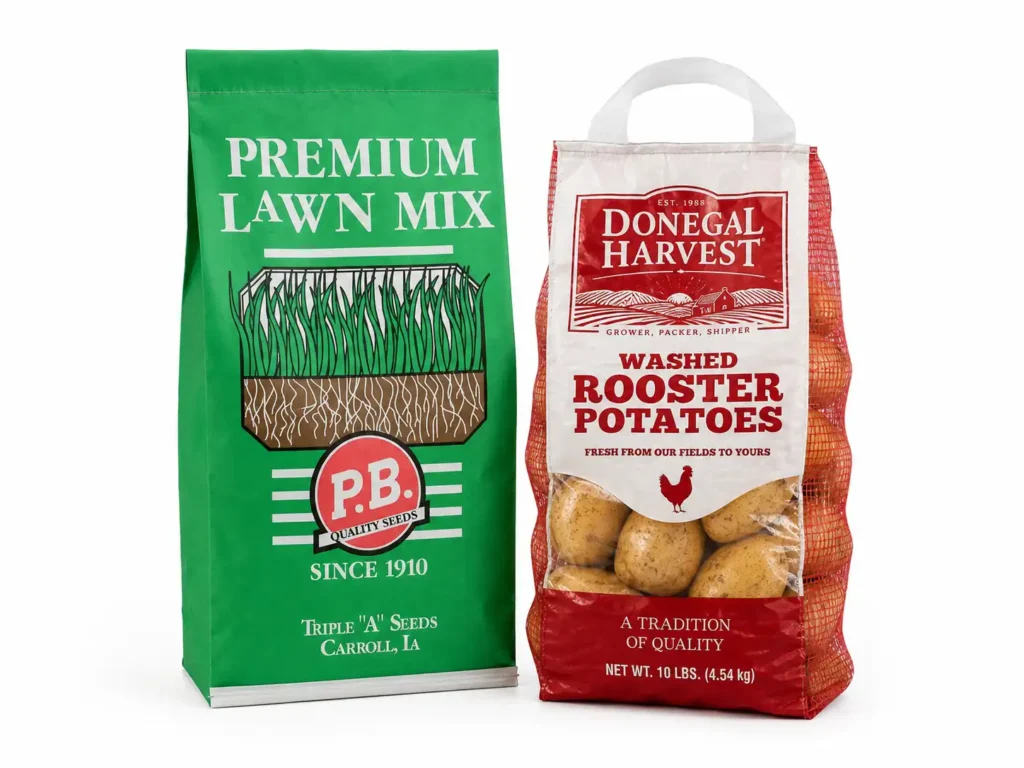
VIDEPAK Product Analysis: Multiwall Paper Bags for Filling, Protection, Storage, and Brand Value
Industrial packaging looks simple only from a distance. Up close, every fold has a purpose, every paper ply performs a task, and every closure affects filling speed, dust control, pallet shape, storage life, and customer experience. Well-designed Multiwall Paper Bags do more than hold powder or granules. They connect the packing line to the warehouse, the warehouse to transportation, and transportation to the final user.
From the VIDEPAK product perspective, the most effective bag is not automatically the bag with the greatest number of paper layers. It is the bag whose structure, materials, dimensions, barriers, venting design, and closing method work together. A stronger paper cannot correct an unsuitable filling opening. A fast filling system cannot correct poor air release. A premium graphic cannot correct an unstable pallet. The package must work as one system.
The central design principle
Choose the bag around the product and the packing process—not the other way around. Product density, particle size, moisture sensitivity, oil content, filling temperature, required packing speed, transport distance, and end-user opening method should be defined before the final construction is approved.
How Multiwall Paper Bags Create Functional Strength
A layered package, not merely a thicker package
In industry terminology, “multiwall” describes a flexible shipping sack made from more than one paper ply or from paper combined with another protective layer. During manufacturing, separate webs are brought together and formed into a flat or gusseted tube. Depending on the selected bag style, the tube may then receive a sewn end, a pasted end, stepped plies, a filling sleeve, perforations, a coating, or an internal barrier.
A typical VIDEPAK construction may use two, three, four, or more functional plies, but ply count alone is an incomplete measure of performance. One ply can provide tensile strength. Another can improve drop resistance. Another can support printing. A coated ply can reduce moisture or grease transfer. A free-film liner can offer a stronger barrier. The best Multiwall Paper Bags therefore use “the right wall in the right place”: protection inside, strength through the body, and print quality outside.
Inner Ply
Touches or faces the packed product and may be selected for cleanliness, heat sealing, grease resistance, or compatibility with a liner.
Middle Ply
Adds load-bearing strength and can carry a barrier film without changing the outside appearance.
Outer Ply
Provides rub resistance, surface friction, visual quality, product information, and the primary printing face.
Filling method determines the main structural family
Industrial paper sacks generally fall into two broad filling groups. An Open Mouth bag is filled from the top by gravity, compression, belt, auger, or another vertical delivery method, after which the customer closes the mouth. A Valve bag is filled through a corner sleeve or opening by a horizontal filling spout. The packed product then helps close the sleeve, or an additional sealing step provides a more positive closure.
This distinction changes the whole line. An Open Mouth format gives the packer direct access to the full top opening and supports several closing choices. A Valve format supports compact, highly automated powder filling and can leave the top and bottom faces factory formed. Neither family is universally superior. One favors broad access and closure flexibility; the other favors controlled spout filling and streamlined handling.
Structural Options: From Open Mouth Flexibility to Valve Efficiency
Satchel Bottom Open Mouth: stability with a heat-sealable top
The Satchel Bottom Open Mouth format, often described as a Webb-style pinch bag, combines a formed rectangular base with a wide filling mouth and a pinch-sealable top. In practical terms, it brings together two useful ideas: the standing and palletizing advantages associated with a square or Block Bottom base, and the clean top closure associated with a stepped pinch design.
During filling, the formed base opens into a stable footprint. This helps the bag remain upright, makes it easier to present the mouth to a vertical filling system, and encourages a more regular filled shape. After dosing and settling, the top is folded, and pre-applied hot-melt adhesive is activated by controlled heat and pressure. There is no sewing needle passing through the final top, which can improve sift resistance when the seal geometry and operating settings are correctly matched.
This structure is especially valuable when both presentation and protection matter. Pet nutrition, food ingredients, specialty chemicals, powdered additives, and higher-value dry products often need a package that looks ordered rather than loose, stands rather than collapses, and seals rather than exposes a stitched line. The trade-off is that the customer needs compatible pinch-closing equipment and stable control of temperature, fold position, pressure, and dwell time.
Best reason to select this structure
Choose Satchel Bottom Open Mouth when a customer wants the broad filling access of an Open Mouth package, the tidy footprint of a Block Bottom, and a top closure without sewing holes.
Pinch Bottom Open Mouth (PBOM): clean sealing with efficient material use
A Pinch Bottom Open Mouth bag is normally supplied with one end factory closed and the opposite end open for filling. Its paper plies are stepped so that, after filling, the longer section folds over the shorter section. Heat reactivates the factory-applied adhesive, and pressure creates a broad multi-ply bond. Industry manufacturing descriptions identify this stepped overlap as the basic mechanism behind the strong pinch closure.
PBOM is frequently gusseted. When filled, the bag develops a rectangular body, although its end geometry is usually less box-like than a formed satchel base. Compared with sewing, the pinch closure can produce a cleaner visual line and stronger control of fine-particle sifting. Compared with a full Valve format, PBOM retains a large top opening, which can be helpful for materials that do not move easily through a narrow filling sleeve.
The format also offers useful barrier-design freedom. A PE-coated inner ply, heat-sealable film, grease-resistant sheet, odor barrier, or removable liner can be integrated according to product requirements. For a sensitive powder, this means that the paper structure provides mechanical strength while the selected barrier manages moisture, grease, aroma, or product migration. Industry guidance recognizes the pinch-bottom sack as a flat or gusseted Open Mouth construction capable of highly secure sealing.
PBOM performs best when the top seal is treated as an engineered process rather than a simple fold. Too little heat may leave the adhesive underactivated. Excessive heat may affect the paper, film, ink, or coating. Uneven pressure can create open channels. VIDEPAK therefore considers the customer’s closer design, operating speed, hot-air pattern, and required freeboard when setting the top geometry.
Sewn Open Mouth (SOM): the adaptable industrial workhorse
A Sewn Open Mouth bag is supplied with one factory-closed end and a flush-cut top. After the product enters through the full mouth, the packer passes the top through a sewing head. The design can be flat or gusseted, and the sewn line may incorporate crepe tape, filler cord, an easy-open strip, or tape-over-sewing for additional reinforcement and sift control.
SOM is often the most practical choice for customers who value equipment simplicity, broad product compatibility, and closure economy. It handles grains, seeds, feed materials, resin pellets, minerals, and many dry products that do not demand an airtight top. The wide opening supports fast gravity filling, while the sewing line can tolerate some variation in product density and headspace.
Its limitation is visible and functional: a needle creates holes. Threads, tape, and filler cord can reduce leakage, but a basic sewn closure is not identical to a continuous adhesive or heat seal. For dusty, highly hygroscopic, odor-sensitive, or contamination-sensitive products, VIDEPAK may recommend an internal liner that is separately heat sealed before the paper top is sewn, or a different bag style altogether.
SOM also requires attention to the final user. A correctly designed easy-open feature can make the package convenient to empty, while an unsuitable thread direction or damaged pull tape can frustrate opening. A low-cost closure that causes product loss, complaints, or slow handling is not truly economical. Economy should be measured across the full use cycle.
Pasted Valve Stepped End (PVSE): compact filling for powders and fine materials
A Pasted Valve Stepped End bag is largely completed at the factory. Both ends are pasted into compact rectangular forms, while a corner Valve sleeve remains available for the filling spout. Product enters horizontally through this sleeve. As the sack reaches the designed fill level, internal product pressure helps flatten or close the sleeve; paper inserts, thermoplastic sleeves, tuck-in designs, or heat-sealable options can provide additional closure control.
PVSE is strongly associated with fine powders because the controlled filling interface can reduce open exposure around the dosing point. Cementitious materials, dry mortar, minerals, powdered chemicals, starches, and other flowable products can be filled by auger, pressure, impeller, air, vacuum, or fluidized-bed systems according to their bulk density and flow behavior.
The stepped ends and compact finished shape make the format suitable for brick-like pallet patterns. However, the bag must be sized carefully. An underfilled sack may not create enough internal pressure to close a self-closing sleeve effectively; an overfilled sack may place unwanted stress on the ends and distort pallet dimensions. Variations in aeration and bulk density must therefore be considered during sample filling, not after commercial production begins.
The main operational requirement is specialized equipment. A customer already running a compatible spout packer may gain excellent line efficiency. A customer using basic vertical gravity equipment would need a substantial process change. This is why VIDEPAK treats the selection between Open Mouth and Valve as a line-engineering decision, not only as a bag-purchasing decision.
Horizontal Comparison of the Main Bag Structures
The following comparison shows the practical differences between the four structures. The ratings are directional rather than universal because actual performance depends on product properties, paper grade, ply arrangement, closure quality, filling settings, and bag dimensions.
In simple terms: SOM is flexible and economical; PBOM is clean and protective; the satchel pinch format is stable and presentation-focused; PVSE is fast and line-oriented. This contrast is useful, but it should not replace testing. Flexible sacks round out when filled, and calculated dimensions do not always predict the final shape. Industry ordering guidance therefore recommends using product density, filling trials, and pallet requirements to finalize dimensions.
Common specification mistake
Selecting a bag by nominal weight alone can produce a poor result. Twenty-five kilograms of a dense mineral and twenty-five kilograms of an aerated food powder can require very different volume, venting, freeboard, and pallet geometry.
Paper Selection: White, Brown, Extensible, and PE-Coated Kraft
White kraft paper: a clean platform for communication
White kraft paper is selected when surface appearance and graphic contrast carry high commercial value. The lighter background supports clean typography, accurate barcode areas, detailed instructions, and stronger color visibility. For food ingredients, pet products, specialty minerals, or premium industrial materials, the visual effect can suggest cleanliness, order, and consistency.
White paper is not automatically stronger than brown paper. Strength depends on fiber quality, basis weight, machine direction, tear resistance, tensile performance, and tensile energy absorption. It should therefore be specified as an engineering grade, not only as a color. Where rub or moisture exposure is expected, the outer surface may also require a protective finish or carefully selected ink system.
Brown kraft paper: direct, natural, and industrial
Brown kraft paper provides a familiar natural appearance and is widely used for building materials, feed, agricultural products, chemicals, minerals, and other industrial goods. Its darker surface can hide minor handling marks more effectively than a bright white surface, while bold dark inks can create a clear, practical identity.
Brown kraft is often selected when the customer wants a straightforward paper-based presentation without unnecessary visual complexity. However, “brown kraft” covers many grades. Paper source, fiber mix, basis weight, stretch, porosity, wet strength, and surface finish can vary, so color alone should never be used as the technical specification.
Extensible paper: strength through controlled stretch
Extensible paper is engineered to stretch more before rupture. Its benefit is best understood through tensile energy absorption, or TEA, which combines tensile strength and elongation and indicates how much energy paper can absorb before failure. Higher energy absorption can improve resistance to drops, impacts, vibration, and sudden stress during filling and handling.
This does not mean extensible paper is simply “soft.” It is controlled flexibility. When a filled sack hits a surface, the walls must absorb and distribute energy. A brittle sheet can crack quickly; an extensible sheet can deform, share the load, and then resist further tearing. This can allow a carefully engineered bag to achieve strong performance with fewer or lighter plies than a conventional construction, although the result must be proven by filled-bag testing.
Extensible paper is particularly relevant for dense products, long distribution routes, repeated handling, high drop risk, and packages exposed to mechanical shocks. It can also support sustainability goals where better paper performance enables material optimization. Less material is useful only when it still delivers the required protection. Light but weak is wasteful; optimized and proven is efficient.
PE-coated kraft paper: a functional barrier layer
PE-coated kraft paper combines the structural and printable qualities of paper with a polyethylene surface. Depending on where it is placed, the coating can reduce moisture-vapor movement, improve grease resistance, provide a heat-sealable face, or reduce direct contact between the packed product and paper fibers. The industry definition is straightforward: it is paper coated with polyethylene. Its performance, however, depends on coating weight, continuity, pinholes, seal design, and package use.
An inner PE-coated ply can support heat sealing and help protect hygroscopic powders. A middle coated ply can create a barrier while leaving paper on both outer faces. An outer coated surface can provide splash resistance, although it can also affect friction, print adhesion, and recycling pathways. The coating must therefore solve a defined problem rather than being added automatically.
PE-coated paper is not the same as a loose PE liner. A coating is bonded to the paper surface; a free film is incorporated as a separate layer. Free film can provide stronger barrier continuity and can be independently heat sealed, while coated paper may create a simpler, more integrated construction. The right choice depends on shelf-life needs, product risk, filling temperature, desired recyclability, and the customer’s sealing system.
| Paper Option | Primary Advantage | Best-Fit Need | Engineering Watchpoint |
|---|---|---|---|
| White kraft | Print clarity and premium appearance | Retail-facing or information-heavy packaging | Do not treat color as a strength grade |
| Brown kraft | Natural industrial look and broad utility | Feed, agriculture, minerals, chemicals, construction products | Confirm fiber, basis weight, surface, and moisture performance |
| Extensible paper | Improved energy absorption | Drop resistance, transport stress, material optimization | Validate through filled-bag trials |
| PE-coated kraft | Moisture, grease, or heat-seal functionality | Sensitive powders, oily products, sealed liners | Balance barrier, sealing, friction, and recycling needs |
Barrier, Venting, Printing, and Quality-Control Design
Protection must match the actual product risk
Moisture is not the only barrier question. Some products absorb water. Some release oil. Some carry odor. Some are sensitive to oxygen. Some create dust. Others contain fine particles that can travel through tiny closure channels. VIDEPAK therefore builds the material specification around the dominant risk, then checks whether the proposed barrier changes filling, air release, sealing, or recycling.
For example, a highly porous all-paper bag can release displaced air quickly during filling, but it provides limited resistance to outside moisture. A continuous film improves barrier performance, but it can trap air and slow filling unless venting is engineered. Perforations may be added under the Valve area or across selected zones, yet excessive perforation can weaken barrier performance. Protection and breathability pull in opposite directions; good design brings them into balance. Paper sack manufacturing guidance confirms that perforations are frequently introduced to release air during powder filling.
Printing is part of performance
The outer ply must communicate while surviving conversion, filling, stacking, transportation, and warehouse contact. Brand colors, handling symbols, legal text, batch fields, barcodes, and opening instructions must remain readable after the package has been flexed and rubbed. The artwork should therefore be tested on the intended white or brown surface, with realistic ink coverage and seam positions.
Structural lines also shape graphic design. A gusset can hide text when the bag is empty and reveal it when filled. A Block Bottom can create an extra communication panel. A pinch fold can cover part of the top artwork. The Valve end may require product direction marks for packing operators. Packaging graphics should follow the bag geometry, not fight it.
Quality must be tested at material, bag, and filled-package levels
Paper testing may include basis weight, moisture content, tensile strength, elongation, TEA, tear resistance, burst resistance, porosity, and surface properties. Converted-bag controls may include dimensions, ply sequence, glue position, seam integrity, bottom formation, sleeve size, perforation pattern, print registration, and seal activation. Filled-package validation may include filling trials, drop tests, compression behavior, leakage observation, pallet testing, and transport simulation.
Paper performs best within a controlled moisture range. Industry guidance notes that excessively dry paper becomes brittle, while very high moisture can reduce stiffness and create other storage risks. For packing operations, approximately 50–60% relative humidity at about 70°F, or 21°C, is commonly identified as a favorable condition for maintaining paper flexibility.
Efficient Storage and Pallet Management
Empty bags: preserve their converting quality
Empty Multiwall Paper Bags should remain wrapped until they are needed and should be stored in a clean, covered, well-ventilated area. Direct floor contact should be avoided, especially where condensation, cleaning water, or ground moisture may be present. Bags should also be kept away from heaters, steam pipes, strong sunlight, sharp projections, chemical odors, and contamination sources.
Storage that is too dry can make paper less flexible at the filling and closing station. Storage that is too humid can alter dimensions, stiffness, glue behavior, and surface quality. Barrier constructions may also require more time to regain moisture balance than all-paper structures. Controlled warehouse conditions are therefore not an optional housekeeping detail; they are part of bag performance.
Filled bags: build the pallet as a load system
Filled sacks should be stacked flat and arranged in an interlocked pattern where practical. Bag edges should remain flush with pallet edges, because unsupported overhang exposes the package to compression, snagging, and impact. Industry handling guidance recommends interlocking alternate tiers and limiting unavoidable overhang to no more than one inch.
The correct stack height depends on bag strength, product compression sensitivity, pallet condition, warehouse regulations, transport mode, and storage time. A dense mineral may tolerate pressure but stress the lower sacks through weight. A soft or aerated powder may deform and cause the stack to lean. A product that cakes under pressure may require fewer layers even when the paper sack itself remains intact.
Storage flow for VIDEPAK Multiwall Paper Bags
Transportation: remove the small hazards first
Many failures begin with ordinary objects: a raised nail, a broken pallet board, a sharp conveyor edge, grit on a truck floor, or excessive impact at a transfer point. Handling equipment and transport surfaces should be smooth, clean, dry, and free from projections. Filled sacks should not be dragged or lifted with hooks, and end closures should not receive severe drops.
For long routes, export shipments, humid climates, or repeated handling, the construction may require stronger paper, more positive closures, higher barrier performance, anti-slip treatment, or additional pallet stabilization. The cheapest bag at the factory gate can become the most expensive bag after leakage, repacking, downtime, or product rejection. Packaging cost must therefore be compared with the value of protected product and uninterrupted delivery.
VIDEPAK’s Specification Path for a Reliable Commercial Bag
As a professional Multiwall Paper Bags manufacturer, VIDEPAK approaches customization as a sequence of connected decisions. The first question is not “white or brown?” It is “what must the package survive?” The second is not “how many plies?” It is “what task must each ply perform?” The third is not “which bag looks best?” It is “which bag works with the customer’s line, pallet, route, and user?”
Typical industrial sack capacities can extend from relatively small commercial packs to approximately 20–110 pounds, but dimensions should remain custom because flexible bags round out and respond differently to product density. Ordering guidance recommends defining the fill weight, bag style, face width, gusset, finished length, ply sequence, sleeve configuration, perforation, print, pallet, and transport requirements before production.
A sample that looks correct while empty is not enough. VIDEPAK recommends checking how the bag enters the filler, how quickly air escapes, how the product settles, whether the top remains clean, whether the closure aligns consistently, whether the filled faces remain printable and readable, and whether the final shape fits the intended pallet pattern. The package must be judged while working.
VIDEPAK selection summary
Satchel Bottom Open Mouth is the choice for a stable, standing bag with a clean pinch-sealed top.
Pinch Bottom Open Mouth is the choice for broad filling access and strong adhesive closure without sewing holes.
Sewn Open Mouth is the choice for versatility, straightforward equipment, and economical closure.
Pasted Valve Stepped End is the choice for controlled spout filling, powders, compact shape, and automated line efficiency.
The correct industry term is Block Bottom, although the misspelled search phrase Block botttom is sometimes used by international buyers. In either case, the concept refers to a formed rectangular base that improves standing behavior and helps create a regular filled footprint. A Block Bottom is not itself a complete filling method; it may be combined with an Open Mouth top, pinch closure, or Valve construction.
Ultimately, effective Multiwall Paper Bags are built through balance. Strength without flexibility may crack. Barrier without venting may slow the line. speed without closure control may create dust. Premium print without pallet stability may arrive damaged. VIDEPAK aligns structure with material, material with machinery, machinery with storage, and storage with market expectations.
The result is not simply a paper sack. It is a filling tool, a protective system, a transport unit, and a visible promise that the product inside will reach its destination in the condition the customer expects.
- VIDEPAK Product Analysis: Multiwall Paper Bags for Filling, Protection, Storage, and Brand Value
- How Multiwall Paper Bags Create Functional Strength
- Structural Options: From Open Mouth Flexibility to Valve Efficiency
- Horizontal Comparison of the Main Bag Structures
- Paper Selection: White, Brown, Extensible, and PE-Coated Kraft
- Barrier, Venting, Printing, and Quality-Control Design
- Efficient Storage and Pallet Management
- VIDEPAK’s Specification Path for a Reliable Commercial Bag
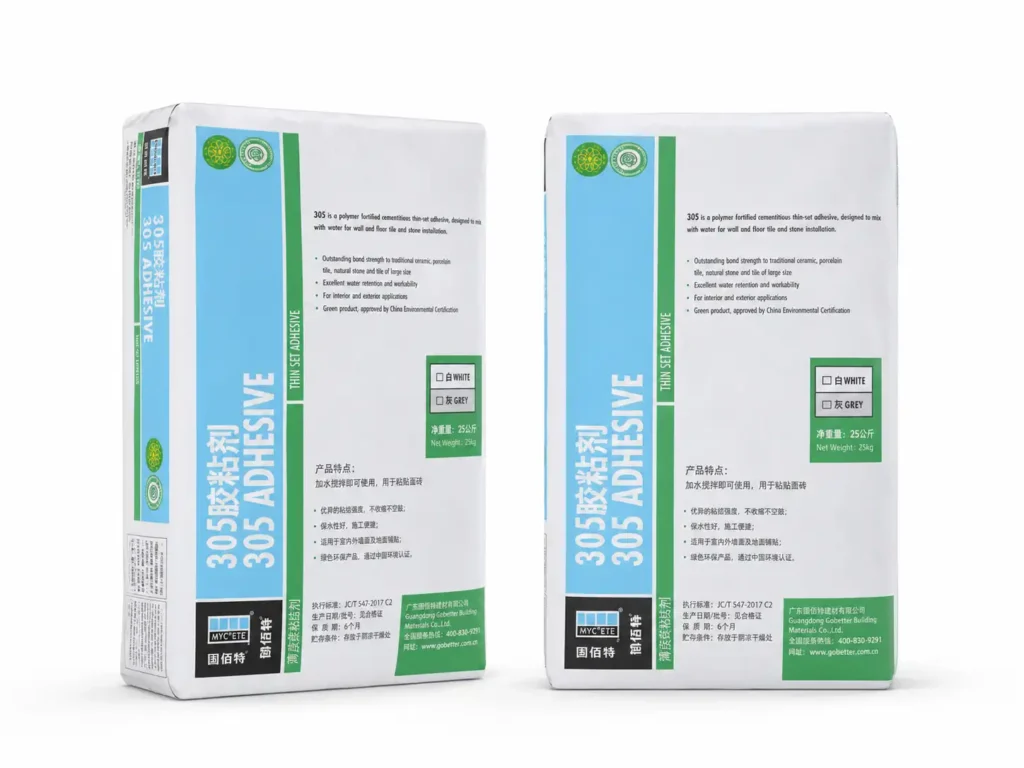
In this article, we answer a critical question for bulk packaging buyers: How can businesses optimize the storage of multiwall paper bags while ensuring their structural integrity and cost-efficiency? We reveal that proper storage hinges on three pillars: material quality control, environmental management, and stacking protocols. Supported by VidePak’s 30+ years of industry expertise, we provide actionable data, case studies, and technical benchmarks to empower your decision-making.
1. The Foundation of Quality: VidePak’s Rigorous Material Sourcing
1.1 Supplier Vetting and Compliance
VidePak’s multiwall paper bags begin with certified raw materials. Every supplier undergoes a three-stage audit:
- ISO Certification: Suppliers must hold valid ISO 9001 (Quality Management) and ISO 14001 (Environmental Management) certifications.
- Technical Capability: Production capacity audits ensure suppliers can meet global demand (e.g., minimum 10,000 MT/year for paper pulp).
- Market Reputation: Third-party platforms like Alibaba and industry forums are analyzed for supplier reliability scores.
Multiwall Paper Valve Bags Manufacturing
Complete production process and structural design guide for multiwall paper valve sacks.
Check More →Pasted Open Mouth Paper Bags Applications
Wide industrial uses and engineering advantages of open-mouth multiwall paper packaging.
Check More →Multiwall Paper Bags Types & Structure
Full analysis of types, structure, materials and performance differences of multiwall paper bags.
Check More →What Are Multi-Ply Kraft Paper Bags
Basic introduction, structure features and application scenarios of multi-ply kraft paper bags.
Check More →For example, VidePak partners with BASF and Sinopec for polyethylene (PE) coatings, ensuring moisture resistance aligns with ASTM D779-22 standards.
1.2 Raw Material Testing
Every batch undergoes:
- Melt Flow Index (MFI) Testing: Ensures polymer consistency (target MFI: 4–8 g/10 min for PE coatings).
- Tensile Strength: Paper substrates are tested to achieve ≥8 kN/m (MD) and ≥4 kN/m (CD) per ISO 1924-2.
- Visual Inspections: Reject rates for defects (e.g., pinholes, uneven lamination) are kept below 0.5%.
Case Study: In 2023, VidePak rejected 12 batches (1.2% of total) due to MFI deviations, preventing $480K in potential client losses.
2. Multiwall Paper Bags: Technical Parameters and Customization
2.1 Key Product Specifications
VidePak’s multiwall bags are engineered for industries like cement, chemicals, and agriculture. Standard configurations include:
| Parameter | Typical Value | Testing Standard |
|---|---|---|
| Layers | 3–6 plies | ISO 535:2014 |
| Basis Weight | 70–150 gsm | TAPPI T410 |
| Burst Strength | ≥200 kPa | ISO 2758:2014 |
| Moisture Resistance | ≤5% absorption (24h) | ASTM D6701 |
Custom options:
- Lamination: BOPP films for UV resistance.
- Printing: Up to 8 colors with Pantone-matching accuracy (ΔE ≤2).
2.2 Storage Best Practices
- Temperature Control: Maintain 15–25°C to prevent adhesive degradation.
- Humidity: Keep RH ≤60% to avoid ply delamination.
- Stacking: Limit pallet height to 2.5m (prevents bottom-layer compression).
Real-World Example: A Chilean fertilizer client reduced warehouse damage by 40% after adopting VidePak’s vertical stacking guidelines.
3. Efficiency in Action: VidePak’s Manufacturing Edge
3.1 Production Capacity
With 100+ circular looms and 30+ lamination machines, VidePak produces 220 million bags annually. Key advantages:
- Lead Time: 18–25 days for custom orders (30% faster than industry average).
- Sustainability: 98% PP reuse rate in production scrap.
3.2 Global Compliance
Bags meet:
- EU REACH (no SVHC chemicals).
- US FDA CFR 21 for indirect food contact.
4. FAQs: Addressing Buyer Concerns
Q1: How do multiwall bags compare to woven PP bags in cost?
A1: Multiwall paper bags cost $0.12–$0.18/unit (vs. $0.20–$0.30 for woven PP) but offer superior printability and biodegradability.
Q2: Can bags withstand maritime humidity during shipping?
A2: Yes. VidePak’s PE-coated variants achieve <3% moisture uptake (tested at 85% RH for 72h).
Q3: What’s the MOQ for custom designs?
A3: 50,000 units, with design support from VidePak’s in-house team.
5. Conclusion
Multiwall paper bags are a strategic choice for businesses prioritizing cost, sustainability, and branding. VidePak’s vertically integrated supply chain and ISO 9001-certified processes ensure unmatched consistency. For bulk orders or technical consultations, contact us at info@pp-wovenbags.com.
References
- VidePak Company Profile (2024).
- ASTM International. (2023). Standard Test Methods for Tensile Properties of Paper and Paperboard.
- Alibaba Supplier Audit Reports (2023).
External Links
- Learn more about BOPP laminated woven bags for enhanced durability.
- Explore kraft paper bag innovations in sustainable packaging.
Contact
Website: https://www.pp-wovenbags.com/
Email: info@pp-wovenbags.com
Data validated as of June 2024. Specifications subject to product customization.