
- What Are Custom PP Woven Bags? Definitions, Aliases, Features, Processes, and Uses
- PE Extrusion‑Coated Route for Custom PP Woven Bags: Flexographic Print Systems and Logistics Reality
- BOPP‑Laminated Route for Custom PP Woven Bags: Reverse‑Gravure Aesthetics, Shelf Appeal, and Machineability
- Kraft‑Laminated Route for Custom PP Woven Bags: Paper Aesthetics with Woven Backbone
- Decomposing the Printing Challenge for Custom PP Woven Bags into Manageable Sub‑Problems
- Engineering Parameters and Quality Controls for Custom PP Woven Bags
- Standards and Compliance Landscape for Custom PP Woven Bags
- Industry Playbooks: Customization Patterns for Custom PP Woven Bags by Sector
- Sustainability and the Road Ahead for Custom PP Woven Bags
- Decision Filters for Specifying Custom PP Woven Bags
- Implementation Checklist for Launching Custom PP Woven Bags from RFQ to First Pallet
- Worked Mini‑Cases for Custom PP Woven Bags: From Problem Statements to Quantified Wins
- Comparative Matrix for Custom PP Woven Bags: Printing Route vs. Performance
- Reference Data Table for Custom PP Woven Bags (Copy‑Ready for RFQs)
- Market Context and Problem Statement
- What Are Custom PP Woven Bags? Definitions, Aliases, Features, Process, and Uses
- Method: Turning a Packaging Brief into an Engineering Plan
- Result: Why Custom PP Woven Bags Outperform in Real Supply Chains
- Discussion: Horizontal and Vertical Thinking
- Sub‑Problems that Define Performance (and How to Solve Them)
- Printing and Protection Routes for Custom PP Woven Bags
- Industry Patterns and Everyday Sightings
- Evaluating Proficiency in Woven‑Bag Engineering
- Quotation Logic: Getting Apples‑to‑Apples Offers
- Supplier Evaluation for Quality and Turnaround
- Materials and Sustainability: What Can We Use—and Reuse?
- Why Large Production Runs Favor Custom PP Woven Bags
- The Role of Finish and COF in Real Utility
- From Problem to Solution to Measurable Result
- Everyday Examples that Make the Category Visible
- Where to Start
What Are Custom PP Woven Bags? Definitions, Aliases, Features, Processes, and Uses
Custom PP Woven Bags are high‑strength packaging made by weaving oriented polypropylene tapes and then converting the fabric into sacks tailored for specific loads, supply‑chain stresses, and branding needs. In cross‑border trade and factory catalogs, they also appear under aliases such as poly woven sacks, woven poly bags, BOPP‑laminated woven bags, paper‑poly (Kraft‑laminated) woven sacks, and PE‑coated woven bags. Why do buyers keep returning to Custom PP Woven Bags? Because the format marries toughness with cost control, and—once the surface is engineered correctly—delivers reliable, vivid graphics.
Features of Custom PP Woven Bags. They are light yet strong, stiff yet foldable, printable yet abrasion‑resistant. A single sack can handle 5–50 kg (and beyond for specialty lines) while remaining stackable, pallet‑friendly, and resistant to puncture. With lamination or liners, they manage moisture; with micro‑perforation, they vent gas; with anti‑slip finishes, they lock pallets; with UV stabilization, they survive outdoor storage. Put simply: strength, stability, printability, economy—a quartet that explains their adoption from agriculture to retail.
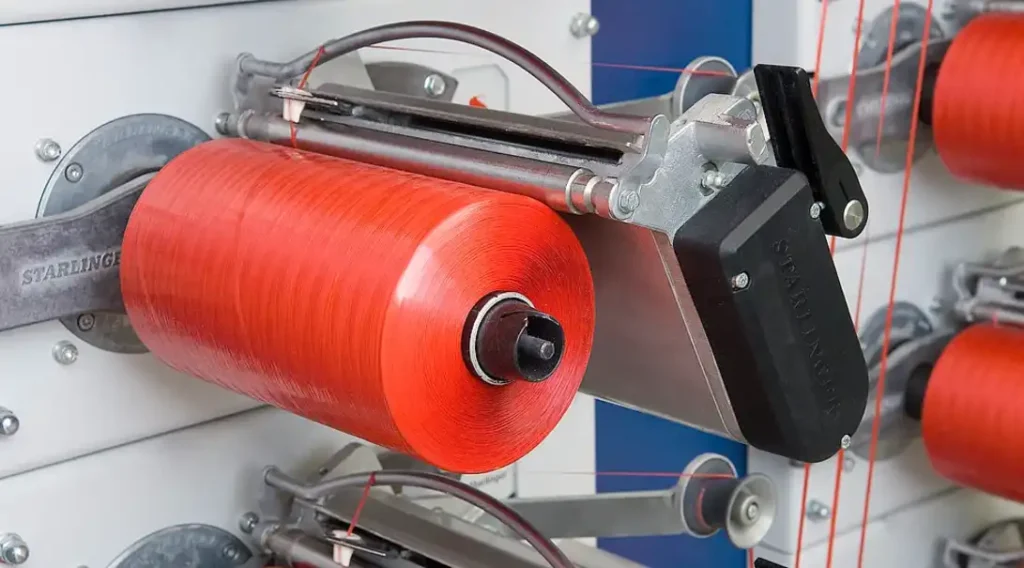
How are Custom PP Woven Bags manufactured? Think of a five‑stage system whose outputs must dovetail. First, polypropylene is extruded into films, slit, and stretched into tapes—the orientation step that gives mechanical strength. Second, tapes are woven on circular or flat looms; weave counts (e.g., 10×10–14×14 picks/inch) and denier (e.g., 700D–1200D) define the fabric’s baseline physics. Third, the surface is upgraded—via PE extrusion coating, BOPP lamination (with reverse printing), or Kraft‑paper lamination—to create a printable face and, when needed, a barrier. Fourth, conversion turns rolls into bags: cutting, gusseting, valve sleeve insertion, sewing or heat sealing, pinch‑bottom or block‑bottom formation, perforation patterns, EZ‑open tapes, handles. Fifth, quality controls validate tensile, tear, drop resistance, dart impact, print adhesion, coefficient of friction, and dyne levels.
What are the uses of Custom PP Woven Bags? The portfolio is broad: rice and grain, flour and sugar, pet food and animal feed, fertilizers and seeds, cement and mortar, resins and chemicals, minerals and salt, charcoal and solid fuels, wood pellets, retail promotions, humanitarian relief goods. The list illustrates a spectrum—from food to heavy industry—where the same woven platform is tuned to very different risks.
Looking for a single gateway to the category? Here is a starter resource anchored on Custom PP Woven Bags: Custom PP Woven Bags.
PE Extrusion‑Coated Route for Custom PP Woven Bags: Flexographic Print Systems and Logistics Reality
Ink does not love bare polyolefins. That is the perennial challenge with Custom PP Woven Bags, and the PE‑coated route addresses it head‑on. By extrusion‑coating LDPE/LLDPE (commonly 18–40 μm) onto the woven fabric and then raising surface energy via corona treatment (targeting roughly 38–42 dynes), we create a receptive canvas for 4–8‑color flexographic printing. Why does this route remain a workhorse for industrial sacks? Because logistics is unromantic: dust, abrasion, forklift drag, and outdoor exposure test prints as much as graphics departments do.
Problem → Solution → Result. The problem: rough, low‑energy fabric that beads ink and scuffs. The solution: a PE skin with tuned dyne level, a stable ink system (solvent, water‑based, or UV as your press dictates), and optional over‑varnish or matte/gloss texture. The result: clean solids, crisp barcodes, and graphics that survive concrete yards and fertilizer sheds. Yes, gloss levels trail BOPP; yet COF control and toughness often make this route the pragmatic choice when unit cost and abrasion resistance dominate.
Data reinforcement. Typical fabrics for this route run 70–140 g/m² with 10×10–12×12 picks/inch and 700D–1200D tapes. Coating thickness in the 20–40 μm window improves print lay and stiffness while keeping bags compliant on high‑speed lines. UV stabilization—from a few hundred to 2000 hours—extends storage life where sacks sit outdoors.
Case analysis. A cement producer replaced multiwall paper with PE‑coated Custom PP Woven Bags specified at 12×12 weave, ~110 g/m² fabric, and 30 μm coat. Once anti‑slip bands were added, line stoppages due to pallet slide nearly vanished. The buyer accepted slightly flatter imagery compared to BOPP but recorded fewer scuff complaints and lower overall spend. In salt distribution, the same route reduced carton staining and kept text legible after truck‑bed abrasion.
Comparative research. Against BOPP‑laminated options, the PE path loses in photo‑real halftones yet often wins in rugged handling and price. Against Kraft‑laminated structures, it trades away the “paper look” for superior wet strength and simpler polyolefin recycling pathways.
BOPP‑Laminated Route for Custom PP Woven Bags: Reverse‑Gravure Aesthetics, Shelf Appeal, and Machineability
When brand story and shelf conversion matter—premium rice, flour, pet food—BOPP earns its keep. Reverse printing places ink behind the film, as if “under glass,” and gravure cylinders deliver microscopic control over tonal transitions. The laminated structure—BOPP 15–35 μm on 70–120 g/m² woven fabric—balances gloss or matte‑registered looks with excellent scuff and moisture resistance.
Problem → Solution → Result. The problem: consumer graphics that must endure long hauls, warehouse stacking, and human hands. The solution: reverse‑printed BOPP (8–12 colors typical, HD screens, metallic accents if compatible), optional matte/gloss registration, micro‑perforations to vent air in hot‑fill or powdery applications, and anti‑slip stripes to stabilize pallets. The result: photo‑grade packaging that runs well on automated fillers and resists rub.
Data reinforcement. Many lines settle at 20–25 μm BOPP for a balance of clarity and stiffness. Total laminate weights between ~95 and 160 g/m² cover most 5–50 kg formats. Where outdoor exposure is expected, UV masterbatch and light‑fast inks protect both graphics and sacks.
Case analysis. A 10‑kg jasmine rice brand moved to BOPP‑laminated Custom PP Woven Bags with block‑bottom geometry. Graphics shifted from flat blues to photographic grain close‑ups; returns due to scuffing dropped measurably, and sell‑through rose in warehouse clubs. Pet‑food fillers reported fewer “pillowed” bags once micro‑perfs were tuned, allowing trapped air to escape without leaking kibble aroma.
Comparative research. Versus PE‑coated flexo, BOPP offers superior halftones, richer blacks, and gloss control—but at higher cylinder cost and tighter prepress control. Versus Kraft‑laminated builds, it sacrifices the warm paper tactility for wet‑strength resilience and transparent protective layers.
Kraft‑Laminated Route for Custom PP Woven Bags: Paper Aesthetics with Woven Backbone
Not every brand wants plastic’s sheen. Some categories—charcoal, agricultural premixes, seed blends—signal credibility through matte paper textures. Kraft‑laminated Custom PP Woven Bags serve that message: offset or flexo on 60–120 gsm paper laminated to 70–110 g/m² woven fabric, optionally with a poly inner liner. The outcome: a paper‑like face for typography and solids, supported by a woven substrate that resists rips.
Problem → Solution → Result. The problem: multiwall paper tears during rough handling; graphics scuff; moisture creeps in. The solution: Kraft on the outside for design language, PP woven inside for strength, reinforced pinch bottoms, matte or soft‑touch varnish, and liners where humidity demands. The result: sacks that look artisanal yet behave industrially.
Data reinforcement. Paper gauges at 70–100 gsm are common for 10–20 kg bags; offsets presses deliver sharp text and color blocks; scuff performance depends on varnish chemistry and logistics routes. Recycling outcomes depend on local systems; some buyers specify easy‑separate laminations or take‑back programs.
Case analysis. A charcoal brand trading into DIY chains replaced multiwall paper with Kraft‑laminated Custom PP Woven Bags at 80 gsm paper over 100 g/m² fabric. Customer complaints about ripped corners fell by over a third. The brand’s “natural” positioning remained intact thanks to the tactile paper face.
Comparative research. Compared with BOPP, Kraft structures provide a warmer handfeel and deep matte but lower wet strength. Compared with PE‑coated prints, they deliver higher print resolution on typography, though usually at higher basis weight and with more nuanced recycling claims.
Decomposing the Printing Challenge for Custom PP Woven Bags into Manageable Sub‑Problems
Printing is never one problem; it is a stack of small ones. Treat Custom PP Woven Bags like a system and each constraint becomes negotiable.
Ink anchorage on non‑polar surfaces. Polyolefins are chemically inert; inks want to bead. Raise surface energy (corona treatment), pair the ink with the correct resin/primer, and validate dyne decay during storage. What if dyne level drops below target? Expect rub failures and barcode misreads. The solution is procedural—measure and document.
Abrasion and moisture. Logistics hurts beautiful things. Reverse printing under BOPP shields art; over‑varnishes and tough PE coats protect flexo prints; liners add barrier where necessary. Consider COF management too—pallet stability is graphics protection by another name.
Filling geometry and venting. Dust, air entrapment, and bag “pillowing” hurt throughput and shelf shape. Micro‑perforation patterns, valve sleeves, gusset geometries, and block‑bottom conversions are not mere options; they are levers for speed and presentation.
Sustainability and end‑of‑life. Multi‑material delivers performance but complicates recycling. Where feasible, choose mono‑polyolefin builds (PP fabric + BOPP or PP‑friendly tie layers) and specify inks/adhesives aligned to recognized recyclability frameworks. If the market demands a paper face, evaluate separable laminations and closed‑loop take‑back.
Regulatory and audits. Food‑adjacent lines should map to FDA 21 CFR and EU 10/2011, and plants should operate under ISO 9001/22000, FSSC 22000, or BRCGS Packaging Materials—buyers ask, and auditors verify. Put test methods in POs: ASTM D882 (tensile), D1709 (dart), D1922 (tear), D1894 (COF), plus drop tests.
Engineering Parameters and Quality Controls for Custom PP Woven Bags
Below is a consolidated specification table you can paste into RFQs or data sheets. Ranges are practical, not theoretical, and should be validated on your filler and pallet geometry.
| Parameter | Typical Range | Why it matters |
|---|---|---|
| Fabric weave | 10×10 to 14×14 picks/inch | Denser weave improves print lay, powder retention, and drop resistance |
| Tape denier | 700D–1200D common; up to 1500D | Higher denier raises tensile/tear for heavy fills or rough handling |
| Fabric GSM | 60–160 g/m² | Balances strength and cost; confirm with drop tests |
| PE coat (if used) | 18–40 μm | Enables flexo print; stiffens bag; improves rub resistance |
| BOPP film (if used) | 15–35 μm | Reverse‑printed for photo‑quality; gloss/matte control |
| Kraft layer (if used) | 60–120 gsm | Paper aesthetics; crisp text; scuff depends on varnish |
| Outside COF | 0.25–0.50 | Pallet stability vs. machineability; anti‑slip bands as needed |
| UV stabilization | 200–2000 h | Outdoor storage survivability |
| Perforation | micro 0–2.0 mm patterns | Venting for hot‑fill or dusty powders; avoid product leak |
| Closures | sewn SOM, valve, pinch‑bottom | Match to filler interface and leak tolerance |
| Liners | 20–60 μm HDPE/PP | Moisture, fat, and aroma control |
Quality regimen. Implement incoming QC for resin, masterbatch, and paper/BOPP webs; in‑process dyne checks after treatment; on‑line COF readings for anti‑slip bands; lab‑scale dart and tear tests per shift; print adhesion tape tests every roll change. A system beats heroics.
Standards and Compliance Landscape for Custom PP Woven Bags
Auditors and importers care about numbers. Custom PP Woven Bags destined for food or feed should be produced in sites certified to ISO 9001 and a food‑safety scheme such as ISO 22000, FSSC 22000, or BRCGS Packaging Materials. For materials in contact with food, map each layer to a regulatory path—PP under FDA 21 CFR 177.1520; laminating adhesives under 21 CFR 175.105; EU plastics under 10/2011 with overall migration typically capped at 10 mg/dm². For bulk industrial sacks, GB/T 8946‑2013 remains a widely cited baseline in Asian supply chains. Document it once, reuse it often; compliance reduces friction and accelerates onboarding.
Industry Playbooks: Customization Patterns for Custom PP Woven Bags by Sector
Rice & grain. Shelf appeal fights with scuff. BOPP‑laminated Custom PP Woven Bags at 20–25 μm film over 90–110 g/m² fabric, with block‑bottom geometry and center‑gusset printing, often win the aisle. Micro‑perfs prevent “pillowing,” anti‑slip stripes stabilize pallets, and EZ‑open tapes keep kitchens clean.
Pet food & animal feed. Greasy formulas and aroma retention call for inner liners and high‑opacity whites. Valve or SOM formats depend on your packer; micro‑perfs help hot‑fill throughput. Carry handles and reclose aids elevate convenience in retail channels.
Fertilizers & seeds. UV, loader abrasion, and price pressure dictate PE‑coated flexo prints on UV‑stabilized tapes. Darker colorways hide dust; valve sacks speed filling; anti‑slip zones prevent pallet slide in open yards.
Cement, mortars & minerals. Very abrasive products punish weak prints. Heavier fabrics, 30 μm PE coats, and simple high‑contrast graphics (4–6 colors) make a reliable recipe. COF control avoids “pallet surfing” on smooth film.
Charcoal & solid fuels. The brand story is “natural.” Kraft‑laminated Custom PP Woven Bags bring the paper look with fewer ruptures than multiwall paper. Venting and reinforced pinch bottoms handle erratic handling at depots.
Chemicals, resins & additives. Compliance and traceability rule: clean print zones for SDS panels and QR codes, lot serialization, and inks verified by tape test. Moisture control via liners prevents caking and keeps barcodes scannable.
Sustainability and the Road Ahead for Custom PP Woven Bags
The future is not a slogan; it is a bill of materials. Buyers are asking what happens after use. Custom PP Woven Bags can answer credibly when designed as mono‑polyolefin structures—PP fabric with BOPP faces or PE coats—that align with established PP flexible recycling streams where available. Where brands pursue renewable content or carbon accounting, bio‑attributed or chemically recycled PP under mass‑balance certification (e.g., ISCC PLUS) allows claims without sacrificing mechanics. If the brief demands paper tactility, plan for separable laminations or B2B take‑back rather than wishful recycling.
Market behavior hints at two converging trends: SKU smallization (more graphics variants, lower MOQs) and tougher compliance audits. The first nudges converters toward smarter prepress (cylinder‑sharing strategies, HD screens for flexo, matte‑registered BOPP looks). The second elevates documentation—Declarations of Compliance for EU plastics, detailed substance listings, and chain‑of‑custody statements for mass‑balance inputs. In both cases, specification discipline becomes a competitive edge.
Decision Filters for Specifying Custom PP Woven Bags
Ask the right questions and the route often chooses itself. Is the graphic ambition photographic? Gravure on BOPP. Is the environment wet or abrasive? PE‑coated or BOPP. Do you need a paper aesthetic to signal natural origins? Kraft‑laminated—with a plan for scuff protection and recycling narrative. What about unit economics across many SKUs? Flexo plates and cylinder‑sharing schemes can temper costs. Finally, where will the sack live—in a retail aisle, on a dock, or in an open yard? Context decides.
Implementation Checklist for Launching Custom PP Woven Bags from RFQ to First Pallet
Define the use scenario (product, fill weight, storage climate, export markets). Choose the printing route and surface finish (gloss, deep matte, matte‑registered). Lock the mechanics—bag size, weave/GSM, lamination gauge, perforation plan, closures. Align regulatory paths and gather documentation. Write a test plan with numeric targets. Decide on sustainability claims and how to evidence them. Approve pre‑production proofs and check dyne levels on treated webs. During first runs, watch filler speed, bag shape, pallet stability, and damage rates—and close the loop quickly.
Worked Mini‑Cases for Custom PP Woven Bags: From Problem Statements to Quantified Wins
Fertilizer, 50‑lb format. Problem: field scuffing and UV exposure over a summer season. Solution: 12×12 weave, 1000D tapes, ~110 g/m² fabric; 30 μm PE coat; 6‑color flexo with anti‑slip bands; UV stability rated 800–1200 h; micro‑perfs for venting. Result: recorded scuff complaints fell by roughly a third; pallet collapse incidents dropped to near zero; filler kept its pace.
Premium rice, 10‑kg retail. Problem: paper sacks collapsing and graphics degrading. Solution: BOPP 20 μm reverse‑gravure (10 colors) on 90 g/m² fabric; block‑bottom; center‑gusset print; EZ‑open tape. Result: a measurable lift in sell‑through against a flexo control and a visible reduction in rub‑related returns.
Charcoal, 10–15 kg. Problem: tears in multiwall paper during peak season. Solution: Kraft 80 gsm laminated to 100 g/m² PP fabric; offset print; reinforced pinch bottom; optional inner liner; micro‑perfs. Result: reported burst defects down by more than 40%; stores praised the sturdier stack.
Comparative Matrix for Custom PP Woven Bags: Printing Route vs. Performance
| Criterion | PE‑coated + Flexo | BOPP‑laminated + Gravure | Kraft‑laminated + Offset/Flexo |
|---|---|---|---|
| Photographic graphics | △ | ◎ | ○ |
| Rub/scuff resistance | ○ | ◎ | ○ (with varnish) |
| Wet strength | ○ | ◎ | △ |
| Unit cost (mid‑runs) | ◎ | ○ | ○ |
| Plate/cylinder MOQs | ○ | △ | ○ |
| Matte tactile feel | △ | ○ (matte‑reg) | ◎ |
| Recycling alignment (mono‑PO) | ○ | ○ | △ (paper‑poly) |
Legend: ◎ excellent ○ good △ fair.
Reference Data Table for Custom PP Woven Bags (Copy‑Ready for RFQs)
| Item | Typical Values for 5–50 kg Bags | Practical Notes |
|---|---|---|
| Bag size (W×L) | 300–600 mm × 500–1100 mm | Match to bulk density and pallet patterns |
| Fabric weave | 10×10, 11×11, 12×12, 14×14 | Finer powders or higher drops → denser weave |
| Tape denier | 700D, 850D, 1000D, 1200D, up to 1500D | Outdoor storage and heavy fills favor higher denier |
| Fabric GSM | 60–160 g/m² | Optimize vs. dart/drop and cost |
| PE coat | 18–40 μm | Enables flexo print; adds stiffness |
| BOPP film | 15–35 μm | Reverse‑printed; matte/gloss options |
| Kraft layer | 60–120 gsm | Offset/flexo printing; matte handfeel |
| Colors | Flexo 4–8; Gravure 8–12; Offset 1–8 | Balance artwork ambition vs. budget |
| Outside COF | 0.25–0.50 | Add anti‑slip bands for pallet stability |
| UV stability | 200–2000 h | Specify storage duration and region |
| Perforation | Micro 0–2.0 mm patterns | For hot‑fill/venting without product leak |
| Closures | Sewn SOM, valve, pinch‑bottom | Define filler interface early |
| Liners | 20–60 μm (HDPE/PP) | Oil/fat/moisture control |
The fastest way to move from specification to procurement is to state the route (PE‑coated/BOPP/Kraft), the weave/GSM pair, the film or paper gauge, the COF window, and the test method targets—all in one page. Buyers appreciate clarity; operators appreciate predictability.
Market Context and Problem Statement
Custom PP Woven Bags sit at the intersection of strength, cost control, and brand storytelling. Buyers ask for packaging that resists puncture, tolerates moisture, stacks safely, runs on high‑speed fillers, and still looks good after a thousand miles of handling. The problem is not one thing but many: low surface energy that resists ink, abrasion that erodes graphics, inconsistent pallet stability, and uneven sustainability claims. The task, then, is to engineer a coherent system where materials, printing, and conversion decisions reinforce each other and close the loop from specification to delivery.
What Are Custom PP Woven Bags? Definitions, Aliases, Features, Process, and Uses
Custom PP Woven Bags are sacks made by weaving oriented polypropylene tapes, then upgrading the surface for print and barrier, and finally converting rolls into finished bags. In catalogs you will also see poly woven sacks, woven poly bags, BOPP‑laminated woven bags, Kraft‑laminated woven sacks, and PE‑coated woven bags—different faces of the same woven backbone. Features include high tensile and tear strength relative to weight, good stackability when gusseted or block‑bottomed, tunable moisture protection via films or liners, and stable machinability on automated fillers. The process runs from resin extrusion and tape stretching to loom weaving; from surface engineering (PE coating, BOPP lamination, or Kraft lamination) to cutting, gusseting, sewing or heat sealing, perforation planning, and the addition of easy‑open or anti‑slip features. Typical uses include rice and grains, flour and sugar, pet food and animal feed, fertilizers and seeds, cement and mortars, salts and minerals, resins and chemicals, charcoal and solid fuels, and wood pellets. For a concise primer anchored on Custom PP Woven Bags, see this resource: Custom PP Woven Bags.
Method: Turning a Packaging Brief into an Engineering Plan
The method mirrors a scientific experiment. Define the product (bulk density, oil or moisture behavior), the environment (indoor retail, outdoor yard, export lanes), and the brand ambition (industrial signal vs. premium shelf appeal). Translate these into levers: weave density and fabric GSM for mechanical strength; surface route (PE coat, BOPP, or Kraft) for print and barrier; COF windows for pallet stability; micro‑perforation patterns for venting; and UV stabilization when storage is sunny and long. The plan is validated through test methods—tensile, tear, dart impact, print adhesion, and drop simulations—so that the first production run behaves like the pilot.
Result: Why Custom PP Woven Bags Outperform in Real Supply Chains
The woven structure distributes loads without the weight penalty of rigid containers. Films and papers on top provide printable faces; liners manage humidity and aroma; anti‑slip bands suppress pallet slide. The result shows up as fewer scuff complaints, better barcode reads, more stable stacks, and a package that can be lifted, tossed, and sold without drama. When the system is tuned, Custom PP Woven Bags offer a clean blend of durability, appearance, and unit economics.
Discussion: Horizontal and Vertical Thinking
Horizontally, compare categories: rice wants photography and scuff resistance; fertilizers need UV endurance and price discipline; charcoal needs paper tactility without tears. Vertically, dive into one sector—say, pet food—and the layers multiply: grease staining, aroma retention, hot‑fill venting, reclose expectations. The same platform adapts by swapping surface routes, adjusting GSM, and refining geometries. In practice, Custom PP Woven Bags thrive because they let procurement, operations, and marketing pull on different strings without switching materials families.
Sub‑Problems that Define Performance (and How to Solve Them)
Ink anchorage on non‑polar polyolefins: raise surface energy with corona treatment and match ink/primer chemistry to the chosen face (PE or BOPP). Abrasion and moisture: place ink under film with reverse‑printed BOPP or protect flexo prints with over‑varnish; add liners for dusty or hygroscopic fills. Filling geometry and venting: prevent “pillowing” with micro‑perfs and choose valve or block‑bottom for speed and square‑ness. Pallet stability: specify outside COF bands in the target range and test on your stretch‑wrap settings. End‑of‑life: prefer mono‑polyolefin builds (PP fabric + BOPP or PE) where regional recycling streams exist; if a paper face is essential, plan separable laminations or B2B take‑back.
Printing and Protection Routes for Custom PP Woven Bags
PE‑coated flexographic: the workhorse for rugged applications. A thin LDPE/LLDPE coat creates an ink‑friendly face once treated to ~38–42 dynes, enabling 4–8‑color prints with good rub resistance and attractive unit cost. BOPP‑laminated gravure: the premium choice for photo‑quality branding. Reverse printing puts ink behind the film “like under glass,” delivering gloss or matte‑registered effects and excellent scuff protection. Kraft‑laminated offset/flexo: the tactile, natural look that many “eco‑coded” categories prefer; pair with reinforced pinch bottoms and varnishes to protect graphics during rough handling. Each path is legitimate; the right answer depends on the problem you’re solving.
Industry Patterns and Everyday Sightings
In retail aisles, 5–10 kg rice and flour show why BOPP matters: photos sell. On farms and in co‑ops, fertilizers and seeds remind us that UV and abrasion punish optimistic specs, so PE‑coated prints on UV‑stabilized tapes win on ruggedness. At home‑improvement stores, charcoal sacks communicate “natural” through Kraft faces yet lean on woven PP for tear resistance. Walk a warehouse, a port, a feed mill—Custom PP Woven Bags are everywhere because they balance functional risk with visual clarity.
Evaluating Proficiency in Woven‑Bag Engineering
Proficiency is the ability to turn a one‑page brief into a testable, repeatable specification. Ask vendors to state weave count, tape denier, fabric GSM, film or paper gauges, COF targets, UV hours, dyne levels after treatment, and the exact test methods to be used (ASTM D882 for tensile, D1709 for dart impact, D1922 for tear, D1894 for COF). A competent supplier will respond with numbers, not adjectives, and will show how they check dyne decay over storage and verify print adhesion after conversion.
Quotation Logic: Getting Apples‑to‑Apples Offers
Many quotations look cheaper only because a parameter is missing. Avoid that trap by freezing the printing route, weave/GSM pair, film or paper gauge, bag geometry, perforation plan, and test targets before asking for price. If you expect outdoor storage, state the desired UV stabilization window. If pallets have slipped in the past, set a COF range. If you run hot‑fill, specify micro‑perfs. With a clean spec, bids for Custom PP Woven Bags will converge and negotiations will revolve around delivery and service rather than re‑engineering.
Supplier Evaluation for Quality and Turnaround
Quality is a process, not a promise. Favor plants certified to ISO 9001 and a recognized food‑safety scheme (ISO 22000, FSSC 22000, or BRCGS Packaging Materials) when food or feed is involved. Ask about in‑line dyne checks, on‑press COF control, and per‑shift lab tests for dart and tear. For turnaround, look at cylinder or plate lead times, film or paper inventory depth, and loom capacity. Suppliers who can produce both PE‑coated and BOPP/Kraft‑laminated Custom PP Woven Bags reduce your risk when demand shifts between industrial and retail channels.
Materials and Sustainability: What Can We Use—and Reuse?
The backbone is polypropylene tapes, stabilized with UV masterbatch where needed. Faces include PE coats for flexo or BOPP films for gravure; liners are PP or HDPE depending on barrier needs. From a sustainability lens, mono‑polyolefin designs align with established PP flexible recycling streams in many regions, while mass‑balance options (e.g., bio‑attributed or chemically recycled PP under ISCC PLUS) allow credible climate claims without compromising mechanics. When paper tactility is non‑negotiable, consider easy‑separate laminations so the paper and plastic can part ways later.
Why Large Production Runs Favor Custom PP Woven Bags
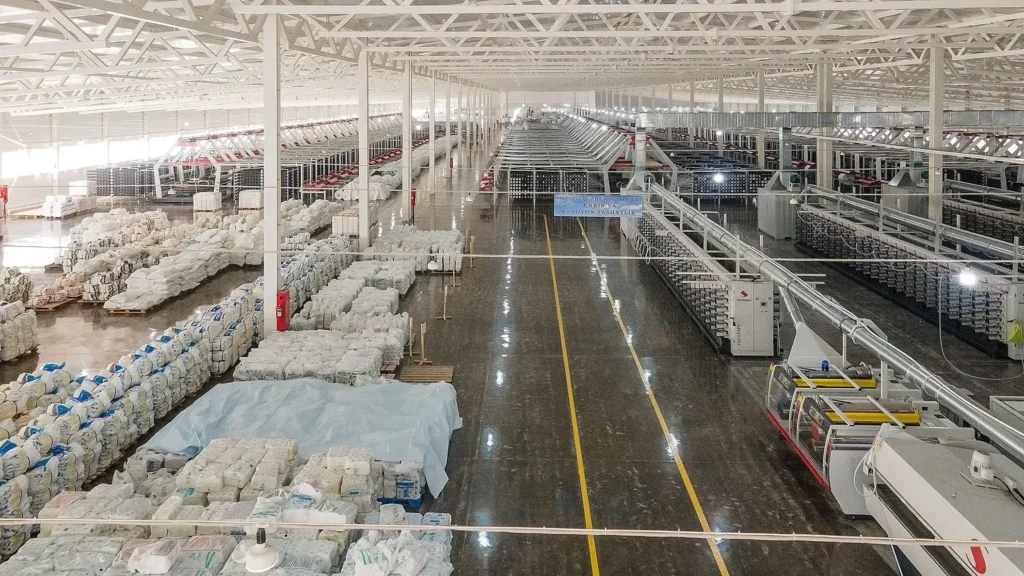
Scale loves predictability. Looms run efficiently at steady denier and weave counts; extrusion and lamination lines deliver consistent film thickness; printing cylinders or plates amortize better over long runs. In distribution, the lower weight per package reduces freight, and the ruggedness reduces returns. The economics get even better when artwork families share cylinders or when flexo plates cover multiple SKUs with disciplined color strategies.
The Role of Finish and COF in Real Utility
Surface roughness, strictly speaking, is not the right metric for bags; utility hinges on friction, not micro‑machining. Specify coefficient of friction windows that match your conveyor speeds and pallet wrap. Matte‑registered BOPP or anti‑slip lacquers can localize higher friction to the zones that touch stretch film, while leaving other panels smooth for shelf appeal. In short, finishing is not decoration—it is logistics engineering.
From Problem to Solution to Measurable Result
A fertilizer brand reports pallet slides in outdoor yards—problem. The team specifies 12×12 weave, ~110 g/m² fabric, 30 μm PE coat, anti‑slip bands targeting outside COF 0.35–0.45, and UV stabilization to 800–1200 hours—method. Complaints fall by a third and forklift incidents drop—result. Post‑season review shows COF maintained after three months of storage and print rub improved—discussion. Repeat this loop for rice, pet food, charcoal, or chemicals, and you will see the same pattern: a precise spec turns Custom PP Woven Bags into predictable assets.
Everyday Examples that Make the Category Visible
Open a pantry in Southeast Asia and you will find 5–10 kg rice packs with crisp photography—that is BOPP on woven PP. Visit a co‑op in North America and you will see fertilizer and seed sacks with bold flexo graphics on PE‑coated faces. Check the grill aisle in Europe and you will see Kraft‑laminated woven charcoal bags that look artisanal but refuse to tear. These everyday sightings are not accidents; they are the outcomes of choices made at the spec table.
Where to Start
If you need a single entry point for sampling, spec templates, and common sizes, this guide is a practical anchor: Custom PP Woven Bags. Use it to align marketing goals, plant capabilities, and compliance requirements before your next RFQ.
References (selected, non‑exhaustive):
- BRCGS Packaging Materials, Issue 7.
- FSSC 22000 v6 Scheme Overview and Requirements.
- EU Regulation No. 10/2011 on plastic materials intended to come into contact with food.
- U.S. FDA 21 CFR 177.1520 (Olefin polymers) and 21 CFR 175.105 (Adhesives).
- ASTM D882 (Tensile Properties of Thin Plastic Sheeting); ASTM D1709 (Impact Resistance of Plastic Film by the Free‑Falling Dart Method); ASTM D1922 (Propagating Tear of Plastic Film); ASTM D1894 (Static and Kinetic Coefficients of Friction of Plastic Film and Sheeting).
- GB/T 8946‑2013 Plastic Woven Sacks—General Technical Requirements.
- RecyClass Design for Recycling Guidelines for PP Flexible Packaging.
- Typical supplier data sheets on PP woven fabric GSM, tape denier, COF ranges, and UV stabilization options for Custom PP Woven Bags (industry catalogs and trade portals).