
What is Leakproof Woven Bags?
Leakproof Woven Bags—sometimes called sift‑proof PP woven sacks, leak‑tight pinch‑top woven bags, or dust‑tight polypropylene woven bags—are purpose‑built packages for fine powders and friable granulates that must stay in the bag, not in the air. They unite an oriented polypropylene (PP) woven substrate with a barrier stack and a closure system engineered to shut down every likely escape route: stitch holes, seam laps, valve throats, and mouth folds. The promise seems simple—fill fast, seal clean, ship far, arrive spotless—but the execution requires a calibrated system spanning resin choice, fabric architecture, coatings/laminations, and seam science.
Horizontally, consider the neighbors. Multi‑wall paper speaks “natural,” yet humidity wicks through edges and fines trace the seams. Mono‑film PE FFS tubes seal beautifully, though tall stacks can creep and faces scuff. Rigid bins are leak‑tight, but freight and storage costs balloon. Leakproof Woven Bags reconcile the trade‑offs: woven strength for puncture resistance, film‑like sealing for cleanliness, compact lay‑flat storage for logistics. For portfolio mapping, benchmark Leakproof Woven Bags beside valve and pinch‑top formats to decide where dust control, line speed, or cost of goods carries more weight.
Vertically, trace cause to effect. Resin isotacticity governs drawability; drawability sets tape modulus; modulus and tape width flow into fabric GSM and mesh; fabric and seam design determine drop performance and stack creep; coatings, laminations, and liners tune air and moisture permeability; closures—pinch‑top heat seals, ultrasonic welds, sift‑proof stitches—decide what escapes and what stays. In short, Leakproof Woven Bags are not merely containers; they’re engineered ecosystems.
What is the features of Leakproof Woven Bags?
Features become meaningful when they eliminate known failure modes: sifting at stitch lines, caking from moisture ingress, leaning pallets in heat, label scuff at transfer points. The architecture of Leakproof Woven Bags is a set of targeted countermeasures.
Sift‑proof seam engineering. Chain or lock stitches are paired with filler cords to occlude needle channels; double‑fold geometries extend the tortuous path for migrating fines. Where stitches are undesirable, pinch‑top adhesive systems or ultrasonic seams create hermetic edges without perforations. Result: cleaner pallets, cleaner aisles, cleaner air.
Barrier stack on a woven backbone. The woven core provides tear resistance and puncture tolerance; the barrier does the sealing. PE/PP extrusion coatings (≈ 18–30 g/m²) lower permeability and improve ink holdout; optional BOPP (18–25 µm) or kraft‑paper laminations add abrasion resistance and photo‑quality print while protecting graphics behind film. For hygroscopic powders, loose or tubular PE liners (20–40 µm) form a second wall.
Valve choices for speed and hygiene. Internal or external valves, with dust‑tight sleeves or heat‑activating flaps, allow gravity/air/impeller packers to run quickly without aerosolized product. The geometry matters: sleeve length, overlap width, and activation temperature are tuned to the powder’s flow index and the packer’s impulse profile.
Stack stability that preserves the seal. Anti‑slip emboss or spray targets COF ≈ 0.5–0.7, keeping columns plumb with less wrap tension—reducing side loads on closures. Block‑bottom and gusseted bodies square the footprint for better cube and shelf‑standing, which also shields seams from abrasion.
Print that travels well. Reverse‑printed BOPP traps ink behind film, resisting scuff and solvent rub; on coated fabrics, CI flexo up to 6 colors yields crisp regulatory panels and batch codes. We watch color ΔE so consecutive lots remain visually consistent—because branding should not drift with ambient humidity.
Compliance & sustainability designed in. Leakproof Woven Bags can be specified with food‑contact‑appropriate inks and low‑odor solvents in regulated categories. As monomaterial PP systems, fine‑filament downgauging reduces resin per unit; for non‑food duties, controlled rPP blends can be introduced while safeguarding tensile and seam targets. Leak‑tight and lightweight can coexist.
What is the production process of Leakproof Woven Bags?
Quality is not inspected into a package; it is produced into it—meter by meter, seam by seam. From material procurement to final pallet, Leakproof Woven Bags follow a disciplined chain where upstream control creates downstream predictability.
1) Material procurement & incoming QC. We source 100% new PP grades with stable melt flow and isotactic index to support uniform tape drawing. Supplier lots are verified for MFI window, ash content, moisture, and additive package (UV, anti‑fibrillation). Pigments are checked for dispersion to prevent weak points and color banding.
2) PP tape extrusion & drawing. Film is extruded, slit into tapes, and hot‑drawn to align polymer chains—raising specific strength. Draw ratio sets tensile modulus and elongation; quench and anneal lock width and crystallinity. SPC on tape width and denier keeps loom inputs in spec, avoiding fabric zippering and uneven porosity.
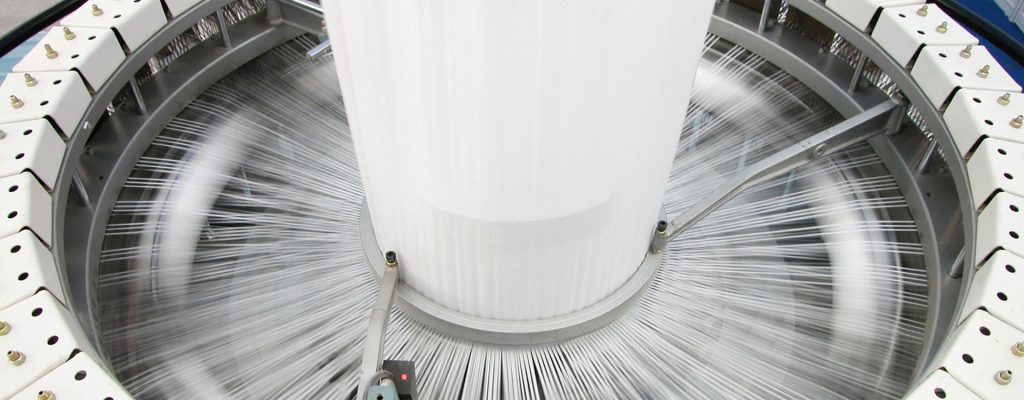
3) Weaving on circular/flat looms. Over 100 circular looms interlace warp and weft to meshes typically 8×8–14×14 at 70–120 g/m² for 10–50 kg sacks. Loom tension is balanced to reduce skew and produce a flat lay‑flat—a prerequisite for accurate lamination register and straight mouth folds.
4) Coating & lamination. A PE/PP melt curtain (≈ 18–30 g/m²) lowers permeability and builds a printable face. For premium scuff resistance and photographic branding, reverse‑printed BOPP (18–25 µm) or kraft is laminated. Adhesion “windows” are validated: too cool starves bonds; too hot relaxes fabric or mutes film gloss. Peel tests confirm bond integrity.
5) Printing. Corona treatment elevates surface energy; high‑linecount CI flexo (coated fabrics) or gravure (films) lays down solids and fine type. Registration is controlled through tension‑managed web paths; ΔE color checks hold brand hues; barcode and microtext are validated for scan reliability.
6) Conversion & seam science. Fabric is cut to length, gussets or block‑bottoms formed, and seams closed. Sift‑proof stitches employ filler cords; pinch‑top adhesives or ultrasonic welds are applied per specification; valve sleeves are inserted and heat‑stabilized. Mouth geometry, stitch density, thread selection (PP/HDPE), and adhesive basis weight are tuned to powder size distribution and line speed.
7) Functional testing. We verify fabric tensile/tear, seam strength, COF, lamination peel, dimensional tolerance, and filled‑bag drop & stack performance. For leak‑tight duty, sift tests (vibration trays, weighted agitation) and powder retention trials with representative <75 µm powders are run. Where required, odor and migration checks support food‑contact claims; UV stability packages are bench‑aged to the route’s sun exposure.
8) Palletization & preventive protection. Bags are squared, interleaved, and wrapped to a documented recipe that protects closures without over‑tensioning the stack. Pallet patterns and dunnage are specified to the destination’s handling gear.
Throughout, capability is anchored by equipment and by habits: W&H (Germany) and Starlinger (Austria) platforms; 16 extrusion lines, 100+ circular looms, 30+ lamination/printing machines; documented process windows and real‑time checks that keep adhesion, registration, and seam performance inside tight bands—lot after lot.
What is the application of Leakproof Woven Bags?
Where dust control is non‑negotiable and product integrity pays the bills, Leakproof Woven Bags are the default choice.
Fertilizers & agro‑chemicals. Urea, MAP/DAP, SOP/MOP, micronutrients—liners plus sift‑proof seams protect flowability; anti‑slip faces and UV packages keep stacks square in depots that breathe tropical humidity by day and radiant heat by night.
Industrial minerals & pigments. Calcium carbonate, titanium dioxide, silica, iron oxide—coated or laminated faces resist abrasion while closures keep fines off belts and out of bearings. When line speed matters, valve formats with anti‑sift sleeves maintain hygiene without throttling throughput. To match filler geometry, see Leakproof Woven Bags in our valve range.
Food & ingredients. Sugar, flour, starches—pinch‑top or ultrasonic‑sealed builds reduce contamination risk; compliant inks and controlled‑odor solvents support regulatory regimes and sensory expectations.
Dry mixes & construction. Mortar, grout, gypsum, specialty cements—impeller packers love quick fills; anti‑sift sleeve designs curb spout dust; block‑bottom bodies stack square on rough sites.
Recycling & specialty materials. Resin regrind, activated carbon, catalysts—leak‑tight designs simplify housekeeping and inventory control while maintaining OSHA‑friendly air quality.
Global lanes—from the US and Europe to Brazil/South America, Southeast Asia, Japan/Korea, Central Asia, MENA, East & South Africa—impose UV load, humidity swings, mechanized handling, long dwell times. Leakproof Woven Bags answer with tunable levers: mesh/GSM for tear paths, coating weight for humidity, UV package for sunlight, COF for stacking, closure style for dust profile.
Typical Parameters for Leakproof Woven Bags
Ranges below reflect widely available, real‑world specifications. VidePak supports application‑specific customization.
| Parameter | Typical Range / Option | Notes (for Leakproof Woven Bags) |
|---|---|---|
| Fabric mesh | 8×8 – 14×14 | Strength/printability balance for leak‑tight duty |
| Fabric weight (GSM) | 70 – 120 g/m² | Tuned to fill weight & drop targets |
| Tape denier | 700D – 1000D | Correlates with tensile & puncture resistance |
| Coating weight | 18 – 30 g/m² (PE/PP) | Lowers permeability; improves dust control |
| Lamination film | BOPP 18 – 25 µm or kraft | Photo‑quality face; scuff resistance |
| Liner options | PE 20 – 40 µm (loose/tubular) | Hygroscopic powders & aroma control |
| Mouth/closure | Pinch‑top / Ultrasonic / Sift‑proof sewn | Choose hermeticity vs. flexibility |
| Valve type | Internal / External; anti‑sift sleeve | Speed with dust control |
| Bag width | 350 – 600 mm | Wider bodies for 40–50 kg class |
| Bag length | 500 – 1,100 mm | Matched to bulk density & filler setup |
| COF (stacking) | ≈ 0.5 – 0.7 | Anti‑slip emboss/spray to target window |
| UV stability | 200 – 400 h | Outdoor staging profile dependent |
| Printing | Flexo up to 6 colors; Gravure 8–10 with BOPP | Registration‑controlled branding |
| Load capacity | 10 – 50 kg | Depends on GSM, seams, & safety factor |
Why VidePak
Founded in 2008, VidePak’s core team brings 30+ years of woven‑packaging experience and a workforce of 568. We manufacture Leakproof Woven Bags alongside BOPP woven bags, valve bags, and kraft‑paper woven composites using 100% new raw materials to stabilize mechanical properties and color outcomes. Our platform—W&H printing/conversion and Starlinger tape & loom lines—spans 16 extrusion lines, 100+ circular looms, and 30+ lamination/printing machines. With annual sales near USD 80 million and shipments across the US, Europe, Brazil & South America, Southeast Asia, Japan, Korea, Central Asia, the MENA region, East & South Africa, we convert specifications into pallets that behave exactly the way the drawings promise.
If your brief is to cut housekeeping dust, protect flowability, and keep pallets square, specify Leakproof Woven Bags with VidePak. Share your current dimensions, powder profile, packer type, line speeds, and storage conditions—we’ll engineer a like‑for‑like match or a measurable upgrade, and we’ll bring the test data to prove it.
- What is Leakproof Woven Bags?
- What is the features of Leakproof Woven Bags?
- What is the production process of Leakproof Woven Bags?
- What is the application of Leakproof Woven Bags?
- Typical Parameters for Leakproof Woven Bags
Leakproof woven bags are the ultimate solution for industries demanding durable, customizable, and sustainable packaging. These bags offer a wide range of custom features, such as valve tops, handles, varying thicknesses, and high-quality printing options, ensuring superior performance across diverse applications.
The Importance of Customization in Leakproof Woven Bags
Customization allows leakproof woven bags to cater to specific industry requirements effectively. This flexibility ensures maximum functionality, durability, and branding impact.
1. Valve Tops and Openings
Valve tops are a game-changer for industries handling powders and granules. These allow efficient filling and sealing, preventing leakage during transportation and storage. Customizable openings adapt seamlessly to both manual and automated filling systems.
2. Handles and Reinforcements
Handles make transport easier, especially for retail or consumer-focused packaging. Reinforcements, such as double-layer stitching and laminated surfaces, enhance strength for heavier loads.
3. Custom Materials and Thickness
- Polypropylene (PP): This widely-used material is known for its durability, moisture resistance, and eco-friendliness.
- Thickness Range: Custom thickness options from 100 GSM to 250 GSM accommodate varying weight and protection needs.
For high-barrier applications, laminated or PE-lined bags prevent moisture ingress and product contamination.
| Customization Option | Benefits |
|---|---|
| Valve Tops | Prevents spillage, ensures efficient filling |
| Handles | Enhances portability |
| Material Blends | Improves moisture and chemical resistance |
| High-Quality Printing | Facilitates branding with durable designs |
Quality Assurance: From Raw Materials to Final Product
1. Sourcing High-Quality Materials
The process begins with procuring virgin polypropylene pellets to guarantee consistency, strength, and recyclability. Quality control measures ensure that raw materials meet stringent standards like ISO and ASTM.
2. Advanced Production Techniques
Leakproof woven bags undergo rigorous testing throughout production:
- Tensile Strength Tests: Verify the ability to withstand heavy loads.
- Seam Integrity Tests: Ensure leakage prevention under stress.
- UV Resistance Tests: Protect bag contents during prolonged outdoor exposure.
3. Meeting Global Standards
Leakproof woven bags designed for food-grade use comply with FDA and EU regulations, ensuring safe contact with edible materials. Adherence to REACH and other international standards guarantees product safety and eco-compliance.
Key Parameters for Leakproof Woven Bags
| Parameter | Specification Range | Purpose |
|---|---|---|
| Thickness | 100 GSM – 250 GSM | Determines strength and durability |
| Bag Capacity | 10 kg – 50 kg | Suited for various industry needs |
| UV Protection Additives | 1% – 3% | Extends lifespan in outdoor storage |
| Seam Strength | ≥ 85% of material tensile strength | Prevents leakage under heavy loads |
| Printing Colors | Up to 8 colors | Enhances branding and regulatory compliance |
Applications Across Industries
1. Agriculture and Chemicals
Leakproof woven bags are essential for fertilizers, seeds, and chemicals. Anti-static options ensure safe handling of volatile materials, while laminated layers prevent contamination and spillage.
2. Food-Grade Packaging
For sugar, flour, and grains, leakproof bags with inner liners provide a high barrier against moisture, extending shelf life and maintaining quality. These bags meet stringent food safety certifications, making them ideal for the food industry.
3. Construction Materials
Leakproof valve bags are widely used for cement, gypsum, and adhesives. Reinforced seams and UV-resistant coatings ensure long-term durability during storage and transit.
Real-World Example:
A leading fertilizer company reduced spillage by 25% and improved operational efficiency by adopting leakproof valve bags with anti-static and moisture-resistant features.
Latest Trends in Leakproof Woven Bags
1. Sustainability
Manufacturers are shifting towards recyclable polypropylene and biodegradable additives to reduce environmental impact. This aligns with global sustainability goals and consumer demand for eco-friendly packaging.
2. Automation Compatibility
Custom designs for automated filling lines, including gusseted structures and precision valve tops, streamline operations and reduce labor costs.
3. Digital Printing for Branding
High-resolution printing technology enables eco-friendly, durable designs that enhance brand visibility and comply with regulatory requirements.
Frequently Asked Questions (FAQs)
Q1: What makes leakproof woven bags ideal for food packaging?
Leakproof woven bags meet stringent food safety standards and include features like inner liners that maintain freshness and prevent contamination.
Q2: Can I customize leakproof bags for automated filling systems?
Yes, valve tops and gusseted designs are tailored for seamless integration with automated machinery.
Q3: Are leakproof woven bags environmentally friendly?
Many manufacturers use recyclable polypropylene and biodegradable options to meet sustainability standards.
Q4: What thickness is suitable for heavy-duty applications?
A thickness of 200 GSM or above is recommended for applications requiring maximum durability and load capacity.
Q5: How can printing options enhance my packaging?
High-quality printing allows you to include branding, product details, and regulatory labels, improving market visibility and compliance.
Insights from the Industry
1. Enhanced Efficiency in Logistics
Valve bags customized for automated filling reduced downtime by 15%, streamlining operations for a major grain exporter.
2. Sustainability Focus
Biodegradable woven bags have seen a 20% rise in demand, driven by regulatory changes and eco-conscious consumers.
Conclusion
Leakproof woven bags offer unparalleled versatility, strength, and customization to meet the needs of diverse industries. From agriculture to construction, these bags deliver reliable performance while aligning with global sustainability standards. By combining advanced materials, customization options, and rigorous quality assurance, leakproof woven bags are poised to remain a cornerstone of modern packaging solutions.