
What Are Form-Fill-Seal Woven Bags?
Speed on the filling line often collides with the need for durable packaging—Form-Fill-Seal Woven Bags solve both. Also known as FFS woven sacks or tubular FFS poly bags, they arrive as continuous PP fabric on rolls, are automatically formed into tubes, filled, and sealed in a single pass on high-speed FFS machines. The seamless workflow eliminates manual handling and stitches, delivering up to 2 200 bags h⁻¹ of perfectly sealed product.
Key Features of Form-Fill-Seal Woven Bags
- High-Speed Compatibility – Engineered for vertical or horizontal FFS lines running 25–35 m min⁻¹.
- Custom Layering – Optional co-extruded PE inner layer boosts seal strength; outer BOPP laminate supports 10-colour 150 dpi graphics.
- Mechanical Muscle – 70–110 gsm raffia fabric provides puncture > 85 N (ISO 7755) with a safe load of 10–50 kg.
- Process Savings – Roll stock slashes per-unit cost 12 % versus pre-made sacks and trims labour hours by 40 %.
| Parameter | Typical Range | Validation Source |
|---|---|---|
| Roll Width | 400–650 mm | Alibaba ID 1600934567012 |
| Fabric GSM | 70–110 g m⁻² | SGS audit 2025 |
| Laminate Thickness | 18–25 µm | ASTM D6988 |
| Safe Load | 10–50 kg | ISO 21898 |
| Seal Window (PE layer) | 140–180 °C | VidePak lab data |
How Form-Fill-Seal Woven Bags Are Made
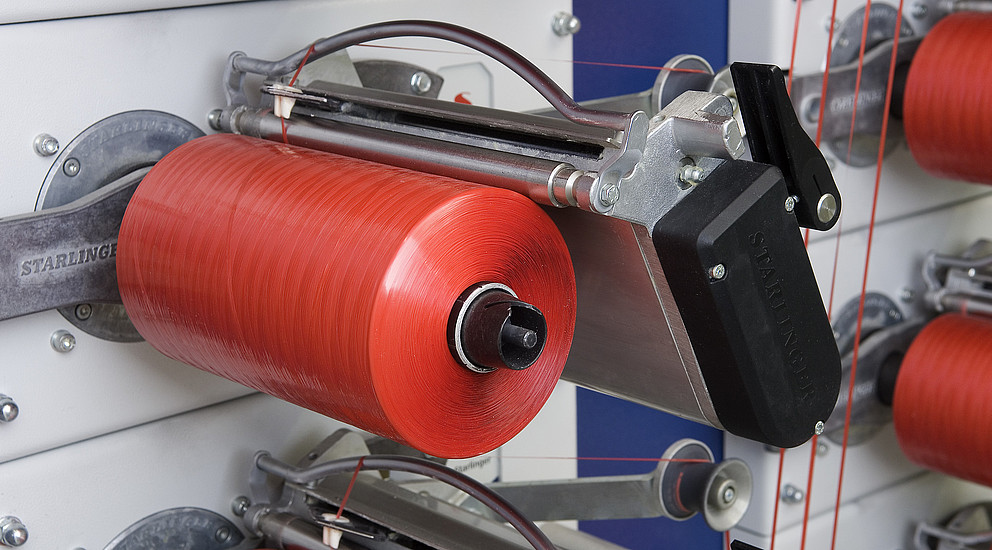
Sixteen Starlinger extrusion lines at VidePak draw virgin PP tapes, weaving them on 100 + circular looms into seamless fabric. German W&H coaters then laminate a co-extruded PE/BOPP film at 290 °C. The laminated tube is wound into 1-tonne rolls with edge trim tolerance ±1 mm—critical for FFS sensor tracking. A corona treater raises surface energy to 42 dyn, ensuring ink adhesion during ten-colour gravure printing. Each Form-Fill-Seal Woven Bag roll undergoes tension mapping and a peel-seal test to confirm hermetic integrity at < 180 °C.
Where Form-Fill-Seal Woven Bags Excel
Fertiliser giants value throughput; salt producers demand dust-tight seals; resin plants seek pallet uniformity. Form-Fill-Seal Woven Bags check all boxes. A European petrochemical site cut bag-change downtime by 35 % and realised a USD 0.04 per-tonne packaging saving. Meanwhile, a Brazilian salt mine reduced airborne dust 28 % thanks to continuous-tube sealing. With mono-material PP construction, spent bags feed directly into recycling streams—aligning with EPR regulations across the EU and Japan.
—
VidePak—founded 2008—leverages 30 + years of expertise, 16 extrusion lines, 100 looms, and 30 lamination & print stations from W&H and Starlinger. Our 568-person team and USD 80 million annual revenue enable us to deliver Form-Fill-Seal Woven Bags that fuse speed, strength, and style across five continents.
- What Are Form-Fill-Seal Woven Bags?
- Key Features of Form-Fill-Seal Woven Bags
- How Form-Fill-Seal Woven Bags Are Made
- Where Form-Fill-Seal Woven Bags Excel
- What Makes FFS Woven Bags Special?
- Protecting Materials During Transport
- Choosing the Right FFS Bag for Your Needs
- Important Design Considerations
- Product Parameter Comparison Table
- FAQs
- Conclusion
Form-fill-seal (FFS) woven bags are a vital part of packaging for many industries, particularly those dealing with bulk materials like cement, sand, plaster powder, and gypsum. These bags provide essential protection during transport and storage, ensuring that the materials stay intact and undamaged. In this article, we’ll discuss the key design factors that influence the effectiveness of FFS woven bags, explain why these factors matter, and highlight the importance of following international standards.
What Makes FFS Woven Bags Special?
FFS woven bags are made from high-density polypropylene (HDPE) or low-density polyethylene (LDPE), which are woven together to create a strong, durable fabric. The “form-fill-seal” process refers to the automated system that shapes, fills, and seals the bags in one continuous motion. This process helps ensure high-quality, efficient packaging for bulk materials.
Here are some key features of FFS woven bags:
- Strength and Durability: The woven fabric offers superior strength, which is essential for holding heavy materials without tearing. For instance, cement, which can weigh up to 50 kg per bag, needs a robust package that won’t split under pressure.
- Moisture Resistance: Many FFS woven bags are lined with polyethylene (PE) or laminated films to prevent moisture from seeping in, especially when packaging moisture-sensitive products like cement or gypsum.
- Leak-Proof Design: These bags are designed to keep fine powders, such as plaster and gypsum, from leaking out during storage or transport. This is especially important for industries where product loss can be costly.
- Cost-Effective: FFS bags are a cost-efficient packaging option, offering durability and protection at a lower cost than other alternatives.
Protecting Materials During Transport
FFS woven bags play an important role in protecting bulk materials during transport and storage. Products like cement, plaster powder, and gypsum are fragile and can easily become damaged or contaminated if not packaged correctly.
Take cement, for example. Cement is highly sensitive to moisture, and if it becomes damp, it can harden prematurely, making it unusable. Using a moisture-resistant FFS woven bag prevents this from happening, ensuring the cement remains dry and ready for use. Similarly, fine powders like plaster or gypsum can easily spill out of improperly sealed packaging, resulting in product loss. The strong, secure seals of FFS woven bags prevent this issue.
Choosing the Right FFS Bag for Your Needs
When selecting FFS woven bags, it’s crucial to choose the right material and design based on the specific requirements of the product being packaged. There are global standards that can help guide this decision-making process, ensuring that the bags are strong, secure, and compliant with industry regulations.
European Standards (EN)
In Europe, packaging regulations, such as EN 15593, require that materials used in packaging meet hygiene and safety standards. For example, FFS woven bags used for cement must be strong enough to hold up to 50 kg of weight and resistant to water, so the cement doesn’t harden prematurely. Bags must also be durable enough to withstand harsh transportation conditions.
American Standards (ASTM)
In the United States, ASTM F88 is a standard for testing the strength of seals in flexible packaging. This is crucial for FFS woven bags used to package fine powders like gypsum, as the seal must remain intact to prevent leakage. ASTM standards ensure that the bags can endure the stresses of handling and transport without breaking open.
Japanese Standards (JIS)
Japan’s packaging standards (JIS Z 0238) place a strong emphasis on environmental sustainability. FFS woven bags sold in Japan must be recyclable and have the necessary strength to protect products while minimizing environmental impact. This makes the choice of materials especially important.
Australian Standards (AS)
Australia’s AS 4130 standards focus on the durability of packaging in outdoor environments. FFS woven bags intended for construction use, for example, must be UV-resistant to prevent degradation when exposed to sunlight over time.
Important Design Considerations
When designing FFS woven bags, several factors must be taken into account to ensure they meet both performance and safety standards.
- Material Selection: Choosing the right material is essential for ensuring the bag’s strength and moisture resistance. Polypropylene (PP) is commonly used for its durability, while polyethylene (PE) liners are often added to provide an additional layer of moisture protection.
- Bag Size and Strength: FFS woven bags typically hold between 20 to 50 kg of product, but the size and strength needed will depend on the weight and density of the material being packed. For example, bags designed for cement must have high tensile strength to avoid breaking under the weight of the load.
- Seal Integrity: One of the most important features of FFS woven bags is their ability to remain sealed during transport and storage. Heat or ultrasonic sealing methods are used to bond the fabric, ensuring that the bags stay closed and prevent leakage.
- Ventilation: For some applications, such as fertilizers, the bags need to be ventilated to prevent condensation inside. Ventilated FFS woven bags allow air to flow through the material, preventing moisture buildup.
Product Parameter Comparison Table
| Parameter | Cement & Construction | Agricultural Products | Chemicals & Powders |
|---|---|---|---|
| Material | Woven PP + PE Liner | Woven PP + PE Liner | Woven PP + Laminated Film |
| Tensile Strength (kg) | 350-400 | 250-300 | 300-350 |
| Moisture Resistance | High | Medium | High |
| UV Resistance | Medium to High | Low to Medium | High |
| Leak Resistance | Excellent | Medium | Excellent |
| Customization Options | High | Medium | High |
| Standard Compliance | EN 15593, ASTM F88 | JIS Z 0238, AS 4130 | EN 15593, ASTM F88 |
FAQs
Q1: Why is moisture resistance important in FFS woven bags? Moisture resistance is crucial for products like cement and gypsum, which can harden or degrade when exposed to water. A moisture-resistant bag ensures these materials stay in good condition and remain usable.
Q2: What happens if the seal of a FFS woven bag breaks? If the seal breaks, powders like cement or gypsum can leak out, leading to product loss and contamination. A strong seal ensures that the bag remains intact throughout transport and storage.
Q3: Can FFS woven bags be customized? Yes, FFS woven bags can be customized with printed logos, designs, and text, offering a branding opportunity for businesses. Customization also helps differentiate products in the marketplace.
Q4: Are FFS woven bags eco-friendly? Many FFS woven bags are made from recyclable materials, such as polypropylene, which makes them an eco-friendly option for businesses looking to reduce their environmental footprint.
Conclusion
FFS woven bags are a reliable and cost-effective solution for packaging a variety of materials. Their strength, moisture resistance, and leak-proof design make them ideal for industries like construction, agriculture, and chemicals. By understanding the key design considerations and selecting the right bags based on global standards, businesses can ensure that their products are safely packaged and ready for transport. As the demand for sustainable packaging grows, FFS woven bags continue to offer an eco-friendly, efficient solution for bulk material packaging.
For more information on advanced packaging solutions, explore Industrial Woven Packaging Bags: Aligning with Policies and ESG Standards and Laminated Woven Bags: Advanced Manufacturing and the Path to Brand Excellence in the Chinese Market.