
What Are Multiwall Laminated Woven Bags?
When classic paper multi-wall sacks meet polypropylene engineering, they evolve into Multiwall Laminated Woven Bags. You may hear buyers call them multi-ply paper-poly sacks or hybrid heavy-duty bags. Structurally, they layer two to four sheets of high-strength kraft outside a PP woven fabric core, all fused with a micro-thin LDPE tie layer. The result: print-friendly kraft aesthetics wrapped around a moisture-proof, tear-resistant skeleton that protects 20–50 kg cargos through rail, sea, and retail journeys.
Key Features of Multiwall Laminated Woven Bags
Multiwall Laminated Woven Bags stand out for four synergistic traits:
- Layered Armor – Burst strength > 1 300 kPa (ASTM D3786) thanks to kraft + PP synergy.
- Moisture Guard – WVTR ≤ 3 g m⁻² day⁻¹ at 38 °C / 90 % RH; far drier than multi-wall paper alone.
- Shelf Appeal – Six-colour flexo on bleached or natural kraft; matte, gloss, or spot-UV varnish compatible.
- Stack Economy – Block-bottom or pinch-bottom format trims pallet creep and gains up to 10 % more units per container.
| Metric | Typical Range | Validation Source |
|---|---|---|
| Width | 350 – 600 mm | Made-in-China ID hD7RkqTzXU4v |
| Length | 500 – 1 100 mm | Alibaba listing #1600878998754 |
| Kraft Grammage / ply | 70 – 90 g m⁻² | SGS Audit 2025 |
| PP Fabric GSM | 60 – 80 g m⁻² | VidePak lab TDS |
| Total Ply Count | 3 – 5 | Internal spec sheet |
| Burst Strength | > 1 300 kPa | ASTM D3786 |
| Safe Load | 20 – 50 kg | ISO 21898 |
How Multiwall Laminated Woven Bags Are Made
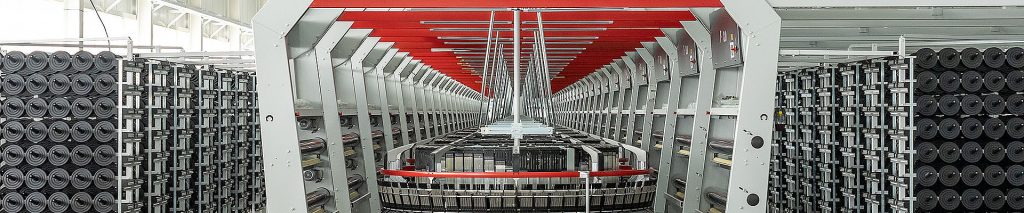
VidePak’s process starts with virgin PP tapes drawn on Austrian Starlinger FX 6.0 extruders, woven on 100 + circular looms at 170 rpm. Parallel lines unwind Nordic kraft rolls, corona-treat to 42 dyn, then feed into German W&H extrusion coaters. A 15 µm LDPE film bonds kraft to PP at 280 °C, forming a breathable yet water-shedding laminate. Multi-ply pasting machines add up to four extra kraft sheets, creating a seamless composite. Flexo presses print six colours at ±0.15 mm registration. Pinch-bottom or block-bottom formers close the bag with eco-friendly starch glue rated for 85 °C hot-fill. Every Multiwall Laminated Woven Bag endures a 0.8 m drop test and a 600 kg pallet compression trial before palletisation.
Where Multiwall Laminated Woven Bags Excel
Animal feed stays crunchy in humid monsoons; cementitious tile adhesive arrives dust-free on construction sites; premium rice enjoys rustic kraft visuals that shoppers trust. Across MENA food-aid corridors, these bags withstand rough logistics yet recycle easily into PP streams after kraft delamination. Brand managers flock to the broad printable panels, while logistics teams applaud the 10 % container-fill boost versus plain multi-wall paper.
—
Since 2008, VidePak has merged 30 + years of expertise with state-of-the-art W&H and Starlinger equipment. Our 16 extrusion lines, 100 looms, and 30 lamination & print units turn out millions of Multiwall Laminated Woven Bags yearly, shipped across the Americas, Europe, Asia, and Africa—reinforcing brands, trimming moisture, and out-competing ordinary sacks in the global marketplace.
- What Are Multiwall Laminated Woven Bags?
- Key Features of Multiwall Laminated Woven Bags
- How Multiwall Laminated Woven Bags Are Made
- Where Multiwall Laminated Woven Bags Excel
- What Are Multiwall Laminated Woven Bags?
- Market Trends and Factors Driving Competition
- The Future of Multiwall Laminated Woven Bags
- Product Parameters
- FAQs
- Conclusion
The packaging industry has undergone significant changes in recent years, with a strong shift toward more sustainable, durable, and customizable solutions. One of the standout innovations in this field is the rise of multiwall laminated woven bags. These bags, known for their strength and versatility, have become the preferred choice for various industries, including agriculture, construction, and retail. This article explores how these bags are influencing the market, the competition between brands, and the trends shaping their future, such as sustainability, recyclability, and customization.
What Are Multiwall Laminated Woven Bags?
Multiwall laminated woven bags are made by bonding several layers of woven fabric, typically polypropylene (PP) or polyethylene (PE), with an additional laminate layer for extra strength. This construction makes the bags highly durable and resistant to moisture, UV rays, and heavy handling. They are commonly used for packaging products like chemicals, fertilizers, grains, and even food items.
These bags stand out because they combine the durability of woven materials with the added protection of laminated layers, making them ideal for both industrial and retail uses. For example, a company that ships grains would choose multiwall laminated woven bags to ensure the contents remain dry and protected during transport.
Market Trends and Factors Driving Competition
The demand for multiwall laminated woven bags has been steadily increasing, and several factors contribute to this growth. Here are some of the key reasons why these bags are gaining traction in the global market.
1. Brand Influence Through Innovation
As the packaging market becomes more competitive, companies are looking for ways to stand out. Innovation plays a major role in this, and brands that embrace new manufacturing technologies are leading the way. For example, companies like Videpak are using cutting-edge techniques like multi-layer co-extrusion and ultrasonic sealing to create more durable and eco-friendly woven bags. These technologies not only enhance the strength of the bags but also reduce waste and improve the overall efficiency of production.
For instance, when manufacturers incorporate biodegradable materials into their bags, they can meet growing demand for sustainable packaging. Brands that offer both high-quality products and environmentally friendly options tend to build stronger brand loyalty.
2. Customization for Diverse Applications
One of the biggest advantages of multiwall laminated woven bags is their versatility. They can be customized for various industries, each with its unique needs. For example, in the construction industry, bags are used to hold heavy, abrasive materials like sand or cement, requiring strong, puncture-resistant bags. In contrast, the food packaging sector needs bags that are not only strong but also protect against moisture and contamination.
Customization goes beyond size and shape. These bags can also be printed with logos, safety instructions, or specific product details. This customization allows businesses to target specific markets and improve their branding efforts. For example, a company selling organic fertilizers might choose to print eco-friendly messages on their packaging to align with their brand values.
3. Sustainability and Recyclability
With global attention turning to environmental issues, sustainability has become a crucial consideration in packaging. Multiwall laminated woven bags are gaining popularity because they can be made from recyclable materials such as polypropylene and paper. This helps companies meet their sustainability goals while providing a durable and protective packaging solution.
Moreover, some manufacturers are focusing on developing biodegradable multiwall woven bags to address the increasing concern over plastic waste. These bags break down more easily in landfills, reducing their environmental impact. The shift toward recyclable and biodegradable materials is likely to continue as consumers and businesses demand more sustainable packaging options.
4. Technological Advancements in Production
The production of multiwall laminated woven bags has seen great improvements in recent years. Starlinger technology, for instance, allows manufacturers to produce bags with a higher degree of precision and quality control. This results in stronger bags that can hold more weight, last longer, and perform better under stress.
Additionally, automated manufacturing processes have reduced production time and costs, allowing brands to offer high-quality bags at more competitive prices. This technological leap not only benefits the manufacturers but also the customers, as they can access better products at a more affordable cost.
The Future of Multiwall Laminated Woven Bags
Looking ahead, several key trends will shape the future of multiwall laminated woven bags.
1. Increased Focus on Sustainability
As sustainability remains a top priority for both businesses and consumers, brands will continue to innovate with eco-friendly materials. Expect to see more multiwall laminated woven bags made from bio-based polymers and compostable films, which can further reduce the environmental impact of packaging.
2. Smarter Packaging Solutions
The integration of smart technologies such as RFID tags and QR codes into packaging could revolutionize the way multiwall laminated woven bags are used. These features can help companies track their products more efficiently, improve supply chain visibility, and even engage with consumers by providing more detailed information about the product’s journey and environmental impact.
3. Tailored Solutions for Specialized Markets
Customization will remain a major trend as brands seek to meet the unique needs of different industries. For example, food-grade packaging will continue to evolve to ensure that products are both safe and protected, while heavy-duty construction bags will need to be stronger and more resistant to wear and tear.
Product Parameters
| Feature | Description |
|---|---|
| Material | Polypropylene (PP), PE, Paper, Biodegradable options |
| Strength | High tensile strength, tear resistance |
| Customization | Available in various sizes, designs, and print options |
| Moisture Resistance | Excellent for protecting products from environmental damage |
| UV Resistance | Ideal for outdoor applications |
| Printing | Flexographic printing for high-quality branding |
| Recyclability | Fully recyclable and eco-friendly materials |
| Sustainability | Focus on biodegradable and compostable materials |
FAQs
1. What makes multiwall laminated woven bags different from standard woven bags?
Multiwall laminated woven bags are designed with several layers, which provide extra strength, protection, and customization options. The laminate layer helps make these bags more resistant to moisture, UV light, and heavy handling compared to regular woven bags.
2. How are these bags used in different industries?
In agriculture, they are used to package grains and fertilizers, protecting the contents from moisture. In construction, they hold materials like cement and sand. The food industry uses them to ensure hygiene and moisture resistance for products like rice and flour.
3. Are multiwall laminated woven bags recyclable?
Yes, most multiwall laminated woven bags are made from recyclable materials like polypropylene, which can be reused to make new products. Some brands are even offering biodegradable options to cater to eco-conscious consumers.
4. How do customization options benefit businesses?
Customization allows businesses to tailor their bags to specific needs, whether it’s for branding, durability, or product protection. This makes multiwall laminated woven bags a versatile option for businesses across various sectors.
Conclusion
Multiwall laminated woven bags have become an essential part of the packaging industry, offering durability, versatility, and sustainability. As businesses focus more on eco-friendly practices and customization, these bags are well-positioned to meet the growing demands of the market. By staying ahead of trends such as sustainability, technological advancements, and customization, brands can maintain a competitive edge in an increasingly crowded market. The future of multiwall laminated woven bags looks promising, with endless opportunities for innovation and growth.
For more insights into the latest trends in packaging, check out industrial woven packaging bags and advanced manufacturing techniques in woven bags.