
What are Multiwall Laminated Woven Bags?
Multiwall Laminated Woven Bags are engineered industrial sacks that combine a high‑tenacity polypropylene (PP) woven core with one or more laminated faces—paper, BOPP, or PE—to deliver strength, moisture control, and print‑ready surfaces in a single, disciplined build. In plain words: the woven PP skeleton carries the load; the multi‑layer skin protects, seals, and communicates. In different markets, Multiwall Laminated Woven Bags may also be called laminated PP multi‑wall sacks, paper–poly composite woven bags, BOPP‑laminated woven sacks, or multi‑ply PP woven bags. Many aliases, one promise—move dense powders or granules securely, run cleanly on modern fillers, and arrive on pallets that stack like bricks.
Why the renewed focus on Multiwall Laminated Woven Bags? Supply chains travel farther, humidity swings harder, audits dig deeper. Packaging can’t only contain; it must signal, scan, and sustain. The PP weave converts molecular orientation into tensile strength and puncture resistance; the laminated faces add barrier and scuff resistance; squared geometries (open‑mouth, pinch‑top, or block‑bottom valve) keep columns disciplined from bay to berth. When buyers ask for form, function, and proof—not just a bag but a system—the answer often points back to Multiwall Laminated Woven Bags. For a category touchpoint, explore Multiwall Laminated Woven Bags.
What are the features of Multiwall Laminated Woven Bags?
Strength‑to‑weight that pays its rent. Oriented PP tapes woven into fabric act like micro‑trusses, spreading impact with modest tare. That’s why Multiwall Laminated Woven Bags retain crisp corners through chute impacts, clamp handling, and long belt runs—critical for 25–50 kg industrial SKUs where shape equals safety.
Moisture control you can tune. Choose PE extrusion coating (≈ 20–35 µm) or BOPP lamination (≈ 15–35 µm) to lower porosity and shield inks; add a loose LDPE/HDPE liner (≈ 20–80 µm) for hygroscopic goods. The outcome reads like a lab curve: fewer caking events, more stable bulk density across seasons, less rework when weather misbehaves.
Print that persuades—and persists. Reverse‑printed BOPP delivers photo‑quality art protected beneath the film; PE‑coated faces accept high‑line‑count flexo. Want anti‑glare in scan tunnels? Specify matte zones. Want retail sheen? Reserve gloss windows. Either way, GS1/QR codes decode on the first pass when dyne and registration are held inside spec—compliance that looks good and works better.
Geometry that behaves like a brick. Block‑bottom (self‑opening square) bodies stand at the filler and nest tightly on pallets. Anti‑skid textures target bag‑to‑bag COF ≈ 0.35–0.55 so columns don’t skate; gussets widen the throat for faster fills and higher cube efficiency. If pallets could vote, they’d vote square.
Operator‑first options. Easy‑open tapes reduce knife use; document pouches keep SDS visible; color bands separate SKUs at a glance—cement vs. grout, urea vs. NPK, additive A vs. additive B. The bag becomes a billboard, a checklist, a safety prompt.
Recyclability‑oriented logic. A polyolefin‑centric stack (PP fabric + PP/PE tie layers + BOPP/PE faces) supports PP (#5) recovery where infrastructure exists and simplifies sorting compared with mixed‑material sacks. In markets that prefer paper cues, kraft‑laminated variants maintain the mechanical backbone while signaling the expected look.
Lateral lens: paper multi‑wall sacks breathe but wilt in drizzle; monolayer PE film seals hermetically but scuffs and skates; woven PP sacks resist puncture but introduce stitch holes. Multiwall Laminated Woven Bags thread the needle—strength from the weave, barrier from the face, discipline from the geometry.
What is the production process of Multiwall Laminated Woven Bags?
1) PP tape extrusion & orientation. Virgin PP resin is melted, slit, and drawn—commonly 5:1–7:1—to align polymer chains; annealing stabilizes tenacity. UV stabilizers and slip/anti‑block packages are dosed to the service profile. Vertical logic: better draw → higher modulus → fewer split corners; fewer split corners → neater pallets; neater pallets → calmer logistics.
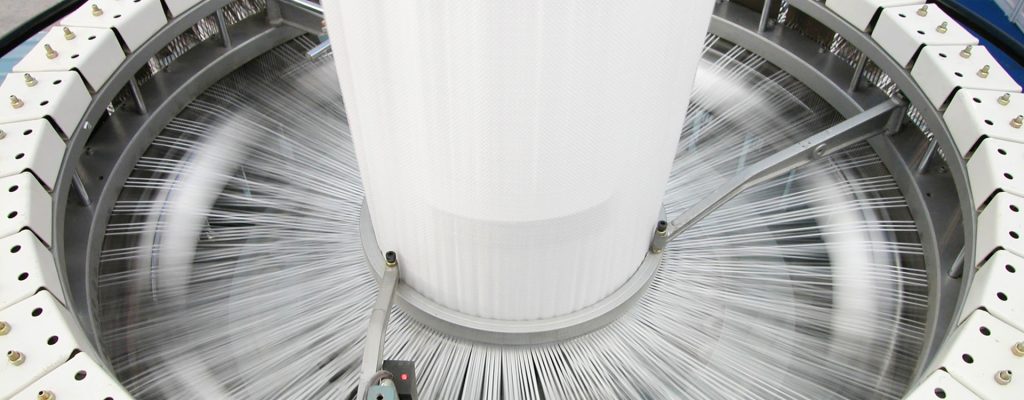
2) Fabric weaving. Tapes run on circular or flat looms to a target weave density—often 10×10 to 14×14 threads/inch. Controlled tension and pick count deliver the flatness that laminators and printers need for tight bonds and crisp registration. A loom that hums in tune today gives a laminator fewer headaches tomorrow.
3) Face‑layer engineering.
• PE extrusion coating (≈ 20–35 µm): heat‑sealable, low‑porosity, flexo‑friendly.
• BOPP lamination (≈ 15–35 µm): reverse‑printed film bonded via PP‑based tie layers for photo‑quality art and abrasion resistance.
• Kraft‑laminated outer (70–120 g/m²): where a paper look is preferred, multi‑ply kraft can be bonded to the woven core for stiffness and print feel while the poly interior provides strength.
4) Printing. Multi‑color flexographic (PE/kraft faces) or rotogravure (reverse on BOPP) delivers dense solids, fine copy, and scan‑reliable barcodes. Registration is functional, not cosmetic; GS1 quiet zones must land where scanners expect them, or audits turn into autopsies.
5) Converting & forming. Laminated webs are cut, tubed, gusseted, and formed into open‑mouth, pinch‑top, or block‑bottom valve formats. Bottoms are stitched (chain/lock) or heat‑sealed depending on laminate stack; valve sleeves are sized to the spout for flow, deaeration, and self‑closing behavior. Small angles at the sleeve become big differences in fill rate and dust control.
6) Liner insertion & vent strategy. Loose LDPE/HDPE liners (20–80 µm) are inserted where hygiene or vapor control is critical. Zoned micro‑perforation can be mapped to help air escape during fast fills without compromising stored moisture performance—a balancing act between physics and housekeeping.
7) Quality assurance. Routine controls include seam efficiency, strip tensile/burst, COF (ASTM D1894), ink adhesion, color ΔE vs. proof, drop behavior (commonly 0.8–1.2 m with conditioned loads), and—where heat‑sealed—peel profiles akin to ASTM F88. SPC charts keep lamination caliper and registration centered; nonconforming lots are quarantined and root‑caused. The data aren’t slogans—they’re signatures of process discipline.
VidePak’s discipline & scale. Since 2008, VidePak has run this choreography on German W&H and Austrian Starlinger assets. Capacity—>100 circular looms, 16 extrusion lines, and >30 lamination/printing machines—means multi‑SKU programs without bottlenecks. We default to 100% virgin raw materials, support multi‑color printing, and tune weave density, laminate caliper, valve geometry, and COF targets to your powders, pellets, and routes.
What is the application of Multiwall Laminated Woven Bags?
Fertilizers & soil amendments. Hygroscopic NPK and urea demand moisture moderation and disciplined stacks in humid depots. Multiwall Laminated Woven Bags with liners and anti‑skid faces deliver both—fewer caking complaints, neater pallets, calmer trailers.
Construction materials & minerals. Cement, grout, gypsum, barite, and calibrated sands punish weak edges. The woven backbone resists puncture; laminated faces reduce dusting and preserve hazard pictograms after long conveyor paths. When corners hold, safety follows.
Chemicals & intermediates. Resins, pigments, masterbatch, and mineral fillers travel cleaner in laminated builds that keep labels legible and pallets square. Valve formats curb airborne fines around intake pits; color‑coded art speeds bay checks.
Food & feed (where compliant). Sugar, salt, grains, and premixes use linered options plus validated inks/adhesives. Matte art reduces glare; dosing charts and barcodes stay scan‑reliable from mill to market—because nutrition data shouldn’t hide in reflections.
Waste & recycling logistics. Refuse‑derived fuel pellets, ash, lime, and sorting residues ship denser when packs keep geometry. Multiwall Laminated Woven Bags accelerate audits with billboard‑flat panels that scanners love.
Retail bulk & specialty. Charcoal, pellet fuels, soil blends: gloss windows sell, woven skeletons protect, open‑mouth tops speed in‑store refills. A package that moves product and moves shoppers—two wins, one bag.
Global programs span the United States, Europe, Brazil & South America, Southeast Asia, Japan, Korea, Central Asia, the MENA Region, East Africa, and South Africa—with specs localized to climate, regulation, and route risk. Same language of quality, different dialects of detail.
Typical Parameters for Multiwall Laminated Woven Bags
The ranges below reflect widely used, real‑world specifications referenced across Made‑in‑China/Alibaba listings and peer implementations. Choose to match filler design, product rheology, climate, and logistics. Values are application‑dependent and customizable.
| Parameter | Typical Options / Range |
|---|---|
| Product | Multiwall Laminated Woven Bags (open‑mouth / pinch‑top / block‑bottom valve) |
| PP Woven Fabric (GSM) | ≈ 70–110 g/m² (application‑dependent) |
| Weave Density | 10×10 to 14×14 (warp×weft, threads/inch) |
| Outer Face Options | PE 20–35 µm extrusion coat or BOPP 15–35 µm (reverse‑printed) |
| Paper Ply (optional) | 70–120 g/m² outer kraft; 60–90 g/m² inner ply for stiffness/print feel |
| Liner Options | LDPE/HDPE 20–80 µm loose liners for hygiene/moisture control |
| Valve Opening (valve build) | ≈ 10–17 cm (matched to spout & aeration needs) |
| Common 50‑kg Size | ≈ 50 × 80 cm (± 1–2 cm by filler spec) |
| Bag Capacity | 10–50 kg common; 25–50 kg frequent in industrial/Ag SKUs |
| Micro‑Perforation | Zoned pin/laser maps for fast‑fill deaeration |
| Coefficient of Friction (bag‑bag) | ≈ 0.35–0.55 with anti‑skid textures |
| Printing | Flexographic multi‑color (PE/kraft) or rotogravure (BOPP); barcode/QR capable |
| UV Stabilization | Options up to ≈ 3,000 h (storage profile dependent) |
| Drop Test Reference | 0.8–1.2 m (load‑ & spec‑dependent), conditioned samples |
Why VidePak for Multiwall Laminated Woven Bags
Founded in 2008, VidePak is powered by a core team with 30+ years of domain expertise and 568 employees worldwide. We manufacture on top‑tier W&H and Starlinger equipment, operate >100 circular looms, 16 extrusion lines, and >30 lamination/printing machines, and default to 100% virgin raw materials. Multi‑color printing, region‑specific UV packages, tailored valve sleeves, and dialed‑in COF targets let your Multiwall Laminated Woven Bags run like a standard—not an experiment—across the US, Europe, Brazil & South America, Southeast Asia, Japan, Korea, Central Asia, the MENA Region, East Africa, and South Africa. Annual sales near US$80 million underscore the quality cadence and global service our partners rely on.
- What are Multiwall Laminated Woven Bags?
- What are the features of Multiwall Laminated Woven Bags?
- What is the production process of Multiwall Laminated Woven Bags?
- What is the application of Multiwall Laminated Woven Bags?
- Typical Parameters for Multiwall Laminated Woven Bags
- Why VidePak for Multiwall Laminated Woven Bags
- What Are Multiwall Laminated Woven Bags?
- The Structure of Multiwall Laminated Woven Bags
- Key Advantages of Multiwall Laminated Woven Bags
- Applications of Multiwall Laminated Woven Bags
- Choosing the Right Multiwall Laminated Woven Bags
- FAQs About Multiwall Laminated Woven Bags
- How Multiwall Laminated Woven Bags Align with ESG Standards
- Conclusion
In today’s fast-paced and ever-evolving global market, industries are increasingly seeking packaging solutions that offer both safety and versatility. Among these, multiwall laminated woven bags have emerged as a go-to choice for a variety of applications. These bags are especially beneficial in industries requiring durable, secure, and eco-friendly packaging solutions, including agriculture, construction, food, and waste management.
In this blog, we’ll explore the benefits, applications, and technical specifications of multiwall laminated woven bags, shedding light on why they are becoming a preferred option for businesses worldwide. Additionally, we will provide some guidance on how to choose the right multiwall laminated woven bags for your needs.
What Are Multiwall Laminated Woven Bags?
Multiwall laminated woven bags are a type of packaging that consists of multiple layers of materials designed to enhance both strength and protection. These bags typically combine woven polypropylene (PP) fabric with layers of other materials such as kraft paper or BOPP (Biaxially Oriented Polypropylene) film. The layers are laminated together to offer improved resistance to moisture, tearing, and external stress.
The Structure of Multiwall Laminated Woven Bags
These bags typically have the following structure:
- Outer Layer: Often made from woven polypropylene or BOPP film, this layer provides structural strength and allows for various types of printing and customization.
- Middle Layer: A layer of kraft paper, or sometimes a second layer of woven fabric, which improves the bag’s tear resistance and adds to the overall durability.
- Inner Layer: Depending on the requirements, this layer may be a plastic coating or an additional protective layer to prevent moisture from seeping in.
This multi-layer construction ensures a sturdy, protective, and versatile packaging solution.
Key Advantages of Multiwall Laminated Woven Bags
Multiwall laminated woven bags are gaining traction for several reasons, most notably their combination of strength, versatility, and sustainability. Here are the key benefits:
- Enhanced Durability
The layered structure of these bags enhances their durability. They are resistant to tearing, punctures, and abrasions, making them ideal for storing and transporting heavy or sharp-edged products. - Moisture Protection
The laminated layers offer excellent moisture resistance, which is crucial for products sensitive to environmental conditions. Whether you’re packaging chemicals, fertilizers, or food products, these bags protect your goods from moisture, ensuring they remain intact. - Customizability
Multiwall laminated woven bags can be customized with various printing options, including high-quality multi-color prints. This makes them a great option for brands that want to enhance their visibility and brand recognition. - Sustainability
With the increasing demand for sustainable solutions, multiwall laminated woven bags offer an eco-friendly alternative to single-use plastic bags. These bags can be recycled and reused, contributing to better waste management practices. The use of kraft paper, in particular, adds to their eco-friendly appeal. - Cost-Effective
Despite their durability, multiwall laminated woven bags are often more cost-effective compared to other packaging solutions like metal containers or rigid plastic. They provide excellent protection at a lower price point.
Applications of Multiwall Laminated Woven Bags
Multiwall laminated woven bags are used across various industries. Below are some of the primary applications:
| Industry | Application |
|---|---|
| Agriculture | Used for packaging seeds, fertilizers, and other agricultural products. |
| Construction | Packaging of construction materials like cement, sand, and gravel. |
| Food Packaging | Ideal for grains, sugar, flour, and pet food, ensuring safety and hygiene. |
| Waste Management | Perfect for storing and transporting waste, ensuring durability even in harsh environments. |
| Chemicals | Used to store fertilizers, pesticides, and other chemical products. |
The versatility of these bags makes them suitable for an extensive range of applications, making them a key part of supply chains in various sectors.
Choosing the Right Multiwall Laminated Woven Bags
When choosing multiwall laminated woven bags, several factors need to be considered to ensure that you are selecting the best option for your needs:
- Product Weight and Size
It’s essential to choose a bag that can withstand the weight and size of your product. Multiwall laminated woven bags come in different strengths, so understanding the load requirements is vital. - Moisture and Chemical Resistance
Depending on the nature of the product being packaged, you may need bags with added moisture or chemical resistance. This ensures that your products remain safe and intact during transport. - Customization Needs
If branding and product visibility are important to your business, you can opt for bags with high-quality prints. Multiwall laminated woven bags offer excellent printability, allowing for multi-color prints and logos. - Sustainability Considerations
If sustainability is a key priority for your brand, consider choosing bags made with eco-friendly materials, such as kraft paper or recyclable PP film.
FAQs About Multiwall Laminated Woven Bags
1. What is the difference between multiwall laminated woven bags and regular woven polypropylene bags?
Multiwall laminated woven bags have multiple layers, including a combination of woven fabric and paper or plastic layers, which provides enhanced protection. Regular woven polypropylene bags typically have just a single layer of fabric, making them less durable and protective.
2. Are multiwall laminated woven bags waterproof?
While multiwall laminated woven bags offer excellent moisture resistance, they are not completely waterproof unless they have been specially treated with a moisture barrier layer, such as a plastic coating on the inner layer.
3. Can multiwall laminated woven bags be used for food packaging?
Yes, these bags are widely used for packaging food products, such as grains, flour, and sugar. They are safe and secure, ensuring the products remain protected from external factors.
4. Are multiwall laminated woven bags recyclable?
Yes, most multiwall laminated woven bags are recyclable, making them a sustainable packaging option. However, it’s important to check the specific recycling guidelines based on the materials used.
5. How customizable are multiwall laminated woven bags?
Multiwall laminated woven bags are highly customizable. They can be designed in various sizes, printed with logos or marketing messages, and made with different materials to suit specific needs.
How Multiwall Laminated Woven Bags Align with ESG Standards
As more industries embrace sustainability, multiwall laminated woven bags are playing a crucial role in Environmental, Social, and Governance (ESG) practices. These bags are made using materials that are recyclable, reducing the environmental impact compared to traditional single-use packaging. The use of eco-friendly materials like kraft paper aligns with global waste management policies, making them a top choice for businesses looking to meet ESG criteria.
Learn more about how industrial woven packaging bags align with ESG standards here.
Conclusion
Multiwall laminated woven bags provide an excellent packaging solution for industries that demand safety, versatility, and durability. Whether you are packaging food, construction materials, or waste, these bags offer an eco-friendly, cost-effective, and reliable solution. By choosing the right multiwall laminated woven bags for your business, you can ensure that your products are securely packed while maintaining a commitment to sustainability.
For more detailed information on laminated woven bags and their applications, check out our article on advanced manufacturing techniques and VidePak’s expertise.