
- What is PE open mouth bags?
- The role of PE open mouth bags in a complex supply chain
- Why moisture control defines performance for PE open mouth bags
- Printing on PE open mouth bags: color, registration, and durability
- Systems thinking for PE open mouth bags: from sub‑problem to integrated design
- The Moisture‑Defense Stack for PE open mouth bags
- Testing, numbers, and the paperwork behind PE open mouth bags
- Data tables for PE open mouth bags
- Field cases that illustrate decisions for PE open mouth bags
- Comparative study: positioning PE open mouth bags among alternatives
- A design playbook for PE open mouth bags (problem → solution → result)
- Frequently asked questions about PE open mouth bags
- Understanding PE open mouth bags in Modern Supply Chains
- Breaking PE open mouth bags into Subsystems
- Selecting Materials for PE open mouth bags: From Resin to Real‑World Performance
- Printing on PE open mouth bags: Color, Registration, Protection
- Moisture Control Strategy for PE open mouth bags
- Interfaces that Decide Filling Speed: Mouth, Gusset, Bottom of PE open mouth bags
- Switching Specifications without Disruption
- Accessories and Add‑Ons Buyers Request Most
- Service, Documentation, and the Long Life of a Packaging Program
- Productivity Effects of Modern Laminations and Liners
- Future‑Proofing PE open mouth bags Choices
- How to Keep PE open mouth bags Performing for Years
- Helpful Resource Link
- References
What is PE open mouth bags?
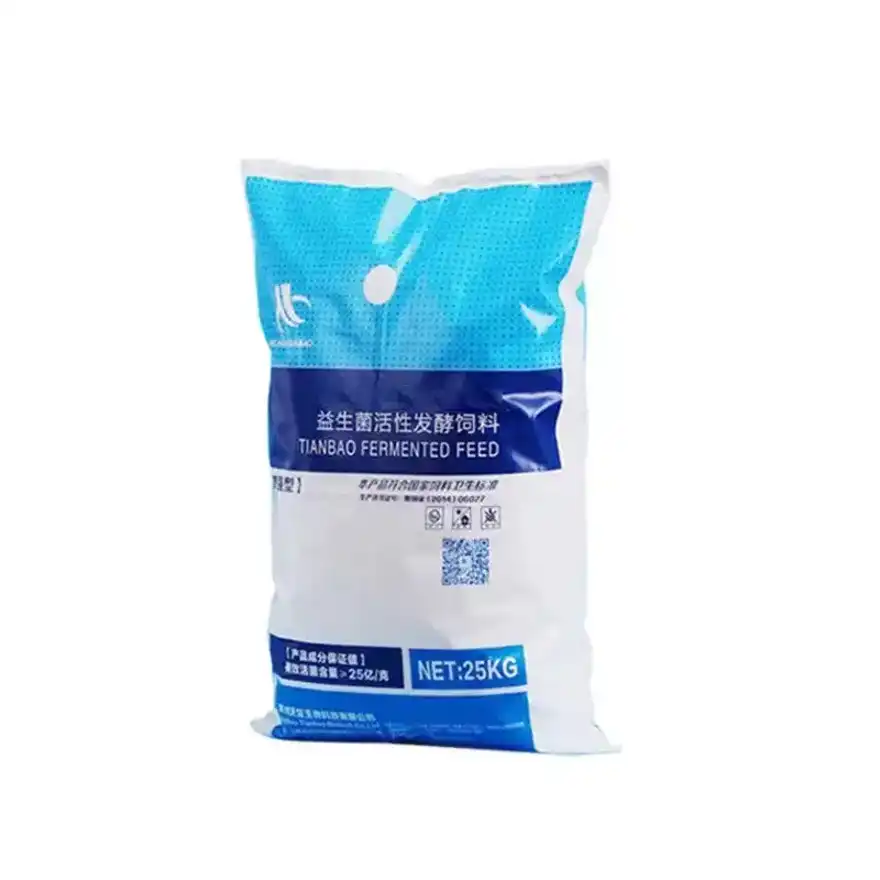
The term PE open mouth bags describes heavy‑duty polyethylene packaging with an open top for filling and a sealed or sewn bottom. In different markets you will also hear aliases such as flat PE bags, open‑mouth PE sacks, LDPE/LLDPE film sacks, polyethylene mono‑material bags, and—when a fabric substrate is used—combinations like PP woven sacks with PE coating/lamination that serve adjacent applications. Throughout this article, the anchor term remains PE open mouth bags because buyers increasingly prefer mono‑material solutions for sealing speed, graphics, and moisture control. For quick access to a technical overview and related product family, see this internal resource: PE open mouth bags.
What are the key features of PE open mouth bags? High puncture toughness from LDPE/LLDPE blends; precise heat‑sealability (impulse or constant‑heat); stable gusset options for stack fidelity; generous printable panels; and a baseline water‑vapor barrier superior to uncoated textile‑like substrates. When required, barrier is elevated with laminations or inner liners, while anti‑slip stripes and matte or pearlized films shape handling and appearance.
How are PE open mouth bags manufactured? The core flow is: resin selection → blown or cast film extrusion (thickness typically 50–200 μm for 10–50 kg formats) → corona treatment → flexographic or gravure printing (surface or reverse) → tubing, gusseting, and cutting → bottom forming and sealing (side‑weld, fold‑over, or block‑style) → inline QC for seal strength, registration, dimensions, and WVTR sampling. In the woven/laminated cousin flow, PP fabric is woven → PE/PP coating or BOPP/PE lamination is applied → reverse print occurs on the film → the laminate is converted into an open‑mouth bag.
Where are PE open mouth bags used? The principal uses include resins/pellets, fertilizers, dry‑mix mortar, pigments & additives, animal feed & dry pet food, grains/sugar/flour, salts & minerals, and industrial powders at 10–50 kg (and above). These uses prioritize reliable moisture management, fast filling, and consistent brand presentation in demanding distribution routes.
The role of PE open mouth bags in a complex supply chain
A bag is not merely a container; it is a process variable. In production, it determines filler uptime and dust levels; in warehousing, it dictates pallet stability and scan accuracy; in transit, it resists weather and compression; on site or shelf, it speaks for the brand. When operations wobble, the suspected villain is often the product or the line, yet the quiet culprit can be the package. Designing PE open mouth bags therefore means orchestrating materials science, printing, sealing, and logistics—so that a thousand tiny frictions do not add up to a major cost.
To make that orchestration tangible, we’ll use a recurring frame: Problem → Solution → Result, reinforced with Data, Case, and Compare lenses. The goal is a practical blueprint, not a brochure.
Why moisture control defines performance for PE open mouth bags
Problem. Water vapor creeps. It is invisible, patient, and—above certain thresholds—merciless to powdered or hygroscopic goods. PE open mouth bags provide baseline resistance, yet tropical humidity, long inland routes, and unplanned outdoor handling still push products toward caking, nutrient loss, and flow failures. Shall we surrender to the monsoon, or design to defeat it?
Solution. Build a Moisture‑Defense Stack: base film selection (LDPE/LLDPE), optional inner PE liners (clear or black for light/UV blocking), coatings when a woven substrate is chosen, and outer laminations (matte or pearlized BOPP) that simultaneously protect ink and suppress WVTR. Pair these layers with correct seal geometries and tested storage protocols.
Result. Lower WVTR, fewer clumped bags, longer shelf windows, and pallets that arrive dry, clean, and sellable.
Data. At 38 °C/90% RH, thin LDPE films around 25–30 μm often report WVTR in the tens of g/m²·day; thicker gauges, oriented films, or laminations drop that figure meaningfully. Standardized methods—ASTM E96 or ISO 15106—anchor the conversation.
Case. A coastal fertilizer blender converted to PE open mouth bags with a black inliner and matte laminate. Complaint rates during the wet season fell sharply; forklift abrasion on printed panels also eased.
Compare.
- PE open mouth bags vs. uncoated woven PP: faster heat‑sealing, better baseline barrier, smoother print fields.
- PE open mouth bags vs. multiwall paper: higher moisture tolerance under splash or fog, yet paper can win on friction and recyclability narratives in some regions.
- PE open mouth bags vs. FFS mono‑PE tubular roll: open‑mouth suits manual or semi‑auto fills and small batch agility; FFS excels at ultra‑high throughput with integrated forming.
Printing on PE open mouth bags: color, registration, and durability
Problem. Artwork that dazzles on screen can smear on film, mis‑register at speed, or fade under warehouse friction. Brand teams demand saturation, line operators demand uptime, finance demands unit cost discipline. Can PE open mouth bags carry rich graphics without sacrificing speed or durability?
Solution. Engineer the art and the process together. CI flexo or gravure routinely delivers 1–8 colors on PE open mouth bags, with up to 10 colors on qualified lines. Use spot colors for brand‑critical hues, reserve metallics for gravure or laminated constructions, and prefer reverse print under laminate where rub resistance matters. Control surface energy by corona and verify dyne retention before long runs.
Result. Small text remains legible, barcodes scan the first time, and color drift is contained across reprints. Depots pick faster; retail faces stay clean longer.
Data. With modern plates, PE open mouth bags often carry halftones equivalent to 133–150 lpi; matte or pearlized laminations protect dots from scuff. Web widths of 800–1,600 mm handle sack formats comfortably, and tension/chill roll recipes stabilize repeat length.
Case. A grain processor reported mis‑picks from look‑alike SKUs. Moving from a 3‑color surface print to a 7‑color reverse print under matte film, plus larger SKU codes, cut depot errors and returns substantially.
Compare.
- Surface flexo on PE open mouth bags: economical, fast changeovers; needs varnish or laminate for harsh routes.
- Reverse print + laminate: premium look, superior rub resistance; slightly higher cost and lead times; preferred when artwork carries photos or gradients.
Systems thinking for PE open mouth bags: from sub‑problem to integrated design
1) Product protection
Sub‑problems. Hygroscopic powders cake; fats in pet food oxidize; pigments dust.
Solutions. Choose film gauge to resist puncture; add PE inner liners for moisture/light; deploy matte or pearlized laminations for barrier and print defense; specify anti‑sift seam designs.
Result. Lower claims per million and tighter confidence intervals on shelf life.
2) Filling throughput & OEE
Sub‑problems. Mouth geometry drifts, ballooning traps air, dusty fills trigger cleaning.
Solutions. Calibrate mouth rigidity; use breathable line enclosures; optimize seal jaws for consistent bead formation; validate bag dimensions at SPC checkpoints.
Result. Higher bags/hour, fewer stoppages, cleaner rooms.
3) Pallet stability & compression
Sub‑problems. Tall stacks deform; smooth films can slip under vibration.
Solutions. Apply anti‑slip stripes, choose matte laminates for friction, use interlayers where needed; confirm top‑load with ASTM D642.
Result. Pallets that reach customers intact during the wet season and beyond.
4) Compliance & documentation
Sub‑problems. Food‑adjacent SKUs need resin/ink/additive approvals; pigments in black liners must be documented.
Solutions. Map materials to GB 4806.7, GB 9685, FDA 21 CFR 177.1520, and EU 10/2011; archive CoAs and migration tests; keep WVTR/OTR reports linked to SKUs.
Result. Faster audits and smoother entry into regulated channels.
5) Sustainability & end‑of‑life
Sub‑problems. Barrier requirements can complicate recycling.
Solutions. Use mono‑PE wherever feasible; where laminates are needed, design for minimal layers and consider take‑back programs; print clear sorting guidance.
Result. Honest claims and lower footprint without compromising protection.
The Moisture‑Defense Stack for PE open mouth bags
Inner liners: clear vs. black
Problem. Some formulas hate light nearly as much as moisture. Vitamins degrade; pigments shift; oils oxidize faster when irradiated.
Solution. Fit PE open mouth bags with an inner liner—clear for visual inspection or black for maximum light/UV block. Black liners, filled with carbon black masterbatch, add opacity and UV shielding while also hiding any product smudging that could distract quality inspectors.
Result. Extended shelf stability and a cleaner unboxing experience.
Data. OTR/WVTR values fall with liner thickness and film orientation; black pigmentation increases optical density and reduces light transmission dramatically. Test with ASTM E96 for WVTR and spectrophotometric methods for opacity.
Case. A feed premix brand in South China swapped clear liners for black. Complaints tied to rancidity and color shift declined; stock rotation windows widened.
Compare. Clear liners favor visual checks and barcode scanning through the film; black liners maximize light defense and perceived premium.
Coatings on woven alternatives
Problem. Woven substrates breathe—too much. Inter‑yarn pathways and stitch holes become highways for vapor and dust.
Solution. Apply PE/PP coating to woven PP before converting. Coating plugs pores, improves print lay‑down, and raises water resistance while keeping cost and weight in check.
Result. Water‑resistant sacks that still exploit the mechanical toughness of woven fabric; good for rugged handling and budget‑sensitive lines.
Data. Enterprise specs typically define coated fabric basis weight, adhesion, and seam performance; WVTR improvements are measurable against uncoated baselines.
Case. A cement distributor in a coastal city upgraded to coated woven bags; wet‑season returns fell despite unchanged loading procedures.
Compare. Coating is economical and light; lamination (below) yields higher barrier and premium print but adds complexity.
Outer laminations: matte and pearlized films
Problem. Surface printing on bare PE may scuff under forklifts and pallet rubs; woven panels need a smooth printable skin.
Solution. Laminate a reverse‑printed film onto the bag body. Matte BOPP produces a satin, anti‑glare look with higher surface friction; pearlized BOPP adds opacity and a luminous, brand‑forward finish.
Result. Lower WVTR/OTR, superior print protection, and shelf presence that guides picking and persuades buyers.
Data. Reverse‑printed laminations seal ink between film layers; abrasion metrics (ASTM D5264/TAPPI T 830) routinely improve vs. surface ink.
Case. A pet‑food line introduced matte laminations and saw rub‑off complaints collapse; photography on the panel finally looked like the style guide.
Compare. Matte for subtlety and friction; pearlized for opacity and attention. Varnish remains faster and cheaper but lacks the durability of a laminate skin.
Testing, numbers, and the paperwork behind PE open mouth bags
Regulatory anchors. Food‑contact and exportable SKUs align to GB 4806.7 (Plastics), GB 9685 (additives), FDA 21 CFR 177.1520 (olefin polymers), EU 10/2011 (Plastics), and (EC) 2023/2006 (GMP). Dangerous‑goods compatibility, when applicable to solids, requires separate evaluation and, if pursued, design‑specific approvals.
Test methods that matter. WVTR by ASTM E96 or ISO 15106 at defined temperature and humidity; compression by ASTM D642; drop resistance by ASTM D5276; print durability by ASTM D5264/TAPPI T 830; seal strength by ASTM F88; barcode verification against ISO/ANSI grades.
Documentation discipline. Every SKU of PE open mouth bags should carry a traceable specification with material declarations, dyne level targets, print profiles, and the last three WVTR and seal pull datasets. Auditors love order; operations love repeatability.
Data tables for PE open mouth bags
Table 1 — Core parameters
| Attribute | Typical options / values for PE open mouth bags | Notes |
|---|---|---|
| Capacity | 10–50 kg (higher by design) | Driven by bulk density and pallet patterns |
| Film gauge | 50–200 μm total | Heavier gauges improve puncture and sealing window |
| Format | Open mouth; side‑weld, fold‑over, or block‑style bottom | Match to filler equipment |
| Printing | 1–8 colors standard; up to 10 on qualified runs | CI flexo or gravure |
| Finish | Surface print + varnish; reverse print + matte; reverse print + pearlized | Finish chosen by route abuse and brand brief |
| Inner liner | Clear PE; black PE; thickness to target WVTR | Black liner adds light shielding |
| Anti‑slip | Printed stripes or embossed areas | Stabilizes pallets |
| Seal | Impulse/constant‑heat; bead strength to spec | Validate with peel tests (ASTM F88) |
| WVTR target | Reported at method T/RH; set by product | Verify via ASTM E96 / ISO 15106 |
| Compliance | GB 4806.7; GB 9685; FDA 177.1520; EU 10/2011 | Map inks/adhesives too |
Table 2 — Moisture‑Defense Stack menu
| Layer | Option for PE open mouth bags | Primary effect | Secondary effect |
|---|---|---|---|
| Base | LDPE/LLDPE film body | Baseline WVTR barrier | Heat‑sealability |
| Liner | Clear PE inliner | Moisture reduction | Visual inspection |
| Liner | Black PE inliner | Light/UV block + moisture | Premium perceived quality |
| Outer | Matte BOPP laminate | Rub resistance; friction | Subdued, premium look |
| Outer | Pearlized BOPP laminate | Opacity; barrier | High shelf impact |
| Alt. | Varnish on surface print | Economical protection | Less robust than laminate |
Table 3 — Printing capability & control
| Topic | Range on PE open mouth bags | Control levers |
|---|---|---|
| Color count | 1–8 standard; up to 10 qualified | Artwork complexity; registration tolerances |
| Halftone | ~133–150 lpi equivalent on PE | Plate screens; anilox volumes; lamination |
| Registration | Tight on CI architectures | Tension; chill rolls; corona dyne |
| Rub resistance | High with reverse print + laminate | Film choice; adhesive; curing |
| Barcodes | ISO/ANSI grade targets | Knockouts; contrast; plate gain control |
Table 4 — Route‑proof testing plan
| Test | Method | Purpose | Acceptance cue |
|---|---|---|---|
| WVTR | ASTM E96 / ISO 15106 | Moisture ingress control | Meets shelf‑life spec |
| Compression | ASTM D642 | Pallet stack stability | Top‑load at route max |
| Drop | ASTM D5276 | Handling robustness | No burst/leak at spec height |
| Seal strength | ASTM F88 | Closure integrity | Above minimum peel force |
| Rub/scuff | ASTM D5264 / TAPPI T 830 | Print durability | No visible ink loss |
Field cases that illustrate decisions for PE open mouth bags
Fertilizer on coastal routes
A blender served depots along a humid coastline. Product caked; brand panels looked tired. The remedy paired PE open mouth bags with a black inliner, reverse‑printed matte laminate, and anti‑slip stripes. The change raised shelf‑life headroom and reduced forklift scuffing; pallets looked new even after long transits.
Dry pet food in retail channels
Photos of kibble mattered; consumers judged by the panel. The team shifted to PE open mouth bags printed in seven colors, protected by a matte laminate, with barcode quiet zones knocked out for reliable checkout scans. Complaints about ink rub‑off nearly vanished; shelf differentiation improved.
Pigments and dusty additives
Housekeeping costs were climbing at the filler. By adopting thicker‑gauge PE open mouth bags plus a clear inliner and tighter seal jaws, the team cut sifting and dust levels. Workers noticed first; the finance team noticed next.
Comparative study: positioning PE open mouth bags among alternatives
| Criterion | PE open mouth bags | Woven PP + coating/laminate | Multiwall paper sacks |
|---|---|---|---|
| Moisture resistance | Good baseline; excellent with liners/laminates | Moderate with coating; strong with laminate | Low baseline; can add liners |
| Sealing speed | Fast, heat‑seal | Sewn or heat‑seal if laminated | Valve or sewn; slower changeovers |
| Print quality | High (reverse + laminate is best) | High with BOPP film; moderate on coated fabric | Good on white kraft; limited on brown |
| Pallet friction | Smooth; add stripes or matte for grip | Good with fabric texture | High friction natural surface |
| Cost | Competitive at mid volumes | Competitive for rugged logistics | Competitive for powders; paper price dependent |
| Recyclability narratives | Mono‑PE pathways in some markets | Composite structures can be harder | Fiber streams common in some regions |
Rhetorically speaking: must we choose one forever? Not at all. Portfolios often blend formats—PE open mouth bags for premium or moisture‑sensitive lines; woven‑laminated for ultra‑rugged handling; paper sacks where friction, breathability, or regional recycling preferences steer the decision.
A design playbook for PE open mouth bags (problem → solution → result)
SKU: 25 kg fertilizer, coastal monsoon
Problem: clumping and faded panels.
Solution: PE open mouth bags with black inliner, reverse print under pearlized film for opacity, anti‑slip stripes, and higher seal bead.
Result: fresher product, brighter pallets, fewer depots returns.
SKU: 20 kg premium kibble
Problem: shelf scuffing and poor barcode reads.
Solution: PE open mouth bags in seven colors, matte laminate, barcode knockouts, rub‑tested to spec.
Result: clean faces, quick scans, loyal buyers.
SKU: 25 kg pigment
Problem: dust and corner punctures.
Solution: thicker film gauge PE open mouth bags with clear liner, rounded corners, and longer dwell time on sealers.
Result: less housekeeping, fewer claims.
Frequently asked questions about PE open mouth bags
Q: Are PE open mouth bags suitable for direct food contact?
Yes, when resins, inks, and adhesives are chosen and documented against GB 4806.7, GB 9685, FDA 177.1520, and EU 10/2011, and when migration/sensory tests pass.
Q: Why use a black inliner instead of clear?
Light‑sensitive formulas benefit from UV and visible‑light shielding; black films achieve very high opacity. They also mask internal smudges for a neat appearance.
Q: How many colors can we print on PE open mouth bags?
Standard runs support 1–8 colors; qualified lines can reach 10 depending on art, registration, and protection (lamination).
Q: Do matte laminates reduce pallet slip?
They help. Matte surfaces raise friction versus glossy films; anti‑slip stripes provide additional insurance.
Q: Is varnish ever enough?
On low‑abuse routes, yes. For forklift‑heavy depots or export pallets, reverse print under laminate protects ink far better.
Q: Can PE open mouth bags be part of a mono‑material recycling story?
Where infrastructure exists, yes—especially if the structure avoids non‑PE layers. When laminations are needed, keep them PE‑based to maintain compatibility.
Q: What about form‑fill‑seal tubular roll stock?
If you scale to very high speeds, FFS mono‑PE rolls are compelling. PE open mouth bags remain ideal for manual/semi‑auto fills, seasonal SKUs, and art variants.

Understanding PE open mouth bags in Modern Supply Chains
Background. PE open mouth bags are polyethylene film sacks with an open top for filling and a sealed or sewn bottom. In practice they are also described as flat PE bags, open‑mouth PE sacks, or LDPE/LLDPE mono‑material bags. They serve dry, flowable products from fertilizers and resins to grains and pet food. Why insist on this format now? Because moisture, handling, and brand visibility collide in real distribution routes; a bag is not just a container, it is a process variable.
Problem → Method → Result → Discussion. Moisture ingress, pallet slip, and print rub are recurring pain points. We treat the bag as a system: specify resin and gauge, decide on inner liners (including black liners for light‑sensitive goods), and choose surface protection (varnish vs. matte/pearlized laminations). Measured with WVTR, seal strength, and rub tests, the result is predictable shelf life and cleaner pallets. Horizontally, the approach borrows from barrier film science and logistics engineering; vertically, it links product chemistry → film choices → route tests → brand outcomes.
Breaking PE open mouth bags into Subsystems
Background. Any reliable design starts by decomposing PE open mouth bags into controllable subsystems: film body, mouth & bottom, graphics layer, and optional inliners/laminations.
Problem → Method → Result → Discussion. When failures appear (caking, split seams, blurred barcodes), which subsystem is guilty? The method is diagnostic: verify gauge and puncture targets for the film; inspect mouth geometry and seal bead; assess print cure and protection; check liner/light‑barrier needs. Results often reveal a local fix with outsized impact—thicker inner layer around corners, tighter seal dwell, or moving surface print to reverse‑print under laminate. Discussion extends this learning across SKUs so a fertilizer remedy informs pigments and dry pet food, achieving economies of knowledge.
Selecting Materials for PE open mouth bags: From Resin to Real‑World Performance
Background. LDPE brings sealability and clarity; LLDPE adds toughness. Additives tune slip and anti‑block. Gauge (e.g., 80–150 μm total) balances puncture resistance with cost.
Problem → Method → Result → Discussion. The problem is contradictions: thicker film fights puncture but can raise cost and sealing energy; glossy films look premium but may slip on pallets. Methodologically, we model risks by route (humidity, stacking height, forklift abrasion) and set numeric targets—WVTR at stated T/RH, top‑load by compression tests, minimum peel force by seal testing. The result is a rational film recipe rather than folklore. Discussion: a mono‑PE path simplifies recycling narratives, while laminations are reserved for abuse‑heavy routes where print and barrier must survive.
Printing on PE open mouth bags: Color, Registration, Protection
Background. Brand panels on PE open mouth bags must stay vivid after long, humid journeys. CI flexo or gravure typically provides 1–8 colors (and up to 10 on qualified lines). Surface energy via corona treatment governs ink adhesion.
Problem → Method → Result → Discussion. The problem is rub and mis‑registration. The method pairs artwork with process: use spot colors for brand hues, knock out barcode quiet zones, and choose reverse print under matte or pearlized laminate when routes are rough. Results include first‑pass barcode scans and reduced depot complaints. Discussion: horizontally compare surface‑print (cheaper, faster changeovers) with reverse‑print (premium durability); vertically link design choices to KPIs like scan grade and returns.
Moisture Control Strategy for PE open mouth bags
Background. Water vapor is unforgiving to hygroscopic powders. PE open mouth bags provide a baseline barrier that can be elevated.
Problem → Method → Result → Discussion. Problem: caking and shelf‑life drift in monsoon seasons. Method: build a Moisture‑Defense Stack—choose base gauge, add a clear or black PE inner liner for light‑sensitive formulas, then shield graphics with matte or pearlized BOPP laminations that also lower WVTR. Result: fewer returns, longer rotation windows. Discussion: horizontally relate liners to pharmaceutical light‑barrier practice; vertically trace causality from liner opacity → reduced photodegradation → stable product assay → fewer quality holds.
Interfaces that Decide Filling Speed: Mouth, Gusset, Bottom of PE open mouth bags
Background. The geometry of PE open mouth bags influences spout fit, air evacuation, and downstream palletization.
Problem → Method → Result → Discussion. Problem: slow fills and ballooning. Method: stabilize mouth stiffness, keep tolerances on gusset depth, and validate bottom style (side‑weld, fold‑over, or block‑bottom) against pallet footprints. Result: higher bags/hour and cubic, stable stacks. Discussion compares open‑mouth runs with FFS rollstock: if you need high agility, open‑mouth wins; if you chase absolute speed, FFS may carry the day—but both benefit from the same dimensional discipline.
Switching Specifications without Disruption
Background. Teams hesitate to change PE open mouth bags specs for fear of downtime.
Problem → Method → Result → Discussion. Problem: line interruptions and mixed pallets during changeovers. Method: pilot in small batches, lock art and cylinder libraries, and enforce a three‑sample gate—dimensional check, WVTR check, and a short route simulation. Result: changes that feel uneventful. Discussion: horizontally borrow software‑style version control; vertically build a spec history so auditors can see why and when changes occurred.
Accessories and Add‑Ons Buyers Request Most
Background. Beyond the bag body, common enhancements make PE open mouth bags perform better in the real world.
Problem → Method → Result → Discussion. Problems include slipping pallets, faded panels, and sun‑exposed depots. Methods: apply anti‑slip stripes or textured panels; choose matte finish for grip or pearlized for opacity; specify black liners when UV is the enemy; add easy‑open features for consumer sacks. Results: safer stacks, brand‑true panels, fewer customer complaints. Discussion ties each add‑on to a measurable KPI—incident rate, rub grade, or shelf‑life headroom—so accessories aren’t decorative, they are functional levers.
Service, Documentation, and the Long Life of a Packaging Program
Background. A reliable program for PE open mouth bags runs on paperwork as much as plastic: specifications, Declarations of Compliance, and batch traceability.
Problem → Method → Result → Discussion. Problem: audit delays and ambiguous responsibilities. Method: map materials to standards (e.g., GB 4806.7 plastics, GB 9685 additives, FDA 177.1520, EU 10/2011), file WVTR/OTR, seal, and rub reports by SKU, and keep print color targets with spectro data. Result: faster audits, fewer disputes, repeatable quality. Discussion connects this discipline with brand trust and tender success; vertically it scales from a single SKU to a portfolio with shared controls.
Productivity Effects of Modern Laminations and Liners
Background. Protection layers on PE open mouth bags influence not only shelf appeal but also operations.
Problem → Method → Result → Discussion. Problem: rework from scuffed prints and soft sacks. Method: laminate where forklifts are rough, increase corner gauge where pallets fail, and use matte films to raise friction. Result: fewer rewraps, faster throughput, better labor utilization. Discussion compares the economics: a minor material upcharge can eliminate costly rework cycles.
Future‑Proofing PE open mouth bags Choices
Background. Markets evolve toward clearer recycling stories and data‑backed performance.
Problem → Method → Result → Discussion. Problem: today’s spec might be tomorrow’s liability. Method: default to mono‑PE where feasible; when laminating, keep compatible layers; establish seasonally adaptive specs (summer with black liners, winter with lighter gauges). Result: packaging that stays compliant and competitive. Discussion: horizontally align with municipal recycling guidance; vertically plan roadmap revisions tied to climate and route.
How to Keep PE open mouth bags Performing for Years
Background. Longevity is a program outcome, not an accident.
Problem → Method → Result → Discussion. Problem: creeping defects as suppliers, resins, or lines change. Method: quarterly spec reviews, retain samples, regression dashboards for WVTR/seal/rub metrics, and field audits during monsoon peaks. Result: no surprises; just steady performance. Discussion closes the loop: continuous improvement feeds back into design, purchasing, and operations.
Helpful Resource Link
For deeper technical context and related film formats, see PE open mouth bags.
References
This article draws on widely used packaging standards, lab methods, and industry knowledge relevant to PE open mouth bags: GB 4806.7 (food‑contact plastics); GB 9685 (additives); FDA 21 CFR 177.1520 (olefin polymers); EU 10/2011 (plastics); ASTM E96 (water vapor transmission); ISO 15106 (WVTR methods); ASTM D5276 (drop); ASTM D642 (compression); ASTM D5264 / TAPPI T 830 (rub).