
What is Poly-BOPP Bags?
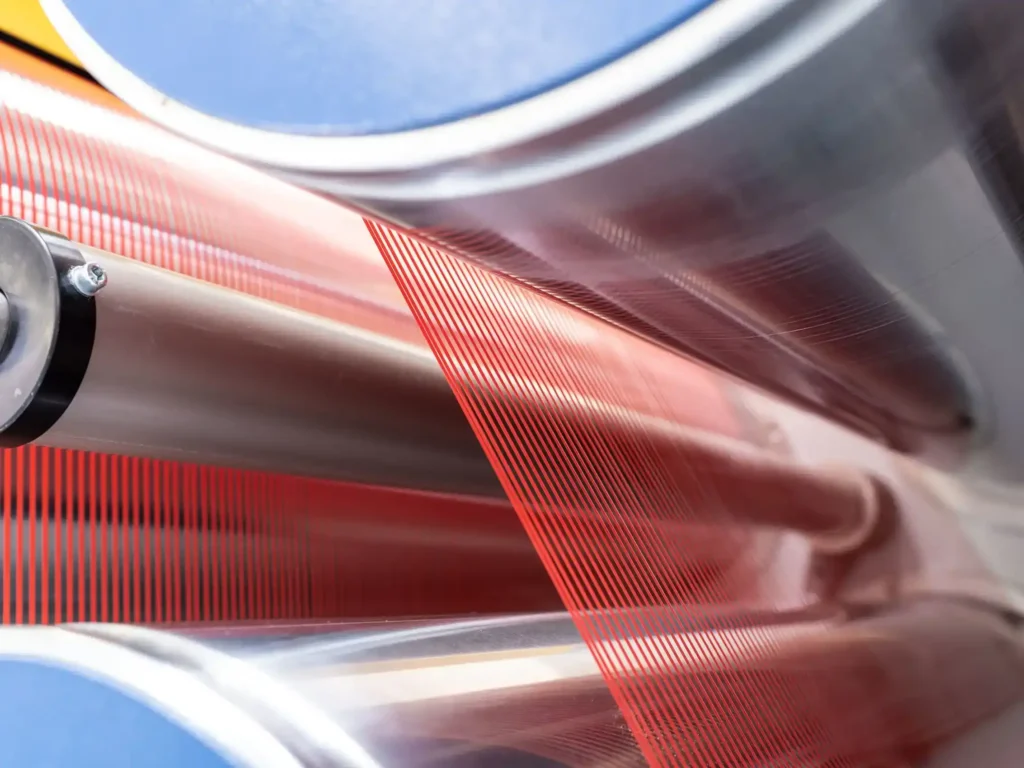
Poly-BOPP Bags are laminated polypropylene sacks that pair a woven PP fabric—for tensile strength and shape retention—with a reverse‑printed biaxially oriented polypropylene (BOPP) film that delivers high‑definition graphics and abrasion resistance. In different markets they are also called BOPP‑laminated woven bags, BOPP film PP woven sacks, or printed PP woven bags (open‑mouth or valve). The logic is elegant: the fabric carries the load; the film carries the brand. Together, Poly-BOPP Bags cube neatly on pallets, showcase billboard‑quality print, and resist corner abuse while remaining a mono‑polyolefin build tuned for polyolefin‑friendly recycling streams. For taxonomy and sourcing context, see Poly-BOPP Bags.
Viewed through systems thinking, Poly-BOPP Bags are not merely containers but interfaces—between polymer physics and plant operations, between graphic ambition and supply‑chain reality. Horizontally, they sit between paper valve sacks (rich print, moisture‑sensitive) and PE FFS film bags (fast seal, scuff‑prone). Vertically, causality flows from resin grade → tape denier → weave pick count → lamination weight → print method → anti‑slip/topcoat → closure style; nudge any node and you alter line speed, drop survival, or shelf presence. What looks like a sack is, in fact, a system.
What is the features of Poly-BOPP Bags?
System view. Performance emerges where materials, structure, and operations reinforce one another. To make the reasoning explicit, each feature below couples background with data reinforcement, a case analysis, and a comparative study—so benefits are evidenced, not assumed.
- Print Fidelity that Sells, Surfaces that Last
Background. BOPP’s gloss, stiffness, and dimensional stability enable reverse gravure or high‑line‑screen flexo; ink sits behind the film, shielded from straps, rain, and rough pallets. Matte, gloss, or registered matte/gloss effects shape brand tone without glued‑on labels.
Data reinforcement. Typical BOPP thickness 15–35 μm; corona treatment ≥38 dyn/cm for ink anchorage; lab rub/scuff testing (TAPPI‑style or in‑house) consistently shows lower color transfer versus direct‑print fabric.
Case analysis. A fertilizer SKU switched to Poly-BOPP Bags with a matte claim window and high‑gloss fruit photography; in‑store eye‑tracking reported longer visual dwell, while “print rub‑off” tickets fell during peak season.
Comparative study. Paper sacks read warm but lose luster in humid yards; PE FFS graphics can haze and crease. Poly-BOPP Bags keep artwork crisp and protected behind the film—bright today, bright after transit. - Strength‑to‑Weight Advantage & Puncture Resistance
Background. Drawn PP tapes yield high tear‑propagation resistance and panel stiffness; laminated BOPP contributes a tough outer skin. Corners, strap rub, forklift slides—this duo handles them better than comparable single‑layer films.
Data reinforcement. Common meshes 10×10–14×14; fabric basis 60–120 g/m²; lamination 15–35 g/m² (polyolefin tie/resin). Transit robustness is typically verified by ASTM D5276 free‑fall drops for ≤50 kg loads; corner impact often improves at equal grammage vs. paper multiwall.
Case analysis. A pigment shipper raised fabric from 70 to 90 g/m², added 25 μm BOPP and an anti‑slip over‑lacquer; claims for corner punctures decreased on mixed‑route deliveries without changing pallet patterns.
Comparative study. Against paper multiwall, Poly-BOPP Bags shrug off wet pallets; against monolayer film sacks, they keep squarer faces that stack safer. - Moisture, Sift, and Cleanliness Control
Background. Extrusion lamination closes weave porosity; optional micro‑perforation near the fill panel vents air without liberating fines. Many formulas avoid inner liners, preserving a mono‑PP construction.
Data reinforcement. Market‑typical size windows—W 350–600 mm × L 400–910 mm × B 80–180 mm—cover 10–50 kg fills. Localized laser/needle perfs (~50–80 holes/100 cm² near the valve) restore packer venting with minimal dust.
Case analysis. A dry‑mortar line concentrated perfs at the valve patch while keeping full lamination elsewhere; dust at the spout dropped, housekeeping hours shrank, cycle times rose.
Comparative study. Paper valve sacks breathe but soak in rain; FFS films need engineered vent paths; Poly-BOPP Bags tune breathability panel‑by‑panel. - Operating Efficiency: From Filler to Freight
Background. Open‑mouth or valve formats integrate with impeller, screw, or air packers. Heat‑cut mouths reduce fray; anti‑slip lacquers or micro‑emboss textures increase pallet friction, trimming stretch‑wrap use.
Data reinforcement. Rotary valve lines often log 5–12% faster cycles after aligning valve ID and perf density with bulk density; block‑bottom or square‑fold bottoms improve pallet stability scores in transport simulations.
Case analysis. An animal‑feed plant standardized two valve diameters across eight SKUs and added anti‑slip lacquer; unit‑load failures fell during the first 90 days with zero added dunnage.
Comparative study. Film sacks seal fast yet scuff; paper stacks neatly yet slows when damp; Poly-BOPP Bags preserve speed and stackability. - Food‑Adjacent & Compliance Pathway (When Specified)
Background. For salts, sugars, starches, or pet premix, resins/inks must align with 21 CFR 177.1520 (olefin polymers), 21 CFR 175.105 (adhesives), Regulation (EU) No 10/2011 (plastic FCM), and EuPIA guidance. Sites typically run ISO 9001 and BRCGS Packaging Materials; where hygiene applies, ISO 22000/FSSC 22000 joins the stack.
Data reinforcement. Declarations of Compliance (DoCs) are issued lot‑wise; migration/odour panels follow recognized protocols; dimensional vocabulary borrows from ISO 6591‑1.
Case analysis. A sugar packer adopting Poly-BOPP Bags (mono‑PP, low‑odor inks) eliminated sewing and lint risks while improving on‑shelf legibility of nutrition blocks.
Comparative study. Paper sacks simplify mill de‑inking; Poly-BOPP Bags lower product loss in damp or long‑haul logistics—an often larger sustainability lever than nominal recyclability alone. - Design for Recycling & Brand Protection
Background. Mono‑PP laminates align with polyolefin streams; reverse print under BOPP makes graphics rub‑proof and counterfeiting harder. Tamper‑evident patches and serialized microtext extend traceability.
Data reinforcement. Single‑polymer stacks avoid delamination at grinders; microtext remains readable after long transit because it lives behind the film.
Case analysis. A seed brand embedded microtext and UV marks beneath the BOPP; counterfeit complaints fell while warranty claims processed faster.
Comparative study. Labels peel; direct inks scuff; protected reverse print endures.
What is the production process of Poly-BOPP Bags?
From pellets to pallets, small settings cause large consequences—change a temperature, change a stack.
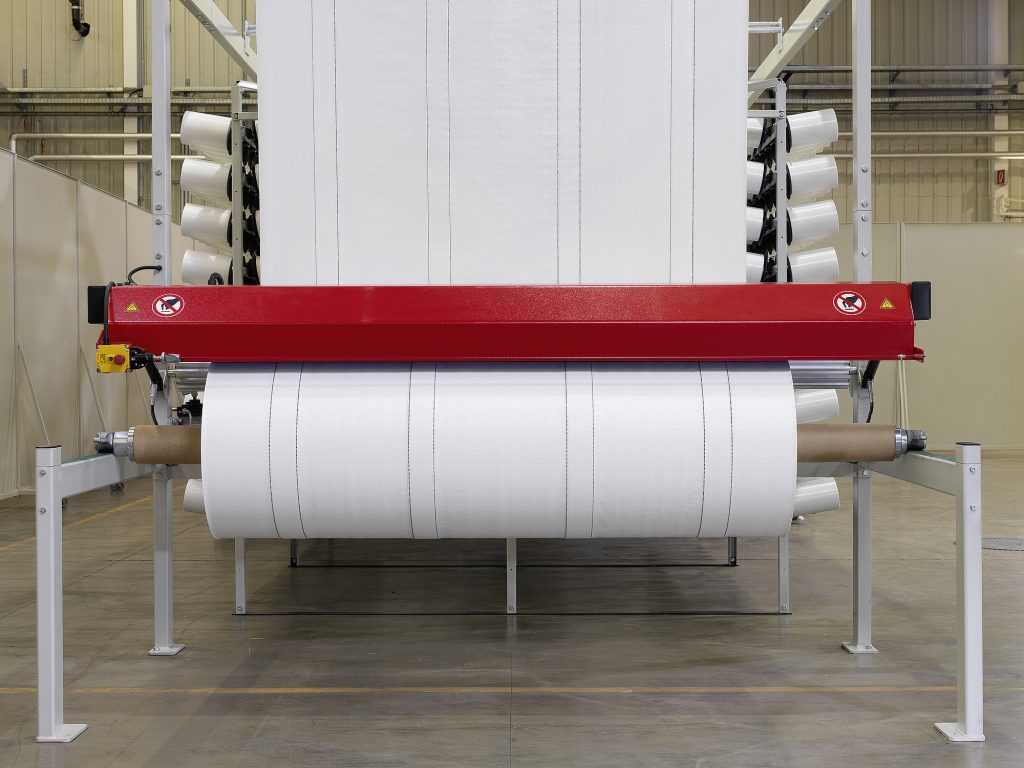
Tape Extrusion & Weaving. PP is extruded into tapes, drawn to target tenacity, and woven (circular or flat looms). Denier and pick count govern tensile behavior and lay‑flat. Horizontal link: tape properties constrain lamination windows; vertical link: pick count drives bottom squareness and cut‑edge fuzz.
BOPP Printing (Reverse) & Preparation. BOPP film (15–35 μm) is corona‑treated and reverse‑printed (gravure or HD flexo). Reverse print locks ink behind the film; matte/gloss effects come via lacquer or co‑extrusion.
Extrusion Lamination. A polyolefin tie layer bonds printed BOPP to woven fabric. Lamination weight (15–35 g/m²) tunes bond strength and fold memory. Too heavy stiffens bottoms; too light risks bubbles and bond fails—both visible on shelf.
Conversion. Tubing, gusseting, and bottom formation (fold‑over or block bottom). Options include open‑mouth with heat‑cut hem, sewn bottom with crepe tape, or valve insertion (top/bottom valve). Anti‑slip lacquers, easy‑open notches, and laser scoring add function without clutter.
Perforation & Finishing. Local micro‑perfs near the valve/fill panel vent trapped air. Final QA covers dimensions, print register, lamination bond pulls, and ASTM D5276 drop series. Food‑adjacent versions check materials against 21 CFR 177.1520/EU 10/2011 with supplier DoCs archived under ISO 9001 procedures.
What is the application of Poly-BOPP Bags? (Industrial & Building Materials)
Cement, Dry Mortar, Tile Adhesives (25–50 kg). Poly-BOPP Bags combine valve‑friendly filling with damp‑weather resilience and attention‑grabbing print on trade‑yard pallets. Typical 50 kg references: ~37 × 49 × 11 cm, fabric 80–100 g/m², BOPP 20–30 μm, lamination ~20–30 g/m², localized panel perforation.
Pigments, Minerals, Fertilizers. Angular granules meet tougher skins and stiffer panels; anti‑slip coats stabilize pallets; reverse print preserves hazard icons and brand blocks after weeks of haulage.
Resins & Additives. Squarer stacks improve container cube; selective perfing prevents ballooning at the packer.
Data reinforcement: Across supplier listings, 10–50 kg is the common fill band with widths 350–600 mm; drop tests track ASTM D5276 procedures. Case analysis: a pigment supplier reduced corner punctures by stepping to 90 g/m² fabric and adding a 10 μm anti‑scuff topcoat. Comparative study: film FFS bags seal quickly but scuff and slump; paper sacks print beautifully yet falter when wet; Poly-BOPP Bags balance print quality with field durability.
What is the application of Poly-BOPP Bags? (Food‑Adjacent & Consumer Goods)
Sugar, Rice, Pulses. Mono‑PP builds with reverse print deliver vibrant branding and optional clear windows without label lift. With suitable resins and inks, DoCs reference 21 CFR 177.1520, EU 10/2011, and EuPIA guidance; choose valve or open‑mouth per filler.
Pet Nutrition & Seed. Aroma‑sensitive blends value the laminated barrier; matte/gloss combinations raise shelf recognition in garden and farm channels. Serialization under film supports anti‑counterfeit programs.
Retail Pallet Displays. Square faces stack into tidy cubes; pallets become silent salespeople—graphic, repeatable, resilient.
Data reinforcement: GS1 barcode grades remain stable because print is protected behind film. Case analysis: a rice brand added a clear window register‑cut into the BOPP; sell‑through lifted with zero increase in scuff complaints. Comparative study: cartons preserve compression but add labor and corrugate; Poly-BOPP Bags increase pack density when primary packs are already rigid.
Integrated Solution (System Thinking Synthesis)
Objective: raise line speed, cut damage, and amplify shelf impact—without inflating total cost of ownership. Treat Poly-BOPP Bags as a closed‑loop program.
- Diagnose. Map SKUs to failure modes—scuff‑off, corner puncture, dust at fill, pallet lean, barcode misreads. Extract drop data, lamination bond pulls, and packer venting metrics.
- Design. Pick fabric GSM and pick count; set BOPP thickness (15–35 μm) and lamination (15–35 g/m²); decide valve vs. open‑mouth; specify perf density; define anti‑slip and finish (matte/gloss). Align food‑adjacent builds to 21 CFR 177.1520/EU 10/2011; use ISO 6591‑1 as the shared dimensional language.
- Validate. Run ASTM D5276 drop series at agreed heights; verify lamination bond and print register; conduct rub/scuff and barcode grades; confirm pallet stability patterns.
- Deploy. Standardize valve IDs by product family; document packer recipes; add inline vision for register and lamination defects; tune pallet dunnage and wrap to anti‑slip friction.
- Improve. Review claims quarterly; right‑weight fabrics where margins allow; refresh on‑pack recycling instructions as local streams evolve; log serial/anti‑counterfeit outcomes.
Key Specifications & Options (Typical Ranges)
| Attribute | Typical Options / Range | Why it Matters |
|---|---|---|
| Style | Open‑mouth or valve Poly-BOPP Bags; fold‑over or block bottom | Matches filler type & stacking behavior |
| Nominal capacity | 5–50 kg (density‑dependent) | Covers food, feed, minerals, and building mixes |
| Dimensions | W 350–600 mm × L 400–910 mm × B 80–180 mm | Fits most converting lines & pallets |
| Fabric | Woven PP 60–120 g/m²; mesh 10×10–14×14 | Governs tear resistance and stack stiffness |
| BOPP film | 15–35 μm; reverse‑printed; ≥38 dyn/cm | Print fidelity & rub resistance |
| Lamination | Polyolefin tie 15–35 g/m² | Bond strength & fold memory |
| Perforation | Localized micro‑perfs (e.g., 50–80 holes/100 cm²) | Venting without dust escape |
| Printing | Gravure/HD flexo 1–8 colors; matte/gloss effects | Shelf impact & brand legibility |
| Finish options | Anti‑slip lacquer; micro‑emboss; clear window | Pallet stability & storytelling |
| Compliance | ASTM D5276 (drop ≤50 kg); ISO 6591‑1 (dimensions); 21 CFR 177.1520/EU 10/2011 (materials, when specified); ISO 9001 / BRCGS | Audit‑ready vocabulary & governance |
Note: Ranges reflect widely published supplier data and peer converter disclosures; tune to product density, climate, and filler type. Validate; don’t guess.
Professional Identifiers & Why They Matter
ASTM D5276 — Free‑fall drop testing for loaded containers ≤50 kg; correlates lab results with field shocks.
ISO 6591‑1 — Description and method of measurement for empty sacks; a shared language so drawings match deliveries.
21 CFR 177.1520 / Regulation (EU) No 10/2011 — Material compliance anchors for polyolefin food‑contact builds (when specified).
ISO 9001 / BRCGS Packaging Materials — Quality systems that turn specifications into repeatable, auditable production.
Copy Blocks You Can Reuse (Brand Voice Ready)
Value line. Brighter print, tougher stacks, cleaner fills—Poly-BOPP Bags turn every pallet into a silent salesperson.
Proof point. Reverse‑printed BOPP laminated to woven PP—validated on ASTM D5276 drops and measured to ISO 6591‑1—keeps product safe and branding sharp.
Sustainability note. Specify mono‑PP laminates, right‑weight fabrics, and publish clear disposal guidance so Poly-BOPP Bags perform in use and at end‑of‑life.
- What is Poly-BOPP Bags?
- What is the features of Poly-BOPP Bags?
- What is the production process of Poly-BOPP Bags?
- What is the application of Poly-BOPP Bags? (Industrial & Building Materials)
- What is the application of Poly-BOPP Bags? (Food‑Adjacent & Consumer Goods)
- Integrated Solution (System Thinking Synthesis)
- Key Specifications & Options (Typical Ranges)
- Professional Identifiers & Why They Matter
- Copy Blocks You Can Reuse (Brand Voice Ready)
The Key Answer: Poly-BOPP (biaxially oriented polypropylene) bags excel in customizability and functional diversity, with ultrasonic welding and heat sealing emerging as optimal closure methods for high-speed production and airtight sealing. Valve and block-bottom designs dominate industrial applications, offering 30–40% higher efficiency than traditional stitching, while advanced printing techniques enable 98% color accuracy for brand differentiation.
Introduction: The Dual Strengths of Poly-BOPP Bags
Poly-BOPP bags, renowned for their moisture resistance, tensile strength, and printability, are reshaping packaging across agriculture, retail, and logistics. Their hybrid structure—combining woven PP layers with BOPP lamination—ensures durability while accommodating high-definition branding. For instance, Shandong GreenPack reported a 25% increase in client retention after adopting digitally printed BOPP bags for organic fertilizer packaging. This report dissects critical manufacturing choices—from sealing methods to closure designs—that define their performance.
Industry Expert Insight:
“The future of packaging lies in marrying aesthetics with engineering. Poly-BOPP bags are a canvas for innovation, whether through RFID-integrated valve designs or AI-driven printing systems.” — 2025 Global Packaging Trends Report.
Critical Manufacturing Choices: Sealing and Closure Technologies
1. Sealing Methods: Ultrasonic Welding vs. Heat Sealing vs. Stitching
- Ultrasonic Welding:
- Speed: Achieves 50–70 seals/minute, 40% faster than heat sealing.
- Strength: Creates airtight bonds with 200–250 N/25mm tensile strength, ideal for valve bags in chemical transport.
- Eco-Friendliness: Eliminates adhesives, reducing VOC emissions by 90%. Case Study: Guangdong Huaxing Packaging reduced leakage incidents by 60% after switching to ultrasonic welding for PE-coated BOPP valve bags in construction waste management.
- Heat Sealing:
- Cost-Efficiency: Requires 30% lower initial investment than ultrasonic systems.
- Versatility: Adjustable parameters (temperature: 120–180°C, pressure: 0.2–0.5 MPa) suit diverse BOPP thicknesses.
- Limitations: Struggles with moisture-sensitive films, risking delamination at >85% humidity.
- Stitching:
- Durability: Polyester threads with 8–12 stitches/inch resist abrasion in heavy-duty applications (e.g., 50kg grain bags).
- Drawbacks: 15–20% slower than welding and prone to microbial growth in humid climates.
2. Closure Designs: Functionality and Applications
| Closure Type | Key Features | Best For |
|---|---|---|
| Valve | Airtight PE spout, 1,200 bags/hr | Powders, granules (e.g., cement, flour) |
| Block-Bottom | Flat base, 20% higher stackability | Retail packaging, premium products |
| Heat-Sealed | Waterproof, <0.01g/24h OTR | Pharmaceuticals, perishable goods |
| Stitched | Reusable, 5–8 cycles | Agricultural bulk transport |
Example: Vietnam Rice Exporters reduced spoilage by 22% using heat-sealed BOPP bags with 0.03mm PE liners for moisture-sensitive jasmine rice.
Custom Printing: Techniques and Innovations
1. High-Definition Flexography
- Resolution: 150–200 LPI (lines per inch), achieving Pantone color matching with <2% deviation.
- Cost: $0.03–$0.05/bag for 10,000-unit orders.
2. Digital UV Printing
- Advantages: Supports complex gradients and QR codes for traceability.
- Speed: 1,200 bags/hour with LED curing, 50% faster than solvent-based inks.
Case Study: Nestlé’s limited-edition coffee bags using digital UV prints saw a 30% sales boost due to enhanced shelf appeal.
FAQs: Addressing Client Concerns
Q: How to choose between valve and stitched closures for bulk chemicals?
A: Valve bags with ultrasonic seals prevent leaks and dust, while stitched designs suit coarse materials like mining ore. For hazardous chemicals, opt for laminated BOPP with PE-coated valves.
Q: Can Poly-BOPP bags withstand freezer temperatures?
A: Yes. Heat-sealed bags with −40°C ratings maintain integrity, ideal for frozen seafood. Ensure a 0.08mm BOPP layer and nylon stitching threads.
Future Trends: Smart Packaging Integration
- QR Code Traceability: Zhejiang GreenFarm reduced supply chain errors by 90% using QR-linked BOPP bags for organic produce.
- RFID-Enabled Valve Bags: Pilot projects in EU logistics show 25% faster inventory checks with embedded tags.
- Biodegradable BOPP Blends: Trials with 30% PLA (polylactic acid) aim to cut carbon footprints by 50% by 2027.
Conclusion
Poly-BOPP bags are not just containers—they are strategic tools for brand differentiation and operational efficiency. By selecting advanced sealing methods like ultrasonic welding and embracing smart closure designs, businesses can align with ESG goals while boosting profitability. For deeper insights into valve bag engineering, explore BOPP Valve Bags: Material Innovation in Packaging and Form-Fill-Seal Woven Bags: The Future of Automation.
Data synthesized from the 2025 Global Packaging Trends Report, case studies, and technical specifications from Shandong GreenPack and Guangdong Huaxing Packaging.