
What is Polypropylene Bags?
Polypropylene Bags are industrial and retail packaging sacks engineered from oriented polypropylene (PP) tapes woven into a high‑strength fabric, then tailored via lamination, printing, and conversion to match specific filling equipment and distribution environments. In purchase orders and plant floor shorthand you’ll also encounter PP woven sacks, PP raffia bags, BOPP‑laminated Polypropylene Bags, block‑bottom Polypropylene Bags, and valve Polypropylene Bags—different labels that foreground the finish or closure while pointing to the same PP platform. The naming is not pedantry; regulators, auditors, and recyclers speak the language of substrates. When a spec names Polypropylene Bags, it signals resin code “5,” known test methods, known migration limits, and a credible route back into the circular economy. For orientation or sourcing, see Polypropylene Bags.
From a systems viewpoint, the essential question is larger than “Will the sack hold?” It is: can Polypropylene Bags align compliance obligations, operational throughput, and ESG promises—simultaneously—without breaking cost curves? Follow the vertical chain: polymer selection → tape orientation → weave density → lamination and inks → closure mechanics → pallet behavior → end‑of‑life recovery. Then scan horizontally across use cases: food, chemicals, retail, e‑commerce, humanitarian response. Where these axes intersect, packaging stops being a commodity and starts being an audited, repeatable system.
What is the features of Polypropylene Bags?
Regulatory alignment in the bill of materials. Polypropylene has a long record in food contact. Constructions for edible goods can reference FDA 21 CFR §177.1520 and EU 10/2011 (overall and specific migration), while chemical transparency is supported by REACH (EC 1907/2006) SVHC statements and RoHS 2011/65/EU attestations when pigments or antistats are in scope. For mechanics and inspection baselines, GB/T 8946‑2013 remains a common anchor in procurement specs. In short: evidence before eloquence.
ESG‑ready mono‑material logic. A woven PP scrim paired with BOPP (biaxially oriented PP) film and PP‑compatible tie layers keeps the full construction inside resin code “5,” easing sortation at MRFs and supporting claims against ISO 18604:2013 and EN 13430 (recoverable by material recycling). Where policy allows, post‑consumer or post‑industrial PP (e.g., 10–30% PCR/PIR) can be introduced with third‑party verifications such as UL 2809, SCS Recycled Content, or RecyClass.
Strength without burden. Tapes in the 600–1200 denier range, woven at 9×9 to 14×14 ends/inch, deliver high tensile and tear performance for 5–50 kg classes—agriculture, salts, fertilizers, resins, pet food. Outdoor or yard duty? UV‑stabilized tapes and films defend retained tensile; anti‑slip backs targeting COF ~0.35 static / 0.30 kinetic keep mixed‑SKU stacks from “walking” during transport.
Optics that persuade and persist. Reverse‑printed BOPP (≈18–30 μm) places ink under film, so conveyors scuff the film—not your brand. Gloss amplifies color depth on retail facings; matte reduces glare for scan reliability and a premium feel. Registered windows can reveal kernels, crystals, or pellets without sacrificing billboard real estate.
Closures as process levers. Polypropylene Bags can be open‑mouth (sewn or heat‑sealed) or valve sacks (self‑close for speed; heat/ultrasonic for sift‑proof export legs). On airy powders, micro‑perfs bleed trapped air to prevent “pillowy” stacks; on crystals or pellets, slicker sleeves minimize dust and keep line housekeeping sane.
Data reinforcement • Case • Comparison. Rub tests routinely show reverse‑printed faces outlasting surface‑printed films. On gravity and impeller fillers, valve sacks cut visible dust plumes versus open‑mouth sewing at comparable throughputs. Compared with paper multiwall, Polypropylene Bags hold posture in humidity and resist panel scuff, cutting rework and claims. A pet‑care brand that migrated 10–15 kg SKUs to matte‑BOPP Polypropylene Bags reported lower barcode mis‑reads and fewer shelf scuffs across the rainy season—numbers, not anecdotes.
Rhetorical check: If the bag cannot pass audits, does it matter that it looks good? If it breaks on pallets, do pretty prints pay the claim? Polypropylene Bags answer with performance first, presentation second—and both together when specified coherently.
What is the production process of Polypropylene Bags?
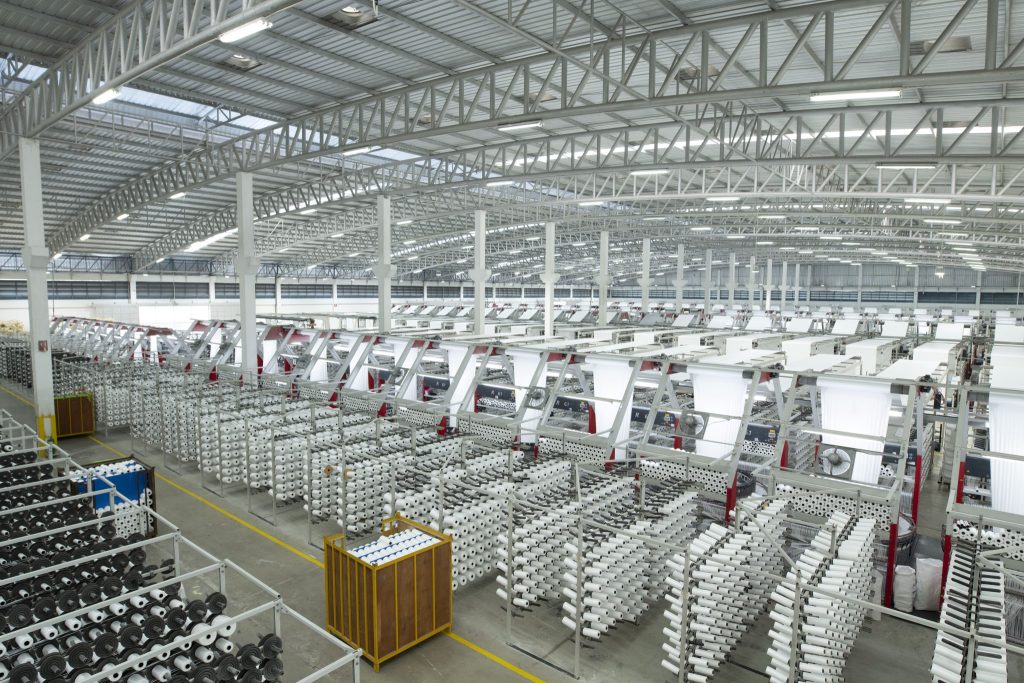
1) Tape extrusion & drawing. Virgin or qualified recycled PP pellets are extruded into film, slit into tapes, and orientation‑drawn to raise modulus and tensile strength. Quality gates: denier uniformity, gel count, shrink, and UV masterbatch dosing for outdoor or yard exposure. The paradox is simple: control the microns, command the megatons.
2) Weaving. Tapes become tubular or flat fabrics at 9×9–14×14 ends/inch. Loom rooms monitor mesh accuracy, warp/weft tensile, and cleanliness to protect optical faces. Balanced weaves stabilize seam efficiency and printing register; imbalance today becomes split seams tomorrow.
3) Lamination / coating. A BOPP face (~18–30 μm, gloss or matte) is bonded using a PP/PE extrusion tie (~12–25 μm) or solventless adhesives kept PP‑compatible for recycling. Targets: dyne ≥38 dyn/cm, peel strength within spec, pinhole minima, and haze/clarity metrics when windows are specified. Lamination sets the bag’s “voice”—how it looks, feels, and wears.
4) Printing. Reverse flexographic printing (often 7–9 colors) places artwork under the BOPP, so the wear layer takes abrasion. Variable‑data panels are positioned in low‑glare zones to support high scanner hit rates; recycling marks (resin code 5 PP) and batch data stay legible after transit.
5) Conversion. Bodies are cut and formed; bottoms are made block‑bottom (hot‑air welded) or sewn/pinch; mouths are hemmed (open) or fitted with valve sleeves (self‑close / heat‑seal / ultrasonic). Micro‑perfs are dialed in for fluffy powders; heat‑sealed valves are favored for long export voyages and high stacking.
6) Testing & release. Dimensional checks; seam and tear metrics (e.g., ASTM D5034/D5035); drop behavior (ASTM D5276 reference); COF (ASTM D1894 reference); ink rub; and, where relevant, food‑contact migration per EU 10/2011 or FDA 21 CFR §177.1520. Certificates of Analysis tie results to lot IDs. For tenders and ESG packs, independent labs (e.g., SGS, Intertek, TÜV Rheinland) provide third‑party reports. Testing is not theater; it is the bridge between promise and proof.
System thinking in one breath. Extrusion earns strength; weaving sets rhythm; lamination defines optics; printing builds persuasion and traceability; conversion tunes line speed and closure behavior; testing converts claims into data. Break one link and the whole chain pays.
What is the application of Polypropylene Bags?
Food & agriculture. Rice, pulses, grains, and seeds want humidity‑tolerant bodies and abrasion‑resistant skins. With matte BOPP and optional PP liners (40–80 μm), Polypropylene Bags protect kernels while keeping barcodes crisp for track‑and‑trace. Horizontal tie‑in: what serves rice also serves sugar and flour; vertical tie‑in: from farm gate to retail shelf, one spec, fewer surprises.
Chemicals & minerals. Salts, fertilizers, resins, and additives need sift‑proof closures and stable pallets. Valve formats shorten fill cycles; block‑bottom geometry improves layer alignment; UV stabilization preserves stockpile integrity. When rain arrives, posture beats poetry.
Retail & e‑commerce. Photo‑grade artwork under BOPP sustains shelf presence through handling, hubs, and home delivery. Anti‑slip backs (COF 0.35/0.30) keep towers upright; matte faces lift scan rates at checkout; registered windows let shoppers “trust but verify.”
Humanitarian & infrastructure. For flood defense or temporary channeling, block‑bottom builds with UV‑stabilized tapes stack truer than round‑bottom sacks and resist lateral slip under side‑load. In the field, minutes matter; standing geometry saves them.
Problem → Method → Result → Discussion. Problem: how to balance narrative (graphics, claims, labels) with endurance (handling, climate, time). Method: a PP‑only stack—woven scrim + BOPP face + PP liner as needed—with a closure mapped to the filler. Result: faster turns, fewer returns, cleaner audits. Discussion: finish (gloss pop vs matte poise), valve type (speed vs sift‑proof), liner strategy (none vs PP mono‑material vs EVOH barrier for aroma‑sensitive goods).
What is the application of Polypropylene Bags in Regulatory and ESG Programs?
Regulatory use‑cases (vertical analysis).
- Food‑contact dossiers—Migration testing to EU 10/2011 / FDA 21 CFR §177.1520; supplier letters of guarantee; ink/adhesive composition disclosures. Evidence replaces assertion.
- Hazardous‑substance attestations—Routine REACH SVHC and RoHS statements for pigments, antistats, and slip agents, especially useful in public tenders and brand audits.
- Labeling & recyclability—Design and mark per ISO 18604 / EN 13430; reinforce with resin code 5 PP and, where relevant, GB/T 16288 plastic marking. Clarity at the pack helps clarity at the MRF.
ESG alignment (horizontal analysis).
- Environmental—Mono‑material PP yields cleaner bale streams; UV stability extends service life; accurate COF reduces wrap waste. LCA models (ISO 14044) can compare PP mono‑material builds to paper‑poly hybrids.
- Social—Clear pictograms aid safe handling in multilingual warehouses; lighter mass per unit eases manual handling and reduces fatigue risk.
- Governance—Batch‑level COAs and QR‑linked traceability accelerate audits. Where PCR is used, chain‑of‑custody programs (e.g., ISCC PLUS) document recycled content and origin.
Case insight. A fertilizer exporter bidding into the EU consolidated specs under Polypropylene Bags with “5 PP” marks, ISO 18604 citations, and REACH SVHC non‑use statements. Outcome: quicker vendor qualification and fewer ESG clarifications; on the floor, valve formats cut dust at the filler and trimmed cleanup time.
Comparative lens. Against paper‑poly, Polypropylene Bags avoid wet‑weather slump and reduce MRF contamination deductions. Against mono‑PE film, they keep posture and scuff better on shelf and pallet. Against rigid buckets, they ship flatter, cutting transport emissions per kilogram delivered. The better answer is not louder; it is better balanced.
Parameter & Compliance Summary (Typical, Real‑World Ranges)
Values mirror mainstream listings across Made‑in‑China/Alibaba and converter datasheets for PP woven packaging; confirm against your filler, route, and regulatory scope.
| Attribute | Typical Options/Range | Notes |
|---|---|---|
| Capacity classes | 5, 10, 20, 25, 40, 50 kg | Retail to industrial |
| Fabric weave | 9×9 to 14×14 ends/inch | Higher mesh → finer print & dust control |
| Tape denier | ~600–1200D | Tuned to load & tear targets |
| Fabric GSM | ~70–120 g/m² (small sacks) | Heavier for 50‑kg loads |
| BOPP film | ~18–30 μm (gloss/matte) | Reverse‑printed; window optional |
| Tie/coat layer | ~12–25 μm PP/PE extrusion tie | PP‑compatible for recycling |
| Bottom style | Block‑bottom (hot‑air welded) or sewn/pinch | Stand‑up stability |
| Closure | Open‑mouth (sewn/heat) or valve (self‑close/heat/ultrasonic) | Pick per aeration & voyage length |
| COF target | ~0.35 static / 0.30 kinetic (back panel) | Anti‑slip for pallets |
| Liner | PP liner 40–80 μm (optional) | Mono‑material stream |
| UV stabilization | 400–1600 h accelerated exposure classes | For outdoor storage |
| Compliance set | FDA 21 CFR §177.1520, EU 10/2011, GB/T 8946‑2013, ISO 18604:2013, EN 13430, ISO 9001:2015, ISO 14001:2015, REACH/RoHS | Documentation ships with lots |
Data Reinforcement • Case Analysis • Comparative Research
Data. Reverse‑printed BOPP faces show lower rub‑loss than surface‑printed films; block‑bottom geometries improve pallet cubic utilization and cut leaning stacks; mono‑material PP constructions reduce contamination deductions at MRFs compared with paper‑poly hybrids. These are not outliers; they recur across converter trials and customer audits.
Case. A regional grains cooperative adopted matte‑BOPP Polypropylene Bags with valve sleeves and COF‑tuned back panels. Warehouse incidents from leaning towers decreased; barcode mis‑reads fell; bale‑back participation by distributors rose once the “5 PP” mark and QR traceability were standardized.
Comparison. Paper multiwall breathes but slumps in humidity; mono‑PE film packs seal fast but scuff and stretch; rigid HDPE pails carry a premium aura but raise freight and storage costs. Polypropylene Bags split the difference: strong, scuff‑resistant, audit‑ready, and economical to move.
Why VidePak for Polypropylene Bags
We engineer Polypropylene Bags as a system: materials that recover, closures that respect your filler, graphics that endure, and documents that pass. Each lot ships with a COA summarizing mesh/GSM, film and tie gauges, dyne/COF, seam and valve tests, UV exposure class, and the requested conformance pages (FDA/EU food‑contact where relevant, REACH/RoHS, ISO 18604/EN 13430, GB/T 8946‑2013; site ISO 9001/14001). When your route, climate, or product changes, we tune the spec—not the story—so regulatory duties and ESG commitments are met without sacrificing speed, safety, or shelf appeal.
- What is Polypropylene Bags?
- What is the features of Polypropylene Bags?
- What is the production process of Polypropylene Bags?
- What is the application of Polypropylene Bags?
- What is the application of Polypropylene Bags in Regulatory and ESG Programs?
- Parameter & Compliance Summary (Typical, Real‑World Ranges)
- Data Reinforcement • Case Analysis • Comparative Research
- Why VidePak for Polypropylene Bags
- Conclusion
Polypropylene (PP) bags are an essential packaging solution across industries, offering versatility, durability, and environmental benefits. With increasing emphasis on regulatory compliance and Environmental, Social, and Governance (ESG) commitments, businesses are prioritizing sustainable practices in their packaging choices. This article explores how polypropylene bags meet these objectives, delves into their technical specifications, and answers common questions about their applications.
Advantages of Polypropylene Bags in Regulatory and ESG Contexts
- Regulatory Compliance
Polypropylene bags adhere to stringent global standards:- Food Safety: Food-grade PP bags comply with FDA and EU regulations, making them suitable for food and agricultural products.
- Hazardous Material Packaging: UN-certified PP bags meet safety protocols for transporting chemicals and industrial materials.
- Environmental Standards: Many PP bags now align with ISO 14001 environmental management systems.
- ESG Commitments
PP bags support ESG initiatives by offering:- Recyclability: Fully recyclable materials minimize landfill waste.
- Durability: Long-lasting designs reduce the need for frequent replacements.
- Reduced Carbon Footprint: Advanced manufacturing processes like Starlinger technology improve energy efficiency.
Key Specifications of Polypropylene Bags
| Specification | Details |
|---|---|
| Material Composition | 100% virgin polypropylene resin |
| Strength | Tensile strength > 50 N/mm² |
| Capacity | From 5 kg to 2,000 kg (customizable) |
| Lamination Options | BOPP, Kraft, or multi-layer lamination |
| Printing | Up to 10 colors, suitable for branding |
| Environmental Features | UV resistance, recyclability, and biodegradability options available |
Steps to Ensure Regulatory Compliance and Sustainability
- Material Sourcing
Use high-purity polypropylene pellets. For example, VidePak ensures that all raw materials meet regulatory requirements for food safety and environmental impact. - Manufacturing Excellence
Employ advanced technologies, such as multi-layer co-extrusion for strength and durability. VidePak leverages state-of-the-art Starlinger equipment for precision and efficiency. - Customization and Testing
Design bags tailored to specific uses—e.g., waterproof options for waste management. Rigorous quality testing guarantees compliance with international standards. - End-of-Life Solutions
Partner with recycling programs to encourage proper disposal. Introducing return-and-recycle incentives can help close the sustainability loop.
FAQs About Polypropylene Bags
1. How are PP bags contributing to sustainability goals?
Polypropylene bags are highly recyclable and durable. Their lightweight nature reduces transportation emissions, and innovations like BOPP lamination ensure minimal environmental impact.
2. Are polypropylene bags suitable for food packaging?
Yes, food-grade PP bags meet FDA and EU safety standards, ensuring they are safe for direct contact with consumables.
3. What industries benefit most from polypropylene bags?
These bags serve diverse sectors, including agriculture, construction, chemicals, and retail, thanks to their customizable features and robust designs.
4. How do PP bags compare to alternatives like paper or jute?
Polypropylene bags offer superior durability, water resistance, and design flexibility, while paper and jute options may lack longevity and customization options.
5. Can these bags be customized for branding purposes?
Absolutely. Advanced printing technology allows for vibrant, multi-color branding, helping businesses create impactful packaging solutions.
Industry Trends and Innovations
- Circular Economy Practices
Leading manufacturers are integrating recycled polypropylene into new bag designs, ensuring compliance with global recycling standards. - BOPP Laminated Bags
BOPP bags are increasingly popular due to their excellent printability and moisture barrier properties. Learn more about BOPP Laminated Woven Bags and their sustainability. - Smart Packaging Solutions
Technologies like QR codes on PP bags enhance traceability, supporting ESG reporting and supply chain transparency. - Waste Management Integration
Waterproof and durable PP bags are essential for efficient waste collection and recycling. For example, polypropylene bags are revolutionizing waste management systems.
Conclusion
Polypropylene bags epitomize a perfect blend of regulatory compliance and sustainability. They are a versatile, cost-effective solution for industries striving to meet modern ESG demands while adhering to stringent global standards. With ongoing innovations, PP bags remain at the forefront of sustainable packaging trends, paving the way for a greener future.