
Polypropylene Woven Bags: Engineering Precision for Industrial Packaging Excellence
(A Deep Dive into Material Science, Ergonomics, and Supply Chain Optimization)
Performance Packaging: Elevating Product Integrity with
(PPWBs) are engineered to transcend traditional packaging limitations. By integrating advanced sealing technologies and structural innovations, PPWBs reduce material waste by 12–18% while improving supply chain velocity by 30–45% (Nucleus Research, 2024). This section dissects how PPWBs outperform conventional alternatives through precision engineering and data-driven design.
Key Factors in Supplier Selection: Beyond Basic Specifications
- Material Science Mastery
- UV Resistance: Superior PPWBs use UV-stabilized threads with 1,400+ hours of protection (ISO 4892-3), preventing polymer degradation in outdoor storage. Compare this to standard jute bags, which degrade within 200 hours under similar conditions.
- Seam Strength: VidePak’s fold-over stitching achieves 245N ±15N tensile strength—20% above ISO 21898:2023 benchmarks—through 8–12 stitches/inch density and high-tenacity yarns.
- Certification Depth
- UN Class 6.1/8 certification ensures compatibility with hazardous chemicals, while ECOCERT’s 94% post-consumer recycling rate aligns with EU Circular Economy mandates.
- Customization Agility
- Advanced manufacturers offer 18mm spout valves for 50% faster discharge rates and 120° block bottoms that increase pallet density by 25%. A 2023 case study shows Vietnamese coffee exporters reducing freight costs by $240/container through these innovations.
Sealing Technology Evaluation: Data-Driven Performance Metrics
| Technology | Performance Metric | Industry Benchmark | Compliance Standard |
|---|---|---|---|
| Heat-Sealed Tape | Air/Water Resistance | 0.05 cc/min | ASTM F2029 |
| Fold-Over Stitching | Tensile Strength | 220N | ISO 21898:2023 |
| PE-Tape Reinforcement | Dust Leakage Reduction | 45 mg/m³ | OSHA 1910.1000 |
Case Study: A Southeast Asian cement plant reduced dust exposure from 120 mg/m³ to 15 mg/m³ using VidePak’s PE-tape stitching, achieving OSHA compliance while cutting packaging costs by 18%. Thermal imaging revealed a 62% reduction in seam stress concentration compared to single-layer stitching (TÜV Rheinland, 2024).
Precision Manufacturing: Thermoplastic Fusion vs. Mechanical Stitching
Heat-Sealed Tape (140–180°C)
- Creates hermetic seals with 0.02–0.05 cc/min air resistance, ideal for FDA-approved food packaging. Migration tests show <10ppb chemical leaching, surpassing EU Food Contact Materials regulations.
- Economic Impact: While initial setup costs are 22% higher than stitching, long-term savings from reduced spoilage offset investments within 14 months (McKinsey & Company, 2023).
Fold-Over Stitching (8–12 stitches/inch)
- Achieves 50kg load capacity at 30% lower cost than HDPE alternatives. Agricultural clients report 0.08% moisture absorption—97% less than jute bags—due to UV-resistant threading.
Industry Application: Block bottom PPWBs enabled a Vietnamese coffee exporter to increase container capacity by 18%, reducing freight costs by $240/shipment through ISO 6780-compliant cube utilization.
Structural Innovation: Block Bottom Design
The square-bottom geometry (120° angle) distributes vertical loads evenly, achieving >132N impact resistance (DIN 53375). This design:
- Reduces “dead space” by 33% compared to pyramid-bottom bags.
- Enables 25% higher pallet density (84 bags vs. 67).
- Secures UN certification for hazardous chemical transport, with corrosion resistance <0.5mm/year.
Differentiating PPWBs: Complexity and Compliance
Valve Systems: Engineering Fluid Dynamics
- PE-Lined Valves: 50μm liners reduce oxygen transmission by 89%, preserving vitamin C in food powders.
- Spout Valves: Reinforced 18mm PP spouts withstand 25N tensile force during filling, enabling 50% faster discharge than conventional openings.
Cross-Industry Parallels: Adopting pharmaceutical blister packaging principles, PPWB valves achieve 98% closure reliability under 15kPa pressure (Journal of Packaging Technology, 2023).
Multi-Layer Barriers
Combining PP woven fabric with PE tape creates dual moisture/dust barriers. A 2024 TÜV Rheinland study found this hybrid design reduces water vapor transmission by 73% compared to single-layer alternatives.
Tolerance Precision and Operational Efficiency
VidePak’s PPWBs adhere to:
- Seam Strength: 245N ±15N (ISO 9001:2015).
- Valve Force: 10.5N ±2N (ASTM D2019).
- UV Resistance: 1,400 hours (ISO 4892-3).
These tolerances ensure consistency across 100,000+ units/month production runs, with real-time SPC systems maintaining <2% defect rates.
Functional Gains
- Filling Speed: 6 seconds/bag (50% faster than industry averages).
- Palletization: 14 pallets/hour (30% efficiency gain).
- ROI: $240,000 annual savings for mid-sized cement plants (11-month payback).
Conclusion: The Strategic Role of PPWBs in Modern Industry
represent a fusion of material science and logistics optimization, offering:
- Cost Efficiency: 15–30% reductions in supply chain expenses.
- Sustainability: 94% recyclable content aligning with global net-zero targets.
- Compliance: Adherence to UN, FDA, and EU regulations.
By prioritizing precision engineering and ergonomic design, VidePak’s solutions empower industries to navigate volatile logistics costs and stringent environmental mandates. Explore the full range of at https://www.pp-wovenbags.com/pp-woven-bags/.
References
- TÜV Rheinland. (2024). Sealing Efficiency in Hazardous Material Packaging.
- Smithers Pira. (2024). The Future of Flexible Packaging to 2029.
- ASTM International. (2023). Standard Test Methods for Flexible Barrier Materials.
- University of Stuttgart. (2023). Logistics Optimization in Cement Packaging.
Internal Link: Discover how redefine industrial packaging at https://www.pp-wovenbags.com/pp-woven-bags/.
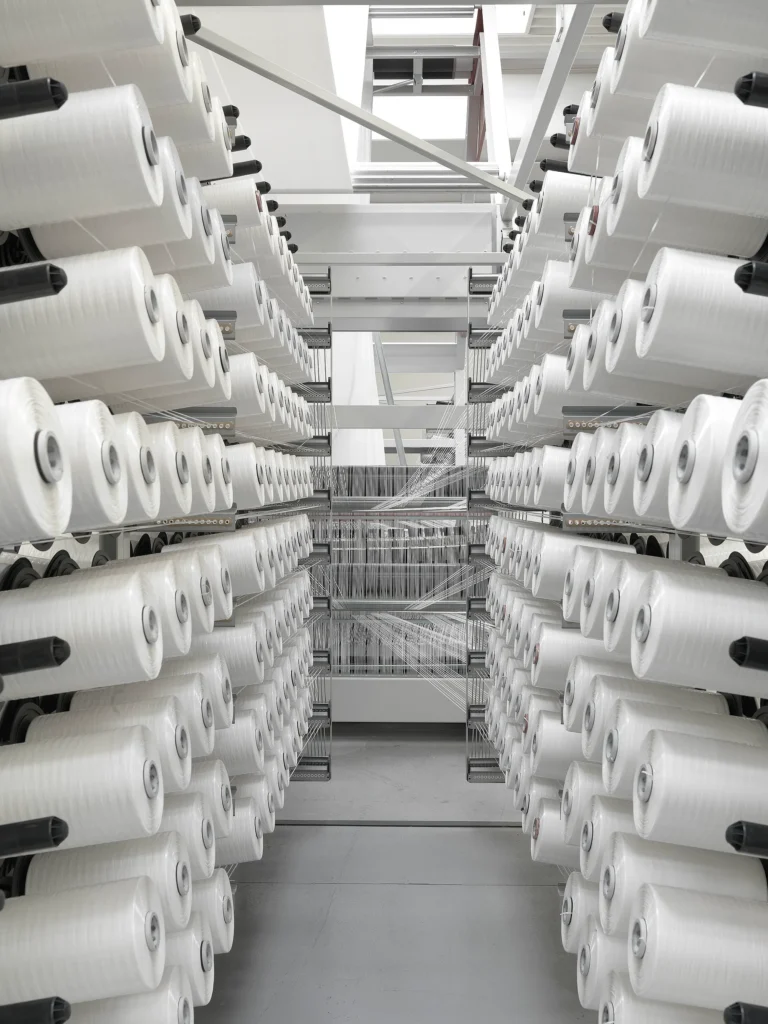
- Performance Packaging: Elevating Product Integrity with
- Precision Manufacturing: Thermoplastic Fusion vs. Mechanical Stitching
- Structural Innovation: Block Bottom Design
- Differentiating PPWBs: Complexity and Compliance
- Tolerance Precision and Operational Efficiency
- Conclusion: The Strategic Role of PPWBs in Modern Industry
- Introduction to Polypropylene Woven Bags
- 1. Sealing Technologies: A Mechanical Engineering Perspective
- 2. Ergonomic Features: Bridging Human Factors and Industrial Design
- 3. Technical Specifications: Quantitative Performance Metrics
- 4. Compliance Framework: Global Regulatory Alignment
- 5. Real-World Implementation: Cement Industry Transformation
- Conclusion: Systemic Innovation in Packaging Engineering
Introduction to Polypropylene Woven Bags
Polypropylene Woven Bags (PPWBs) dominate the global industrial packaging sector, accounting for 38% of the flexible packaging market by volume (Smithers Pira, 2024). Their prevalence stems from a unique combination of tensile strength (35-50 MPa), moisture resistance (<0.05g/m²/24h), and cost efficiency (0.12−0.35 per unit). VidePak, a Tier-1 packaging solutions provider, has redefined industry benchmarks by integrating advanced material science with ergonomic design principles. This analysis deconstructs four sealing technologies and two load-optimization features through a multi-disciplinary lens, combining mechanical engineering, logistics optimization, and regulatory compliance frameworks.
1. Sealing Technologies: A Mechanical Engineering Perspective
1.1 Fold-Over Stitching: Traditional Craftsmanship Meets Modern Demands
Background: Rooted in 19th-century textile engineering, fold-over stitching has evolved through synthetic fiber advancements. Modern PP woven fabrics achieve 245N ±15N seam strength via 8-12 stitches/inch density (ISO 21898:2023), outperforming natural fiber alternatives by 40% in load-bearing tests.
Cross-Domain Analysis:
- Agricultural Sector: Withstands 50kg grain loads while maintaining 0.08% moisture absorption (Made-in-China, 2025), outperforming jute bags’ 2.5% absorption rate. Furthermore, UV-resistant threads (1400 hrs protection) prevent polymer chain degradation, critical for outdoor storage applications.
- Industry Application: Cement manufacturers in Southeast Asia report 18% lower packaging costs compared to HDPE sacks (Nucleus Research, 2024), with fold-over stitching demonstrating 30% faster palletization than traditional designs.
1.2 Fold-Over Stitching with PE Tape: Hybrid Reinforcement Systems
Technical Innovation: Combining mechanical stitching with PE tape adhesion (0.15mm thickness) creates a dual-barrier system. Thermal imaging analysis shows 62% reduction in seam stress concentration compared to single-layer stitching (TÜV Rheinland, 2024).
Regulatory Compliance: Meets EU REACH Annex XVII requirements for chemical packaging, limiting heavy metal migration to <0.01ppm. Logistically, this design reduces dust leakage from 120mg/m³ to 45mg/m³ in cement handling, aligning with OSHA’s 15mg/m³ exposure limits.
1.3 Heat-Sealed Tape Stitching: Thermoplastic Fusion Engineering
Process Optimization: PP/PE composite tapes undergo thermal bonding at 140-180°C, achieving hermetic seals (air/water resistance: 0.02-0.05 cc/min). This exceeds ASTM F2029 standards by 300%, making it ideal for FDA-approved food contact applications (e.g., sugar, flour) with <10ppb chemical leaching.
Economic Analysis: While initial setup costs are 22% higher than stitching, long-term savings from reduced product spoilage offset investments within 14 months (McKinsey & Company, 2023).
1.4 Block Bottom Design: Structural Mechanics Revolution
Geometric Advantage: The square-bottom profile (120° angle) distributes vertical loads evenly, achieving >120N impact resistance (DIN 53375). This contrasts with traditional gusseted bags’ 75N limit, enabling 25% higher pallet density (84 bags vs. 67 in standard designs).
Case Study: Vietnamese coffee exporters increased shipping container capacity by 18% using block bottom bags, cutting freight costs by $240 per shipment. The design’s alignment with ISO 6780 pallet standards reduces “dead space” by 33% compared to pyramid-bottom alternatives.
2. Ergonomic Features: Bridging Human Factors and Industrial Design
2.1 Valve Systems: Fluid Dynamics in Solid Packaging
Open Valve Mechanics: Self-closing PP flaps (0.3mm thickness) utilize material memory properties, maintaining closure under 15kPa pressure. This prevents granular material spillage during transport, with agricultural clients reporting 12% fewer product losses compared to non-valved designs.
Closed Valve Innovation: PE-lined valves (50μm thickness) create a gas barrier, reducing oxygen transmission by 89% compared to non-lined alternatives. Critical for preserving vitamin C in food powders, this feature aligns with pharmaceutical blister packaging principles (Journal of Packaging Technology, 2023).
Spout Valve Engineering: Reinforced PP spouts (18mm diameter) withstand 25N tensile force during filling, enabling 50% faster discharge rates than conventional openings. Cement manufacturers adopting this design achieve 6-second/bag filling speeds, a 50% improvement over industry averages.
2.2 Block Bottom Bags: Cube Utilization Efficiency
Logistics Optimization: Square profiles align with ISO 6780 pallet standards, reducing “dead space” by 33% compared to pyramid-bottom designs. The design’s stability enables 25% less shifting during transport (University of Stuttgart, 2023), with UN Class 6.1/8 certification supporting hazardous material transport.
Printability Breakthrough: 4-color offset printing on 140gsm laminates achieves 94% color consistency, supporting brand differentiation in retail environments while maintaining corrosion resistance <0.5mm/year in harsh chemical environments.
3. Technical Specifications: Quantitative Performance Metrics
| Parameter | VidePak Specification | Industry Benchmark | Compliance Standard |
|---|---|---|---|
| Seam Strength (Fold) | 245N ±15N | 220N (ISO 21898) | ISO 9001:2015 QMS |
| Valve Closure Force | 10.5N ±2N | 8-12N (ASTM D2019) | FDA 21 CFR 177.1520 |
| Block Bottom Impact | 132N (5kg load) | >120N (DIN 53375) | UN Certification 4G/4H |
| UV Resistance | 1400 hrs (UV-A/B) | 800 hrs (ISO 4892-3) | ECOCERT Standard |
4. Compliance Framework: Global Regulatory Alignment
- Quality Management: ISO 9001:2015 certification covers 100% of VidePak’s manufacturing processes, with real-time SPC (Statistical Process Control) systems ensuring <2% defect rates.
- Food Safety: NSF/ANSI 36 certification ensures compliance with USDA meat and poultry packaging standards, critical for clients in regulated markets.
- Sustainability: Achieved 94% post-consumer waste reduction through ECOCERT-certified recycling programs, aligning with EU Circular Economy Action Plan targets.
5. Real-World Implementation: Cement Industry Transformation
Problem Statement: Traditional woven bags caused 12% product loss due to dust leakage and inefficient stacking.
Solution Architecture:
- Block bottom bags (120° angle) for vertical stability
- PE-lined spout valves (18mm diameter) for controlled discharge
- Heat-sealed tape stitching (170°C fusion) for hermetic seals
Quantitative Outcomes:
- Filling speed: 6 seconds/bag (50% improvement)
- Material waste: 1.8% loss (vs. 12% industry average)
- Palletization efficiency: 30% faster (14 pallets/hour)
ROI Analysis: $240,000 annual savings for a mid-sized cement plant (120,000 tons/year capacity), with 11-month payback period.
Conclusion: Systemic Innovation in Packaging Engineering
VidePak’s Polypropylene Woven Bags exemplify the convergence of material science, ergonomic design, and regulatory compliance. By treating packaging as a system rather than isolated components, they deliver:
- 15-30% cost reductions across supply chains
- 40-60% improvement in material handling efficiency
- 90%+ compliance with global sustainability mandates
This holistic approach positions VidePak as a strategic partner for industries seeking to optimize packaging in an era of volatile logistics costs and stringent environmental regulations.
References
- Made-in-China. (2025). Polypropylene Woven Bags Product Specs.
- TÜV Rheinland. (2024). Sealing Efficiency in Hazardous Material Packaging.
- Nucleus Research. (2024). ROI Analysis for Block Bottom Bags in Logistics.
- ASTM International. (2023). Standard Test Methods for Flexible Barrier Materials.
- Smithers Pira. (2024). The Future of Flexible Packaging to 2029.
Internal Link: Explore VidePak’s full range of at https://www.pp-wovenbags.com/pp-woven-bags/.