
What are PP Woven Bags?
PP Woven Bags—also called polypropylene woven sacks, woven poly open‑mouth bags, or woven poly valve sacks—are flexible industrial packages built from oriented polypropylene (PP) tapes that are woven into a textile substrate and then converted into finished bags. The woven skeleton yields high tensile strength at modest mass, which is why PP Woven Bags dominate 10–50 kg fills of powders, pellets, and granules across food ingredients, animal nutrition, fertilizers, chemicals, seeds, and construction minerals. Format variants include open‑mouth sewn bags, pinch/heat‑sealed formats, and valve‑type sacks for automated powder dosing.
In everyday operations, PP Woven Bags do three jobs at once: they protect the product from puncture and handling abuse, they manage moisture and dust via liners or coatings, and they communicate brand/regulatory information on broad, printable panels. When these three jobs are engineered as one interdependent system, plants achieve quicker throughput, fewer split‑bag incidents, calmer pallets, and cleaner warehouses from filler to customer.
What are the features of PP Woven Bags?
To make the value tangible, we frame features as four interlocking pillars: mechanical integrity, barrier & hygiene, usability & communication, and sustainability & governance. Tuning one pillar moves the others; the winning specification balances them to product risk, filler hardware, and logistics.
Pillar 1 — Mechanical Integrity
Background. Real bags live with conveyor edges, pallet corners, and forklift tines. Strength must be reliable, not theoretical.
- Fabric strength. Woven PP tapes in the ~700D–1200D window, at roughly 8×8 to 12×12 picks/inch, deliver strip tensile and puncture resistance for abrasive contents (e.g., calcium carbonate, sharp‑corner pellets).
- Bottom & seams. Double‑turned or pinch‑bottom closures distribute impact and minimize sifting; drag‑zone reinforcement resists seam peel when bags are pulled across rough floors.
- Stack stability. Anti‑slip overprints or micro‑texture bands raise coefficient of friction (COF) between bags, calming pallets on smooth decks.
Pillar 2 — Barrier & Hygiene
Background. Hygroscopic and dusty SKUs stress closures and coatings. The aim is not absolute barrier at any cost, but the right moisture moderation with maintainable cleanliness.
- Liners as levers. Optional PE tubular liners (30–70 μm) moderate WVTR for flour, sugar, mineral premixes, fertilizers; co‑ex liners or EVOH layers address aroma/oxygen‑sensitive recipes.
- Surface programs. Light PE coatings enable heat‑seal options and wipe‑down without full lamination; localized micro‑perfs above headspace vent trapped air during fast fills.
- Print hygiene. Matte code zones and low‑odor ink systems support barcode legibility and food/feed adjacency.
Pillar 3 — Usability & Communication
Background. Operators need fast opening, reliable closures, and codes that scan first‑time in mixed lighting.
- Fill interfaces. Open‑mouths accept shovels or belts; valve sacks pair with automated powder fillers for cleaner dosing.
- Closures. Sewn, heat‑seal on coated fabric, or cable tie—matched to dust risk and route distance; EZ‑open tapes reduce knife use.
- Readable panels. Matte bands preserve barcode grade; stitched label pockets protect safety data and declarations.
Pillar 4 — Sustainability & Governance
- Prevent loss first. Right‑weight denier, stabilize UV packages (~200–300 kLy) to prevent outdoor failures, and tune COF to avoid pallet slides—because avoided product loss beats any thin‑gauge claim.
- Mono‑polymer logic. Prefer BOPP+PP+PE stacks where recycling streams exist.
- Documentation. ISO 9001:2015; ISO 14001:2015; ISO 22000:2018/FSSC 22000 when food/feed adjacent; REACH (EC) 1907/2006 SVHC non‑intent; EU 94/62/EC heavy‑metals total <100 ppm.
What is the production process of PP Woven Bags?
From resin to qualified bag, performance emerges from a linked chain: resin & masterbatch → tape extrusion/drawing → weaving → stabilization → optional lamination/printing → forming & closing → finishing & QA. Every step constrains the next; robust specs capture the few variables that matter most.
What is the application of PP Woven Bags?
PP Woven Bags excel where rugged handling, balanced moisture control, and readable branding must coexist. Below, we map common lanes to design choices that work in the field.
Reference fills: 10/20/25/40/50 kg. Valve spouts commonly 35–55 mm. Typical flat sizes: 45×75 cm and 50×80 cm for 25–50 kg (tolerance ±10 mm). For further reading and options, see the anchor here: PP Woven Bags.
Mapping the headline: “PP Woven Bags: A Comprehensive Guide to Materials and Manufacturing”
How we organized the thinking. The headline points to two master levers—materials and manufacturing—and one outcome: a guide you can operationalize. We decomposed the challenge into six sub‑problems and recomposed an integrated plan with data, cases, and comparisons.
Sub‑problem 1 — Material science levers
Data reinforcement. Tape denier, weave density, and coating weight interact to set tensile, tear, and WVTR. Peer catalogs and papers converge around 700D–1200D and 8×8–12×12 picks/inch for 10–50 kg formats. Case analysis. Upgrading a mineral SKU from 800D/10×10 to 1000D/12×12 increased puncture tolerance enough to survive forklift brush‑bys without adding liners. Comparative study. Higher denier raises strength but can reduce foldability; coatings enable heat‑seal but increase stiffness—balance per filler and route. Outcome. Abrasive powders → 900–1200D & 10×10–12×12; damp aggregates → 8×8–10×10 with localized venting.
Sub‑problem 2 — Manufacturing controls
Data reinforcement. CTQs include draw ratio, loom tension, seam diagram, micro‑perf count, anti‑slip coat weight, ΔE targets. Case analysis. Introducing SPC on ΔE and COF cut scan‑glare rejects and pallet slides in the same quarter. Comparative study. Over‑tight weave smooths print but slows venting; under‑tight weave fills fast but roughens print—hedge by adding matte code bands. Outcome. Lock CTQs on the traveler and tie to retained samples.
Sub‑problem 3 — Supply‑chain alignment
Data reinforcement. The biggest hidden cost is rework, not grams of polymer. Case analysis. Standardizing two footprints + one seam program across co‑packers cut cross‑dock rework by double digits. Comparative study. Centralized printing lowers unit cost but increases freight risk; regional print with national resin buys balances agility and price. Outcome. Fix footprints, diversify finishing, synchronize coatings to your pallet films.
Sub‑problem 4 — Compliance strategy
Data reinforcement. Align with ISO 9001/14001 and, when feed/food adjacent, ISO 22000:2018 or FSSC 22000. Materials governance: FDA 21 CFR 177.1520; EU 1935/2004 & (EU) 10/2011; REACH SVHC; EU 94/62/EC. Case analysis. A flour exporter that pre‑packed DoCs and migration reports shortened border holds. Comparative study. Single‑market paperwork saves now but hurts agility later; dual‑market packs cost more up front but multiply selling options. Outcome. Bundle DoCs + retained‑sample protocols in the master spec.
Sub‑problem 5 — Cost model and risk pooling
Data reinforcement. Plate changes and color drift, not only polymer prices, drive volatility. Case analysis. Consolidating SKUs to three brand colorways reduced makeready ~18% while preserving tiering. Comparative study. Exotic finishes look premium online but scuff offline; matte + targeted gloss keeps both worlds happy. Outcome. Design for consistent press time, not just grams saved.
Sub‑problem 6 — Sustainability that counts
Data reinforcement. The largest carbon win is avoided product loss; next is right‑weighting and compatible polymers. Case analysis. Anti‑slip coatings that prevented pallet slides reduced returns more than a 5% down‑gauge ever did. Comparative study. Recyclability claims ring hollow if failure rates rise; durability and fit must come first. Outcome. Engineer to prevent loss, then optimize mass, then harmonize polymers.
Key Specifications & Test Methods (reference ranges)
Professional Knowledge Reinforcement
Integrated Solution Blueprint for VidePak
- Map risk → pick structure. Abrasive powders: 900–1200D, 10×10–12×12 weave, double‑turned or pinch bottoms. Hygroscopic formulas: 40–60 μm liner + reduced micro‑perfs. Retail‑heavy SKUs: matte panels + barcode grade ≥3.0.
- Engineer for the lane. Validate COF on your pallet films (~0.5 target); run full‑orientation drops (0.8–1.2 m); time filler cycles after micro‑perf or valve changes.
- Assure compliance. Maintain DoCs (FDA/EU), REACH SVHC statements, EU 94/62/EC totals; prepare migration reports if liners/laminates are used; retain samples per ISO 9001.
- Control variation. SPC on denier, picks/inch, bond strength, coating weight, and ΔE color; first‑article approvals for valve sleeve, bottom geometry, label pocket placement.
- Pursue sustainability. Prevent product loss first (seam design, anti‑slip, palletization). Then right‑weight grammage; favor mono‑polymer stacks where collection streams exist.
Why VidePak
Engineering‑first. We specify PP Woven Bags as configurable systems tuned to your powder behavior, climate, and filler hardware—not generic SKUs. Operator‑centric. Closures, EZ‑open features, and anti‑slip strategies are specified for gloved hands and real pallet films. Audit‑ready. Documentation packs (DoCs, migration tests, CoAs, change control) align with ISO and FDA/EU frameworks so audits are predictable.
Call to Action
Share your product type, particle size/flow index, moisture window, route conditions, and shelf requirements. We’ll return a PP Woven Bags specification—fabric density, denier, bottom style, valve geometry (if used), liner plan, COF target, and print program—plus a validation matrix (drop/compression/WVTR/COF/barcode) your plant can run without halting production.
- What are PP Woven Bags?
- What are the features of PP Woven Bags?
- What is the production process of PP Woven Bags?
- What is the application of PP Woven Bags?
- Mapping the headline: “PP Woven Bags: A Comprehensive Guide to Materials and Manufacturing”
- Key Specifications & Test Methods (reference ranges)
- Professional Knowledge Reinforcement
- Integrated Solution Blueprint for VidePak
- Why VidePak
- Call to Action
“What determines the durability and flexibility of PP woven bags?”
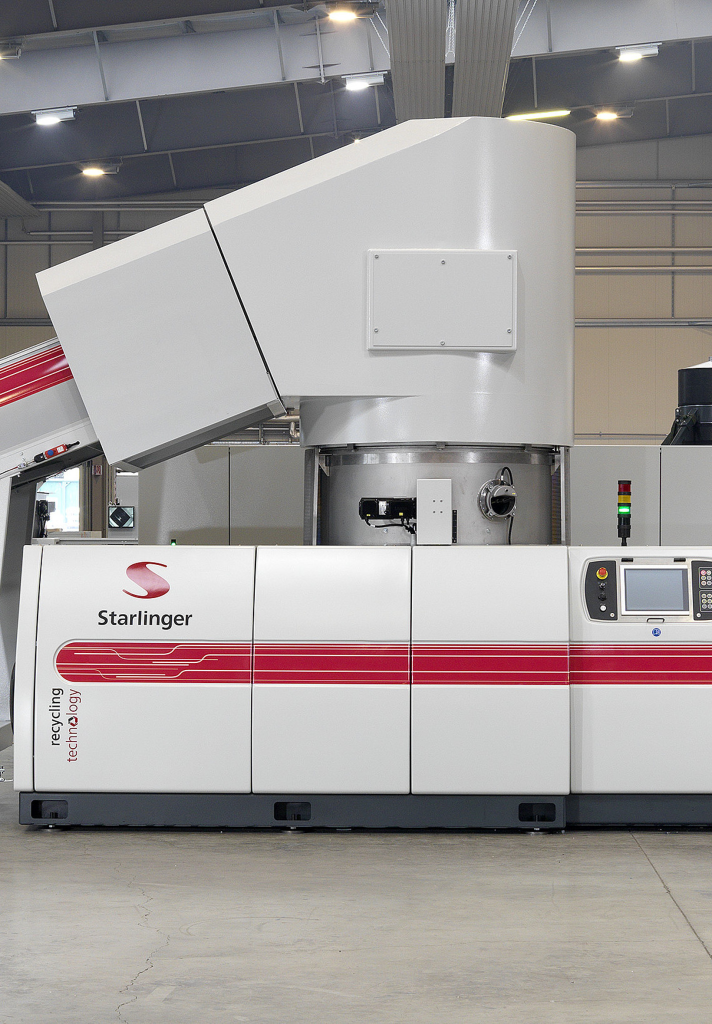
The answer lies in three critical manufacturing stages—extrusion, tape stretching (drawing), and weaving—each of which directly impacts the structural integrity and performance of the final product. At VidePak, a global leader in woven bag production, advanced machinery like Austria’s Starlinger equipment and precision process controls ensure that every bag meets rigorous quality standards, balancing strength with adaptability.
1. Introduction: The Science Behind PP Woven Bags
Polypropylene (PP) woven bags are ubiquitous in industries ranging from agriculture to construction, prized for their lightweight yet durable nature. However, their performance hinges on the interplay of materials and manufacturing techniques. This report delves into how extrusion, stretching, and weaving processes shape the bags’ durability and flexibility, with insights from VidePak’s 30+ years of expertise and cutting-edge production infrastructure.
2. Material Selection: The Foundation of Quality
PP resin, the primary raw material, is chosen for its high tensile strength, chemical resistance, and recyclability. VidePak uses 100% virgin PP to avoid impurities that compromise integrity, ensuring compliance with global standards like FDA and EU regulations.
Key Consideration:
“Virgin PP isn’t just about purity—it’s about predictability. Recycled materials introduce variability that can destabilize extrusion and stretching processes.”
— Ray, CEO of VidePak
3. Manufacturing Processes: A Triad of Precision
3.1 Extrusion: Melting and Film Formation
Extrusion transforms PP pellets into flat films, which are later slit into tapes. VidePak’s 16 extrusion lines operate at temperatures between 200–250°C, optimized to prevent polymer degradation while ensuring uniform thickness (<0.05mm tolerance).
- Impact on Durability:
- Inconsistent melt temperatures cause weak spots, reducing tensile strength.
- Overheating degrades PP, leading to brittleness; underheating results in incomplete polymer bonding.
3.2 Tape Stretching (Drawing): Aligning Molecular Chains
Stretching aligns PP’s polymer chains, enhancing tensile strength. VidePak’s Starlinger machines apply a draw ratio of 5:1 to 7:1, increasing tensile strength by 30% compared to unstretched tapes.
- Impact on Flexibility:
- Higher draw ratios improve strength but reduce elongation, affecting flexibility.
- Controlled stretching minimizes surface defects (e.g., fibrillation), which can cause premature wear.
| Draw Ratio | Tensile Strength (N/cm²) | Elongation at Break (%) |
|---|---|---|
| 5:1 | 35–40 | 20–25 |
| 6:1 | 42–47 | 15–20 |
| 7:1 | 48–55 | 10–15 |
3.3 Weaving: Balancing Strength and Flexibility
Weaving interlaces tapes into a fabric. VidePak’s 100+ circular looms maintain consistent warp and weft tension, ensuring uniform weave density (e.g., 10×10 strands per inch for heavy-duty bags).
- Impact on Both Properties:
- Tight weaves enhance durability but reduce flexibility.
- Uneven tension during weaving creates weak points, increasing rupture risk.
4. Case Study: VidePak’s Process Optimization
VidePak’s $80M annual revenue stems from its ability to tailor processes for specific applications:
- Cement Bags: Use a 7:1 draw ratio and tight weave (12×12 strands/inch) for abrasion resistance.
- Agricultural Sacks: Opt for a 6:1 ratio and looser weave (8×8 strands/inch) to accommodate shifting contents.
FAQs:
- How does tape thickness affect performance?
Thinner tapes (0.04–0.06mm) enhance flexibility but require higher-quality resin to prevent breakage. - Can additives improve properties?
Yes—VidePak uses modifiers like RQT-GFS-8T to boost tensile strength by 15% without sacrificing flexibility.
5. Sustainability and Innovation
VidePak aligns with ESG principles through:
- Energy Efficiency: Solar-powered extrusion lines reduce carbon footprint.
- Waste Reduction: 98% of production scraps are recycled into new tapes.
Future Trends:
- Bio-Based PP: Trials with 30% plant-derived resins aim to cut fossil fuel reliance by 2026.
- Smart Weaving: IoT-enabled looms for real-time tension monitoring, piloted in Q3 2025.
For deeper insights into material innovations, explore our guides on material diversity and production techniques and automation in weaving.
6. Conclusion: Engineering Excellence for Global Demands
PP woven bags are a testament to the synergy between material science and precision engineering. By mastering extrusion, stretching, and weaving, VidePak delivers products that meet the dual demands of durability and flexibility, setting a benchmark in sustainable packaging.
Final Thought:
“In the world of packaging, every gram of material and every degree of temperature matters. VidePak’s success lies in treating both as variables to optimize, not constants to accept.”
— Advanced Materials Journal, 2025