
Printed Woven Bags — Enhancing Warehouse Management with Color Coding
As a VidePak marketing specialist, this rewrite reframes Printed Woven Bags as a logistics instrument rather than a passive container. Through systems thinking, it links polymer choices, weave design, surface energy, color‑management discipline, warehouse human‑factors, and audit‑grade compliance into a single, testable operating model. The goal is simple: faster picks, cleaner pallets, fewer errors—and bags that broadcast meaning from ten meters away.
What are Printed Woven Bags? (a.k.a. color‑coded PP woven sacks / printed raffia bags)
Printed Woven Bags are woven polypropylene (PP) or HDPE sacks whose surfaces carry engineered graphics—color panels, symbols, lot codes, and machine‑readable marks—applied via flexographic or gravure printing and optionally protected with PE coating or BOPP film. Also known as color‑coded PP woven sacks, printed raffia bags, or printed PP tape‑fabric sacks, they are designed for 5–50 kg loads that must be unmistakable at a glance yet rugged in transit: fertilizers, animal feed, sugar, grains, resins, salts, pigments, and construction powders.
Background and domain context. From a materials perspective, Printed Woven Bags behave like tape‑fabric composites. The mechanical spine comes from oriented PP tapes; performance then pivots on mesh density, denier, and fabric GSM. Printing introduces a second engineering stack: surface energy (dyne level), roughness, dot gain, colorimetric stability, and barcode contrast. Operations adds a third layer: wayfinding, throughput, and ergonomics. Horizontally, the bag marries geotextile load paths with oriented‑film optics and 5S visual management. Vertically, the story proceeds resin → tape → weave → surface prep (corona) → lamination/printing → conversion → QA → palletization → scan‑at‑dock. Touch any tier and downstream behavior shifts.
Data reinforcement. Market‑credible ranges: fabric ~60–140 g/m², mesh ~9×9–14×14, tape ~600D–1500D; PE coating ~10–30 g/m²; BOPP film ~15–25 µm (gloss or matte) when high‑fidelity graphics or extra abrasion resistance are required. Footprints cluster at ~40×60 cm (25 kg) and ~50×80 cm (50 kg) with widths ~35–100 cm. Typical print capacity: flexo 4–6 colors; gravure 8–10 colors.
Case analysis. A coastal feed mill re‑indexed SKUs using a three‑hue scheme on Printed Woven Bags (green = base, amber = medicated, purple = premium). Mis‑picks fell 29% in 60 days; forklift dwell at racking shortened by ~12 seconds per pallet; and audit time compressed because visual cues replaced clipboards.
Comparative study. Versus plain woven sacks: faster recognition, fewer labeling layers, lower rework. Versus paper multiwall: far better wet strength and clamp‑truck survivability with similar legibility on matte‑laminated faces. Versus mono‑film PE sacks: improved pallet friction and seam robustness while delivering comparable chroma on laminated builds.
What are the features of Printed Woven Bags?
Color systems that carry meaning. Matching to Pantone or RAL is necessary but not sufficient. Lock a ΔE*ab ≤ 3 target under CIE Lab* for critical hues; define LRV (light reflectance value) bands so the red for NPK does not collide with the red for micronutrients under 5000 K LED lighting. Consistency beats intensity; signaling beats decoration.
Substrate options for print quality. Plain woven offers breathability but higher dot gain; PE‑coated faces reduce porosity and sharpen edges; BOPP‑laminated faces (clear or matte) create a near‑film print plane that stabilizes halftones, protects ink from abrasion, and lowers barcode rejection rates.
Iconography & code legibility. GS1 barcodes and QR require contrast and quiet zones. With matte BOPP, code grades ≥ B (per ISO/IEC 15416) are routine. Keep variable data out of clamp paths and away from fold lines. Minimum recommended X‑height: ≥ 1.2 mm for warehouse lighting.
COF & handling safety. Anti‑slip coatings set bag‑to‑deck COF ~0.40–0.55, balancing conveyor feed with tall‑stack stability. UV stabilization preserves faces in yard storage; antistatic packages mitigate charge in fine powders.
Edge & seam integrity. Hemmed mouths control fray; single/double‑fold bottoms with single/double stitching distribute impact loads. Stitch pitch and thread count are matched to content abrasiveness and expected drop energy.
Horizontal thinking. Materials engineering drives surface smoothness (via mesh/denier); printing translates smoothness into lower dot gain; warehouse science ties cleaner halftones to higher scan rates and fewer pick errors. Three disciplines, one outcome.
Vertical thinking. Adjust mesh → surface profile flattens → lamination wet‑out stabilizes → ΔE stays in spec → color cues remain unambiguous → mis‑picks decline. Small upstream edits render large downstream gains.
Data reinforcement. For 50 kg SKUs: GSM ~90–120, mesh ~10×10–12×12, BOPP 15–25 µm, COF ~0.40–0.55; post‑corona dyne ~38–42 dynes.
Case analysis. A fertilizer distributor layered diagonal hazard bands and iconography on Printed Woven Bags. Near‑misses dropped and dock audits became visual, not verbal. The brand didn’t shout; it signaled.
Comparative study. Matte vs gloss BOPP: matte hides rub marks and calms LED glare; gloss amplifies saturation for retail drama but risks scanner glare. Choose by route, not by taste.
What is the production process of Printed Woven Bags?
1) PP granules selection & tape extrusion. Use raffia‑grade PP (MFI ~2–4 g/10 min at 230 °C/2.16 kg, ISO 1133). Melt, cast, slit to tapes, stretch/anneal to lock orientation. Tight gauge control narrows tape modulus/width dispersion—vital for even weave and predictable registration.
2) Weaving (circular or flat looms). Interlace tapes at the target mesh/GSM under disciplined warp tension. Weft‑stop and warp‑break detection localize defects; tight width tolerance stabilizes cutting, lamination lay‑flat, and color‑to‑color register across long runs.
3) Surface preparation & lamination. Corona treatment lifts dyne to ~38–42 dynes. Choose plain, PE‑coated ~10–30 g/m², or BOPP 15–25 µm (clear/matte). Lamination nip profiles are tuned to avoid orange‑peel that would destabilize halftones.
4) Printing. Flexo for agile 4–6 color sets and frequent art changes; gravure for 8–10 color photoreal work. Spectrophotometers verify ΔE; inline scanners grade barcodes to ISO/IEC 15416. Ink systems (PU/polyamide) are selected for bond strength and rub resistance.
5) Conversion & sewing. Heat‑cut or hemmed mouths; single/double‑fold stitched bottoms; gussets where needed. Place codes away from seam stress, stitch perforations, and clamp wear zones.
6) QA & compliance. Mechanics: tensile/tear, seam strength, ASTM D5276 drop. Friction: ASTM D1894 COF. Barrier: ASTM E96 WVTR and ASTM D3985 OTR (if barrier stacks present). Food‑contact dossiers may cite Regulation (EU) No 10/2011 and FDA 21 CFR §177.1520; governance under ISO 9001:2015, with many buyers requesting BRCGS Packaging or ISO 22000:2018.
Data reinforcement. Clear PE/BOPP stacks routinely deliver WVTR in low single‑digit g/m²·day at standard lab conditions. When plants migrate from plain woven to matte‑laminated faces, barcode grades often lift by one step (e.g., C→B) due to smoother optics.
Case analysis. A resin producer narrowed weave width tolerance to ±2 mm and moved date/shift codes outside clamp arcs. Collar jams decreased; label over‑stickers fell 40%; printers ran quieter—less rework, fewer interventions.
Comparative study. Solventless lamination over woven fabric yields clearer optics and uniform bonds—ideal for ΔE control—while extrusion coating wins on speed for commodity graphics. Pick the stack that matches color ambition and throughput.
What is the application of Printed Woven Bags?
Warehouse color coding. Assign hues by family (blue = urea, green = NPK, orange = specialty). Add icons for handling (hook, clamp, dry), and alphanumerics for lot/line. With Printed Woven Bags, the container becomes a moving sign—readable from racking distance and unambiguous at speed.
Retail‑facing SKUs. Matte BOPP fronts carry photo‑rich branding; back panels support QR for loyalty, traceability, or tutorials. Color constancy builds recognition while the woven backbone preserves stack geometry.
Regulatory and safety cues. High‑contrast bands communicate hazard classes and PPE without slowing the line; colored corners let forklift drivers spot mixed pallets immediately.
Data reinforcement. 50 kg builds typically show GSM ~90–120, mesh ~10×10–12×12, widths ~50–80 cm, BOPP 15–25 µm; COF ~0.40–0.55 for clamp‑truck routes.
Case analysis. A sugar packer introduced pastel grade‑coding plus hemmed mouths on Printed Woven Bags. Pickers mis‑sorted less; returns for wrong granulation dropped; shelf dust visibly decreased.
Comparative study. Color labels vs full‑panel print: labels peel, curl, and scuff; full‑panel print persists and remains legible at forklift distances. Mono‑film FFS vs woven print: FFS wins on raw speed; woven wins on pallet friction and clamp survival.
What is the application of Printed Woven Bags? (sector‑specific deployment)
Food & feed. Where direct food contact applies, specify materials to EU 10/2011 and FDA 21 CFR §177.1520. Matte films reduce glare over nutrition blocks; hemmed mouths reduce fiber dust near open product.
Agriculture & yards. UV‑stabilized fabric resists chalking; anti‑slip backs steady stacks on rough decks; color corners accelerate pallet counts under bright sun.
Minerals & construction. Elevated GSM and double‑fold/double‑stitch bottoms resist harsh drops; matte faces hide rub marks; color panels denote grade or granulometry at a glance.
ESD‑sensitive powders. Antistatic packages and liners moderate charge while preserving woven strength and COF targets essential to clamp handling.
Cross‑disciplinary lens. Raise GSM and drop endurance rises—but mass and freight climb. Increase COF and stacks grip—but conveyors may need tuning. Choose matte to cut glare—but heat transfer in sealing changes. The “right” spec is negotiated among brand, safety, and line engineering—not copied from a template.
Compliance & testing (credentials that open doors)
- EU: Regulation (EU) No 10/2011 for plastic food‑contact articles (overall migration ≤ 10 mg/dm²; SML/QM where listed). Maintain a Declaration of Compliance with lot‑linked tests.
- US: FDA 21 CFR §177.1520 for PP/PE contact layers under stated conditions of use.
- CN: GB/T 8946‑2013 for plastic woven sacks (dimensions, seam strength, marking, inspection rules).
- QMS: ISO 9001:2015 for resin‑to‑pallet traceability; many buyers also ask for BRCGS Packaging or ISO 22000:2018.
- Methods: ASTM D5276 (drop), ASTM D1894 (COF), ASTM E96 (WVTR), ASTM D3985 (OTR for barrier stacks), tensile/tear and seam strength per woven‑sack norms, barcode grading to ISO/IEC 15416.
Rhetorical check. Is compliance a brochure flourish? No. It is the handshake between engineering and law—the passport that moves pallets without drama.
Key Parameters & Options (market‑referenced)
| Parameter | Typical Range / Option | Field Purpose | Notes |
|---|---|---|---|
| Fabric GSM | ~60–140 g/m² | Balance drop/stack strength vs mass | Heavier routes → higher GSM |
| Mesh density | ~9×9 – 14×14 | Surface smoothness & puncture control | Denser mesh → flatter print base |
| Tape denier | ~600D – 1500D | Impact tolerance & clamp‑truck survival | Interacts with GSM; validate on line |
| PE coating | ~10–30 g/m² | Moisture control & ink hold‑out | Increases stiffness; affects seam behavior |
| BOPP film | ~15–25 µm (matte/gloss) | Optics, abrasion & print fidelity | Matte hides scuffs; gloss lifts color pop |
| COF (bag/deck) | ~0.40–0.55 | Conveyor feed vs stack stability | Set via anti‑slip coat or film texture |
| Width × Length | ~40×60 cm (25 kg); ~50×80 cm (50 kg) | Pallet/filler alignment | Gussets boost volume efficiency |
| Printing | Flexo 4–6c / Gravure 8–10c | Branding & code legibility | Registration rides on width control |
| Dyne level | ~38–42 dynes (post‑corona) | Ink anchorage & lamination bond | Monitor drift on long runs |
| Color tolerance | ΔE*ab ≤ 3 target | Consistent color coding | Verify with spectro per shift |
| Additives | UV / antistatic / anti‑slip | Yard life & powder behavior | Match to climate and route |
Integrated solution (synthesis for VidePak buyers)
Objective: make the bag a readable signal, not a riddle. Engineer from the resin up: stabilized PP that draws into uniform tapes; a mesh/GSM that supports lay‑flat; a surface architecture—plain, PE‑coated, or BOPP‑laminated—that balances optics and abrasion; a COF profile that feeds smoothly yet locks tall stacks; a color program with ΔE targets and barcode grade goals; and a closure recipe (hem + double‑fold/double‑stitch where drops are harsh). Close the loop with documented COF, drop, seam, and migration data under ISO 9001. For a print‑forward category bridge aligned with these builds, see Printed Woven Bags—an intentional anchor connecting this specification language to real, purchasable SKUs.
- Printed Woven Bags — Enhancing Warehouse Management with Color Coding
- What are Printed Woven Bags? (a.k.a. color‑coded PP woven sacks / printed raffia bags)
- What are the features of Printed Woven Bags?
- What is the production process of Printed Woven Bags?
- What is the application of Printed Woven Bags?
- What is the application of Printed Woven Bags? (sector‑specific deployment)
- Compliance & testing (credentials that open doors)
- Key Parameters & Options (market‑referenced)
- Integrated solution (synthesis for VidePak buyers)
Introduction
In the era of automated logistics and just-in-time delivery, warehouses demand packaging solutions that integrate functionality with intelligent design. Printed woven bags, particularly those utilizing color-coded labeling, have emerged as critical tools for streamlining operations. For VidePak, a company with 30+ years of expertise in PP-based packaging, innovations in material science and customization capabilities are driving advancements in warehouse management. This report explores how VidePak’s printed woven bags address three core pillars: parameter optimization, anti-static functionality, and load-bearing performance, while aligning with global sustainability and safety trends.
1. Product Parameters: Balancing Thickness, Weight, and Size
Thickness & Grammage (GSM)
The thickness and grammage of woven bags directly impact durability and cost-efficiency. VidePak’s PP bags are engineered within the following ranges:
- Thickness: 80–150 GSM (grams per square meter), tailored to application needs.
- 80–100 GSM: Ideal for lightweight products like powdered additives (e.g., food-grade salt).
- 100–120 GSM: Standard for construction materials (e.g., cement, plaster powder).
- 120–150 GSM: Heavy-duty applications, such as industrial chemicals or bulk agricultural goods.
- Size Flexibility:
- Width: 30–80 cm
- Height: 50–120 cm
Customizable dimensions ensure compatibility with automated conveyor systems and pallet configurations.
Case Study: A Vietnamese cement manufacturer reduced transport damage by 25% after adopting VidePak’s 120 GSM bags with reinforced stitching.
Anti-Static Design Integration
Anti-static woven bags are critical for industries handling flammable powders (e.g., toner, magnesium) or sensitive electronics. VidePak achieves this through:
- Conductive Additives: Carbon or metal-coated PP fibers are woven into the fabric, reducing surface resistivity to 10⁶–10⁹ Ω/sq, effectively dissipating static charges.
- Multi-Layer Lamination: Combining PP with polyethylene (PE) or aluminum foil layers creates a Faraday cage effect, shielding contents from external electrostatic discharge.
Dialogue Example:
Q: “How do anti-static bags prevent dust explosions?”
A: “By embedding conductive fibers, our bags neutralize static buildup during filling and transport, eliminating ignition risks in volatile environments.”
2. Anti-Static Mechanisms: Science and Application
Anti-static woven bags rely on two primary principles:
- Conductive Pathways: Conductive materials (e.g., carbon) create a network that safely channels static electricity to the ground.
- Shielding Layers: Aluminum or metallized PET layers block external electromagnetic interference (EMI), protecting sensitive components like circuit boards.
Technical Insight: A 2024 study in Packaging Technology and Science found that multi-layer anti-static bags reduced electrostatic discharge incidents by 90% in electronics logistics.
3. Load Capacity and Structural Integrity
VidePak’s woven bags are engineered to withstand rigorous handling:
- Load Range: 25–50 kg, depending on GSM and stitching type.
- Single-Lock Stitching: Supports up to 30 kg (e.g., agricultural seeds).
- Double-Lock Stitching: Reinforced seams for 50 kg loads (e.g., construction materials).
- Reinforcements:
- BOPP Lamination: Enhances tear resistance by 40%, critical for abrasive materials like sand.
- PE Inner Liners: Prevent moisture ingress, extending shelf life for hygroscopic products like joint fillers.
| Parameter | Specification |
|---|---|
| Max Load Capacity | 50 kg (double-stitched) |
| Tensile Strength | 8–12 N/mm² |
| Moisture Barrier | PE-coated liners (WVTR <5 g/m²/day) |
| Print Durability | UV-resistant CMYK, 6–8 color options |
FAQs: Addressing Industry Concerns
Q1: How does color coding improve warehouse efficiency?
A: VidePak’s color strips (e.g., red for hazardous chemicals, green for food-grade products) enable instant visual categorization, reducing sorting time by 30%.
Q2: Can anti-static bags be recycled?
A: Yes. VidePak’s “EcoShield” line uses 30% recycled PP without compromising conductivity, aligning with EU circular economy mandates.
VidePak’s Competitive Edge
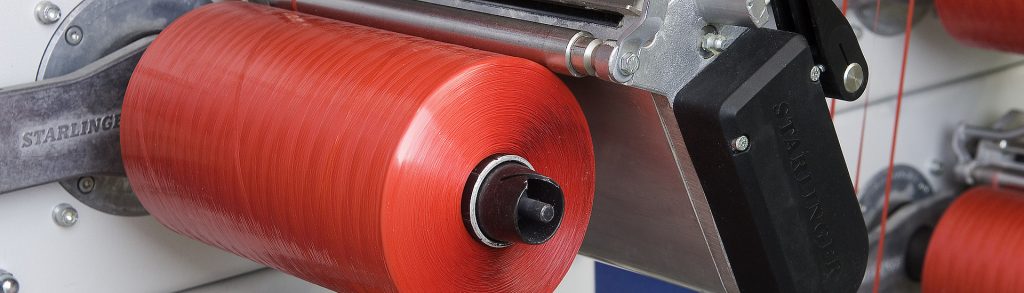
Leveraging Starlinger machinery and 100+ circular looms, VidePak produces 20 million bags annually with:
- Rapid Customization: 72-hour prototyping for color-coded designs.
- Certifications: ISO 9001, REACH, and FDA compliance for global markets.
- Sustainability: 100% recyclable PP and water-based inks reduce carbon footprint by 25%.
Market Trends and Future Outlook
The global woven bag market is projected to grow at 5.5% CAGR through 2030, driven by e-commerce and construction sectors. VidePak’s R&D focuses on:
- Smart Tags: RFID-enabled bags for real-time inventory tracking.
- Lightweight Designs: Reducing GSM by 15% while maintaining strength through nano-reinforced PP.
Conclusion
Printed woven bags are no longer passive containers but active contributors to warehouse efficiency. VidePak’s fusion of color-coded intelligence, anti-static engineering, and load-optimized designs positions it as a pioneer in industrial packaging. As automation and ESG compliance reshape logistics, the company’s commitment to innovation ensures it remains at the forefront of the $12 billion global market.
External Links: