
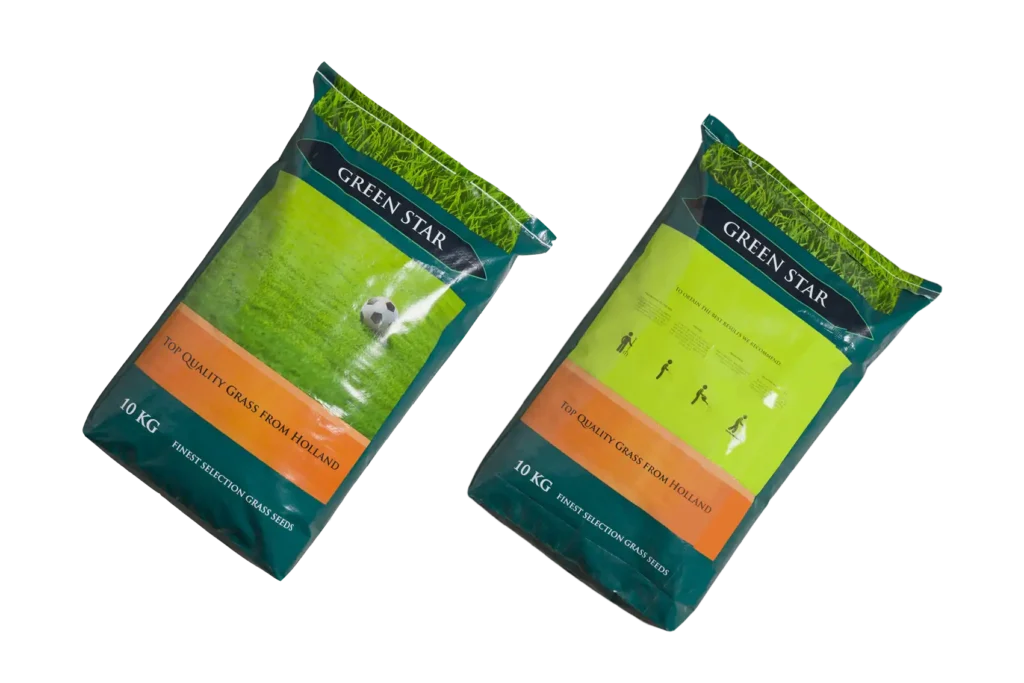
- What Are Laminated Woven Bags(laminated woven sacks)?
- Why Brands Keep Choosing Laminated Woven Bags(laminated woven sacks)
- From Resin to Sack: The Process for Laminated Woven Bags(laminated woven sacks)
- Tape (Flat Yarn) Extrusion — Strength by Design
- Weaving — Building the Fabric Net
- Surface Preparation — Making Bonding Predictable
- Printing the Film — Graphics That Last the Journey
- Lamination — Joining Film and Fabric
- Slitting, Tubing, and Creasing — Preparing Geometry That Stacks
- Cutting — Accuracy That Echoes Downstream
- Bottom Construction — Four Closures, Four Personalities
- Mechanics, Optics, and Handling: How Laminated Woven Bags(laminated woven sacks) Behave
- Data Windows You Can Actually Buy
- Quality Gates: Turning Craft Into Criteria
- Horizontal & Vertical Reasoning: Seeing the Web and the Thread
- Applications in Focus: Where Laminated Woven Bags Win
- Case Narratives: Problem → Solution → Result
- Comparative Lens: Laminated Woven Bags vs. Alternatives
- Logistics & Shelf Life: Protecting the Bag that Protects the Product
- Practical Specification Blueprint for Laminated Woven Bags
- FAQ About Laminated Woven Bags(laminated woven sacks)
- Introduction: What are Laminated Woven Bags(laminated woven sacks)?
- Problem Orientation: Which pain points do Laminated Woven Bags(laminated woven sacks) solve?
- Method: A systems lens that decomposes Laminated Woven Bags(laminated woven sacks) into sub‑problems
- Material‑Science Background: Why the hybrid works
- Horizontal & Vertical Reasoning: Borrowing and cascading
- Data‑Backed Specification Windows for Laminated Woven Bags
- Results: Operational outcomes when Laminated Woven Bags (laminated woven sacks) are specified well
- Discussion: Trade‑offs and decision rules for Laminated Woven Bags(laminated woven sacks)
- Application Scenarios: Where Laminated Woven Bags win
- Quality & Compliance Anchors that turn craft into criteria
- Specification Blueprint: From questions to numbers for Laminated Woven Bags
- Internal Link for quick reference
- References (selected, non‑exhaustive)
What Are Laminated Woven Bags(laminated woven sacks)?
Laminated Woven Bags (laminated woven sacks) are industrial sacks built by bonding a printable film skin to a polypropylene (PP) woven fabric and then converting that laminate into open‑mouth or valve formats. The film skin is most often BOPP (biaxially oriented polypropylene) for high‑resolution reverse printing, though PE, matte‑coated films, or pearlized BOPP are also used when a specific finish is desired. In day‑to‑day trade language you’ll hear bold aliases such as BOPP laminated PP woven sacks, BOPP printed woven bags, PP woven laminated packaging, laminated woven polypropylene sacks, and BOPP+PP composite bags—different names pointing to the same hybrid: a fabric that supplies strength and a film that supplies graphics and surface protection.
What features define Laminated Woven Bags? A woven substrate that arrests tears; a film face that carries photo‑grade artwork and shrugs off scuff; tunable friction (glide on conveyors, grip on pallets); and conversion geometries—gussets, crease maps, block‑bottoms—that stack like bricks. These traits allow Laminated Woven Bags to carry heavy payloads (10–50 kg) through rough chains while keeping the front panel camera‑ready.
How are Laminated Woven Bags(laminated woven sacks) produced? Polypropylene resin becomes tapes; tapes become fabric; fabric receives a reverse‑printed film via extrusion‑coating or adhesive lamination; the laminate is tubed, creased, cut, and bottomed. At each node quality gates translate craft into criteria.
Where do Laminated Woven Bags excel? Fertilizers, animal feed and pet food, rice, grains and pulses, salt and sugar, construction minerals, resins and masterbatch, seeds, and charcoal—use‑cases that demand abuse resistance and retail‑level print simultaneously. For a compact overview of options and formats, see: Laminated Woven Bags.
Why Brands Keep Choosing Laminated Woven Bags(laminated woven sacks)
Look at a busy warehouse: forklifts scuff, pallets shift, cartons rub—and yet the bag still has to sell the product. Laminated Woven Bags square this circle. Fabric fibers distribute load; the film shields the ink; the whole assembly behaves predictably through drop, stack, and humidity cycles. They are tough without looking industrial, glossy without being fragile, printable without losing function. Is there a more convenient contradiction?
Print designers love the reverse‑printed skin; QA teams love the measurable tear/impact metrics; operations teams love the consistent geometry; finance loves the damage‑claim curve bending downward. Different motives, same result: Laminated Woven Bags keep the line running and the brand intact.
From Resin to Sack: The Process for Laminated Woven Bags(laminated woven sacks)
The process is a chain; pull one link and the others move. Seen step by step, the logic becomes obvious.
Tape (Flat Yarn) Extrusion — Strength by Design
The backbone of Laminated Woven Bags is the tape. Polypropylene is extruded as a thin sheet, quenched, slit, and drawn in a hot‑air oven. Draw ratio sets tenacity and elongation; tape denier and width set the mesh capability. Market‑typical ranges are 600–1500 D and ~2.5–3.0 mm tape width, tuned to a loom’s 8×8–14×14 mesh window. The aim: balanced machine‑ and cross‑direction strength so that the fabric won’t unzip under impact.
Weaving — Building the Fabric Net
Flat tapes enter circular or flat looms, forming a fabric typically 55–120 g/m² at 8×8 to 14×14 meshes. Tension control matters: too little and the web waves; too much and the laminate will curl post‑bonding. Good weaving yields a flat sheet that accepts lamination without bubbles and prints without moiré.
Surface Preparation — Making Bonding Predictable
Film‑to‑fabric bonding thrives on clean surfaces and adequate energy. Corona or flame treatment brings the surface to ~38–42 dyn/cm, ensuring the molten extrusion coat wets out both sides. Dust control, web cleaning, and temperature conditioning reduce the risk of “tunnels” and weak peel zones that can blossom into blisters later.
Printing the Film — Graphics That Last the Journey
For most Laminated Woven Bags, film is printed in reverse (image mirrored) before bonding, so the artwork lives under the BOPP skin. Gravure cylinders or high‑definition flexo plates lay down saturated color with tight register; 6–8 colors cover the vast majority of brand books. Film gauges of 15–35 µm are common (18–25 µm hits a sweet spot between gloss and crack resistance). Matte and pearlized films serve categories that want a softer or premium sheen. Barcodes and regulatory marks are reserved for high‑contrast zones to ensure scan reliability even after long transit.
Lamination — Joining Film and Fabric
Two routes dominate:
- PP extrusion‑coating: molten polypropylene (≈ 18–30 g/m²) flows between film and fabric, fusing an all‑polyolefin structure. This path keeps Laminated Woven Bags mono‑material from a recycling perspective.
- Adhesive lamination: used when special finishes, low temperatures, or film combinations are required. Adhesives must match odour and food‑contact policies for relevant SKUs.
In both, web tension, nip pressure, and temperature profiles decide whether the bond survives flexing, creasing, and seasonal heat.
Slitting, Tubing, and Creasing — Preparing Geometry That Stacks
The laminated web is slit to width, tubed with either an overlap or back seam, and creased to pre‑form side gussets or block‑bottom panels. Typical lay‑flat widths for Laminated Woven Bags are 300–600 mm; bag lengths run 500–1100 mm, then fine‑tuned by product density and target fill height. Clean creases predict square shoulders; ragged ones predict pallet sway.
Cutting — Accuracy That Echoes Downstream
A few millimeters long or short and the downstream bottoming machine fights you. Servo‑driven draw rolls, registration cameras, and anti‑static bars keep lengths consistent and edges tidy. Dimensional control becomes inventory control: fewer mis‑fits in mixed‑SKU pallets, smoother auto‑case loading where used.
Bottom Construction — Four Closures, Four Personalities
Bottom choice shapes how Laminated Woven Bags behave on the floor and the shelf.
- Fold‑over stitching — The mouth folds, then stitches lock it down. It’s economical, easy to open, perfectly fine for low‑dust products. Needle holes are the trade‑off; some fines may escape.
- Fold‑over stitching with PE tape — The same mechanical strength, now sealed with a PE tape that blocks dust and moisture paths. A smart upgrade for coastal storage and long, humid routes.
- Heat‑sealed tape stitching — Stitch first, then apply a heat‑activated tape that bonds through the thread. You gain tamper‑evidence and a higher barrier with minimal line changes.
- Block bottom — Panels fold into a square base closed by hot air or ultrasonics; the bag stands like a carton, stacks higher, and displays better. Many valve formats live here because dust control and neat cubes go hand in hand.
Each closure has a character: visible stitches and easy opening; neat tape and hygiene; sealed seams and confidence; squared shoulders and retail poise. Choose to fit your route, your product, your brand.
Mechanics, Optics, and Handling: How Laminated Woven Bags(laminated woven sacks) Behave
Tear and impact: the woven core arrests cracks; the film spreads load. Elmendorf tear (ASTM D1922), trouser tear (ASTM D1938), and dart impact (ASTM D1709) provide a common language between suppliers and plants.
Friction management: conveyors want low kinetic COF; pallets crave high static COF. Lacquers and micro‑textures open a safe gap. When tuned, Laminated Woven Bags glide when they should and lock when they must.
Optics and rub: reverse print protects ink under film; colorimetry (ASTM E1164) and Yellowness/Whiteness Index (ASTM E313) keep your master artwork intact across lots. Rub testing (ASTM D5264) guards against transit smears.
Geometry and cube: crease maps, gusset depths, and block‑bottom angles decide whether columns climb one layer higher or tilt after an hour. Geometry is destiny in the warehouse.
Data Windows You Can Actually Buy
To keep specifications real, orchestrate choices inside published ranges that Laminated Woven Bags producers and B2B catalogs consistently show:
- Film gauge: 15–35 µm BOPP, with 18–25 µm common for general commodities.
- Fabric mass & mesh: ≈ 55–120 g/m² at 8×8–14×14; denier 600–1500 D.
- Finished bag mass: typically 100–170 g/m² for 20–50 kg formats.
- Sizes: flat width 300–600 mm; length 500–1100 mm; gusset depth set by volume needs.
- Print: 6–8 colors, reverse‑printed, with gloss/matte/pearlized options.
- Closures: fold‑over stitched; fold‑over + PE tape; heat‑sealed tape stitching; block‑bottom (open‑mouth or valve).
These are starting points; your drop tests, tilt‑tables, and lines decide the final tuning.
Quality Gates: Turning Craft Into Criteria
Anecdotes don’t pass audits. Laminated Woven Bags succeed when testing turns promises into numbers.
- Mechanical — ASTM D1922/D1938/D1709 for tear and impact.
- Friction — ASTM D1894 to set static/kinetic COF windows by SKU and line speed.
- Optics — ASTM E1164/E313; barcode contrast checks on worn panels.
- Bond — ASTM F904 peel/shear; dyne levels before lamination/printing.
- Thickness & dimensions — ASTM D6988 / ISO 4593; width/length/gusset tolerances.
- System performance — ISO 21898 sack tests for drop, stack, and vibration.
When a plant can cite these gates with lot‑level data, Laminated Woven Bags stop being a commodity and start being a controlled component.
Horizontal & Vertical Reasoning: Seeing the Web and the Thread
Horizontally, Laminated Woven Bags borrow best practices from three neighbors: flexible film QA (thickness mapping and seal windows), stretch‑wrap science (tilt‑table, column strength), and food packaging (low‑odor inks, migration logic where relevant). Vertically, a single tweak—thicker BOPP for gloss—ripples downward: stiffness changes → crease behavior shifts → bottom angles need retuning → drop performance adjusts → pallet wrap tension can fall. Mapping those cause‑and‑effect ladders keeps the specification coherent.
Applications in Focus: Where Laminated Woven Bags Win
- Fertilizers & soil amendments — outdoor storage, forklift abuse, monsoon seasons; film shields the print, fabric shoulders the load.
- Animal feed & pet food — photo‑heavy brands; block‑bottoms stand straight in retail; anti‑slip finishes keep stacks true.
- Rice, grains & pulses — reverse print protects color through handling; pearlescent panels add shelf pop.
- Construction minerals & additives — angular particles and rough yards; reinforced bottoms pay for themselves in claim reductions.
- Resins & masterbatch — abrasion from pellets; valve options expel air without dusting the seal.
- Salt & sugar — moisture management with hard‑working exteriors; graphics that survive transit.
In each case the same through‑line appears: Laminated Woven Bags blend retail presence with logistics discipline.
Case Narratives: Problem → Solution → Result
Case A — 25 kg animal feed, high‑gloss brand
Problem: beautiful art, ugly rub‑off after rail transit.
Solution: reverse‑print on 20 µm BOPP; switch to PP extrusion‑coat for uniform bonding; add anti‑slip stripes while holding low kinetic COF.
Result: rub complaints fell ~70%; pallets gained a layer at the same wrap tension; barcode rejects dropped.
Case B — 50 kg mineral fillers, angular and abrasive
Problem: corner tears and bottom failures on export lanes.
Solution: raise fabric mass to ~100 g/m²; adopt block‑bottom with reinforced panels; re‑cut crease angles; validate with ISO 21898 drop series.
Result: zero failures at spec height; damage claims trended toward zero within a quarter.
Case C — Rice retail, 10–15 kg
Problem: tall store stacks dulled color and caused scan issues.
Solution: matte‑gloss hybrid—pearlized BOPP behind the brand icon, standard gloss for photos; tightened ΔE* window; enlarged barcode quiet zones.
Result: color drift halved; scan reliability stabilized; stacks stood straighter for longer.
Comparative Lens: Laminated Woven Bags vs. Alternatives
- Against multi‑wall kraft — better moisture tolerance and rub resistance; kraft wins on natural paper aesthetics and repulpability where liners are removable.
- Against mono PE film FFS — FFS beats on maximum automation and low unit cost; Laminated Woven Bags win where retail print, cube stability, and rough handling meet.
- Against unlaminated woven — lamination upgrades the print canvas and scuff resistance; unlaminated keeps cost lowest for purely functional sacks.
These are not absolutes; they are decision rules. When the route gets wetter, the film earns its keep. When the shelf must sparkle, reverse print pays dividends. When both are true, Laminated Woven Bags sit in the sweet spot.
Logistics & Shelf Life: Protecting the Bag that Protects the Product
The sea is unkind: vibration, stack compression, salt mist, container rain. To give Laminated Woven Bags a fighting chance, use layered protection—pallet footprints matched to container type, multi‑ply corrugated outers, 3 horizontal × 3 vertical PET straps, multi‑layer stretch wrap, and desiccant sized to voyage length. Edge protectors spread strap forces; humidity cards prove the point at receiving. Moisture‑safe outside, tidy inside.
Practical Specification Blueprint for Laminated Woven Bags
- Define payload & density → compute volume → set lay‑flat width, gusset, and cut length.
- Choose film → 18–25 µm BOPP for most SKUs; matte or pearlized where the brand story needs it.
- Pick lamination route → PP extrusion‑coat for mono‑PP builds; adhesive when special effects/temperatures demand.
- Select fabric → GSM/mesh/denier per drop history; reinforce only where tests tell you.
- Tune friction → set kinetic/static COF targets (ASTM D1894) that split conveyors from pallets.
- Choose bottom → fold‑over (cost/utility), fold‑over + PE tape (hygiene), heat‑sealed tape (barrier), block‑bottom (cube/display).
- Lock QA → cite D1922/D1938/D1709, D1894, D6988/ISO 4593, F904, E1164/E313, ISO 21898, and set pass/fail windows.
- Plan logistics → pallet size, strap pattern, wrap layers, desiccant, labels, traceability.
Write it once, run it many times—that’s how Laminated Woven Bags keep promises from print room to port.
FAQ About Laminated Woven Bags(laminated woven sacks)
Do thicker films always perform better? Not necessarily. Thicker film can preserve gloss and rub resistance but increases stiffness and fold memory. If you raise gauge, retune crease angles and bottom panel overlaps.
What’s the recyclability story? A PP tape + BOPP + PP extrusion‑coat stack is mono‑polyolefin and attractive to PP streams where they exist. Design labels and varnishes to be PP‑compatible. Document pathways according to ISO 18604 and local guidance.
Which bottom is strongest? For cube and retail face, block‑bottom generally wins; fold‑over is the value workhorse; dust‑sensitive products benefit from fold‑over + PE tape or heat‑sealed tape stitching.
How many colors are practical? Six to eight handle almost all SKUs. Reverse print under BOPP is more about cylinder quality and dot gain control than sheer color count.
How do I set COF targets? Start from line speed and pallet height. Allow conveyors to glide (lower kinetic COF) while pallets hold (higher static COF). Your best Laminated Woven Bags supplier will help tune lacquer and texture to create that gap.
What sizes are typical? 10–50 kg dominates. Compute from density; don’t copy a catalog. Flat widths of 300–600 mm and lengths of 500–1100 mm cover most lanes.
Introduction: What are Laminated Woven Bags(laminated woven sacks)?
Laminated Woven Bags are hybrid industrial sacks that bond a printable film—most commonly biaxially oriented polypropylene (BOPP)—to a polypropylene (PP) woven fabric and convert that laminate into open‑mouth, valve, or block‑bottom formats. In trade catalogs you will see bold aliases such as BOPP laminated PP woven sacks, BOPP printed woven bags, laminated woven polypropylene sacks, and BOPP+PP composite bags. The fabric contributes tensile strength and tear arresting; the film side offers high‑resolution reverse printing, rub resistance, moisture tolerance, and tunable surface friction. In short: Laminated Woven Bags are engineered to carry 10–50 kg payloads through rough logistics while keeping a retail‑ready face.
Problem Orientation: Which pain points do Laminated Woven Bags(laminated woven sacks) solve?
Bulk packaging fights five recurring headaches: moisture ingress, abrasion and drop abuse, scuff‑damaged artwork, column instability on pallets, and labeling that fails under condensation. Laminated Woven Bags address each—film skin lowers water‑vapor uptake; woven tapes distribute impact loads; reverse‑printed graphics sit protected beneath the film; crease maps and block‑bottoms produce brick‑like stacks; printable zones hold compliant barcodes even after a long voyage. Different problems, one format.
Method: A systems lens that decomposes Laminated Woven Bags(laminated woven sacks) into sub‑problems
We turn a vague “make it stronger” request into a chain of solvable questions:
- Materials—PP tape denier (≈ 600–1500D), mesh (≈ 8×8–14×14), and fabric mass (≈ 55–120 g/m²) for tear control; BOPP gauge (≈ 15–35 µm) for optics and scuff; lacquer or micro‑texture for friction tuning.
- Lamination—PP extrusion‑coat (~18–30 g/m²) for mono‑polyolefin builds or adhesive lamination for special surfaces; corona level near 38–42 dyn/cm keeps bond uniform.
- Printing & optics—reverse gravure/flexo, 6–8 colors, ΔE* tolerance, YI/Whiteness control for brand fidelity.
- Geometry—lay‑flat width (≈ 300–600 mm), length (≈ 500–1100 mm), gusset depth, crease angles; choose bottom: fold‑over, fold‑over with PE tape, heat‑sealed tape stitching, or block‑bottom.
- Friction management—set a deliberate gap: lower kinetic COF for conveyors, higher static COF for pallet stability.
- End‑of‑life—keep to mono‑PP where possible so Laminated Woven Bags align with PP recycling streams; specify compatible labels and inks.
This decomposition yields measurable levers instead of opinions.
Material‑Science Background: Why the hybrid works
The woven core in Laminated Woven Bags behaves like a safety net: individual tapes share load and arrest tears, making edge damage less catastrophic. The BOPP film spreads point loads, shields ink under a glossy or matte skin, and provides a print‑friendly, low‑porosity face. Together they create a structure that is tough without looking industrial, and bright without being fragile. In practice this means fewer complaints about split corners, fewer rub‑off claims, and a steadier pallet silhouette after stretch‑wrap.
Horizontal & Vertical Reasoning: Borrowing and cascading
Horizontally, we borrow thickness mapping and colorimetry discipline from flexible film converting, tilt‑table logic from pallet unitization, and migration/odor policies from food packaging when SKUs are adjacent to edibles. Vertically, a small upstream tweak—say, raising BOPP from 18 µm to 25 µm—ripples through stiffness, crease behavior, and bottom fold geometry; drop performance changes, and wrap tension can often be reduced. Seeing both planes keeps Laminated Woven Bags coherent from hopper to pallet.
Data‑Backed Specification Windows for Laminated Woven Bags
To keep decisions realistic, choose inside market‑observed windows, then refine with your line trials: film 15–35 µm (18–25 µm common); fabric ≈ 55–120 g/m² at 8×8–14×14 mesh with 600–1500D tapes; finished bag mass typically 100–170 g/m² for 20–50 kg SKUs; lay‑flat widths 300–600 mm and lengths 500–1100 mm; print 6–8 colors in reverse for durable graphics. These values are starting points, not dogma; let drop/stack/vibration tests and barcode scans do the final editing.
Results: Operational outcomes when Laminated Woven Bags (laminated woven sacks) are specified well
What changes on the floor? Infeed stalls decrease because kinetic COF is controlled; pallets gain a layer because block‑bottoms and crease maps square the column; barcode reject rates fall as ΔE* stability improves; claims for rub‑off and corner tears trend down; and brand managers stop asking for reprints. In numbers, that means fewer hours lost to rework, lower wrap consumption, and more usable warehouse height—soft savings that quickly look hard on a P&L.
Discussion: Trade‑offs and decision rules for Laminated Woven Bags(laminated woven sacks)
Thicker BOPP preserves gloss and protects ink, but adds fold memory; compensate with adjusted crease angles and bottom panel overlaps. Heavier fabric boosts tear metrics, yet past a threshold only adds cost; validate with ISO‑style drop series. High‑grip lacquers stabilize pallets but can raise infeed load unless kinetic COF remains low; a micro‑texture or zoned lacquer often solves the paradox. For dusty powders, stitched closures need PE tape or heat‑sealed tape to block needle paths; for retail poise and tall stacks, block‑bottoms justify their conversion cost. The rule of thumb: rank route risks (humidity, forklift abuse, export length) and let the highest risks decide film gauge, fabric GSM, and bottom format.
Application Scenarios: Where Laminated Woven Bags win
Fertilizers & soil amendments benefit from moisture‑tolerant skins and square stacks; animal feed & pet food demand photo‑heavy fronts and stand‑up block‑bottoms; rice, grains & pulses need high print fidelity and barcode clarity after long handling chains; construction minerals & additives face angular particles and rough yards—reinforced bottoms pay for themselves; resins & masterbatch create abrasive sliding contact that the film face shrugs off. Across these categories, Laminated Woven Bags combine logistics discipline with shelf presentation.
Quality & Compliance Anchors that turn craft into criteria
Rather than “looks strong,” specify numbers: Elmendorf and trouser tear (ASTM D1922/D1938), dart impact (ASTM D1709), static/kinetic COF (ASTM D1894), thickness mapping (ASTM D6988 / ISO 4593), lamination peel/shear (ASTM F904), colorimetry and whiteness/yellowness (ASTM E1164/E313), and sack performance tests (ISO 21898 for drop/stack/vibration). For food‑adjacent SKUs, align plastics with EU 10/2011 and 21 CFR 177.1520, and select low‑odor inks per recognized industry guidance. When lots ship with these anchors, Laminated Woven Bags stop being a commodity and start acting like a controlled component.
Specification Blueprint: From questions to numbers for Laminated Woven Bags
Start with payload and bulk density to compute volume, then set lay‑flat width, gusset, and cut length. Choose film gauge and finish (gloss/matte/pearlized) to match brand and route risk; pick lamination route—PP extrusion‑coat for mono‑PP builds, adhesive when special surfaces demand. Select fabric GSM and mesh from actual drop history, not hearsay. Define COF windows (low kinetic, higher static). Choose a bottom: fold‑over (value), fold‑over + PE tape (hygiene), heat‑sealed tape stitching (barrier), or block‑bottom (cube/display). Lock QA gates and write a realistic seaworthy pack: container‑matched pallets, multi‑ply cartons, 3 horizontal × 3 vertical straps, multi‑layer stretch‑wrap, and desiccant sized to voyage length. Finally, state recyclability as a mono‑PP claim where access to programs exists.
Internal Link for quick reference
For geometry options, printing finishes, and lamination routes summarised in one place, see: Laminated Woven Bags.
References (selected, non‑exhaustive)
ASTM D1922, D1938, D1709, D1894, D6988; ISO 4593, ISO 21898; ASTM E1164, ASTM E313; EU 10/2011 and 21 CFR 177.1520 for relevant food‑contact declarations; public supplier catalogs and B2B marketplace listings (e.g., film gauges 15–35 µm; fabric 55–120 g/m²; 8×8–14×14 mesh; lay‑flat 300–600 mm; lengths 500–1100 mm) frequently used to benchmark feasible ranges for Laminated Woven Bags.