
Kraft Paper Bags
VidePak manufactures kraft paper bags for heavy-duty packaging, ranging from 2 kg to 60 kg. Kraft paper bags, also known as paper sacks, are durable packaging containers for various application, especially powdered or granular materials such as cement, foods ingredient and chemicals.
We offer brown, white, and multiwall kraft paper bags, PE-coated paper bags, Kraft paper laminated PP woven bags, and kraft aluminum foil composite bags, available in both valve and open-top designs. These bags are primarily used for packaging essential goods in the construction, food, agricultural, and chemical industries. VidePak utilizes W&H production lines from Germany, producing over 300 million kraft paper bags annually in compliance with ISO 9001 standards.
According to specification, we offers:
- Multiwall kraft paper bags
- Kraft paper valve bags
- PE-coated kraft paper bags
- Kraft paper laminated PP woven bags
- Kraft paper laminated aluminum foil bags
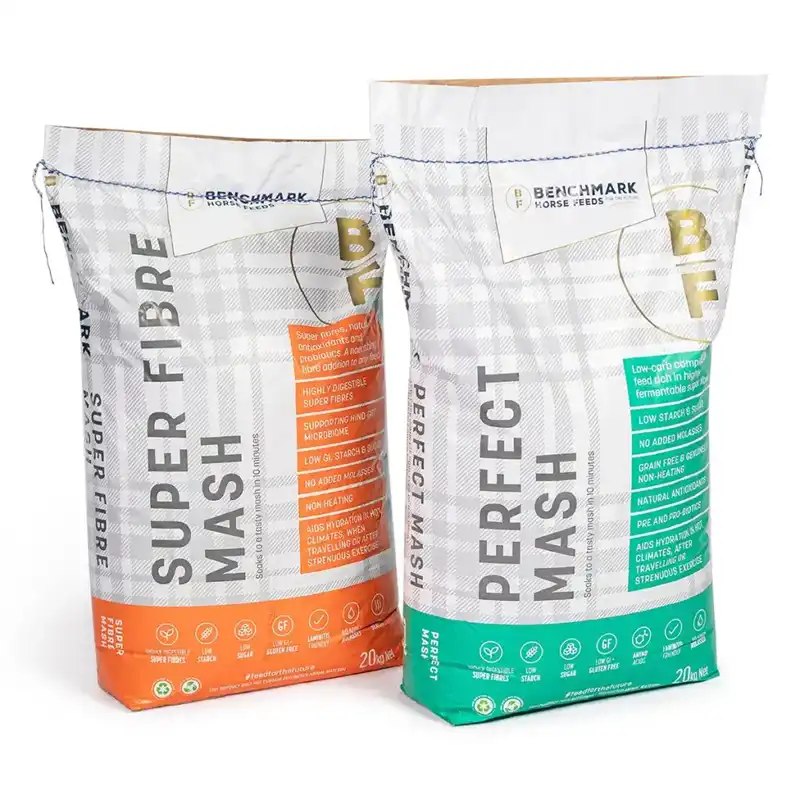
Customizable Designs:
- Flat type: optimizes stacking & branding.
- Block bottom: a very popular options for SOM kraft paper bags and valve bags
- Valve design: offers paper insert, sonic seal, tuck-in, poly-lock
- Open-top design: available for sewn open mouth(SOM) by closing sewing thread.
- Side gusset: very popular options for stacking optimization.
- Paper tape stitching: more eco-friendly, durable, sustainable
- Heat-sealed tape stitching: heat-sealed tape stitching for durable kraft sacks.
- PE Liner: sleeve in & pasted inner bags are both available
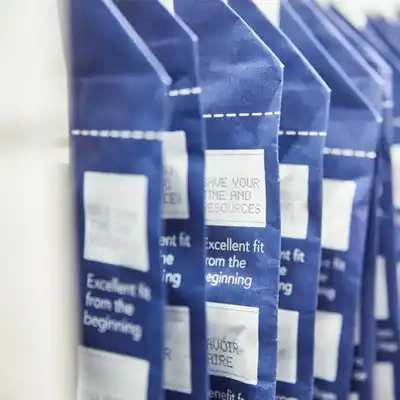
Flat Side
Flat side is a popular option for SOM paper bags and valve bags
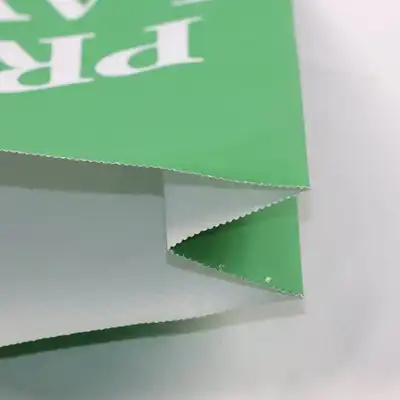
Gusset Side
Gusset side is normally used for SOM bags
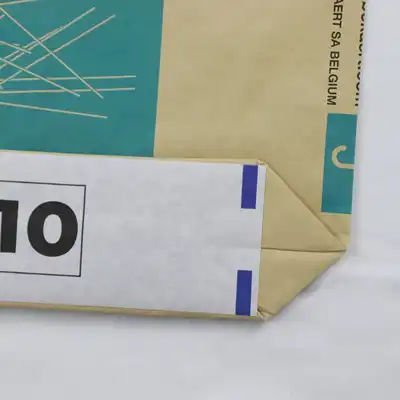
Block Bottom
Pasted block bottom is very popular in SOM kraft paper bags and valve bags
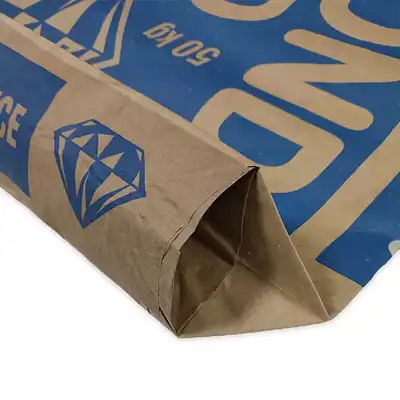
Valve Designs
Offer multiple design like Paper Insert, Sonic Sealing, Tuck-In, Poly-Lock
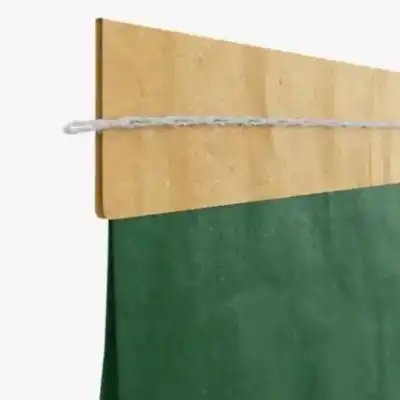
Stitching Bottom
Offer fold-over, heat sealed, and paper tape stitching
Types of Kraft Paper Bags
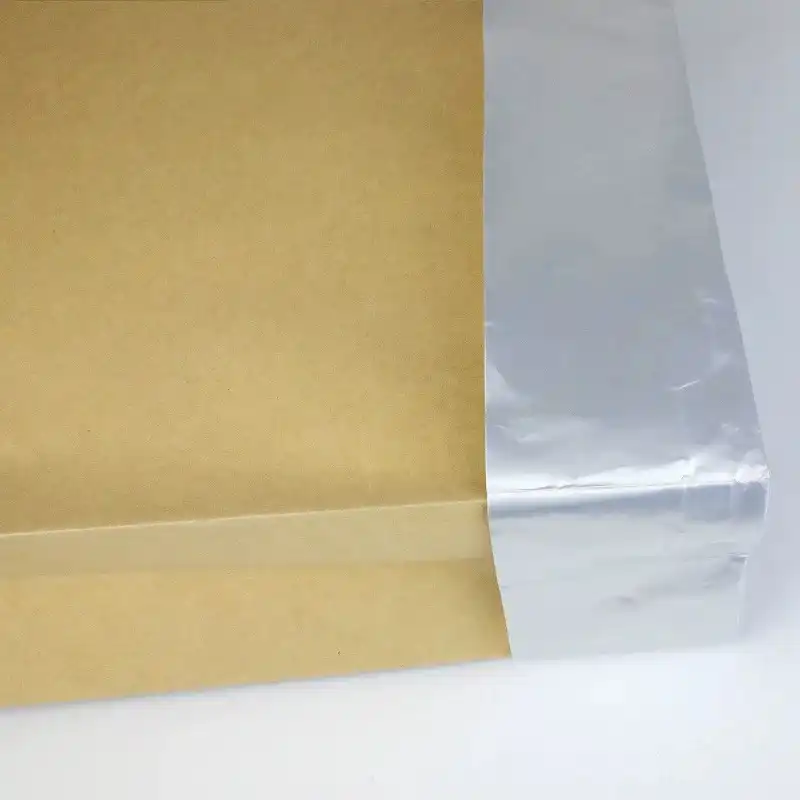
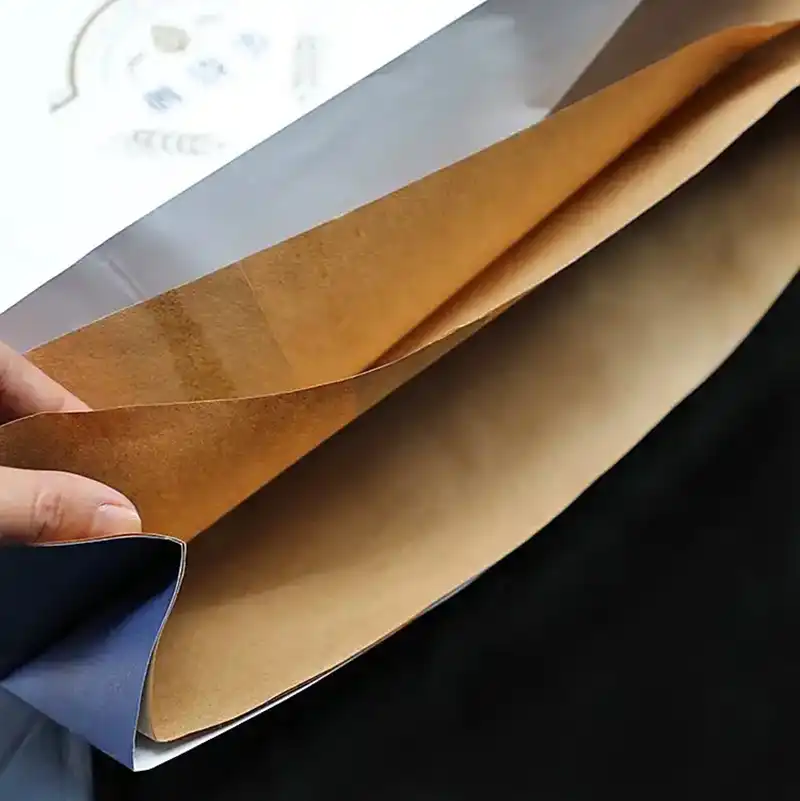
Aluminum Foil Kraft Paper Laminated Bags
Also called Aluminum laminated kraft paper sacks, combine kraft paper, aluminum foil, and a heat-sealable film for moisture-proof and light-blocking protection.Perfect for high-value products needing extra durability and a polished appearance.
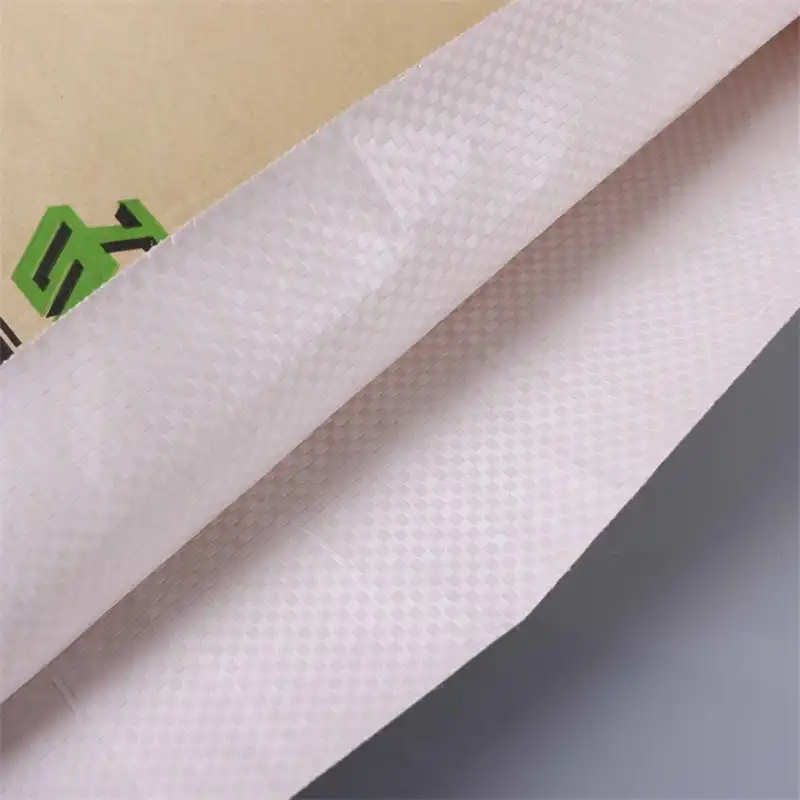
Kraft Paper Laminated Woven Bags
Also called Poly-paper bags, and the combination of woven polypropylene and kraft paper provides exceptional strength and tear resistance, making these bags ideal for heavy-duty packaging.
Multi-Wall Kraft Paper Bags
They are also called Multi-Layer Kraft Paper Bags or Multi-ply kraft paper bags, are made from two to four layers of kraft papers. They can be pasted by a plastic PE liner as well, and are widely used for heavy-duty packaging. Made of a single material (kraft paper), recyclable and environmentally friendly.
Frequently Asked Question
VIDEPAK produces further categorised kraft paper bags according to structure and barrier design, allowing us to tailor appearance, protection performance, and functional properties to different filling systems and end-use applications.
Multiwall Kraft Paper Bags (Multi-Layers) use two to five layers of kraft paper to build stiffness and burst strength, offering reliable stackability and puncture resistance for powders and granules, while the multi-layer construction can be tuned for printability, breathability, or higher strength depending on the product density and logistics demands.
Kraft Paper Bag with Aluminum Foil Inner Bag integrates an independent aluminum foil inner bag inside a kraft outer sack, delivering a high-level barrier against moisture, oxygen, odour migration, and light, making it a preferred solution for sensitive products that require long shelf life and contamination control without sacrificing the natural paper exterior.
Aluminum Foil Kraft Paper Laminated Bags laminate aluminum foil directly with kraft paper as a composite layer, creating a slimmer, more integrated barrier structure that improves sealing consistency and overall bag integrity, while providing strong moisture and gas protection for fine powders and high-value chemical or food-related applications.
Multiwall Kraft Paper Bags with PE Inner Bags combine a robust multi-layer kraft body with a PE inner bag (loose or fitted), providing dependable mechanical strength outside and a flexible moisture barrier inside—ideal when you need improved anti-leak performance for fine powders, plus better humidity protection during shipping and storage.
Kraft Paper Laminated Woven Bags laminate kraft paper with PP woven fabric to achieve a “paper look” with “woven strength,” delivering excellent tear resistance, carrying performance, and pallet stability, while maintaining a more traditional or sustainability-oriented visual presentation for industrial commodities and heavy-duty handling.
Back Seam Kraft Paper Sacks feature a longitudinal back seam construction that supports consistent bag geometry, stable filling behaviour, and efficient high-speed production, making them suitable for automated lines where uniformity, print alignment, and predictable sealing or sewing performance are important.
Kraft Paper Valve Bags are engineered with a self-closing valve for fast, clean, dust-controlled filling, reducing product loss and improving line efficiency in pneumatic or impeller systems—an especially common choice for cement, minerals, chemicals, and other powder products where filling speed and cleanliness matter most.
By offering multiple structural and barrier categories, VIDEPAK ensures each kraft paper bag is optimised for the product’s sensitivity (moisture/oxygen/light), leakage risk, filling method, stacking requirements, and desired market presentation.
VIDEPAK offers flexible paper options for Kraft Paper Bags, allowing customers to balance appearance, strength, cleanliness, and branding performance across different industries and packing lines.
Unbleached Kraft Paper (Brown Color) features a natural kraft tone and high fibre integrity, delivering excellent tear resistance and puncture strength for heavy-duty handling; it is often selected when a traditional industrial look, cost efficiency, and strong performance in transport and stacking are the priority.
Bleached Kraft Paper (White Color) provides a cleaner, brighter surface that improves print contrast and colour accuracy, making it ideal for brand-focused packaging, premium presentation, and applications where hygiene perception and surface cleanliness matter—without compromising the structural performance required for industrial sacks.
NBSK (Northern Bleached Softwood Kraft) Option uses long softwood fibres to enhance tensile strength, tear resistance, and seam durability, which is especially valuable for higher-weight contents, demanding logistics, and bags that require superior robustness during filling, palletising, and long-distance transportation.
By combining colour choices (brown/white) with fibre-grade options (NBSK), VIDEPAK ensures each kraft paper bag is matched to the customer’s strength requirements, print expectations, and end-market positioning.
VIDEPAK offers a full range of opening types for Kraft Paper Bags (Kraft Paper Sacks) including:
Pasted Valve, engineered for high-speed automated filling systems, featuring a self-closing valve structure that minimises dust emission, improves filling cleanliness, and reduces product loss during pneumatic or impeller filling;
Pinch Bottom Open Mouth (PBOM), built with a pre-formed mouth and pinch-bottom construction that allows heat sealing after filling, delivering a neat appearance, consistent seal integrity, and stronger tamper resistance—especially suitable for fine powders and premium retail-grade packing;
Satchel Bottom Open Mouth (SBOM), designed with a satchel-style bottom that creates a stable, box-like base for improved standing ability and stacking performance, while the open mouth supports easy filling and is typically closed by sewing or sealing depending on liner and barrier requirements;
Sewn Open Mouth Bags (SOM), providing a fully open top for straightforward filling and then securely closed by stitching, making it a reliable, economical choice for manual and semi-automatic operations where flexibility and throughput must be balanced.
In addition, VIDEPAK can supply Kraft paper bags with single- or multiwall structures, optional PE coating or inner liner, and customised mouth reinforcement / easy-open features to match specific product flowability, moisture sensitivity, and palletising demands. By offering multiple opening and closure options, VIDEPAK ensures that each kraft paper bag is optimised for its filling line, product characteristics, and transport/storage conditions.
VIDEPAK provides a wide selection of bottom types for Kraft Paper Bags including:
Paper Tape Stitching, a classic reinforced sewing construction where the bottom seam is stitched while simultaneously covered with kraft paper tape, improving seam strength and abrasion resistance, while helping reduce sifting from needle holes in typical cement, feed, and granular packing;
Heat Seam Sealing Tape Stitching (Over-Tape), a higher barrier bottom finish where a heat-activated sealing tape is applied over the stitched seam to close needle perforations, enhancing leak resistance for fine powders and improving moisture protection without sacrificing the robustness of a sewn structure;
Pasted Block Bottom (Satchel Bottom Bags), engineered to form a flat, rectangular “block bottom” through pasted folds, allowing the bag to stand upright for better shelf presentation, pallet stability, and cleaner stacking—often preferred for modern retail-ready sacks and automated handling;
Self-Opening Satchel Bags (SOS), designed with a pre-formed satchel base that automatically opens into a stable, square bottom during filling, enabling higher filling accuracy, smoother line efficiency, and a consistent footprint for downstream palletising and logistics.
By combining stitched reinforcement, over-tape sealing options, and standing bottom structures, VIDEPAK ensures each kraft paper bag bottom is matched to the product’s flow behaviour, dust/leakage risk, moisture sensitivity, and the customer’s filling and palletisation requirements.
Yes, we have two options for your choice:
- Reference samples: we provide this samples from our existing stock. It could be close to your specification and not 100% same. So It helps you quickly evaluate our product quality, material, and printing before requesting a custom-made sample. Reference samples are free of charge, but DHL express cost is taken by buyer.
- Mock up custom samples: it is produced according to your specifications, including size, material, printing design, and any other customized features. These are 1:1 replicas for your bags, and it fully reflects your specifications and helps confirm all production details before mass production. It takes some charge for samples and DHL express cost.
For industrial bulk bags, we do it as below sections:
- Raw Material
We use 100% virgin material sourced through ASTM-compliant testing standards. We do sampling inspection for each batch of raw material, to verify material integrity before production. - Quality Control System
We produce and test products according to ISO9001, ASTM standard, EN standard and JIS standard. We ensure that product tolerances are within the specified range of standards, and conduct diverse testing accoridng to those standard for each batch of products, such as impact tests, tensile strength, UV weather resistance tests, etc. - Production Equipment
We're using equipments from top supplier such as Austrian Starlinger and German W&H, to ensure production efficiency, precision, process stability and better quality control. - Industrial Experience
Our core management teams have over 25 years experiene in the industrial bags. Since our factory establishment in 2008, we've cultivated quality control systems through partnerships with Fortune 500 companies including Nestle, Carrefour, Nippon Paint, AkzoNobel, Sinopec etc. In the cooperation with those excellent clients, we have accumulated a lot of experience in quality control, and we have gradually established quality specifications and standards. This is an advantage that many small manufacturers do not have.
MOQ is 10,000 pcs for per specification. The MOQ is mainly decided by material procurement costs, production efficiency, and logistics optimization. So it can't be adjusted.
It depends on the order quantity and requirement. However, it generally refer to:
- Regarding mock up samples, lead time is 10 business days (sending by DHL or Fedex)
- Regarding standard bulk orders, lead time is generally 15-25 business days.
Why Choose Us
17 Years
Production Experience in PP Woven Bags
Starlinger & W&H
Best Equipments from Satrlinger & W&H.
300 Million pcs
Massive Production Capacity.
Customization
Printing, Size, Thickenss, Bottom Pattern etc.