Defining the Product: What Are Multiwall Laminated Woven Bags?
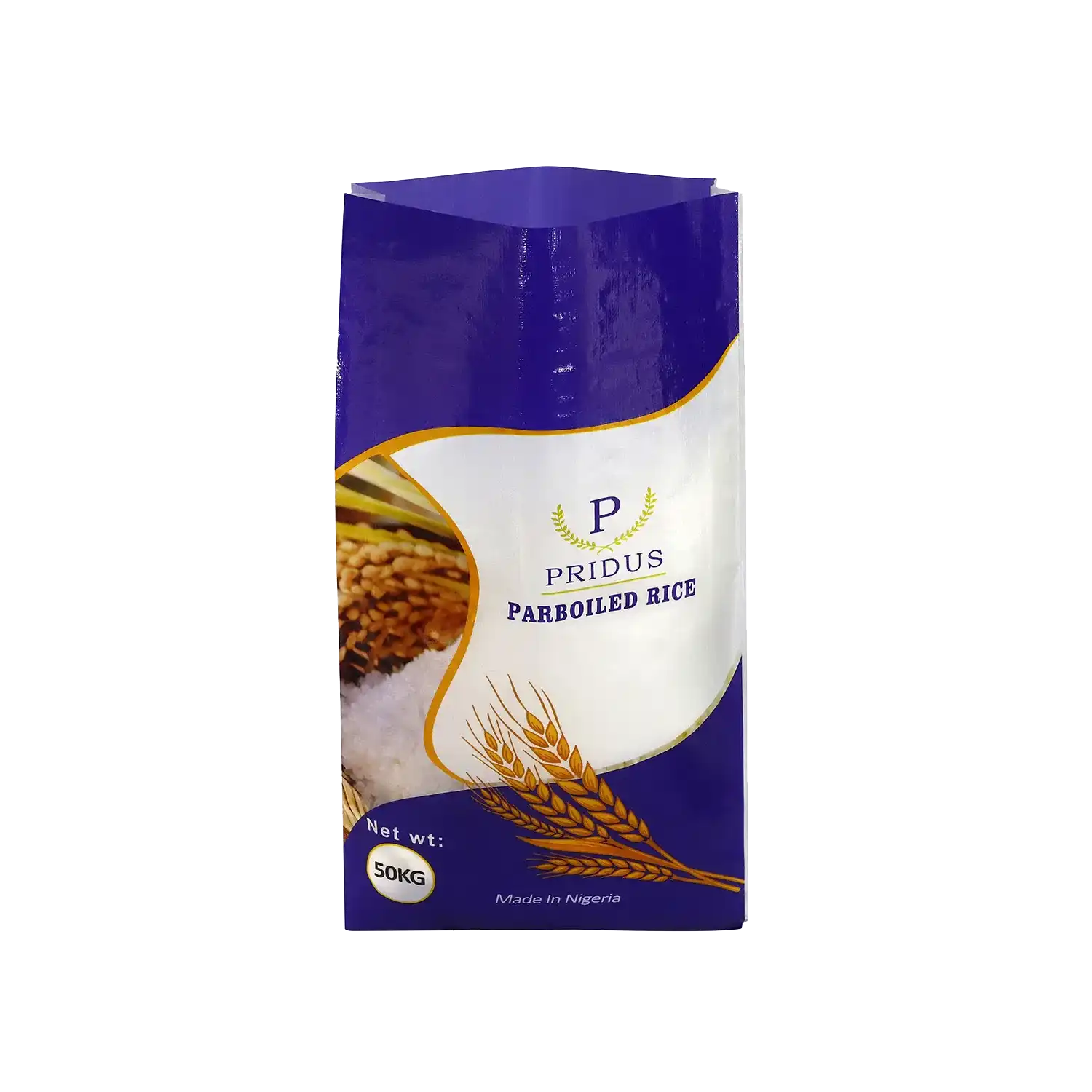
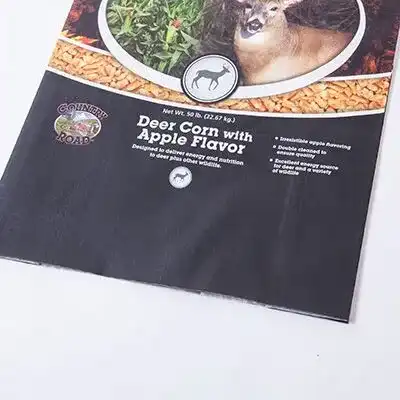
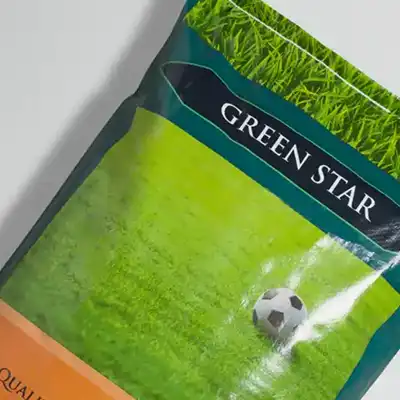
When specifiers ask how a rugged industrial sack can also carry a premium printed face, the answer is the same family of packaging we examine here: Multiwall Laminated Woven Bags. Built on a woven polypropylene substrate and augmented by laminated walls—films, coatings, liners, and optionally paper—this architecture balances tensile strength, moisture protection, and brandable surfaces for powders and granules from cement to fertilizers, from resins to pet food. Some procurement teams describe them with alternate labels such as Laminated Woven Bags, Multiwall Laminated Woven Sacks, Multiwall Woven Bags, or application‑shaped forms like Valve Bags. In retail‑adjacent categories, the outer wall often becomes BOPP Laminated Woven Bags, while building materials may see hybridized forms with paper layers.
Why has this category proliferated across heavy‑duty supply chains? Because it reconciles an apparent contradiction. Pure film sacks excel in barrier but can struggle at high weights; pure paper sacks stack cleanly yet falter in rain; bulk totes (FIBC) conquer tonnage but not retail presentation. The multiwall woven platform rearranges these trade‑offs with a tunable stack: an oriented PP fabric carries load, a laminate controls humidity, a printable skin carries the brand, and optional liners guard against caking and flavor/odor transfer. The result is not merely a bag; it is a configurable interface between physics, chemistry, and commerce.
Material Stack: Where Strength Meets Barrier
At the core lies an oriented polypropylene fabric. Orientation is not cosmetic; it is the controlled alignment of polymer chains that transforms a commodity resin into structural tapes. Draw ratio and cooling discipline determine crystallinity, which in turn anchors tensile and tear performance. Around this backbone, the multiwall architecture adds targeted layers. One path uses an extruded polyolefin coat—often LDPE or PP—to deliver moisture control and heat‑sealable surfaces. Another path bonds a biaxially oriented polypropylene film, creating a slick, high‑definition print canvas. A third path, favored by some building materials, pairs the woven base with sack kraft to enhance friction and stackability. Inner liners—HDPE or LDPE tubular films—complete the system where hygroscopic products or food‑adjacent ingredients demand it.
- PP woven fabric 70–100 gsm (load bearing, puncture resistance).
- BOPP outer film 20–35 μm (graphics, scuff resistance, lower WVTR than unoriented films).
- PE inner liner 40–70 μm (moisture barrier, aroma retention, option for anti‑static).
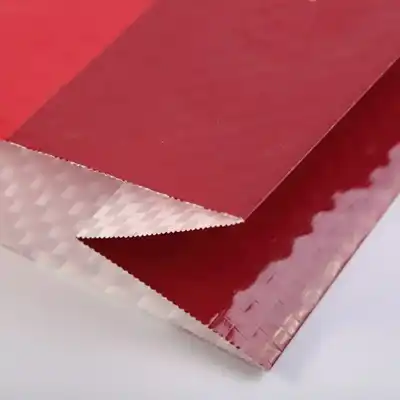
- Seam design via stitching or heat sealing; block‑bottom or back‑seam geometry for pallet stability.
Performance Profile: Why Specifiers Choose Multiwall
A strength‑to‑weight advantage is the headline—but not the whole story. Multiwall Laminated Woven Bags typically move 10–50 kg safely; they tolerate forklift kisses and sharp pallet corners that can split single‑ply paper. Laminates and liners throttle water vapor transmission, stabilizing hygroscopic powders. A BOPP face takes high‑definition graphics; matte or gloss finishes tailor shelf presence and coefficient of friction. Valve forms accelerate clean filling; block‑bottom forms stack like bricks. Options proliferate: anti‑slip varnishes, easy‑open tapes, UV stabilization for yard storage, anti‑static compounds for resin pellets, transparent windows for retail confidence. It is a menu, not a mandate.
| Design lever | Primary effect | Secondary trade‑off |
|---|---|---|
| Fabric gsm ↑ | Tensile and puncture ↑ | Flexibility ↓; cost ↑ |
| BOPP gauge ↑ | Print body and rub ↑ | Foldability ↓; cost ↑ |
| PE coat weight ↑ | WVTR ↓; heat‑seal window ↑ | Stiffness ↑; recyclability trade‑offs |
| Perforation density ↑ | Fill speed ↑ | WVTR ↑; potential dust risks |
| UV package ↑ | Outdoor stability ↑ | Color shift risk if mis‑balanced |
Process Flow: From Resin to Ready Bag
Production is choreography. Every step raises or lowers capability. Tape lines extrude and orient PP; circular or flat looms set pick density; lamination bonds protection and printability; presses apply high‑definition artwork; converting shapes gussets, back seams, and block bottoms; quality gates verify what tolerance charts predict. In practice, upstream verification begins with melt flow index and ash checks for resins, gauge and corona for films, basis weight and Cobb for paper. Mid‑stream, closed‑loop controls regulate coat weight and register. Downstream, AQL sampling assesses seams, drop performance, dimensional squareness, and water vapor transmission.
Use Cases: Matching Structure to Product and Place
Markets speak in materials. Building products call for paper‑laminated exteriors that grip each other in high stacks; fertilizers ask for BOPP faces and PE liners to fight humidity; polymer pellets need anti‑static paths to ground. In food‑adjacent uses, migration‑compliant inks and adhesives are mandatory; in hot climates, UV stabilization extends yard life. Geography is an input, not a footnote.
| Sector | Preferred outer wall | Inner wall | Form factor | Notes |
|---|---|---|---|---|
| Building materials | Paper laminate with anti‑slip | Thin PE coat optional | Valve, block‑bottom | Brick‑pack, micro‑perforation for fill speed |
| Fertilizers | BOPP gloss or matte | PE liner 40–70 μm | Valve or open mouth | Barrier priority, UV‑stabilized fabric |
| Petrochem resins | PE extrusion coat | Anti‑static liner | Valve (corner/center) | Clean fill, reduced dust |
| Food ingredients | BOPP high‑definition | Food‑grade PE | Open mouth, heat‑seal | Migrate‑controlled inks/adhesives |
| Retail heavy‑duty | BOPP with varnish | PE liner | Back‑seam or block‑bottom | Shelf impact, scuff resistance |
System Logic: Breaking Down the Decision
Selecting Multiwall Laminated Woven Bags is not a single decision; it is a nested set of decisions that cascade into performance. Begin with payload physics: net weight, bulk density, particle size, angle of repose. Add product chemistry: hygroscopic or oily, abrasive or static‑sensitive. Layer in logistics: monsoon humidity or winter freeze, forklift abuse or conveyor gentleness, last‑mile retail or yard storage. Then match filling line realities: impeller or gravity, valve or open mouth, required line rate. Finally, overlay regulation and branding: food‑contact norms, barcode legibility, gloss targets, sustainability constraints. The synthesis is a stack—fabric + outer wall + liner + closure + form factor + add‑ons—disciplined by process windows and quality plans.
- Payload and handling physics → capacity, gusset depth, seam pull targets.
- Product chemistry → barrier selection, anti‑scuff varnishes, anti‑static packages.
- Logistics environment → UV stabilization, outer surface finish, pallet recipe.
- Filling line compatibility → valve geometry, perforation pattern, bag rigidity.
- Regulatory and brand → ink system, varnish, barcode windows.
- Sustainability priorities → mono‑polyolefin structures, recycled content, downgauging.
Material Evidence: What the Layers Actually Do
Orientation in the PP base feeds tensile strength and tear resistance by lining up polymer chains like parallel fibers in a rope. BOPP adds stiffness, scuff resistance, and a print‑friendly surface; extrusion coats lay down molten polyolefin that cools into a continuous barrier; paper skins add friction and a tactile familiarity. Liners, snug or gusseted, form a secondary containment that blocks water vapor and holds fine powders. None of these layers is redundant; they play counterpoint. When the liner breathes via engineered perforations, the laminate can remain tight; when the laminate goes matte to raise friction, the fabric may drop a few gsm to keep flexibility; when the graphics advance to eight‑color halftones, the varnish must shield them through the rub of pallets and belts.
Graphics Engineering: Ink Bodies, Varnishes, and Codes
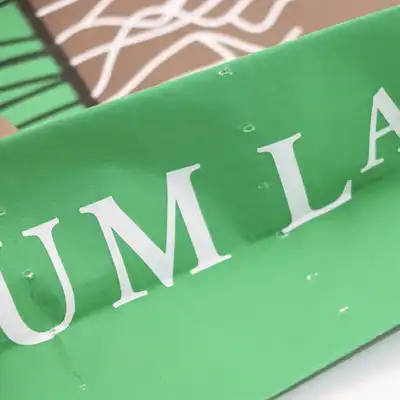
Print is not a garnish; it is a functional surface that must survive the rigors of transit. Rotogravure cylinders and high‑end flexography lay down process colors with tight register. White underprints bolster vibrancy on tinted fabrics; primers improve adhesion; over‑varnishes tune gloss, matte, and coefficient of friction. Barcodes require quiet zones and micro‑register; BOPP’s smoothness holds tiny modules that filamented paper surfaces can blur. For e‑commerce‑bound heavy sacks—charcoal, pet food—the difference between scuffed and pristine art is the difference between a complaint and a compliment.
Risk Control: Anticipate, Instrument, Improve
Seam ruptures often trace back to stitch density mismatches or needle‑induced tear paths; heat‑sealed back seams erase needle holes but demand consistent coat weight and controlled dwell. Corner splits on pallets suggest insufficient gusset radius or low outer friction; water staining implies under‑specified WVTR or wrap recipes that trap condensate. Dust clouds at fillers point to valve clearance or inadequate deaeration. Each symptom has a diagnostic tree and a countermeasure—tighten loom tension charts, increase varnish, add anti‑slip bands, or upgrade to liner valves. The discipline is the same: measure upstream, control mid‑stream, verify downstream.
| Symptom | Likely cause | Typical fix |
|---|---|---|
| Pallet leaning | Low outer friction; skew; over‑tight banding | Anti‑slip varnish; creasing accuracy; adjust wrap tension |
| Dust at filler | Valve clearance; low perforation | Optimize sleeve; add micro‑perfs; consider liner valve |
| Graphics rub‑off | Low varnish; pallet rub | Increase over‑varnish; slip sheets; tougher BOPP |
| Water staining/caking | WVTR too high; thin liner; wrap traps condensate | Raise coat weight; thicker liner; change wrap recipe |
Quality Economics: SPC, AQL, and the Price of Prevention
The cheapest bag is the one that prevents loss. Statistical process control catches drift in pick density, draw ratio, and coat weight before nonconforming lots propagate. Sampling plans communicate risk tolerance; zero critical defects on final AQL protects brands from recalls. Total cost of ownership forces a broader lens: line speed, pallet density, damage returns, and graphic scuffing routinely dominate the ledger over marginal unit‑price deltas. In case after case, Laminated Woven Bags cut TCO while improving presentation, even as they add a few cents in materials.
| Stage | Check | Frequency | Acceptance |
|---|---|---|---|
| Incoming | PP MFI, film gauge, kraft basis weight | Each lot | Within spec sheet |
| In‑process | Print register, coat weight, seam pull | Hourly | SPC within control limits |
| Final | Dimensions, WVTR sample, drop test | Per AQL | Zero critical defects |
Climate Tuning: Tropics, Deserts, and Freeze–Thaw
Climate scripts the bag’s life. In humid tropics, thicker liners and higher coat weights protect against caking; matte finishes and anti‑slip bands stabilize columns; UV packages defend against intense sun. In arid regions, dust and thermal cycles call for anti‑static liners and robust seams; in cold climates, heat‑seal windows must widen and varnishes avoid brittleness. Geography dictates engineering—not the other way around.
Line Integration: OEE Lives in the Details
Overall equipment effectiveness hinges on the mundane: the consistency of the bag mouth for automatic pick‑and‑place, the marriage of valve inner diameter to the fill spout, the perforation pattern that matches a powder’s aeration behavior, the heat‑seal window that absorbs seasonal shifts. When Multiwall Woven Bags are tuned to the filler, mis‑fills and stoppages drop; when they are not, even the best laminates cannot save the day.
Design Cookbook: Reusable Recipes by SKU
- Cement 50 kg — Paper‑laminated exterior; 90–100 gsm fabric; aggressive micro‑perforation; corner valve; anti‑slip varnish; block‑bottom for brick‑pack.
- Tile adhesive 25 kg — Paper + thin PE inner; crisp creases; easy‑open tape; moderate barrier.
- Urea 50 kg — BOPP Laminated Woven Bags; 80–90 gsm fabric; 60 μm PE liner; limited perforation; UV stabilized; heat‑seal top.
- NPK 25–40 kg — Similar to urea with anti‑caking focus; matte varnish for pallet friction.
- Seeds 5–25 kg — Matte/gloss BOPP hybrid; transparent window; low‑dust filling; tamper‑evident seal.
- Sugar 25–50 kg — Food‑grade inks/adhesives; low‑slip PE liner; heat‑sealed mouth or tight stitch density.
- Resin pellets 25 kg — PE‑coated fabric without BOPP for economy; anti‑static liner; center valve; seam strength priority.
- Salt 25–50 kg — HDPE liner; matte PE outer; corrosion‑resistant threads.
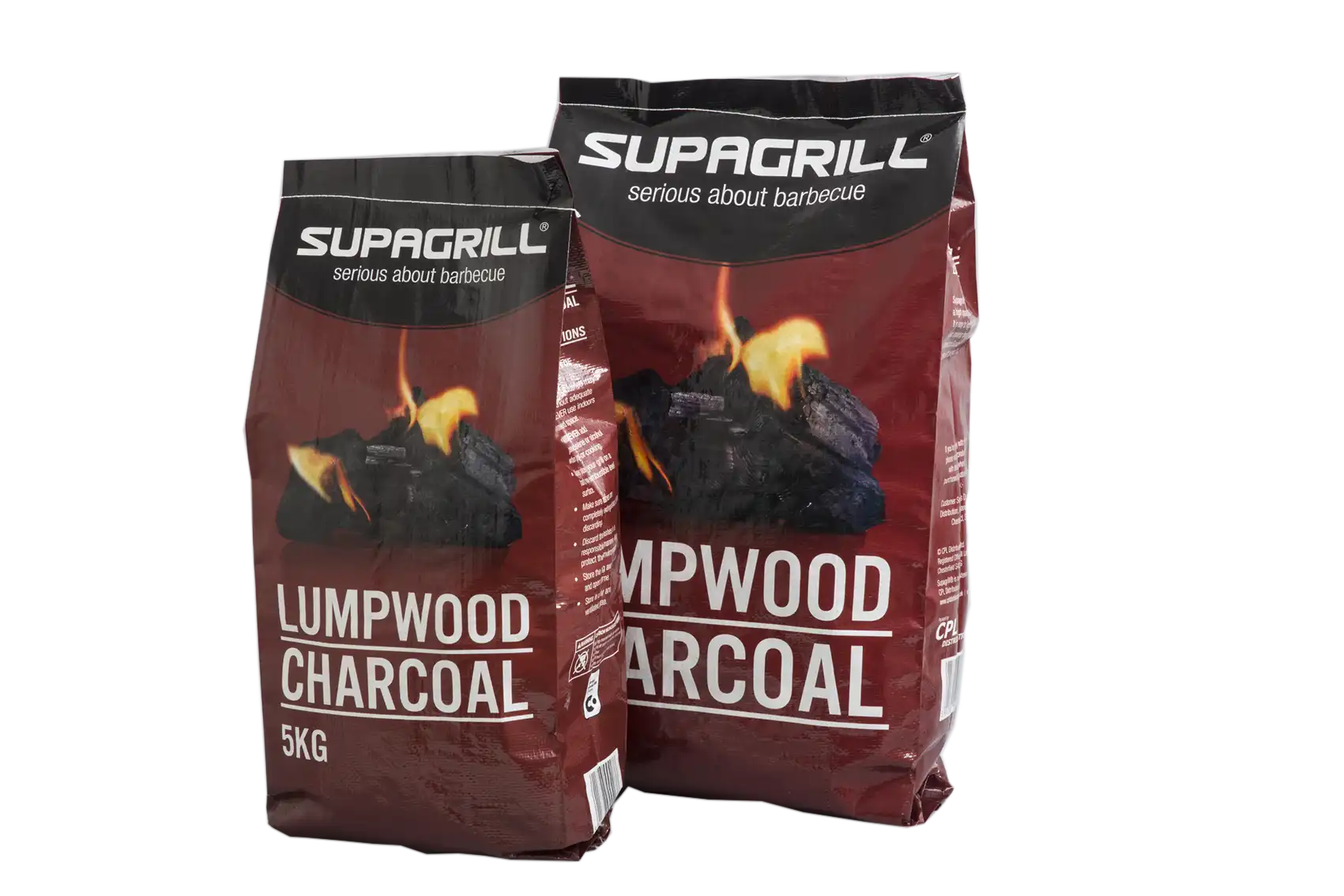
- Charcoal & wood pellets 10–20 kg — High‑definition BOPP; optional punch handle; venting tuned for off‑gassing.
Procurement Checklist: Questions That Save Money
- Product chemistry, bulk density, target shelf life, and climate exposures defined?
- Form factor set (open mouth/valve; block‑bottom/back‑seam) and outer wall chosen (BOPP/paper/PE coat)?
- Fabric gsm, coat weight, WVTR target, seam pull values, drop protocol specified?
- Trial on the actual filler completed; fill rate, dusting, pallet stability observed?
- Artwork barcodes verified after rub tests; quiet zones respected?
- Standards alignment (ISO/ASTM/EN/JIS), sampling plan (AQL), retention samples, and CAPA response times documented?
Comparisons: Film Sacks, Paper Sacks, and FIBC
Against mono‑film poly sacks, Multiwall Laminated Woven Bags stand taller on puncture and tear while conceding a measure of pure barrier unless specialty layers are added. Against paper sacks, they shrug at rain and resist pallet damage, while paper keeps an edge in tactile familiarity and friction. Against FIBC totes, they carry branding and ease manual handling, while FIBC remains the king of tonnage. The strategy many networks adopt is simple: move bulk upstream in FIBC, then re‑pack to Laminated Woven Bags for industrial retail and last‑mile distribution.
Sustainability: Prevent Loss, Simplify Streams
The most sustainable package is the one that avoids waste. Moisture‑stable, scuff‑resistant sacks prevent write‑offs; mono‑polyolefin stacks—PP, BOPP, PE—fit established recycling streams; downgauging follows strength, not wishful thinking. Post‑industrial trim re‑enters non‑critical layers where allowed; inks and coatings are selected for low VOCs and compliance. In short, environmental virtue aligns with operational discipline.
FAQ: Practical Answers for Daily Decisions
Myth vs Fact: Clearing the Fog
- Myth: Paper protects against humidity better than laminated PP. Fact: Polyolefin laminations and liners typically achieve lower WVTR in wet climates.
- Myth: Woven PP always looks industrial. Fact: BOPP Laminated Woven Bags routinely deliver retail‑grade graphics.
- Myth: More gsm always equals safer. Fact: Correct tension, seam construction, and coat weight can outperform brute gsm increases.
Case Snapshots: Where the Numbers Become Narratives
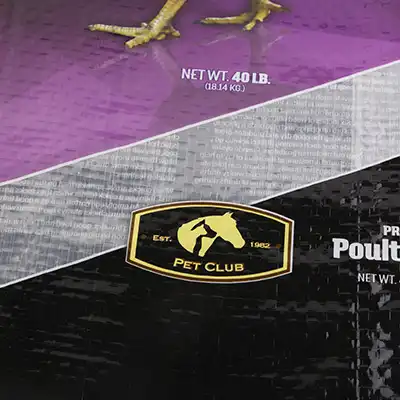
A fertilizer exporter shipping through monsoon ports cut caking returns by double digits after migrating to Multiwall Laminated Woven Sacks with integrated PE liners and matte anti‑slip varnish. A European cement producer stabilized ten‑layer pallets by switching to paper‑laminated block‑bottom designs without sacrificing fill speed, thanks to engineered micro‑perforation. A U.S. pet‑food brand reduced e‑commerce damages by adopting BOPP Laminated Woven Bags that combined puncture resistance with scratch‑resistant varnishes.
Quick Reference: Terminology and Symbols
Further Reading: How Plants Build Repeatable Quality
Readers who wish to connect material science with day‑to‑day operations may explore a detailed shop‑floor walkthrough here: manufacturing playbook for heavy‑duty woven sacks. It bridges design choices with line settings, bringing abstract parameters—draw ratio, pick density, coat weight—into tactile practice.
Synthesis: A Platform Rather Than a Single Product
What emerges across sections is not a single SKU, but a platform. Multiwall Laminated Woven Bags are a grammar: fabric as the noun, laminates as adjectives, liners as adverbs, seams as punctuation. Speak it well, and the sentence lands—intact on pallets, legible on shelves, compliant in labs. Speak it poorly, and the story falls apart at the corners. The choice is deliberate design, disciplined process, and vigilant quality.
2025-11-02
- Defining the Product: What Are Multiwall Laminated Woven Bags?
- Material Stack: Where Strength Meets Barrier
- Performance Profile: Why Specifiers Choose Multiwall
- Process Flow: From Resin to Ready Bag
- Use Cases: Matching Structure to Product and Place
- System Logic: Breaking Down the Decision
- Material Evidence: What the Layers Actually Do
- Graphics Engineering: Ink Bodies, Varnishes, and Codes
- Risk Control: Anticipate, Instrument, Improve
- Quality Economics: SPC, AQL, and the Price of Prevention
- Climate Tuning: Tropics, Deserts, and Freeze–Thaw
- Line Integration: OEE Lives in the Details
- Design Cookbook: Reusable Recipes by SKU
- Procurement Checklist: Questions That Save Money
- Comparisons: Film Sacks, Paper Sacks, and FIBC
- Sustainability: Prevent Loss, Simplify Streams
- FAQ: Practical Answers for Daily Decisions
- Myth vs Fact: Clearing the Fog
- Case Snapshots: Where the Numbers Become Narratives
- Quick Reference: Terminology and Symbols
- Further Reading: How Plants Build Repeatable Quality
- Synthesis: A Platform Rather Than a Single Product
- 1. Global Market Dynamics: Regional Demand and Manufacturing Trends
- 2. Why China Dominates: A Data-Driven Analysis
- 3. VidePak’s Capabilities: Engineering Excellence at Scale
- 4. Technical Specifications: Performance Metrics
- 5. FAQs: Addressing Procurement Concerns
- 6. Conclusion: Partnering for Global Success
Scene: A procurement manager, Alex, meets with VidePak’s global sales director, Linda, at an industry expo. Their exchange highlights the core value proposition of multiwall laminated woven bags.
Alex: “Linda, our company needs packaging solutions for bulk fertilizers and construction materials. We’re torn between multiwall laminated bags and alternatives. What’s the real advantage here?”
Linda: “Great question, Alex. Multiwall laminated woven bags offer unmatched durability, cost efficiency, and adaptability across industries—whether you’re shipping agrochemicals in Brazil or cement in Nigeria. But their true value lies in how they align with global supply chain demands. Let’s break it down…”
Alex: “How do they compare regionally? We source from multiple markets.”
Linda: “Globally, multiwall bags reduce logistics costs by 15–25% compared to single-ply alternatives. In Southeast Asia, brands report 30% longer product shelf life due to superior moisture barriers. Let’s explore why this matters for your operations.”
1. Global Market Dynamics: Regional Demand and Manufacturing Trends
1.1 Regional Market Characteristics
- North America & Europe: Demand prioritizes sustainability and customization. For example, 68% of EU buyers require recyclable packaging, driving innovations like VidePak’s closed-loop PP recycling systems.
- Asia-Pacific: Rapid industrialization fuels demand for high-volume, cost-effective solutions. India’s cement sector alone consumes 12 billion woven bags annually, with multiwall variants dominating due to load capacities exceeding 50 kg.
- Africa & Latin America: Price sensitivity and harsh climates favor multiwall laminated bags. In Kenya, agricultural exporters using laminated bags reduced post-harvest losses by 18% through UV protection.
1.2 Competitive Landscape: Key Players and Strategies
- U.S. Manufacturers: Focus on automation (e.g., robotic stitching systems) but struggle with pricing against Asian imports. Average production costs: $0.35–$0.50 per bag.
- Indian Producers: Leverage low labor costs but face quality inconsistencies. Only 40% meet ISO 9001 standards, compared to 90% of Chinese manufacturers.
- Chinese Advantages:
- Quality: VidePak’s Austrian Starlinger machines ensure tensile strength ≥1,800 N/5 cm, exceeding global benchmarks.
- Price: Economies of scale reduce costs by 20–30% vs. Western competitors.
- Supply Chain Agility: 45-day lead times for custom orders, supported by 100+ circular looms and 30+ lamination machines.
2. Why China Dominates: A Data-Driven Analysis
| Factor | Chinese Manufacturers | Global Competitors |
|---|---|---|
| Production Cost | $0.18–$0.25 per bag | $0.30–$0.50 per bag |
| Customization Speed | 6–8 weeks (complex designs) | 10–14 weeks |
| Quality Compliance | 95% meet ISO/REACH standards | 70–85% compliance |
| Sustainability | 30% recycled PP content | 10–15% recycled content |
Source: 2024 Global Packaging Industry Report
VidePak exemplifies these strengths:
- Vertical Integration: Controls PP granule sourcing, extrusion, and printing, minimizing defects (<0.5% rejection rate).
- Global Certifications: BRCGS, HACCP, and FDA-compliant inks ensure market access across 50+ countries.
3. VidePak’s Capabilities: Engineering Excellence at Scale
Founded in 2008 by CEO Ray Chiang, VidePak combines 30+ years of expertise with cutting-edge infrastructure:
- Production Capacity: 16 extrusion lines and 30+ lamination machines enable 8 million bags/month.
- Customization: Supports 8-color HD printing for brands like AgroGlobal (see case study here).
- Sustainability: Patented PP/PE blends reduce carbon footprint by 22% vs. industry averages.
4. Technical Specifications: Performance Metrics
| Parameter | Multiwall Laminated Bags | Standard Woven Bags |
|---|---|---|
| Load Capacity | 50–100 kg | 25–40 kg |
| Moisture Barrier | WVTR ≤5 g/m²/day | WVTR ≥15 g/m²/day |
| Print Durability | 4/5 on ASTM D5264 scale | 2/5 on ASTM D5264 scale |
| Reusability | 3–5 cycles | 1–2 cycles |
Note: WVTR = Water Vapor Transmission Rate
5. FAQs: Addressing Procurement Concerns
Q1: How do multiwall bags enhance supply chain efficiency?
A: Their stackability reduces storage space by 30%, while laminated layers prevent tears during transcontinental shipping. VidePak’s clients in Nigeria report 25% lower logistics costs.
Q2: Can we get small-batch orders with custom branding?
A: Yes. VidePak’s modular production lines support orders from 5,000 units, with 10-day turnaround for repeat designs.
Q3: How does VidePak ensure material consistency?
A: Every PP granule batch undergoes MFI (Melt Flow Index) testing (ASTM D1238), ensuring tensile strength ≥35 MPa.
6. Conclusion: Partnering for Global Success
Multiwall laminated woven bags are not just packaging—they are strategic assets. VidePak’s blend of Chinese manufacturing efficiency and European engineering precision positions clients to dominate markets from Rotterdam to Jakarta.
Explore our Multiwall Solutions Portfolio or learn about Innovations in Sustainable Packaging to elevate your supply chain.
References
- 2024 Global Packaging Industry Report (Smithers Pira)
- ASTM International Standards (D5264, D1238)
- ISO 9001:2015 Quality Management Guidelines
- VidePak Company Profile. Accessed via: https://www.pp-wovenbags.com/
- Contact: info@pp-wovenbags.com
Word Count: 1,250