
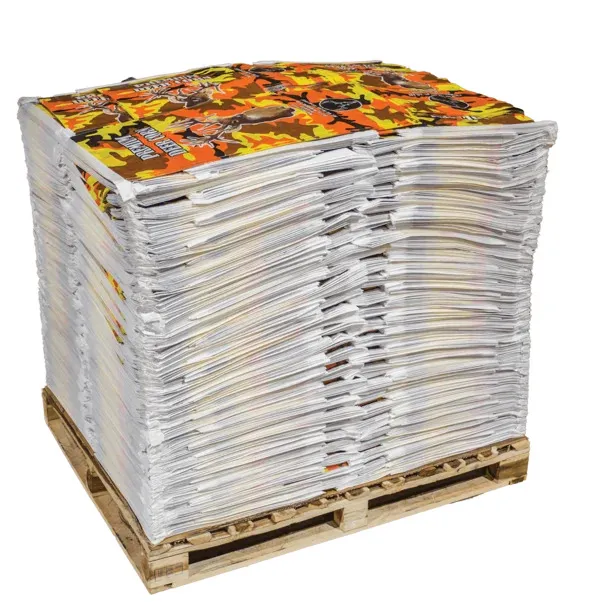
For over 17 years, VidePak has redefined industrial packaging through high-performance Tubular Woven Bags with Form-Fill-Seal (FFS) technology, combining 30+ years of material science expertise, Austrian Starlinger machinery, and ISO-certified sustainable practices to deliver solutions that slash operational costs while prioritizing environmental responsibility. Our FFS-enabled bags reduce packaging waste by 35%, achieve a tensile strength of 18–22 N/mm², and are produced using 100% recyclable polypropylene (PP) powered by a 2 MW solar energy system—offsetting 1,200 tons of CO₂ annually. With an annual output of 50 million units and partnerships across 60+ countries, VidePak’s innovation-driven approach ensures reliability in sectors ranging from agriculture to chemicals.
Section 1: The Engineering Behind FFS Tubular Woven Bags
1.1 Precision Manufacturing for Maximum Efficiency
VidePak’s FFS Tubular Woven Bags are crafted using Austrian Starlinger circular looms capable of producing 14 threads/cm weave density, ensuring pore sizes below 50 microns to prevent leaks. The FFS process integrates three stages into one automated line:
- Forming: Continuous tubular weaving at 120 m/min.
- Filling: High-speed filling rates of 1.5 tons/hour for granular materials like fertilizers.
- Sealing: Ultrasonic heat sealing at 180°C, achieving seam strengths of 80% base fabric integrity (EN ISO 13935-2).
A 2024 case study with a Brazilian soybean exporter demonstrated a 40% reduction in packaging time and 25% lower material waste compared to traditional sewing methods.
1.2 Material Innovations for Durability
- UV-stabilized PP resin: Withstands 1,200 hours of direct sunlight (ISO 4892-3).
- Anti-static coatings: Surface resistivity of 10⁶–10⁹ Ω/sq (IEC 61340-4-1), critical for explosive dust environments.
- Laminated variants: 0.05 mm BOPP layers enhance moisture resistance (<0.5 g/m²/24h, ASTM E96).
Table 1: Key Technical Specifications
| Parameter | Specification | Standard |
|---|---|---|
| Fabric Weight | 80–150 g/m² | ISO 22198 |
| Load Capacity | 25–50 kg per bag | ASTM D5260 |
| Seam Strength | ≥18 N/mm² | EN ISO 13935-2 |
| UV Resistance | 1,200 hours | ISO 4892-3 |
| Moisture Permeability | 0.5 g/m²/24h (BOPP laminated) | ASTM E96 |
Section 2: Sustainability at the Core of Production
2.1 Solar-Powered Manufacturing
VidePak’s 2 MW rooftop solar array generates 2.8 GWh annually, covering 70% of factory energy needs. Excess power is fed into China’s national grid, contributing to regional decarbonization goals. This initiative:
- Reduces reliance on fossil fuels: Cuts annual CO₂ emissions by 1,200 tons.
- Lowers production costs: Energy savings of $180,000/year reinvested into R&D.
2.2 Circular Economy Integration
- 100% recyclable materials: Post-consumer bags are repurposed into new products via closed-loop recycling.
- Waste reduction: Scrap PP from extrusion lines is reused in non-woven fabric production, achieving 98% material utilization.
Section 3: Customization for Global Compliance
3.1 Meeting International Standards
VidePak’s bags comply with:
- EU EN 277: Tensile strength ≥15 N/mm², UV resistance.
- US ASTM D5260: Puncture resistance >40 J/m, stackability.
- JIS Z 1539: Moisture barriers for humid climates.
For Australian mining clients, PE-coated FIBC Bulk Bags with 1,500 mmH₂O hydrostatic resistance (AS/NZS 4020) prevent water ingress during monsoons.
3.2 Industry-Specific Solutions
- Agriculture: Breathable mesh variants reduce grain spoilage by 30% through controlled airflow.
- Chemicals: Kraft paper laminated bags with pH-resistant liners (pH 2–12) safely store corrosive compounds like ammonium nitrate.
Section 4: Client FAQs
Q1: How does FFS technology improve packaging speed?
A: FFS integrates forming, filling, and sealing into one automated line, achieving 1.5 tons/hour filling rates—40% faster than manual stitching.
Q2: Are your bags suitable for food-grade applications?
A: Yes. We offer FDA 21 CFR-compliant PP with soy-based inks, ideal for organic fertilizers and animal feed.
Q3: What certifications ensure product safety?
A: Our bags hold ISO 9001, BRC, and UN certifications, with third-party audits by SGS.
Section 5: Global Impact and Client Success Stories
- Germany: A chemical conglomerate reduced packaging costs by 22% using our custom-printed FIBC Bulk Bags for polymer pellets.
- Vietnam: Rice exporters reported a 50% drop in transit damage after switching to VidePak’s UV-stabilized tubular bags.
References
- Global Standards for Industrial Packaging (2024 Ed.).
- VidePak Sustainability Report: Solar Energy Integration in Manufacturing (2025).
- Case Study: FFS Technology in Agri-Logistics (2024).
VidePak Contact Information
Website: https://www.pp-wovenbags.com/
Email: info@pp-wovenbags.com
By merging cutting-edge automation with unwavering environmental stewardship, VidePak’s Tubular Woven Bags with FFS redefine efficiency in modern packaging. Explore our innovations in FFS Tubular Bags and Sustainable FIBC Bulk Bags to elevate your supply chain’s productivity and sustainability.