
What Are Multi‑Wall Woven Bags?
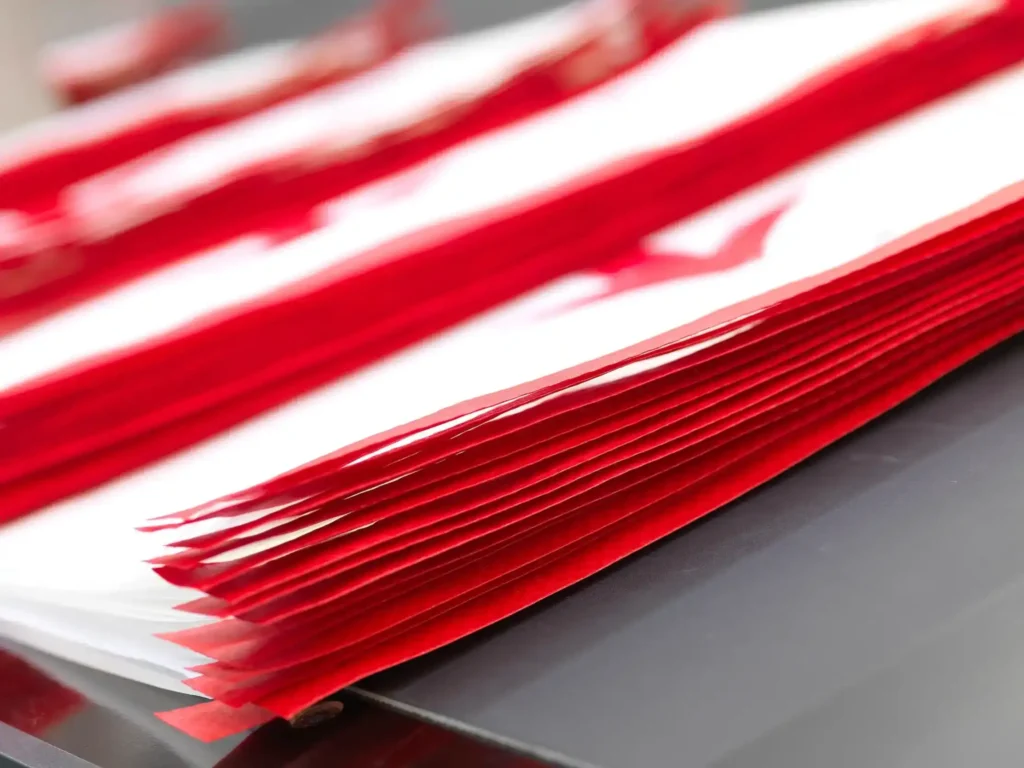
Multi‑Wall Woven Bags are engineered packaging structures that combine a woven polymer fabric with one or more functional layers to deliver strength, barrier control, and brandable surfaces. The core substrate is typically a polypropylene fabric woven from drawn tapes; the outer or inner plies may include biaxially oriented polypropylene film for gloss and moisture resistance, kraft paper for stiffness and a natural look, and polyethylene liners for sealability and dust containment. By stacking these layers, the package distributes loads, resists puncture, and maintains product integrity throughout transport and storage. The design is not merely additive; it is synergistic, because the woven mesh carries tensile forces while the laminates provide surface protection and barrier performance. The result is an industrial sack that is lighter than many alternatives, tougher than a single‑ply wrap, and more configurable than monolithic packaging.
Multi‑Wall Woven Bags are also known by several marketplace aliases that your teams may encounter in specifications, catalogs, or RFQs:
- Multi‑wall woven sacks
- Multiwall woven bags
- Multi‑layer PP woven bags
- Paper‑plastic composite sacks (kraft/PP composite)
- BOPP‑laminated woven bags
- Valve multi‑wall sacks (for powder filling)
- Laminated PP woven bags
All of these relate back to the same architectural idea: a woven structural wall enhanced by additional layers that tune appearance, barrier, and handling.
Material Stack and Construction Logic
The performance of Multi‑Wall Woven Bags depends on the materials used for each wall, how those walls are bonded, and how the system responds to real handling scenarios—filling, stacking, vibration, humidity, and impact. Each component contributes distinct physics. The woven fabric supplies tensile strength and tear resistance; films and papers enforce dimensional stability, print quality, and scuff protection; liners regulate moisture and dust. The total package succeeds when each layer is chosen for a reason, not by habit: Why this denier and pick density? Why this film thickness? Why this paper basis weight? Why this liner gauge? Only when design choices answer a practical “why” do these bags truly excel.
Polypropylene Woven Fabric
Semi‑crystalline polypropylene is extruded into tapes, drawn to align chains, and woven into a mesh. The outcome is a high strength‑to‑weight fabric with low density and robust chemical resistance. Its stiffness and fatigue endurance make it ideal for heavy‑duty sacks. In Multi‑Wall Woven Bags, this fabric is the structural backbone.
BOPP Outer Film
Biaxially oriented polypropylene adds gloss, print receptivity, and abrasion resistance. It stabilizes the outer surface so text and graphics render crisply. It also lowers moisture ingress compared with bare fabric, a key benefit for hygroscopic powders.
Kraft Paper and PE Liners
Kraft paper contributes stack stiffness and a natural visual identity; polyethylene liners provide sealability and dust control. Together they create paper‑plastic composite stacks that are tough, printable, and able to manage humidity.
| Layer | Common Material | Primary Function | Cost Impact | Notes |
|---|---|---|---|---|
| Outer wall | BOPP film or kraft paper | Print surface, scuff resistance, brand look | Moderate | Gloss vs matte identity as needed |
| Structural wall | PP woven fabric | Tensile and tear strength | Base | Denier and picks per inch drive strength |
| Inner liner | LDPE/LLDPE | Moisture barrier and sealability | Low to moderate | Optional but vital for hygroscopic goods |
| Tie/adhesive | Polyolefin tie or hot‑melt | Lamination adhesion | Low | Critical for peel strength and curl control |
| Additives | UV, antistatic, slip | Life extension, handling | Low | Tuned to climate and product |
Characteristic Traits and Why They Matter
What distinguishes Multi‑Wall Woven Bags from simpler sacks is the breadth of tunable traits. Strength without mass. Barrier without brittleness. Branding without fragility. If you seek load capacity but fear scuffing, pick a thicker BOPP. If you crave stiffness for pallet integrity but want a minimal polymer footprint, select a kraft composite. If you must protect against humidity yet keep flowability, integrate a liner and validate the seal. The architecture bends around your use case like a well‑fitted glove.
Drawn PP tapes weave into fabrics that carry heavy loads while staying light, raising payload efficiency per shipment.
Mix BOPP, kraft, and liners to tune moisture control, breathability, and abrasion resistance to route severity.
Gravure or flexographic printing on BOPP achieves photo‑grade graphics; kraft enables classic matte aesthetics.
| Attribute | Indicative Range | How It Is Tuned |
|---|---|---|
| Tensile (warp/weft) | 500–1200 N / 5 cm | Tape denier, draw ratio, weave density |
| Burst strength | 30–60 N/cm² | Fabric quality, laminate adhesion, ply count |
| Drop resistance | Typical pass at 1.2–1.5 m | Closure quality, liner, bag geometry |
| Moisture transmission | 0.5–2.5 g/m²·day | Film thickness, seal integrity |
| UV resistance | 200–400 h QUV | Stabilizers, pigments, outer layer choice |
From Resin to Release: The Manufacturing Journey
A reliable Multi‑Wall Woven Bags program starts long before the first loom runs and continues long after the last pallet leaves the dock. It begins with resin choices, supplier audits, and incoming inspections; it proceeds through extrusion, stretching, weaving, lamination, printing, and conversion; and it concludes with inspection batteries, retention samples, and post‑shipment audits. The thread tying it all together is disciplined process control with high‑caliber machinery.
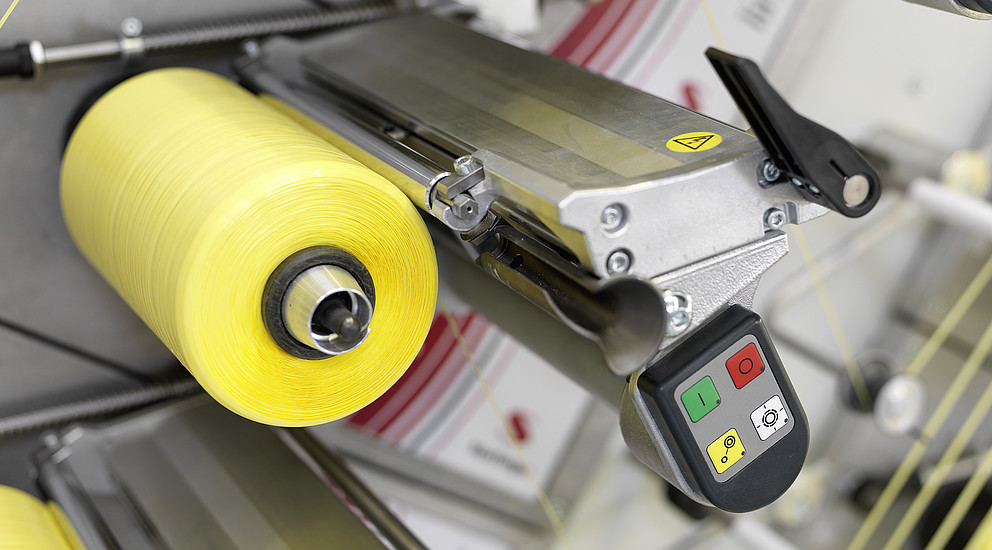
VidePak deploys best‑in‑class lines from Austria and Germany. Starlinger extruders and lamination systems, together with Windmöller & Hölscher film handling and stretching modules, stabilize the variables that matter most: denier tolerance, draw ratio, peel strength, and layflat quality.
Front‑End: Raw Material Selection and Incoming QA
- Virgin PP pellets qualified by melt flow index, ash content, and odor profile.
- LDPE/LLDPE grades for liners specified for seal temperature and slip/antiblock.
- BOPP film vetted for thickness tolerance and surface energy (dyne level).
- Kraft paper controlled for basis weight, moisture, and surface finish.
- Approved vendor lists with periodic audits and certificates of analysis.
Core Processes and Control Windows
| Segment | Primary Objective | Typical Controls | Why It Matters |
|---|---|---|---|
| Extrusion & Tape Drawing | Uniform tapes with tight denier | Melt temperature, quench, draw ratio | Drives tensile strength and brittleness balance |
| Weaving | Stable fabric with target density | Picks per inch, loom tension, defect mapping | Affects tear resistance and appearance |
| Lamination/Coating | Adhesive bond without curl | Nip temp/pressure, adhesive coat weight | Controls peel strength and layflat |
| Printing | High‑fidelity graphics | Registration, ink viscosity, color ΔE | Ensures compliance labels and branding |
| Cutting & Conversion | Accurate length and seams | Cut tolerance, seam/valve strength | Prevents split and leak during handling |
| Palletizing | Stable bales and pallets | Bale compression, strap tension, wrap spec | Reduces damage in transit |
Back‑End: Layered Quality Inspection
- In‑process checks on denier, loom fabric, peel adhesion, and print register.
- Final tests for tensile, burst, drop, dimension, and visual acceptance levels.
- Traceability linking batch IDs to material lots, machine settings, and operators.
- Retention samples for periodic aging verification and complaint investigation.
Use Cases: Where These Bags Earn Their Keep
When evaluating Multi‑Wall Woven Bags, start with the product to be protected and the route it must travel. Cement in dusty plants with rotary packers? Fertilizers crossing humid tropics? Premium pet food needing photo‑grade graphics? Fine chemicals requiring clean filling and antistatic provisions? The right stack looks different in each case, yet the architectural logic repeats: structural fabric for strength, films and papers for the surface, liners for barrier and sealing.
| Sector | Preferred Build | Key Gains |
|---|---|---|
| Cement and building materials | Valve sack, kraft/PP with PE liner | Dust control, fast filling, pallet stability |
| Fertilizer and soil amendments | BOPP/PP with liner | Moisture protection, high‑impact graphics |
| Feed and grain | Kraft/PP optional liner | Puncture resistance, breathability where needed |
| Chemicals and minerals | Valve BOPP/PP with antistatic | Clean filling, ESD mitigation |
| Sugar, salt, starch | PP with PE liner | Humidity control, abrasion resistance |
| Retail bulk categories | BOPP/PP | Photo‑quality branding and scuff resistance |
Related option for valve construction that blends the advantages of paper exterior and woven strength: kraft‑paper laminated woven valve bags. This adjacent format shares much of the production logic described here while optimizing the filling spout and pallet stability for powder handling.
Quality Architecture: How VidePak Secures Consistency
Consistency is not an accident. It is a system. VidePak’s approach to Multi‑Wall Woven Bags quality rests on four pillars that reinforce one another: standards‑based methods, virgin raw materials from major producers, high‑end equipment from Austria and Germany, and a layered inspection model. Each pillar reduces a different form of risk—design risk, material risk, process risk, and release risk. Together they narrow variability so that every pallet performs like the drawing says it should.
Standards‑Driven Workflows
Design, production, and testing reference internationally recognized methods. Specifications borrow from ISO, ASTM, EN, JIS, and applicable national standards for woven packaging. Procedures are written, controlled, and audited; equipment is calibrated on schedule; changes are documented and reviewed.
Virgin Materials from Major Producers
PP, PE, and BOPP are purchased from large producers with transparent traceability. Kraft mills are vetted for basis weight control and moisture. Certificates accompany lots, and incoming sampling verifies the paperwork.
Starlinger and W&H Equipment
Extrusion, stretching, lamination, and film handling live on robust platforms. These machines hold temperatures, draw ratios, and nip conditions so that denier spread tightens, peel adhesion rises, and curl diminishes.
Layered Inspections
| Stage | Representative Tests | Frequency |
|---|---|---|
| Incoming | MFI, dyne level, moisture, CoA verification | Per lot |
| In‑Process | Denier, weave defects, peel adhesion, register | Hourly or per shift |
| Final | Tensile, burst, drop, dimensions, visual AQL | Per batch |
| Post‑Shipment | Retention sample review, aging checks | Monthly or quarterly |
Systems Thinking: Breaking the Problem into Solvable Parts
An effective specification for Multi‑Wall Woven Bags resolves a handful of trade‑offs. Strength must rise without runaway mass. Moisture must be controlled without choking breathability where it matters. Printing must shine under abrasion. Filling must be fast, yet seals must hold. All of this must arrive at a cost the product can support. When teams address these sub‑arguments one by one, a coherent whole emerges.
Strength vs Weight vs Cost
Increase denier and weave density to gain strength; add laminates to guard surfaces; yet watch cost curves. Use a design of experiments against real loads and routes. Land on the minimum viable structure that passes with margin.
Moisture vs Breathability
Hygroscopic powders demand liners and film; agricultural goods may benefit from controlled venting. Choose accordingly, and validate with moisture‑gain tests and flow checks.
Branding vs Abrasion
High‑definition prints can scuff on harsh conveyors if adhesion or hardness is low. Respond with thicker film, improved coat weight, or protective over‑lacquers; test under modeled route abrasion.
Filling Speed vs Seal Integrity
Valve sacks accelerate throughput, but poor valve design leaks. Align spout geometry and fabric stiffness with packer dynamics, and qualify seals via pressure/vacuum tests.
Design for Manufacturability and Cost Structure
Manufacturability determines repeatability. Repeatability determines cost and field performance. A design that fits the line—tape specs, loom limits, laminator width, printer deck, sewing heads—will outrun a gorgeous drawing that machines cannot keep stable. The path to effective Multi‑Wall Woven Bags blends CTQs, yield levers, and throughput targets into a balanced plan.
| CTQ Class | Examples | Measurement |
|---|---|---|
| Fabric CTQs | Denier, ends/picks per inch, loom tension | Inline denier gauges, visual maps |
| Laminate CTQs | Peel adhesion, curl index, thickness | Peel rigs, layflat checks, micrometers |
| Print CTQs | Color tolerance, registration, barcode contrast | ΔE, camera register, verifier scans |
| Conversion CTQs | Cut length tolerance, seam strength, valve integrity | Rules, tensile rigs, leak tests |
Application‑Specific Blueprints
Below are compact blueprints that translate needs into recommended stacks for Multi‑Wall Woven Bags. They are starting points to be validated on your actual fillers and routes.
Cement
Valve construction with kraft exterior and PE liner to control dust and humidity. Ensure seam strength and valve retention under vibration.
Fertilizer
BOPP laminate outside, liner inside. Validate caking resistance and pallet compression. Print to high coverage for export branding.
Premium Pet Food
Glossy BOPP for photo quality, gussets for shelf display, and wear‑resistant film to survive retail handling.
Operationalization: From RFQ to Ongoing Improvement
A robust program for Multi‑Wall Woven Bags follows a consistent rhythm: clarifying requirements, sampling, piloting, mass production, and review. Each phase has distinct tests and decisions. Measure what matters at each gate, and give feedback loops teeth.
| Stage | Actions | Gate Metrics |
|---|---|---|
| RFQ | Share product chemistry, bulk density, fill temperature, route map | Load case captured; barrier need defined |
| Sampling | Receive 50–200 bags; trial on filler | Basic strength and seal checks passed |
| Pilot | Run 5,000–10,000; collect ppm and throughput | Speed and rejection within tolerance |
| Mass Production | Freeze spec, set AQL, implement SPC | Stable distributions and audit readiness |
| Quarterly Review | Analyze field performance and claims | Iterate spec; refine routes and packaging |
Language, Labels, and Compliance Space
The more global the shipment, the more crowded the label. Multi‑Wall Woven Bags can be engineered with enough printable real estate to handle multilingual instructions, safety icons, and regulatory marks. Align art files with the printer’s deck width and register accuracy. Reserve high‑contrast bands for barcodes; verify them with scanners used by your warehouses and customers. What reads well under studio lights may vanish under warehouse sodium lamps; test under realistic lighting and distance.
Risk Management for Volatile Supply Chains
Polymer prices swing; freight lanes clog; standards tighten. The antidote is preparation embedded in the packaging program itself. Fix formulas for pricing that track resin indices. Dual‑source where it matters without fragmenting quality. Pre‑qualify laminates and liners so substitutions during shortages do not break performance. Build slack into pallet patterns and bale straps for long routes and rough handling. For Multi‑Wall Woven Bags, as in most industrial systems, resilience beats cleverness.
Sustainability Pathways without Wishful Thinking
Sustainable packaging earns trust when it is measurable and functional. With Multi‑Wall Woven Bags, there are three practical pathways. First, reduce total polymer mass by shifting some outer walls to kraft where performance allows. Second, favor mono‑polyolefin stacks (BOPP/PP/PE) that are technically recyclable in capable streams. Third, explore bio‑based polyolefins, piloting them on smaller runs to confirm parity in tensile, adhesion, and seal windows. Announce goals only after processes are proven and logistics partners are aligned.
Frequently Raised Engineering Questions
How do these bags compare to single‑layer sacks? Multi‑wall structures carry more load, resist scuffing, and protect against moisture more effectively. Single layers can be cheaper but often cost more over the lifecycle due to damage and loss.
When should valve designs be used? Choose them for powders and high‑speed fillers. Validate valve geometry and sealing routines on the actual packer to prevent fugitive dust.
Are these packages recyclable? Mono‑polyolefin stacks are technically recyclable where infrastructure allows. Paper‑plastic composites are more complex; reduction or design‑for‑disassembly helps.
What drives print quality on BOPP? Surface energy, ink/doctor/anilox controls, registration stability, and the dry/cure balance across colors.
Terminology Cheatsheet
| Term | Meaning | Relevance |
|---|---|---|
| BOPP | Film stretched in two directions | Gloss, clarity, and print surface |
| Denier | Mass per 9000 meters of tape | Correlates with fabric strength |
| Ends/Picks | Warp and weft density | Drives tear and tensile properties |
| AQL | Acceptable quality limit | Sampling acceptance threshold |
| SPC | Statistical process control | Monitors drift and variability |
Keyword and Phrase Map
To improve discoverability while keeping prose natural, this article intentionally alternates related phrases: multi‑wall woven bags multi‑wall woven sacks multiwall woven bags laminated PP woven bags BOPP laminated woven bags kraft paper laminated woven valve bags polyethylene valve bags FIBC bulk alternatives industrial packaging for cement and fertilizer moisture‑proof PP sacks. The core keyword remains Multi‑Wall Woven Bags, repeated where context warrants to reinforce relevance without forcing repetition.
Rhetorical Stress Tests: Why This Architecture Persuades
What survives a long haul, high humidity, and abrasive conveyors? What prints like a catalog yet stacks like a crate? What seals tight yet fills fast? The answer, again and again, is the layered logic of Multi‑Wall Woven Bags. Consider the parallelism: strong yet light; protective yet printable; modular yet integrated. Consider the contrast: single‑ply wraps that tear vs woven fabrics that distribute stress; bare films that scuff vs laminated surfaces that resist abrasion; ad‑hoc specs that drift vs codified controls that hold. Consider the refrain: specify, test, iterate; specify, test, iterate. Packaging is persuasion by performance, not only by argument.
Case Sketches from the Field
Fertilizer exporter, tropical route. Switching from single‑layer fabric to a BOPP/PP with PE liner cut moisture‑caking claims by a large margin and stabilized sacks under pallet compression. The cost delta per unit was offset by fewer reworks and a lower damage rate.
Cement producer, high‑speed packers. Valve multi‑wall designs increased packer throughput while reducing dust loss. Pallet collapse incidents dropped after seam and valve adjustments were validated on line.
Retail pet food brand. Premium graphics on BOPP lifted shelf presence while a tougher outer film specification contained scuffing during distribution. Label readability improved after contrast bands were added for barcodes.
Data Discipline: From Measurements to Management
If you cannot measure it, you cannot manage it. For Multi‑Wall Woven Bags, the essential metrics are not exotic; they are everyday numbers tracked with rigor: temperature windows on extruders, draw ratios on stretchers, denier on tapes, ΔE on colors, peel strength on laminates, and rejection ppm at each conversion step. When these numbers live in dashboards that operators and managers actually read, drift is corrected early and quietly. When they do not, complaints teach the same lesson more expensively.
Tooling for Longevity: Pallets, Bales, and Route Simulation
A bag may be strong yet fail a route. That is why pallet patterns, bale compression, and wrap recipes deserve the same attention as denier and film. Simulate the route: vibration, drop, compression. Where it fails, strengthen the weak link rather than overbuilding the entire stack. For Multi‑Wall Woven Bags, smarter patterns often win more than heavier laminates.
People and Procedures: The Human Factor
Machines hold tolerances, but people hold the line. Training programs that explain not only what to do but why to do it transform compliance into craftsmanship. Operators who can hear a loom misbehave or sense a laminator curl problem keep lines stable. Teams that understand why Multi‑Wall Woven Bags work as systems make better decisions on the fly and write better corrective actions when the system hiccups.
Looking Forward: Innovation without Hype
Incremental change beats grand promises. Expect steady gains: better tie layers with lower volatile content, liners that seal at lower temperatures to save energy, films with tuned surface textures to resist scuffing without thickening, digital registration systems that correct drift in real time. Each improvement strengthens the case for Multi‑Wall Woven Bags across sectors where loss is expensive and reputation is fragile.
Procurement Checklist
- Define the true load case and the transport severity.
- Choose the outer wall: BOPP for gloss and barrier or kraft for stiffness and a natural look.
- Decide on a liner based on moisture sensitivity and flow behavior.
- Confirm printing space for languages, barcodes, and safety icons.
- Align test methods and acceptance thresholds with recognized standards.
- Audit equipment, quality systems, and data discipline.
- Trial on your own filling lines; measure throughput, leakage, and scuffing.
- Freeze the specification; implement SPC and schedule reviews.
Adjacent Product Families and When to Use Them
Sometimes the right answer is not a direct variant of Multi‑Wall Woven Bags but a neighbor in the same family: jumbo bulk bags for one‑ton loads, open‑mouth PE sacks for specific sealing workflows, or valve paper‑laminated options when breathability and classic aesthetics are valued. Understanding these neighbors narrows the search efficiently and prevents forced fits.
Closing Reflections without Ceremony
When you step back, the reasons to select Multi‑Wall Woven Bags are practical rather than poetic: fewer losses, steadier lines, clearer labels, safer stacks. They do not cry for attention; they keep goods intact and brands intact, which in logistics is a kind of quiet triumph.
2025-10-26
- What Are Multi‑Wall Woven Bags?
- Material Stack and Construction Logic
- Characteristic Traits and Why They Matter
- From Resin to Release: The Manufacturing Journey
- Use Cases: Where These Bags Earn Their Keep
- Quality Architecture: How VidePak Secures Consistency
- Systems Thinking: Breaking the Problem into Solvable Parts
- Design for Manufacturability and Cost Structure
- Application‑Specific Blueprints
- Operationalization: From RFQ to Ongoing Improvement
- Language, Labels, and Compliance Space
- Risk Management for Volatile Supply Chains
- Sustainability Pathways without Wishful Thinking
- Frequently Raised Engineering Questions
- Terminology Cheatsheet
- Keyword and Phrase Map
- Rhetorical Stress Tests: Why This Architecture Persuades
- Case Sketches from the Field
- Data Discipline: From Measurements to Management
- Tooling for Longevity: Pallets, Bales, and Route Simulation
- People and Procedures: The Human Factor
- Looking Forward: Innovation without Hype
- Procurement Checklist
- Adjacent Product Families and When to Use Them
- Closing Reflections without Ceremony
- 1. The Rise of Multi-Wall Woven Bags in China
- 2. Precision in Production: Starlinger and W&H Technologies
- 3. The Manufacturing Workflow: From Polymer to Packaging
- 4. Market Dynamics: Opportunities and Challenges
- 5. FAQs: Addressing Buyer Concerns
- 6. The Road Ahead: Sustainability and Innovation
- References
“Why should global buyers prioritize multi-wall woven bags from Chinese manufacturers like VidePak?” asks a procurement manager from Europe.
“Because advanced technology, stringent quality control, and scalable production capabilities make China’s offerings unmatched in durability, customization, and cost-efficiency,” replies Ray Chiang, CEO of VidePak, a leader in PP woven bag manufacturing since 2008.
This exchange encapsulates the core of this article: multi-wall woven bags are revolutionizing industrial packaging in China, driven by cutting-edge production processes, precision machinery from Starlinger and W&H, and a market poised for exponential growth.
1. The Rise of Multi-Wall Woven Bags in China
China’s packaging industry accounts for over 25% of the global market, with PP woven bags dominating sectors like agriculture, chemicals, and construction. Multi-wall woven bags—layered structures combining PP woven fabric with materials like kraft paper or BOPP film—are gaining traction for their enhanced strength, moisture resistance, and sustainability. By 2024, the Chinese woven bag market is projected to grow at a CAGR of 6.2%, fueled by rising export demands and domestic industrial expansion.
VidePak, with 526 employees and $80 million annual revenue, exemplifies this growth. Operating 100+ circular looms and 30+ lamination machines, the company produces over 200 million bags annually, serving clients in 50+ countries.
2. Precision in Production: Starlinger and W&H Technologies
The superiority of multi-wall woven bags hinges on two factors: controlled wire-drawing temperature and draw ratio. These parameters, managed by Austrian Starlinger and German Windmöller & Hölscher (W&H) machinery, directly impact tensile strength, uniformity, and elongation resistance.
Critical Production Parameters
| Parameter | Starlinger Control Range | W&H Control Range | Impact on Quality |
|---|---|---|---|
| Wire-Drawing Temp | 250–280°C | 245–275°C | Prevents polymer degradation; ensures fiber consistency. |
| Draw Ratio | 6:1–8:1 | 5.5:1–7.5:1 | Enhances tensile strength; reduces breakage risk. |
| Cooling Rate | 20–25°C/sec | 18–22°C/sec | Stabilizes molecular structure for uniform weaving. |
VidePak’s Starlinger extruders maintain a ±2°C temperature variance, ensuring PP filaments with denier tolerances under 3%. Meanwhile, W&H’s stretching units optimize draw ratios to 7:1, achieving bags with 50–60 N/cm² burst strength—20% higher than industry averages.
Case Study: A fertilizer producer switched to VidePak’s multi-wall bags, reducing transportation damage by 40% due to superior tensile performance.
3. The Manufacturing Workflow: From Polymer to Packaging
VidePak’s production process integrates automation and eco-conscious practices:
- Extrusion: Virgin PP granules are melted and extruded into flat tapes at 265°C.
- Weaving: Circular looms interlace tapes into fabric with 12–14 threads/inch density.
- Lamination: BOPP or kraft paper layers are heat-bonded for moisture resistance.
- Printing: High-definition flexographic printers apply brand logos in 8–12 Pantone shades.
- Cutting & Sewing: Ultrasonic cutters and double-stitch sewing ensure leak-proof seams.
Innovation Spotlight: VidePak’s kraft paper laminated bags reduce plastic use by 30%, aligning with China’s 2025 sustainability goals.
4. Market Dynamics: Opportunities and Challenges
Growth Drivers
- Export Demand: China exports 65% of its woven bags, with Southeast Asia and Africa as key markets.
- E-Commerce Surge: Cross-border platforms like Alibaba facilitate bulk orders, with 15% YoY growth in B2B transactions.
- Regulatory Shifts: China’s GB/T 8947-2023 standards mandate recyclable materials, favoring multi-wall designs.
Competitive Edge
VidePak’s custom-printed woven bags dominate niche markets:
- Valve Bags: 20% faster filling speeds for powdered chemicals.
- FIBCs: 1–2 ton capacity bags with UV stabilization for outdoor storage.
5. FAQs: Addressing Buyer Concerns
Q1: How do multi-wall bags compare to single-layer PP bags?
| Feature | Multi-Wall Bags | Single-Layer Bags |
|---|---|---|
| Load Capacity | Up to 50 kg | Up to 25 kg |
| Moisture Resistance | Excellent (BOPP layer) | Moderate |
| Cost per Unit | $0.35–$0.50 | $0.15–$0.25 |
Q2: Can VidePak handle small-batch orders?
Yes. With 16 extrusion lines, VidePak’s MOQ is 5,000 bags, with 15-day lead times.
6. The Road Ahead: Sustainability and Innovation
By 2030, China aims to recycle 50% of its plastic waste. VidePak’s R&D team is piloting bio-based PP derived from sugarcane, reducing carbon footprints by 35%. Collaborations with Starlinger on energy-efficient extruders have already cut power consumption by 18%.
References
- China Packaging Industry Association Annual Report, 2024
- GB/T 8947-2023 Standards for Woven Packaging Bags
- VidePak Production Whitepapers
- Starlinger Technical Manuals
- W&H Machinery Performance Metrics
This article synthesizes technical expertise, market insights, and VidePak’s operational excellence to position multi-wall woven bags as the future of industrial packaging. For further details on BOPP laminated bags, explore our dedicated resources.