1. Understanding laminated kraft paper bags with aluminum foil liners in modern logistics
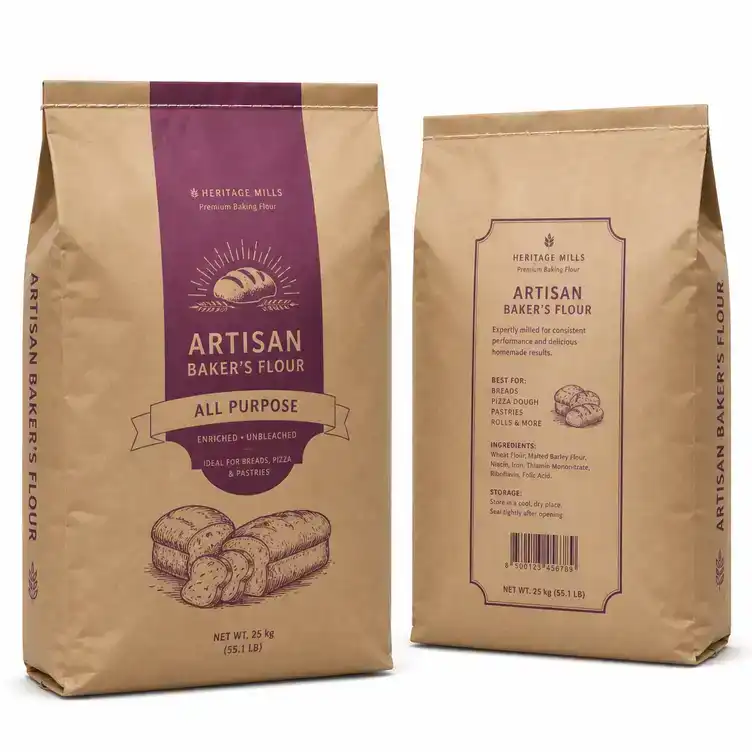
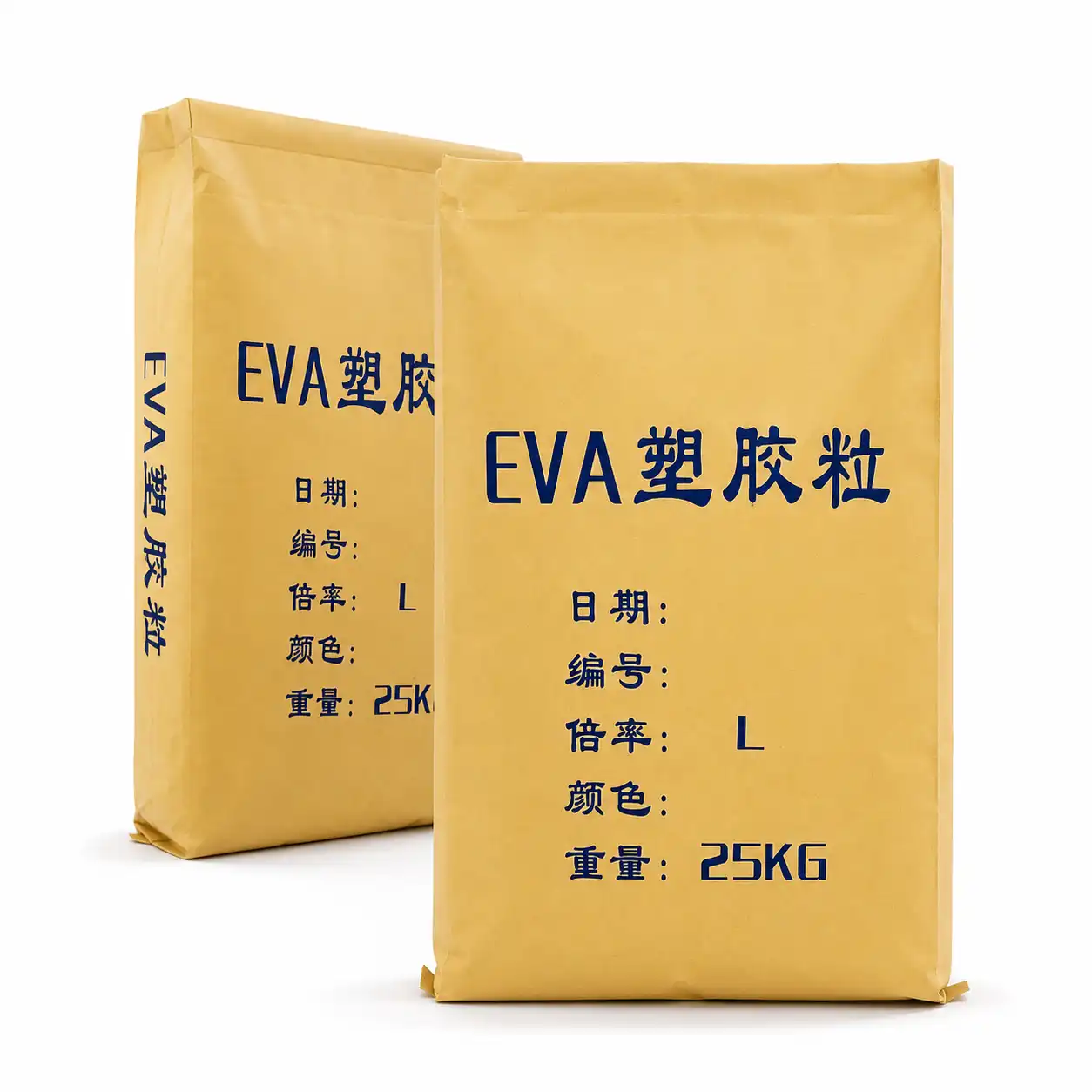
When engineers, buyers, and supply-chain managers talk about heavy-duty packaging today, they are rarely thinking about a single sheet of paper. They are thinking about multi-layer systems that behave almost like engineered components. Among these systems, laminated kraft paper bags with aluminum foil liners occupy a special position. They look like simple sacks, yet they operate as compact barrier chambers: they defend powders and granules against moisture, oxygen, light, and handling abuse while still stacking neatly on a pallet.
In everyday communication, this family of packaging is described with many different names. Some users prefer to emphasize the paper layer and speak of kraft paper aluminum foil bags. Others highlight the construction and call them foil lined kraft paper bags, aluminum foil composite kraft bags, or even kraft paper aluminum foil woven bags when a woven substrate is part of the design. There are also technical phrases such as multi wall kraft paper aluminum foil sacks or foil barrier kraft valve bags that stress the multi-layer nature and specific closure type. The terminology changes from one region to another, yet the core architecture remains surprisingly consistent.
Key idea: Whatever name is used, these packages follow the same principle: a printable kraft exterior, a structural layer such as woven polypropylene or film, and an internal barrier based on aluminum foil plus a sealable polymer. Together they form a small climatic envelope around sensitive product.
Why has this format gained so much ground in chemicals, food ingredients, nutraceuticals, and specialized construction materials? The answer lies in the way value is distributed in these industries. A single pallet of pigments, active ingredients, or high-performance additives may be worth tens of thousands of dollars. Losing even a small percentage to moisture, oxidation, or contamination can cost more than upgrading every bag on that pallet. In this context, laminated kraft paper aluminum foil bags behave less like commodities and more like low-cost insurance policies.
From a practical point of view, these bags also bridge two worlds that often seem opposed. On one side stands the world of rigid drums and all-plastic liners, offering strong protection but lower volumetric efficiency and higher material usage. On the other side stands the world of conventional kraft paper sacks and woven bags, which are light and stackable but vulnerable to moisture and oxygen. Laminated kraft paper bags with aluminum foil liners sit between these extremes, blending the handling advantages of flexible sacks with barrier performance approaching that of much heavier containers.
This is why, when comparing packaging formats for sensitive powders, the question is often not simply Should we use an ordinary sack or a foil solution? but rather How much risk are we prepared to tolerate? Once the cost of caking, off-spec batches, and customer complaints is taken seriously, the case for foil lined kraft paper bags becomes much more compelling.
2. Material architecture of laminated kraft paper aluminum foil bags
To understand what gives laminated kraft paper bags with aluminum foil liners their distinctive performance, it is helpful to examine them as a layered structure. Every layer has its own role, its own limitations, and its own set of design choices. When these layers are harmonized, the result is a robust, high-barrier package. When they are not, the entire system is only as strong as its weakest link.
Layered view of a typical kraft paper aluminum foil bag:
- Outer kraft paper shell for printability and stiffness.
- Structural backing, often woven polypropylene or film, for tensile strength.
- Aluminum foil barrier for extremely low permeability to gases and moisture.
- Inner sealant film for reliable closure and safe product contact.
- Adhesive layers tying the structure together, plus optional functional components.
Seen from the outside, all kraft paper aluminum foil bags might look similar. Yet a small change in paper basis weight, foil thickness, or adhesive system can significantly alter performance. That is why specifiers who treat this packaging as a coherent material system usually achieve better results than those who treat it as an interchangeable commodity.
2.1 Kraft paper shell
The outermost layer is typically strong kraft paper, often between 80 and 120 grams per square meter. This shell is more than a decorative skin. It gives laminated kraft paper aluminum foil bags their characteristic carton-like feel, helps them keep a squared shape on pallets, and provides an excellent surface for printing hazard icons, batch information, and brand graphics.
Kraft paper is produced through a chemical pulping process that yields long, durable fibers. These fibers translate into superior tear resistance and tensile strength compared with many other paper types. When heavy bags are stacked five or six layers high, the extra strength of a well-chosen kraft grade can be the difference between clean pallets and collapsed stacks. At the same time, over-specifying the paper can backfire: very thick or overly stiff paper may crack on folds, run poorly on high-speed bag lines, or add cost without proportional benefit. That is why companies such as VidePak tune paper parameters to the product density, pallet pattern, and handling conditions instead of simply choosing the heaviest sheet available.
Visual appearance also matters. Unbleached natural-brown kraft projects a technical, robust character that suits industrial chemicals and construction materials. Bleached or coated grades can give foil lined kraft paper bags a cleaner, premium look for food ingredients or nutraceuticals. Surface treatments may be used to improve ink holdout, gloss, or scuff resistance, while selective varnish in strap contact zones can keep critical warnings readable even after tight strapping.
2.2 Structural substrate: woven or film backing
Beneath the kraft shell, most laminated kraft paper bags with aluminum foil liners incorporate a structural substrate. The classic choice is woven polypropylene. Polypropylene resin is extruded into thin tapes, stretched to orient the molecules, and woven into fabric. This fabric behaves like a hidden net that carries tensile loads when a bag is lifted, dragged, or dropped.
For some designs, a polymer film such as polypropylene or polyethylene replaces woven fabric. Film-based structures can be lighter and offer a smoother printing base, but they typically sacrifice some puncture resistance and tear tolerance. In applications where a 25 kilogram or 50 kilogram bag may be hooked by a forklift, scraped across a concrete floor, or clamped by a truck, the resilience of a woven layer becomes very attractive. For gentler supply chains or lower fill weights, a film substrate can be perfectly adequate, especially when combined with a carefully chosen paper and foil stack.
Design question: Where is the package most likely to fail first: in tension as a bag is lifted, in compression as pallets are stacked, or at corners as they are bumped? The answer guides whether a designer chooses a tougher woven substrate or a lighter film for a given kraft paper aluminum foil bag.
2.3 Aluminum foil barrier
The aluminum foil layer is the heart of every laminated kraft paper aluminum foil bag. At thicknesses around 7 to 12 micrometers, foil is effectively opaque to light and exhibits extremely low permeability to oxygen and water vapour. Typical oxygen transmission rates are near zero under standard conditions, and moisture transmission is so low that, for practical purposes, it can be treated as a solid barrier as long as the foil remains intact.
This behaviour has direct consequences for product quality. Many powders and granules are hygroscopic: they naturally absorb moisture from air, even at moderate humidity levels. The result can be caking, loss of flow, or chemical changes. At the same time, oxygen can oxidize pigments, degrade active molecules, or make fats go rancid. By adding a continuous foil layer to the laminate, packers can push water vapour transmission rate and oxygen transmission rate down by orders of magnitude compared with paper or polymer films alone, turning foil lined kraft paper bags into powerful tools for maintaining shelf life and product performance.
Foil contributes in other ways as well. Because aluminum reflects radiant energy, the foil layer inside a kraft paper aluminum foil woven bag helps moderate temperature swings in transit. It will not create a refrigerated environment, but it can delay heating under direct sun and reduce the severity of condensation cycles that drive moisture into powder beds. For long sea voyages or storage in unconditioned warehouses, this smoothing effect can be surprisingly important.
2.4 Inner sealant film
The innermost layer of laminated kraft paper bags with aluminum foil liners is generally a sealable polymer film, typically polyethylene or polypropylene, sometimes in multiple layers. This film is the surface that actually touches the product, and it is also the surface that fuses during heat sealing. It must therefore be chemically compatible with the contents, meet any food or pharmaceutical contact requirements, and deliver strong, repeatable seals on the chosen filling line.
Several parameters are tuned here: seal initiation temperature, hot-tack strength, and seal-through-contamination behaviour, especially where fine powders may cling to the seal area. Another often overlooked property is friction. If the inner film is too smooth, bags may slip on pallets. If it is too rough, bags can jam on chutes or spouts. Through resin selection, additives, or surface embossing, the inner film in a kraft paper aluminum foil bag can be adjusted to give just the right balance.
2.5 Adhesives, tie layers, and functional details
Between paper, fabric, foil, and film lie the invisible yet critical components: adhesives and tie layers. Solventless polyurethane adhesive systems are commonly used to laminate these layers into a single coherent web. They must wet the surfaces thoroughly, cure to stable bonds, and leave minimal odour or extractables. In some constructions, special tie resins or primers are required to bind polar metal surfaces to non-polar polyolefins.
On top of this core stack, designers may add functional elements: valve mouths for rapid filling, tear tapes for easy opening, micro-perforations for controlled venting, or secondary polyethylene liners for extremely demanding products. Each element interacts with the rest of the system. A poorly positioned valve can become a weak point; a suboptimal adhesive can compromise foil integrity. Successful laminated kraft paper aluminum foil bags emerge when these details are treated as part of a single architecture rather than as afterthoughts.
3. Functional features that distinguish these aluminum foil kraft paper bags
End users do not buy layers; they buy outcomes. What makes laminated kraft paper bags with aluminum foil liners stand out is the way those layers combine into a bundle of properties that are hard to obtain from simpler sacks. Barrier performance, mechanical strength, print quality, logistic efficiency, and even worker experience all converge in this format.
3.1 Barrier performance beyond conventional multiwall paper
Multiwall paper sacks without foil can achieve respectable moisture protection, especially when polymer coatings or inner films are used. Yet they still allow measurable vapour transmission and oxygen ingress. By contrast, kraft paper aluminum foil bags can push water vapour and oxygen permeation so low that, for many products, the limiting factor becomes the seal quality rather than the laminate itself. This is why formulations that failed in ordinary multiwall sacks often remain stable when repacked into foil lined kraft paper bags.
Consider a hygroscopic fertilizer or mineral additive that clumps as soon as humid air reaches it. In a standard paper sack, edges and folds become moisture pathways. In a laminated kraft paper aluminum foil bag, foil acts as a continuous shield; if seals and valves are well designed, the rate of ingress can be slowed sufficiently that the product stays free-flowing for months or even years, depending on storage conditions. The result is fewer blocked hoppers, less rework, and more predictable dosing.
3.2 Mechanical robustness in real-world handling
The best barrier in the world is useless if the bag bursts during loading or transit. This is where the combination of kraft paper shell and woven or film backing comes into play. The paper provides hoop strength and distributes pressure when bags are stacked. The substrate provides tensile strength and resistance to tearing or bursting under dynamic loads.
In day-to-day operations, laminated kraft paper aluminum foil bags must survive drops from conveyors, friction on steel chutes, clamp-truck handling, and the occasional misuse in warehouses. Compared with plain paper sacks, the woven-reinforced versions behave much more like fabric containers, resisting propagation of small cuts or punctures. This reduces product loss, clean-up labour, and contamination risk. It also means fewer rejected pallets due to cosmetic damage, an often overlooked yet expensive problem when exporting high-value powders.
3.3 Print surface and brand communication
Packaging is also a communication channel. The outer kraft paper of foil lined kraft paper bags accepts high-quality flexographic or gravure printing. This allows safety icons, hazard symbols, dosing instructions, and brand elements to be rendered clearly even on dusty, busy factory floors. Clear communication does more than please marketing teams; it reduces human error and strengthens traceability in audits.
Practical effect of good printing on kraft paper aluminum foil bags:
- Operators can instantly distinguish similar products by colour coding and layout.
- Batch numbers and barcodes remain legible for digital tracking.
- Regulatory markings are clearly visible, simplifying inspections.
- Brand identity carries through from sample bags to full container loads.
3.4 Thermal buffering and condensation management
Temperature swings are an invisible but powerful stress on packaged powders. As bags heat up and cool down, air inside expands and contracts, moisture can condense and re-evaporate, and delicate components may suffer from repeated thermal cycles. The reflective foil inside laminated kraft paper aluminum foil bags helps to moderate these swings. By reflecting radiant energy and adding a thin layer of thermal resistance, foil-lined structures dampen the temperature extremes experienced by the product.
Is this effect enough to replace refrigerated shipping where required? Of course not. But in many intermediate cases, it can be the difference between borderline and safe conditions, especially for products stored in stacked pallets where only the outer layers are exposed to direct heat or cold. The buffering effect helps keep even edge and corner bags closer to the average temperature, and this more stable microclimate supports product quality.
3.5 Balance between protection, weight, and sustainability
Rigid containers such as drums or pails deliver strong protection but use large amounts of material and occupy more space when empty. Lightweight poly bags are efficient in weight but may lack mechanical integrity and barrier strength. Laminated kraft paper bags with aluminum foil liners offer an intermediate path: they provide high-end barrier and good mechanical robustness with relatively low mass per package.
The resulting reduction in packaging weight per kilogram of product can translate into lower transport emissions and cost. When combined with optimized pallet layouts and high stacking stability, the real-world environmental footprint per delivered tonne of material can be surprisingly competitive. In other words, protection and sustainability are not always in conflict; in many use cases, better protection reduces waste and improves resource efficiency, and kraft paper aluminum foil bags are a clear example of this dynamic.
4. From resin and paper to finished laminated kraft paper aluminum foil bags
Behind every pallet of laminated kraft paper aluminum foil bags stands a multi-stage production process. It starts with carefully specified raw materials and ends with finished sacks that look identical yet must perform identically as well. Turning resin, paper, foil, and adhesive into a reliable barrier package requires coordinated machinery and disciplined process control.
Why does the process matter so much? Because barrier performance and mechanical strength are not only properties of materials; they are also functions of how those materials are extruded, woven, laminated, printed, and sealed. Inconsistent processing can destroy the advantages of even the best material recipe.
4.1 Raw material selection and incoming inspection
The journey of every kraft paper aluminum foil bag begins at receiving docks. Rolls of kraft paper, coils of foil, sacks of polypropylene and polyethylene resin, and containers of adhesive arrive with certificates that state their properties. Yet responsible producers verify these claims. They measure paper basis weight and moisture content, check foil thickness and surface quality, and test resin melt flow and contamination levels. Defective or out-of-spec materials are quarantined before they ever reach production.
This early gatekeeping is not a bureaucratic exercise. It is far cheaper to stop a non-compliant batch of foil or paper at the entrance than to discover delamination or weak bags after lamination and printing. For laminated kraft paper bags with aluminum foil liners, where every layer depends on the next, poor materials at the start can undermine an entire production run.
4.2 Extrusion and tape production for woven substrates
If the bag uses a woven backing, polypropylene resin is extruded into a thin sheet and slit into tapes. During stretching, the polymer chains orient, dramatically increasing tensile strength at the chosen gauge. Parameters such as melt temperature, chill roll conditions, draw ratio, and line speed are closely monitored. The objective is simple but demanding: tapes must have consistent width, strength, and elongation. Any variation here appears later as uneven fabric strength or inconsistent elongation under load.
On high-end lines from suppliers such as Starlinger, automated controls and continuous monitoring keep these parameters within tight windows. This allows producers like VidePak to run at high throughput without sacrificing uniformity, which is essential for the downstream performance of foil lined kraft paper bags.
4.3 Weaving, lamination, and foil integration
Tapes are woven into fabric on circular or flat looms. Sensors detect broken tapes or missing picks, triggering alarms or automatic cut-out of defective sections. The resulting fabric then meets kraft paper and aluminum foil in the lamination line, where adhesive is applied and layers are pressed together under controlled pressure and temperature.
For laminated kraft paper aluminum foil bags, the foil is typically positioned between kraft paper and the structural layer. This protects the fragile metal from direct handling damage while keeping it fully effective as a barrier. Adhesive coverage must be uniform; trapped air or dry spots can lead to microchannels for gas and moisture. Cure time and temperature must be optimized so that bonds reach full strength without leaving odour or compromising food-contact suitability.
4.4 Printing, bag forming, and finishing
Once laminated, the large web is printed with graphics and information. Advanced presses, such as those supplied by W&H, deliver tight registration even at high speeds. Safety icons, ingredient lists, and barcodes must all remain correctly aligned relative to future folds and seams. After printing, the web is cut into individual blanks, folded into tubes, and formed into open-mouth or valve-style sacks with sewn, glued, or heat-sealed bottoms.
Typical forming options for laminated kraft paper aluminum foil bags:
- Open-mouth sewn sacks for manual or semi-automatic filling and later reclosure.
- Pinch-bottom sacks with heat-activated closures for clean, dust-tight seams.
- Block-bottom valve bags for fully automated, high-speed powder filling.
4.5 Final inspection and palletization
Before shipping, representative samples of each batch of laminated kraft paper bags with aluminum foil liners undergo dimensional checks, seam integrity testing, and drop or compression tests. Laminates are tested for bond strength and barrier properties using standard methods. Only after the data confirms conformity are bags counted, stacked, and wrapped for dispatch.
The outcome of this long chain of operations is a deceptively simple object: a stackable sack that quietly protects valuable contents. From a systems viewpoint, though, it is the expression of a coordinated manufacturing ecosystem in which each process step supports the next.
5. Application landscape for laminated kraft paper aluminum foil bags
Where do laminated kraft paper aluminum foil bags create the most value? The answer depends on a blend of product sensitivity, value density, regulatory pressure, and logistics complexity. Wherever powders and granules are both valuable and vulnerable, foil-lined sacks tend to appear.
5.1 Chemical and agrochemical powders
In industrial chemicals and agrochemicals, many formulations are sensitive to moisture, oxygen, or light. Water-treatment chemicals can clump, pesticide formulations may degrade, and some speciality additives can lose activity when exposed to ambient conditions. In these segments, kraft paper aluminum foil bags help maintain product integrity from production to field use.
An additional benefit is odour control. Strong-smelling materials stored next to food ingredients or personal-care products can create complaints if vapours migrate between packages. The foil layer in foil lined kraft paper bags restricts this exchange in both directions, protecting neighbouring goods and reducing the risk of cross-contamination.
5.2 Food ingredients and pet nutrition
In the food value chain, oxygen and moisture are relentless enemies of quality. Milk powder, whey powder, cocoa, high-value spices, functional blends, and enzyme preparations all suffer when they absorb water or oxidize. For such ingredients, laminated kraft paper aluminum foil bags offer not just extended shelf life but more predictable performance in the customer process, whether that is mixing, extrusion, baking, or fermentation.
The same is true for premium pet food, where aroma retention and fat stability are key. When multi wall kraft paper aluminum foil sacks are used as secondary or primary packaging, they help keep aromas inside the bag and oxygen outside. This supports flavour, texture, and nutritional stability, all of which are under intense scrutiny in an increasingly competitive market.
5.3 Pharmaceuticals and nutraceuticals
Some pharmaceutical intermediates and nutraceutical powders require both impeccable hygiene and tight environmental control. For these products, laminated kraft paper bags with aluminum foil liners are often used as secondary containment around inner liners or smaller primary packs. The inner layer is selected to meet specific contact regulations, while the foil layer provides an additional barrier against humidity and oxygen.
This dual-level protection is particularly valuable in export scenarios, where goods may experience long transit times, customs delays, or variable storage conditions. Even if a primary liner is compromised by a micro-defect, the surrounding kraft paper aluminum foil bag can limit damage, acting as a safety net in the overall packaging system.
5.4 Industrial powders, construction materials, and valve filling lines
Advanced cements, tile adhesives, wall putties, pigments, and mineral fillers are another natural domain for foil barrier kraft valve bags. These products are heavy, sometimes abrasive, and often handled in tough environments. They demand both strength and environmental resistance. Valve-style laminated kraft paper aluminum foil bags allow high-speed filling with minimal dust emission, then close automatically as the valve collapses under product weight.
For specifiers working with valve filling equipment, it is often useful to compare foil-lined sacks with more conventional kraft-paper-only valve formats. A related discussion of kraft-based valve packaging can be found in resources on high-performance kraft paper laminated woven valve bags for demanding filling lines. In practice, once product sensitivity and export distances increase, the pendulum swings decisively toward foil-enhanced constructions.
5.5 Specialized waste and recycling streams
Beyond primary product packaging, laminated kraft paper aluminum foil bags can be used for controlled collection of hazardous or odorous waste. In laboratories or production plants where by-products must be contained and transported for treatment, the barrier and mechanical properties that protect valuable materials can just as easily protect the environment and workers from problematic residues.
6. Quality management for laminated kraft paper aluminum foil bags at VidePak
No matter how elegant a design may look on paper, it only becomes valuable when it is produced consistently. For laminated kraft paper aluminum foil bags, quality management is not just about catching defects; it is about building a process where defects are unlikely to arise in the first place. VidePak approaches this challenge through four complementary pillars.
Four pillars underpinning VidePak quality for kraft paper aluminum foil bags:
- Standards-based design and testing aligned with international norms.
- Use of virgin raw materials from reputable suppliers.
- Investment in high-end machinery from Austria and Germany.
- Layered inspection across incoming, in-process, and outgoing stages.
6.1 Standards-based specifications and testing
VidePak aligns specifications for laminated kraft paper bags with aluminum foil liners with widely recognized standards frameworks. Test methods for tensile strength, seam resistance, drop performance, compression, water vapour transmission, and oxygen transmission are drawn from established norms. This alignment ensures that data sheet values are meaningful to customers across different regions and industries.
Embedding these methods into routine quality checks means that every batch of kraft paper aluminum foil bags is evaluated not only by visual appearance but also by quantifiable, reproducible criteria. It also simplifies audits, since customers can verify that their own testing aligns with the supplier’s procedures.
6.2 Virgin raw materials and disciplined sourcing
Barrier-critical layers such as aluminum foil and sealant films are particularly sensitive to material fluctuations. Using recycled or poorly controlled inputs here can lead to pinholes, inconsistent adhesion, or unpredictable sealing behaviour. For this reason, VidePak’s default approach for laminated kraft paper aluminum foil bags is to specify virgin, well-characterized raw materials from established suppliers.
Where recycled content is considered for less critical layers, it is introduced carefully and monitored closely. The objective is not dogmatic purity but predictable performance. Customers value the fact that every shipment behaves like the approved sample, and that begins with stable, traceable material streams.
6.3 High-end machinery and process capability
Equipment from technology leaders such as Starlinger and W&H is central to VidePak’s process. These systems offer precise tension control, sophisticated monitoring, and robust mechanical design. In practice, this means fewer wrinkles in laminates, more accurate layer registration, and more stable sealing conditions. The result is a tighter distribution of performance characteristics for each batch of foil lined kraft paper bags.
High throughput is an advantage, but high repeatability is critical. In the context of laminated kraft paper aluminum foil bags, the real value of advanced machinery lies in minimizing variability. When process parameters drift less, quality control becomes confirmation rather than firefighting.
6.4 Layered inspection: incoming, in-process, outgoing
VidePak’s inspection regime stretches from the loading dock to the finished-goods warehouse. Incoming checks validate that paper, foil, films, and resins meet the defined criteria. In-process controls monitor tape strength, fabric density, lamination bond strength, registration in printing, and seam formation. Outgoing audits sample finished laminated kraft paper aluminum foil bags for dimensions, print quality, seam strength, and barrier values.
| Inspection stage | Main focus | Impact on bag performance |
|---|---|---|
| Incoming | Paper basis weight, foil thickness, resin quality, adhesive properties | Prevents weak or inconsistent raw materials from entering production |
| In-process | Tape strength, weave density, lamination bond strength, registration | Keeps production centred, reduces scrap, stabilizes mechanical and barrier properties |
| Outgoing | Dimensions, seams, drop performance, compression, WVTR and OTR sampling | Confirms that delivered laminated kraft paper aluminum foil bags match the agreed specification |
7. System thinking applied to laminated kraft paper aluminum foil bags
Viewed casually, a kraft paper aluminum foil bag may look like a static object. Yet, in practice, it behaves like a small system in which barrier, mechanical, informational, and process elements interact. System thinking helps designers and buyers see these interactions clearly and avoid local optimizations that cause global problems.
7.1 Barrier subsystem
The barrier subsystem consists of the foil, the inner sealant layer, and the quality of seals and seams. Its task is to control exchanges of moisture, oxygen, and light. Increasing foil thickness, widening seams, and optimizing seal temperature all strengthen this subsystem, but at the cost of material consumption or process complexity. The art lies in achieving enough barrier without undermining other goals such as cost or recyclability.
7.2 Mechanical subsystem
The mechanical subsystem embraces the kraft shell, the woven or film backing, and the bottom construction. It determines whether a laminated kraft paper aluminum foil bag can withstand drops, compression, and clamping. Increasing paper basis weight or fabric density raises strength but also increases stiffness and cost. Adjusting bottom geometry can improve stacking yet complicate filling. Instead of pushing a single parameter to extremes, system thinking encourages balanced adjustments informed by realistic loading conditions.
7.3 Information subsystem
The information subsystem covers print layout, colour contrast, barcodes, and coding areas. It answers questions such as: Can operators identify a product at a glance? Can scanners read codes under dust and abrasion? Can inspectors trace a batch after months of storage? In foil lined kraft paper bags, the kraft surface and printing inks work together to carry this information. Changes to coatings, varnishes, or strap placement can either protect or compromise this channel.
7.4 Process-capability subsystem
Finally, there is the process-capability subsystem: the extrusion lines, looms, laminators, printers, bag-makers, and filling equipment. Even a perfect design can fail if executed on unstable processes. Conversely, robust processes can often compensate for minor design imperfections. When VidePak invests in high-end machinery and data-driven control for its laminated kraft paper aluminum foil bags, it is really strengthening this subsystem so that all the others can perform reliably.
When these subsystems are aligned, the result is a package that protects contents, supports efficient logistics, communicates clearly, and runs smoothly on filling lines. When they are misaligned, problems surface as caking, leaks, burst bags, or confusing labelling. System thinking is therefore not an academic luxury; it is a practical necessity for anyone serious about kraft paper aluminum foil bags.
8. Key technical parameters and design levers
Technical data sheets condense complex design choices for laminated kraft paper aluminum foil bags into a set of numbers. Behind each number lies a trade-off. Understanding these levers helps buyers and engineers specify sacks that are neither overbuilt nor under-protected.
| Parameter | Typical range | Design impact |
|---|---|---|
| Bag width | 300–600 millimetres | Adjusts fill weight, pallet pattern, and handling ergonomics. |
| Bag length | 450–1100 millimetres | Influences stacking height and the ratio of product volume to surface area. |
| Side gusset depth | 80–200 millimetres | Controls how square the bag becomes when filled and stacked. |
| Paper basis weight (outer) | 80–120 grams per square metre | Higher values boost stiffness and print feel but increase cost and stiffness. |
| Woven fabric weight | 60–100 grams per square metre | Drives tensile strength and tear resistance. |
| Aluminum foil thickness | 7–12 micrometres | Higher gauges improve barrier but add cost and slight stiffness. |
| Inner sealant thickness | 40–80 micrometres | Affects sealing window and seal robustness. |
| Safe working load | 10–50 kilograms | Defines mechanical design envelope and test requirements. |
| Water vapour transmission | < 0.5 grams per square metre per day (typical) | Critical for moisture-sensitive powders. |
| Oxygen transmission | < 0.5 cubic centimetres per square metre per day (typical) | Important where oxidation or colour change is a concern. |
When specifiers adjust these parameters thoughtfully, they can tailor laminated kraft paper aluminum foil bags to very different roles: from compact bags for high-value active ingredients to robust sacks for dense mineral powders headed for construction sites.
9. Failure modes and countermeasures in laminated kraft paper aluminum foil packaging
Even well-designed systems can fail. Understanding how laminated kraft paper aluminum foil bags can go wrong is essential for preventing failures before they happen. Most serious issues fall into a small number of categories, each with its own characteristic signals and remedies.
9.1 Moisture-related caking and loss of flow
One of the most common complaints in powder packaging is that material does not discharge as expected. It bridges in hoppers, clings to walls, or arrives at the customer as a solid block. When this happens with products packed in kraft paper aluminum foil bags, the root cause is usually either elevated humidity exposure from outside or moisture already present inside at filling.
Countermeasures include checking foil integrity, reviewing seal designs, verifying that filling is done in controlled humidity, and clarifying storage recommendations. In particularly demanding applications, a secondary inner liner or desiccant can be considered. The goal is to match the barrier provided by the foil lined kraft paper bag with realistic expectations of humidity exposure throughout the product’s journey.
9.2 Barrier loss from pinholes and delamination
Aluminum foil is an excellent barrier, but only as long as it remains continuous and fully bonded. Mechanical flexing, aggressive handling, or poor lamination can create pinholes or delamination paths. These are often invisible to the naked eye yet large enough on a microscopic scale to allow meaningful gas or moisture transfer.
Preventing such defects requires high-quality foil, careful tension control during lamination, complete adhesive coverage, and appropriate curing. In quality laboratories, peel strength tests, microscopy, and in some cases specialized pinhole detection methods are used to ensure that laminated kraft paper aluminum foil bags actually deliver the barrier level specified on their data sheets.
9.3 Mechanical failures: burst bags and seam issues
Bags that split during handling or storage create immediate and visible problems: product spills, contamination of surrounding goods, and safety hazards for workers. When this happens with laminated kraft paper aluminum foil bags, investigation often points to a mismatch between design assumptions and real handling conditions. Perhaps bags were drop-tested from one height but regularly thrown from higher conveyors, or maybe seam designs did not anticipate clamp-truck pressure patterns.
Solutions include reinforcing seam zones, revisiting paper and fabric combinations, and conducting realistic tests that reflect actual logistics practices. Sometimes modest structural changes to the kraft paper aluminum foil bag can dramatically reduce failure incidence without a major cost penalty.
9.4 Information failures: illegible markings and traceability gaps
Not all failures involve physical rupture. When batch codes are smeared, barcodes are unreadable, or hazard symbols are printed too close to folds, operational risk increases. In this sense, a laminated kraft paper aluminum foil bag can fail even while remaining structurally intact.
Better coordination between graphics teams and converting engineers can prevent such issues. Choosing ink systems compatible with the kraft surface, defining safe zones away from seams and straps, and validating print legibility after simulated handling all contribute to robust information performance.
10. Decision logic and economics of choosing laminated kraft paper aluminum foil bags
When should a company upgrade from plain sacks to laminated kraft paper aluminum foil bags? The answer is rarely dictated by packaging cost alone. Instead, it emerges from a broader evaluation of product value, risk, and total cost of ownership.
A basic question to ask is: how much does it cost when something goes wrong? When the price of product loss, rework, claims, and damaged relationships is significant, the incremental cost of foil lined kraft paper bags often looks small by comparison.
Key factors in this decision include product sensitivity to humidity and oxygen, value density per bag or pallet, travel distance and climate variation in the supply chain, and regulatory expectations in destination markets. If a formulation is extremely robust, sold locally, and relatively low in value, ordinary kraft sacks may be sufficient. But as sensitivity, distance, and value rise, the balance tends to tip toward kraft paper aluminum foil bags.
An additional dimension is organizational risk tolerance. Some companies prefer to accept a predictable, slightly higher packaging cost in exchange for dramatically lower risk of product failure. Others may accept more variability as long as average outcomes remain acceptable. Laminated kraft paper aluminum foil bags are particularly attractive to the first group, because they convert uncertain losses from product failure into a known, controllable packaging investment.
11. Sustainability perspectives and future directions
At first glance, combining paper, woven plastic, aluminum foil, and polymer films into one structure may seem at odds with environmental goals. However, sustainability is more than a single metric. For laminated kraft paper aluminum foil bags, the picture becomes more nuanced when the full life cycle is considered.
First, better protection means less wasted product. For high-value or resource-intensive materials, the environmental burden of producing and then discarding spoiled product can outweigh the impact of the packaging itself. If kraft paper aluminum foil bags prevent caking or spoilage that would otherwise send tonnes of material to waste, they can deliver a net environmental benefit even if their own recyclability is limited.
Second, advances in process energy sourcing and efficiency matter. When producers use cleaner electricity and optimize their lines, the carbon footprint per bag drops. High-performance machinery can also reduce scrap rates, meaning less material is wasted before bags ever see product. Over thousands of batches, such improvements significantly improve the sustainability profile of foil barrier kraft valve bags and related formats.
Third, there is an active movement toward designs that are easier to recycle or at least easier to separate into material families. Future generations of laminated kraft paper aluminum foil bags may use carefully engineered interfaces that facilitate delamination in recycling processes, thinner foil gauges that preserve barrier properties with less metal, or novel barrier layers that complement or partially replace traditional foil.
12. Practical checklist for specifiers and buyers
For professionals who must turn complex requirements into concrete specifications, it helps to have a simple checklist. The following questions provide a starting point for deciding whether laminated kraft paper aluminum foil bags are the right choice and, if so, how they should be configured.
- How sensitive is the product to moisture, oxygen, and light, and over what time frame?
- What is the value per bag or pallet, and how costly would product failure be?
- How long and complex is the logistics chain, and what climates will the product traverse?
- Are there strict requirements for cleanliness, odour control, or migration limits?
- Which filling and closing technologies will be used: open-mouth, pinch-bottom, or valve format?
- What pallet patterns, stacking heights, and handling methods are expected in practice?
- Which sustainability metrics matter most to stakeholders: waste reduction, recyclability, or carbon footprint?
By answering these questions openly and quantitatively, buyers and engineers can move beyond generic discussions of ‘better packaging’ and toward precise, data-driven decisions. In many cases the result will be a carefully tuned specification for laminated kraft paper aluminum foil bags that align protection, efficiency, and cost in a coherent way.
2025-11-22
- 1. Understanding laminated kraft paper bags with aluminum foil liners in modern logistics
- 2. Material architecture of laminated kraft paper aluminum foil bags
- 3. Functional features that distinguish these aluminum foil kraft paper bags
- 4. From resin and paper to finished laminated kraft paper aluminum foil bags
- 5. Application landscape for laminated kraft paper aluminum foil bags
- 6. Quality management for laminated kraft paper aluminum foil bags at VidePak
- 7. System thinking applied to laminated kraft paper aluminum foil bags
- 8. Key technical parameters and design levers
- 9. Failure modes and countermeasures in laminated kraft paper aluminum foil packaging
- 10. Decision logic and economics of choosing laminated kraft paper aluminum foil bags
- 11. Sustainability perspectives and future directions
- 12. Practical checklist for specifiers and buyers
- The Benefits of Aluminum Foil in Kraft Paper Bags
- Kraft Paper Woven Bags vs. Kraft Paper Aluminum Foil Bags
- The Production Process of Laminated Kraft Paper Bags
- VidePak’s Use of Starlinger Equipment
- The Role of Sustainable Production
- Conclusion: A Modern Solution for Packaging Challenges
- Product Parameters for Laminated Kraft Paper Bags
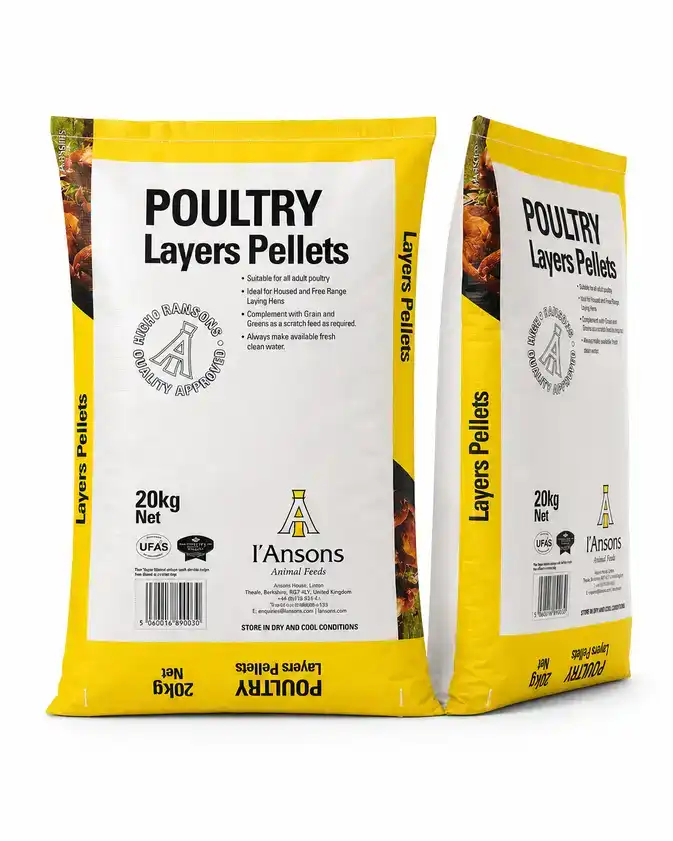
In the packaging industry, Laminated Kraft Paper Bags have become a popular solution for products that require durability, moisture resistance, and aesthetic appeal. The use of aluminum foil as a lining in kraft paper aluminum foil bags further enhances these characteristics, making them suitable for a wide range of applications, from food packaging to industrial materials. But what exactly sets these bags apart from traditional kraft paper woven bags? How does the inclusion of aluminum foil impact the bag’s performance, and what are the advantages of using such materials?
This article will explore these questions in depth, along with a detailed overview of the production process involved in creating these multi-functional bags. Special attention will be given to the use of advanced machinery from Starlinger, known for its high-speed, fully automated equipment that boosts efficiency and ensures consistent quality.
The Benefits of Aluminum Foil in Kraft Paper Bags
Why Use Aluminum Foil?
Aluminum foil is often incorporated into Laminated Kraft Paper Bags to provide additional barrier properties that are not present in standard kraft paper woven bags. The inclusion of aluminum foil brings the following benefits:
- Superior Moisture and Oxygen Resistance
Aluminum foil acts as an excellent barrier against moisture, oxygen, and other environmental factors that can compromise the integrity of the product being packaged. This makes it ideal for food products, pet food, chemicals, and other moisture-sensitive materials. The foil lining helps to keep the contents fresh for longer periods, preventing spoilage and contamination. - Enhanced Durability
While kraft paper alone offers good strength, combining it with a layer of aluminum foil adds another dimension of durability. This makes Laminated Kraft Paper Bags suitable for heavy-duty applications, where the contents are subject to long-term storage or transportation under varying environmental conditions. - Lightweight with High Protection
Aluminum foil provides these protective benefits without adding significant weight to the packaging. This ensures that Aluminum foil bags remain lightweight while offering high levels of protection. Reduced weight is advantageous in industries where shipping and transportation costs are key concerns. - Temperature Regulation
The reflective nature of aluminum foil allows it to regulate the temperature inside the bag, keeping the contents cooler in warm environments and minimizing heat absorption. This is especially useful in packaging food items or temperature-sensitive products.
Kraft Paper Woven Bags vs. Kraft Paper Aluminum Foil Bags
Understanding the differences between standard kraft paper woven bags and kraft paper aluminum foil bags can help customers make the right choice for their packaging needs. Let’s break down the key characteristics of both types:
| Feature | Kraft Paper Woven Bags | Kraft Paper Aluminum Foil Bags |
|---|---|---|
| Barrier Properties | Basic moisture and dust protection | Superior moisture, oxygen, and UV resistance |
| Durability | Good | Enhanced with foil for higher durability |
| Weight | Lightweight | Slightly heavier due to foil, but still manageable |
| Applications | Dry goods, grains, powders | Perishable goods, chemicals, temperature-sensitive products |
| Cost | Lower cost, suitable for less demanding uses | Higher cost, but better protection and longevity |
While both types of bags offer significant advantages, Kraft Paper Aluminum Foil Bags are the go-to choice for industries that need extra protection against moisture and environmental factors.
The Production Process of Laminated Kraft Paper Bags
Creating high-quality Laminated Kraft Paper Bags or multi-wall woven bags involves several complex steps. The use of modern, automated equipment from Starlinger ensures that these steps are carried out efficiently, with minimal waste and consistent quality. Let’s take a look at the key stages in the production process:
1. Extrusion and Taping (Thread Production)
The process begins with the extrusion of polypropylene (PP) or polyethylene (PE) into thin films, which are then cut into tapes. These tapes will be woven together later to form the structural base of the bag. Starlinger’s equipment offers high-speed extrusion with precision control over the thickness of the tapes, ensuring uniformity in strength and flexibility.
2. Weaving
Once the tapes are ready, they are woven together using circular looms to create a robust fabric base. Starlinger’s looms are known for their speed and efficiency, operating at line speeds of over 200 bags per minute, while maintaining the structural integrity of the woven fabric. This woven fabric forms the base for Laminated Woven Bags, giving them their characteristic strength and durability.
3. Lamination
In the case of Laminated Kraft Paper Bags, the woven fabric is laminated with kraft paper. For kraft paper aluminum foil bags, an additional layer of aluminum foil is sandwiched between the woven fabric and the kraft paper. The lamination process involves bonding these layers together using heat and pressure to create a cohesive material that combines the best properties of each component.
4. Cutting and Printing
After lamination, the fabric is cut into individual bag blanks, ready for further processing. At this stage, the bags can also be printed with high-quality graphics or logos, thanks to the state-of-the-art printing machines in use. Starlinger’s printing systems are highly automated, ensuring that the prints are durable and resistant to fading, even under harsh conditions.
5. Coating
A coating may be applied to the bags to enhance their resistance to moisture and other environmental factors. This coating further strengthens the barrier properties of the bag, making it suitable for products that require long-term storage or protection against the elements.
6. Quality Control and Inspection
Quality control is critical at every stage of production. At VidePak, we have a rigorous quality inspection process that includes checking for fabric consistency, ensuring that the lamination is smooth and free from defects, and verifying the accuracy of printing. Our Starlinger equipment is equipped with automated inspection tools that help detect and correct issues early in the production process, reducing waste and improving efficiency.
7. Sewing and Finishing
The final step involves sewing the bags together, typically at the bottom and top, to create a fully functional packaging solution. Depending on the application, additional features such as valve openings or handles can be added at this stage.
8. Packaging and Shipping
Once the bags have passed quality control, they are packed for shipment. With the help of Starlinger’s automated packaging systems, the finished products are stacked, counted, and prepared for delivery efficiently, ensuring a smooth workflow from production to distribution.
VidePak’s Use of Starlinger Equipment
At VidePak, we take pride in using the most advanced equipment available to produce Laminated Kraft Paper Bags and Aluminum foil bags. Starlinger’s full suite of equipment, from extrusion lines to high-speed looms, allows us to achieve unparalleled production efficiency and quality control. This investment in state-of-the-art machinery ensures that we can meet the growing demand for reliable and sustainable packaging solutions.
Our Starlinger equipment offers the following advantages:
- Automation: High levels of automation reduce the need for manual intervention, allowing us to produce more bags in less time, without compromising on quality.
- Line Speed: With production speeds exceeding 200 bags per minute, our facilities can handle large orders efficiently, reducing lead times for our customers.
- Multi-Machine Integration: The machines work seamlessly together, from extrusion to packaging, ensuring a smooth and efficient production process with minimal downtime.
The Role of Sustainable Production
In today’s market, sustainability is a major consideration for both consumers and manufacturers. At VidePak, we are committed to sustainable practices, not only in the materials we use but also in our energy consumption.
Our facilities are powered by a 2MW photovoltaic system installed on the rooftops of our factories. This solar energy system allows us to meet our daily operational energy needs without relying on non-renewable energy sources. By producing clean energy, we reduce our carbon footprint and contribute to the global effort to combat climate change.
Any excess energy generated by our solar system is fed back into the national grid, providing additional environmental benefits and helping to support the transition to renewable energy on a broader scale.
Conclusion: A Modern Solution for Packaging Challenges
Laminated Kraft Paper Bags, particularly those that incorporate aluminum foil, represent a modern solution to the growing demands of various industries. Whether for food packaging, chemicals, or other industrial materials, these bags provide superior protection, durability, and functionality.
At VidePak, our commitment to quality is reflected not only in the materials we use but also in the advanced production technologies and sustainable practices we employ. By investing in Starlinger’s high-performance machinery and renewable energy systems, we ensure that our products are manufactured to the highest standards while minimizing environmental impact.
For businesses looking for reliable, eco-friendly packaging solutions, Laminated Kraft Paper Bags from VidePak offer the perfect combination of strength, sustainability, and performance.
Product Parameters for Laminated Kraft Paper Bags
| Parameter | Details |
|---|---|
| Material | Kraft paper, woven polypropylene, aluminum foil |
| Lamination | Kraft paper laminated with woven PP and aluminum foil |
| Load Capacity | 10 kg to 50 kg |
| Barrier Properties | Moisture, oxygen, and UV resistant |
| Printing | Up to 8 colors (durable and fade-resistant) |
| Reusability | Yes |
| Environmental Impact | Produced using solar energy, recyclable materials |
By focusing