
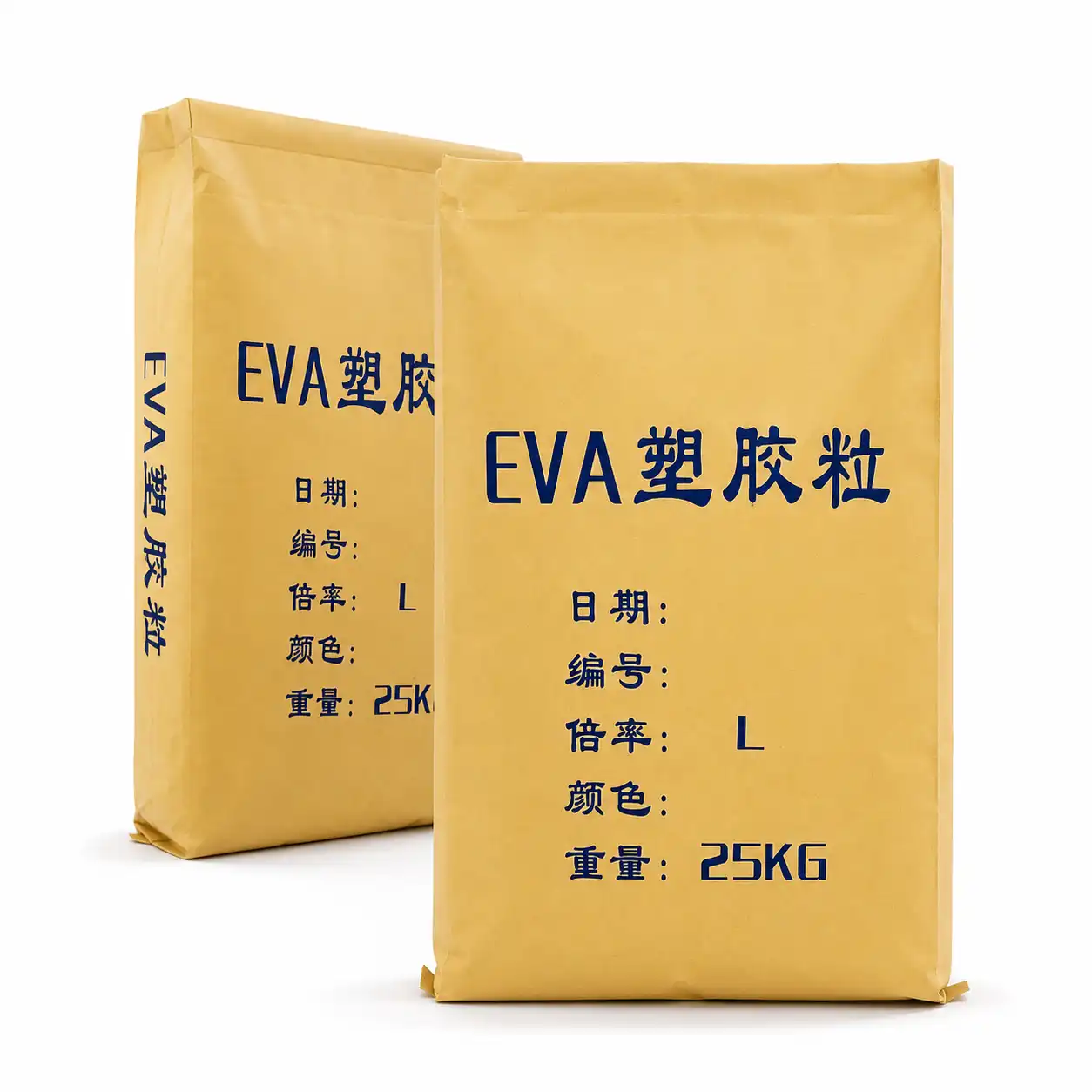
The original VidePak article starts from a smart and practical question: why put aluminum foil inside a kraft paper bag at all? Its answer is clear. A modern bag is not just paper folded into shape; it is a layered protection system built to resist moisture, oxygen, light, odor loss, puncture, and rough transport. That core idea is well supported by the original article’s layered description of kraft shell, structural backing, foil barrier, and sealant film, and it is also consistent with industry and regulatory sources that describe foil laminates as high-barrier structures and kraft paper as a strong paper base for sacks and technical packaging.
The real value of kraft paper laminated aluminum foil bags is not that they look premium. It is that they reduce packaging risk. They help slow moisture pickup, block oxygen and light, protect aroma, support heat sealing, and keep a pallet of valuable powder or food ingredient from turning into waste. In many cases, the extra cost of an Aluminum Foil Composite Bag is small when compared with the cost of spoilage, caking, claims, rework, and lost shelf life.
This rewritten article follows the same logic as the original piece, but expands it in a deeper and more commercial direction. It explains not only what aluminum foil composite kraft paper bags are, but also why they work, where they create the most value, how they are made, what can go wrong, and how buyers should judge them honestly in an age when barrier performance, food safety, compliance, and recyclability all matter at the same time.
Why Adding Aluminum Foil to Kraft Paper Changes the Whole Package
A plain paper sack is useful. A foil-lined paper composite is strategic. That is the first big difference. The Aluminum Association states that aluminum foil provides a complete barrier to light, oxygen, moisture, and bacteria, while the European Aluminium Foil Association describes barrier foil as an absolute barrier to light, gases, and moisture, preserving aroma, flavor, and product quality. By contrast, kraft paper brings strength, stiffness, printability, and handling comfort, not full barrier protection on its own. When those materials are laminated together, the package stops being “just a bag” and starts behaving like a controlled micro-environment around the product.
That layered logic explains why kraft paper laminated aluminum foil bags are widely used for milk powder, spices, pet nutrition, nutraceutical powders, chemicals, pigments, and other materials that suffer when humidity rises, oxygen enters, or aroma escapes. In these cases, the package must do two things at once: it must survive logistics, and it must protect product quality. One without the other is not enough. A strong bag with weak barrier still loses product value. A strong barrier with poor converting still fails on the line or on the pallet. The best aluminum foil composite kraft paper bags solve both problems together.
Foil sharply reduces water vapor transfer, helping powders stay free-flowing and dry.
Foil slows oxidation and helps keep taste, smell, and active performance more stable.
Opacity matters for light-sensitive products, especially in food and pharma-adjacent uses.
Kraft paper offers a natural print surface and a premium industrial look.
The comparison below shows why buyers often move from ordinary sacks to Aluminum Foil Composite Bag structures only after they calculate the full risk of the packed goods, not merely the price of the empty bag. The categories synthesize the original article’s framework with barrier and paper-material source data.
| Bag Type | Barrier Level | Handling Strength | Typical Use Logic |
|---|---|---|---|
| Plain kraft sack | Low to moderate | Good, depending on paper and structure | Dry products with limited sensitivity |
| PE-lined kraft bag | Medium | Good | Basic moisture protection at lower cost |
| kraft paper laminated aluminum foil bags | High | High when the laminate and bag conversion are well designed | High-value, light-sensitive, oxygen-sensitive, or moisture-sensitive goods |
How the Layered Structure of an Aluminum Foil Composite Bag Actually Works
Outer kraft paper: strength, stiffness, printability
The outer paper layer does several jobs at once. It gives the package shape, helps it stand and stack better, accepts printing well, and creates the visual language many industrial and food buyers want: honest, strong, technical, and natural. Mondi describes sack and specialty kraft papers as combining strength and porosity from long fibres, and high porous sack kraft grades as offering exceptional strength and good convertibility on high-speed lines. That matters because a bag is handled long before it is opened: filled, lifted, dropped, strapped, palletized, and often stored in changing climates. The better the outer paper behaves, the more stable the whole pack feels in use.
Structural substrate: woven support or film support
The original article correctly points out that many designs place a structural layer under the paper, often woven polypropylene or a film layer. This hidden layer is the muscle of the bag. Woven PP distributes tensile load, improves tear resistance, and helps the package survive hard handling. Film-backed structures can be smoother and lighter, but woven-backed structures often win when the product is heavy, the route is long, or the handling is rough. In short: paper gives presence, foil gives barrier, and the substrate gives survival. That three-part balance is one reason aluminum foil composite kraft paper bags are so popular in supply chains that value both shelf life and transport durability.
The aluminum foil layer: the core barrier
This layer is the heart of the structure. The original article places typical foil thickness around 7 to 12 micrometers, which aligns with long-standing flexible packaging practice. The European Aluminium Foil Association’s reference library states that foil of at least 6 microns can act not just as a functional barrier but as an absolute barrier in food-contact applications under demanding test conditions. That is why the foil layer is the “quiet hero” inside so many high-performance packages: it blocks light, sharply slows oxygen transfer, resists moisture movement, and protects aroma. Without that layer, many so-called premium paper bags would still behave like upgraded sacks rather than true high-barrier systems.
Sealant film, heat sealing, and bond quality
Foil alone does not make a good bag. It must sit inside a structure that can be converted and sealed well. FDA guidance for flexible packaging notes that laminates often include a barrier layer such as aluminum foil together with sealing layers, and the U.S. eCFR explains that in laminate structures the food-contact layer can be separated from outside layers by a functional barrier such as foil. Henkel likewise describes flexible laminates as combinations of film and foil layers with different characteristics, and stresses the need for careful quality management. This is the practical truth: a bag preserves product only when the foil barrier, sealant film, adhesive bond, and final closure all work together. A brilliant barrier plus a weak seal is still a weak package.
Buyers often focus on foil thickness, but real package performance also depends on flex-crack resistance, edge protection, adhesive stability, and seal integrity. TAPPI literature and sterilization-packaging guidance both note that flexing can increase pinholes or damage in foil layers, which is why structure design and handling discipline matter just as much as the foil itself. Inference: the best kraft paper laminated aluminum foil bags are designed as systems, not bought as isolated materials.
The table below summarizes the layers in a typical Aluminum Foil Composite Bag and the business risk attached to each one. It is a synthesis of the original article’s architecture and the external technical sources above.
| Layer | Main Job | If It Is Wrong |
|---|---|---|
| kraft paper | Shape, print, stack feel, outer strength | Poor appearance, lower stiffness, weaker pallet presentation |
| Woven substrate or film | Carrying strength, tear control | Bursting, drag damage, edge failure |
| aluminum foil | Barrier to moisture, oxygen, light, odor loss | Caking, oxidation, flavor loss, shorter shelf life |
| Inner sealant film | Heat seal, product contact, clean emptying | Weak seals, contamination risk, line downtime |
| Adhesive / tie layer | Bonding, laminate stability | Delamination, curling, barrier failure over time |
Why These Aluminum Foil Composite Kraft Paper Bags Perform Better in Real Logistics
A filled bag does not live in a lab. It lives in trucks, ports, warehouses, humid summers, cold mornings, forklift contact zones, and long waiting times. This is exactly where kraft paper laminated aluminum foil bags prove their worth. The outer kraft paper makes the pack easier to print and stack. The structural layer supports load. The foil keeps the inner climate more stable. Together, they create a better balance between protection and pack weight than many rigid solutions, while giving higher barrier performance than plain paper sacks. That middle ground is one reason the original article presents them as a bridge between basic sacks and heavier containers.
There is also a simple business reason for choosing an Aluminum Foil Composite Bag: the value of the packed product often dwarfs the cost of the package. A pallet of specialty powder, functional ingredient, pigment, enzyme blend, or nutraceutical material may be worth far more than the bags holding it. If a low-cost package allows moisture uptake, color shift, aroma loss, caking, or customer complaints, then the “cheap bag” becomes the expensive choice. The original article makes this point strongly, and it is the right commercial lens. Packaging should be judged against product loss and complaint risk, not against bag price alone.
A bag can fail by tearing. It can also fail by “looking fine” while the product inside picks up moisture, loses aroma, or ages too fast. The second failure is quieter, but often more expensive. That is why aluminum foil composite kraft paper bags are often chosen in premium powder categories.
These bags also support stronger brand communication. Natural brown kraft paper signals toughness and trust. A bleached or smoother paper grade can signal cleanliness and premium quality. Hazard marks, lot data, storage instructions, export labels, and brand graphics are easier to present on paper than on many raw woven surfaces. This may sound like a surface issue, but it is not. Clear printing supports traceability, handling accuracy, and compliance, especially in food, chemical, and export environments. The original article highlights that point, and it deserves more attention because “good printing” is really a process-control tool wearing the clothes of marketing.
How Reliable Kraft Paper Laminated Aluminum Foil Bags Are Made
Production quality begins before lamination. The original article emphasizes incoming inspection of paper, foil, polymer, and other raw materials, and that logic matches converter best practice. Henkel notes that high-performance flexible laminates need thorough quality management, because several different layers must deliver one final result. If raw paper varies too much, if foil has defects, or if adhesive performance is unstable, the converter will see it later as delamination, weak sealing, or poor converting behavior. In packaging, good output begins with disciplined input.
Extrusion, weaving, and support-layer preparation
When a woven support is used, PP resin is extruded into tape, oriented, wound, and woven into fabric. Starlinger describes its machinery portfolio as covering the production of woven sacks made from polypropylene and PET, which supports the original article’s description of extrusion and weaving as upstream steps for reinforced bag structures. This stage matters because the support layer decides much of the bag’s load-bearing behavior. If the product is heavy, dusty, abrasive, or exported over long routes, this structural step becomes a major quality lever.
Lamination and foil integration
Lamination is the turning point where separate materials become one packaging system. Flexible packaging sources from Henkel and BOBST both describe laminates as combinations of film and foil layers formed through coating and laminating processes to deliver the needed barrier and mechanical properties. In the case of aluminum foil composite kraft paper bags, lamination must bond paper, substrate, foil, and sealant support in a way that resists curl, cracking, and delamination under both filling stress and storage stress. A poor laminate may look fine on day one and fail silently later. A good laminate keeps the layers acting as one body.
Printing, forming, sealing, inspection
After lamination come printing, tube forming or sheet conversion, bottom or side construction, valve or open-mouth preparation, sealing, and final checks. The original article lists dimensional checks, seam integrity testing, drop or compression testing, and laminate bond testing before shipment. That is exactly the right sequence, because the final bag must not only meet a drawing but perform in reality. For many buyers, this is the hidden difference between a commodity supplier and a real packaging partner: one sells material; the other controls process capability.
Paper, foil, film, resin, adhesive, and print inputs are checked first.
Extrusion, weaving, lamination, and foil integration define the bag’s core performance.
Printing, cutting, forming, coating, and sealing turn rolls into working bags.
Inspection confirms dimensions, integrity, bond strength, and shipping readiness.
Where Aluminum Foil Composite Kraft Paper Bags Create the Most Value
The best use case for kraft paper laminated aluminum foil bags is simple to define: products that lose value fast when exposed to humidity, oxygen, light, odors, or poor handling. The original article highlights chemicals, food ingredients, pet nutrition, pharmaceuticals, nutraceuticals, and industrial powders, and that application map makes sense. Barrier packaging earns its keep where the packed material is sensitive, high-value, export-exposed, or shelf-life critical. If the product is cheap, robust, and not sensitive, foil may be too much. If the product is expensive and fragile, foil may be the most economical choice in the whole supply chain.
Food and nutrition uses are especially strong. Aluminum Association and European alufoil sources both stress foil’s role in blocking oxygen, moisture, and light, which is exactly what powders and blends need to preserve flavor, activity, and flow behavior. FDA packaging guidance also shows how foil appears inside barrier laminates used in sensitive packaged products. That is why aluminum foil composite kraft paper bags fit products such as whey powder, cocoa, enzyme blends, spices, milk-based powder systems, and premium pet nutrition premixes. These are not just products that need a bag. They need a stable storage environment.
Chemical and mineral applications are just as important. Powders that cake, absorb water, lose reactivity, or create handling dust can benefit from the extra protection of an Aluminum Foil Composite Bag. In many industrial settings, clean handling matters as much as barrier. A bag that seals well, empties better, prints clearly, and holds shape on pallets reduces both housekeeping load and complaint risk. The original article makes a useful point here: these packages are often chosen not because buyers love complexity, but because they are unwilling to accept avoidable process risk.
The table below shows where these structures usually make the most sense. It is a strategic buying tool rather than a lab sheet.
| Application | Main Product Risk | Why Use aluminum foil composite kraft paper bags |
|---|---|---|
| Food powders and blends | Moisture, oxygen, aroma loss | High barrier plus good print and shelf presence |
| Nutraceutical and pharma-adjacent materials | Humidity, light, traceability pressure | Barrier support plus clear coding and process control |
| Chemicals and pigments | Caking, contamination, transport stress | Stronger composite behavior and more stable storage |
| Export industrial powders | Climate swings and long transit | Better protection through changing humidity and longer lead times |
Sustainability, Compliance, and the Smart Future of Kraft Paper Laminated Aluminum Foil Bags
A serious article on kraft paper laminated aluminum foil bags must say two things at once. First, these bags can reduce waste by protecting sensitive product better and extending usable shelf life; CEPI’s paper-based packaging guidelines also remind us that packaging exists first to protect goods and avoid product loss. Second, multi-material packs are harder to recycle than simpler mono-material formats, and flexible packaging initiatives such as CEFLEX and fibre-based recyclability frameworks show that designers now face growing pressure to prove real end-of-life performance, not just barrier performance. Protection matters. Circularity matters too. Today, good packaging design must respect both truths at the same time.
This is becoming more urgent because policy is moving. The European Commission states that all packaging on the EU market must be recyclable by 2030 in an economically viable way, and the newer packaging rules push brands and converters toward design-for-recycling thinking. For foil-containing flexibles, the route is more complex than for plain paper or many mono-material packs. CEFLEX notes that recycling of flexible packaging containing aluminum foil often begins with pyrolysis so the aluminium can be recovered, while paper-sector recyclability methods stress lab testing to determine how paper-based structures behave in normal mill conditions. The message is not “never use foil.” The message is “use foil where the barrier need is real, and specify it honestly.”
That honest position is actually good for trust. When a pack truly needs high barrier, the right Aluminum Foil Composite Bag can reduce spoilage, complaints, and unnecessary rigid packaging. When a lower barrier will do, simpler structures may be better. The most credible suppliers will not sell the heaviest solution for every job. They will ask better questions: How sensitive is the product? How long is the shelf-life target? What humidity range will the pack face? Is export involved? Does the filling line require heat sealing? What regulatory standard applies to the inner contact layer? Those questions make a supplier sound less like a seller and more like an engineer. That is exactly the direction EEAT-driven industrial content should take.
Choose aluminum foil composite kraft paper bags when product sensitivity, export distance, shelf-life goals, or complaint risk justify high barrier. Ask for structure details, foil thickness range, sealant type, seal method, bond testing, drop/compression data, and food-contact or application-specific compliance where relevant. And never judge an Aluminum Foil Composite Bag only by material list; judge it by full-package performance.
In the end, the logic is straightforward. Kraft paper gives structure, print, and trust. Aluminum foil gives barrier. Films, sealants, and adhesives give converting and closure. Woven support gives carrying strength. Put them together well, and kraft paper laminated aluminum foil bags become one of the most efficient high-barrier flexible packaging formats for powders and dry goods. Put them together badly, and the bag becomes an expensive compromise. That is why the best story to tell customers is not only that these bags are strong, beautiful, and advanced. It is that they are precise. They are designed on purpose, layer by layer, risk by risk, product by product.
For brands, converters, and industrial buyers who need a package that looks natural but performs like a barrier system, kraft paper laminated aluminum foil bags, aluminum foil composite kraft paper bags, and the broader family of Aluminum Foil Composite Bag solutions remain highly relevant. Not because they are trendy. Because they solve a real problem. And in packaging, the formats that solve real problems are the ones that last.
- Why Adding Aluminum Foil to Kraft Paper Changes the Whole Package
- How the Layered Structure of an Aluminum Foil Composite Bag Actually Works
- Why These Aluminum Foil Composite Kraft Paper Bags Perform Better in Real Logistics
- How Reliable Kraft Paper Laminated Aluminum Foil Bags Are Made
- Where Aluminum Foil Composite Kraft Paper Bags Create the Most Value
- Sustainability, Compliance, and the Smart Future of Kraft Paper Laminated Aluminum Foil Bags
- Product Parameters for Laminated Kraft Paper Bags
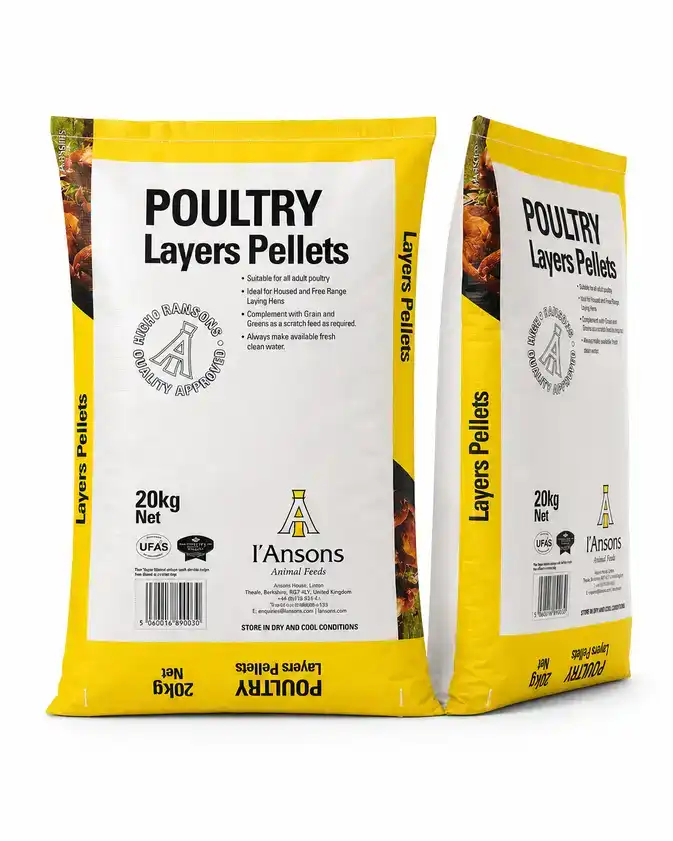
In the packaging industry, Laminated Kraft Paper Bags have become a popular solution for products that require durability, moisture resistance, and aesthetic appeal. The use of aluminum foil as a lining in kraft paper aluminum foil bags further enhances these characteristics, making them suitable for a wide range of applications, from food packaging to industrial materials. But what exactly sets these bags apart from traditional kraft paper woven bags? How does the inclusion of aluminum foil impact the bag’s performance, and what are the advantages of using such materials?
Kraft Paper Laminated Woven Bags
High-performance laminated kraft paper bags with composite barrier materials for premium packaging protection.
Check More →Kraft Paper Woven Bags
Professional production of composite kraft paper bags with multi-layer lamination and functional inner liners.
Check More →BOPP Laminated PP Woven Bags
Advanced laminated composite packaging bags adopting similar multi-layer composite production technology.
Check More →Multiwall Paper Bags Structure
In-depth analysis of multi-layer paper bag materials, lamination processes and functional liner applications.
Check More →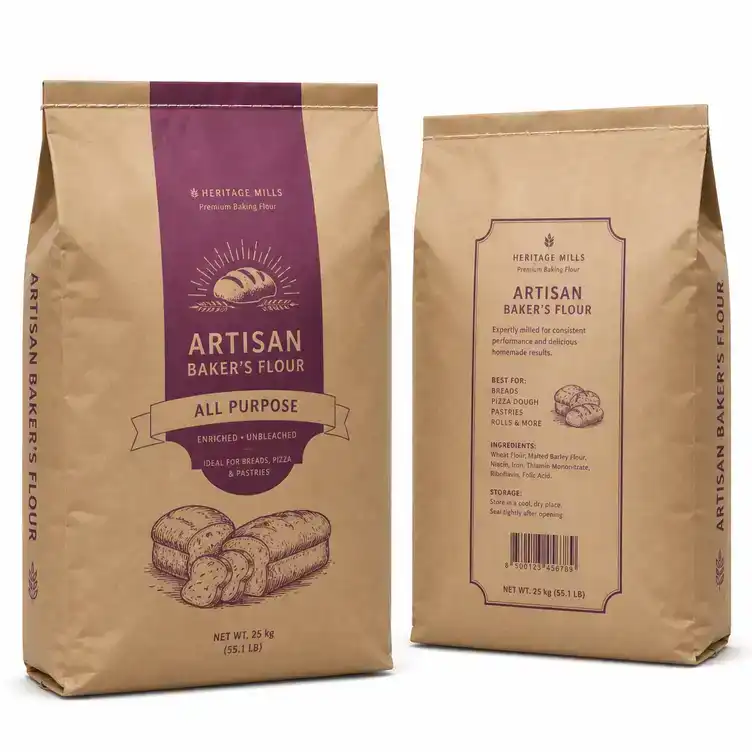
Product Parameters for Laminated Kraft Paper Bags
| Parameter | Details |
|---|---|
| Material | Kraft paper, woven polypropylene, aluminum foil |
| Lamination | Kraft paper laminated with woven PP and aluminum foil |
| Load Capacity | 10 kg to 50 kg |
| Barrier Properties | Moisture, oxygen, and UV resistant |
| Printing | Up to 8 colors (durable and fade-resistant) |
| Reusability | Yes |
| Environmental Impact | Produced using solar energy, recyclable materials |