Lightweight Woven Bags: Balancing Innovation with Regulatory Compliance and Sustainable Practices

What are Lightweight Woven Bags?

Lightweight Woven Bags are engineered sacks made from woven polypropylene (PP) fabric that protect bulk goods while minimizing tare weight. Filled through an open top and secured with a sewn or heat‑sealed bottom, they are traded under names such as light‑gauge PP woven sacks, lightweight BOPP‑laminated woven bags, or thin‑gauge woven polypropylene bags. Different labels, one intent: carry more product and less packaging; look premium without costing a premium; comply with regulations while keeping operations smooth. Packaging, after all, is not merely a shell but a system. When buyers ask for lighter freight, stricter compliance, and stronger shelf presence—seemingly contradictory requests—Lightweight Woven Bags reconcile the trio in a single platform. Curious about category context and adjacent formats? Start with this overview of Lightweight Woven Bags.

From a materials science vantage point, oriented PP tapes interlock into a fabric with an exceptional strength‑to‑mass ratio; from a brand perspective, the broad printable face—especially when laminated with BOPP—transforms pallets into moving billboards; from a regulatory angle, mono‑material PP constructions simplify conformity checks and end‑of‑life pathways. One substrate, many levers. The horizontal story connects polymer chemistry, printing craft, and logistics planning; the vertical story flows from resin selection to pallet behavior, with each tier constraining—and enabling—the next.

What are the Features of Lightweight Woven Bags?

Efficiency headlines the specification sheet, yet the sidebars matter: compliance, consistency, customization.

Strength without bulk. Tuned mesh densities (e.g., 10×10 to 14×14) and appropriate tape denier deliver tear and burst resistance suitable for 5–25 kg fills, with reinforced builds routinely used for heavier payloads. Less resin in the bill of materials means less transport emissions per shipped unit—as long as drop‑test performance and seam integrity are preserved. The trick is not merely to thin; it is to thin wisely.

Moisture and abrasion management. Optional PP coating or BOPP film shields the print surface and moderates moisture vapor transmission; micro‑perforation preserves breathability for grains and seeds. Graphic fidelity stays high; powders remain protected. What looks like “gloss” to a shopper doubles as a functional barrier to an engineer.

High‑impact print, precise registration. Rotogravure or tight‑tolerance flexographic systems enable photo‑quality imagery with matte or gloss finishes, color‑matched to brand standards. Inks must stay put under rub, gradients should not band, barcodes need to scan the first time—printing is not decoration; it is data, persuasion, and compliance real estate.

Operator‑friendly closures and handling. Heat‑cut or hemmed tops, single‑ or double‑fold stitched bottoms, and EZ‑open tear tapes improve ergonomics on manual and semi‑automatic lines. Seconds saved per sack aggregate to hours per shift. Anti‑slip finishes reduce pallet creep; UV‑stabilized fabrics resist sunlight in open yards. Small, intentional details—large, repeatable gains.

Built‑in regulatory alignment. Mono‑material PP designs are structured to meet common food‑contact frameworks for the base polymer and to support documentation workflows such as Declarations of Compliance. Ink, adhesive, and additive systems are screened against restricted‑substance lists before they reach production; compliance is treated as architecture, not aftermarket tuning.

Sustainability by design rather than by slogan. Downgauged fabrics, mono‑material laminations (BOPP on PP), and optional recycled content for non‑food SKUs support circularity goals. Reusability in closed B2B loops further reduces life‑cycle impact. Is it greener by accident? Hardly. It is greener by engineering choices made upstream: denier selection, weave density, lamination thickness, and conversion recipes.

Process stability at scale. Uniform weaving density, controlled coat‑weights, and tight print registration are maintained on high‑precision lines. Variability down; predictability up. The outcome is not just fewer defects but more reliable fill weights, more stable stacks, and smoother audits.

Viewed horizontally, these features knit together materials science, print technology, and supply‑chain design; viewed vertically, they cascade from resin grade → tape orientation → weave architecture → surface engineering → conversion details → pallet dynamics. Nudge the denier and you change seam pull strength; tweak lamination thickness and you alter scuff resistance; adjust mesh and you rebalance breathability against graphic smoothness. Cause and effect, tracked shipment by shipment.

What is the Production Process of Lightweight Woven Bags?

Compliance gates at the door. Food‑grade SKUs specify virgin PP with proper food‑contact documentation; non‑food variants may responsibly incorporate recycled PP when performance and regulations align. Pigments, masterbatches, and additives pass through restricted‑substance filters before they ever see a hopper. Quality begins before extrusion.

Extrusion and tape stretching. PP resin is melted, cast into films, slit into tapes, and drawn to orient polymer chains. Orientation raises tensile strength and modulus without proportional weight gain. This microstructural alignment is why Lightweight Woven Bags can cut mass while preserving performance. Less weight, not less rigor.

Weaving. Circular looms interlace warp and weft to a target mesh—often 10×10 to 14×14 for light‑gauge builds. A denser weave smooths the print face and improves barrier behavior; a looser weave adds pliability and ventilation. Each adjustment represents a deliberate trade‑off in a multi‑variable equation.

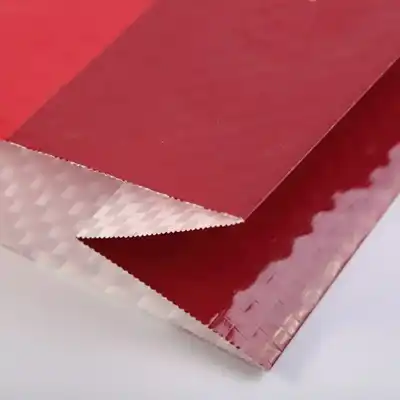
Coating or BOPP lamination. A PP coating (measured in g/m²) or a BOPP film (measured in microns) adds moisture defense and a printable skin. Choose gloss for color pop, matte for low‑glare readability; add a white‑ink backer to protect halftones over dark fills. Physics meets persuasion at this layer: barrier properties, abrasion resistance, and visual tone are tuned together.

Printing. Rotogravure and high‑line‑count flexo apply up to 8–10 colors with tight registration. Barcodes must be crisp; hazard icons must remain legible after miles of rub; legal text cannot drift. Press crews manage viscosity and dryer temperatures; QA teams run densitometry and rub tests. What sounds like a press line is, in truth, a carefully choreographed control loop.

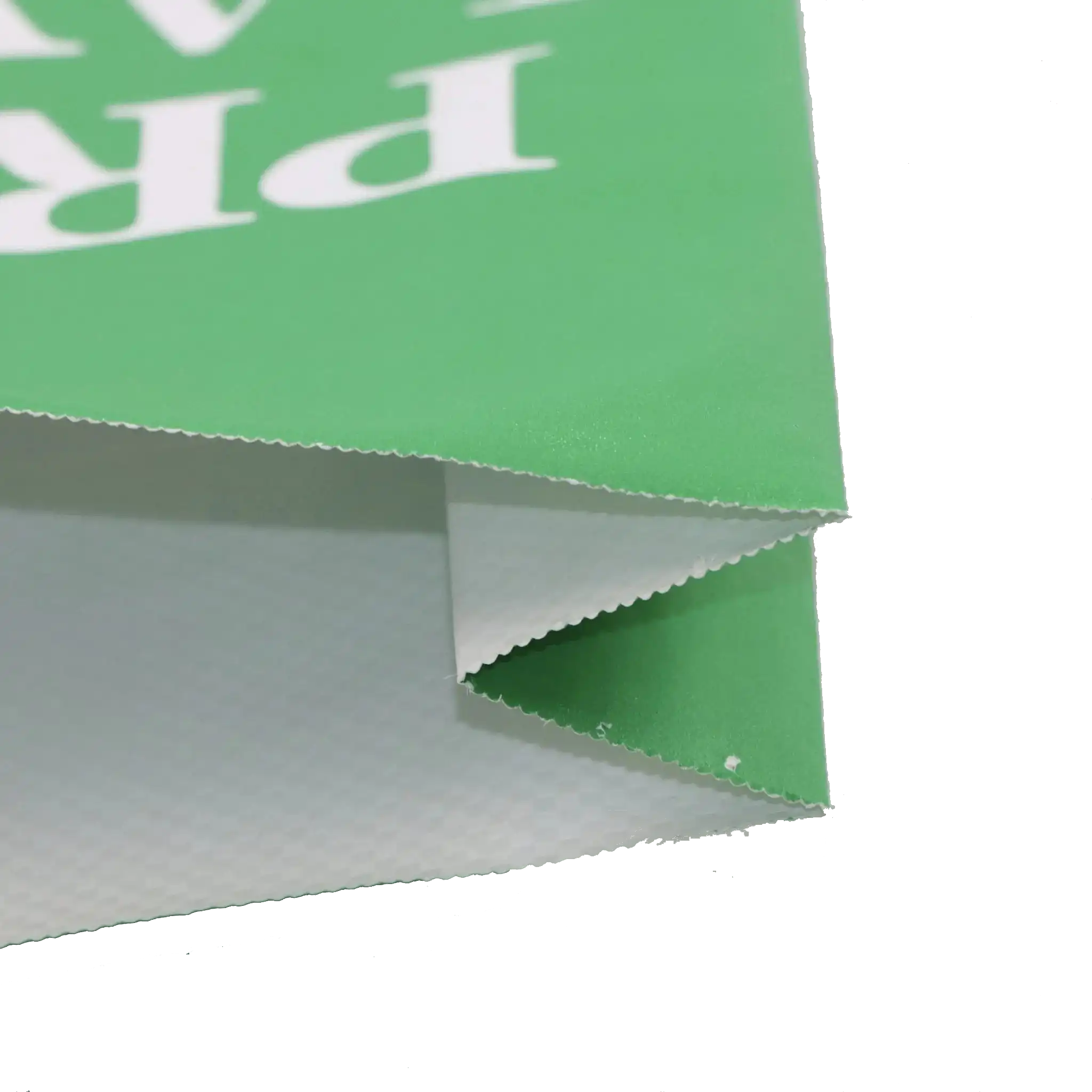
Conversion. Tubes are cut to length; tops heat‑cut or hemmed; bottoms single‑ or double‑fold stitched; optional EZ‑open tapes installed. Anti‑slip finishes may be applied ahead of palletization to stabilize stacks during transit. Seam recipes are matched to the fill density and the drop‑test requirements of the application.

Quality and logistics control. Dimensional audits, seam pull tests, and drop tests validate the structure; pallet patterns are optimized to prevent stack creep and fork‑shock damage. Labels, lot codes, and traceability data close the loop between production and downstream audits. Reliability is manufactured, not wished into being.

Across this vertical flow, the operations model behaves like a push–pull hybrid: extrusion and weaving prefer steady cadence, printing and conversion flex to artwork changes and order rhythms. Smart schedulers buffer semi‑finished rolls, align color changeovers, and integrate rush SKUs without starving upstream machines. In fast‑moving export corridors, orchestration matters as much as resin grade.

What is the Application of Lightweight Woven Bags?

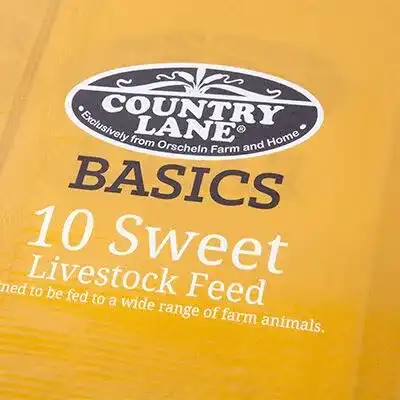
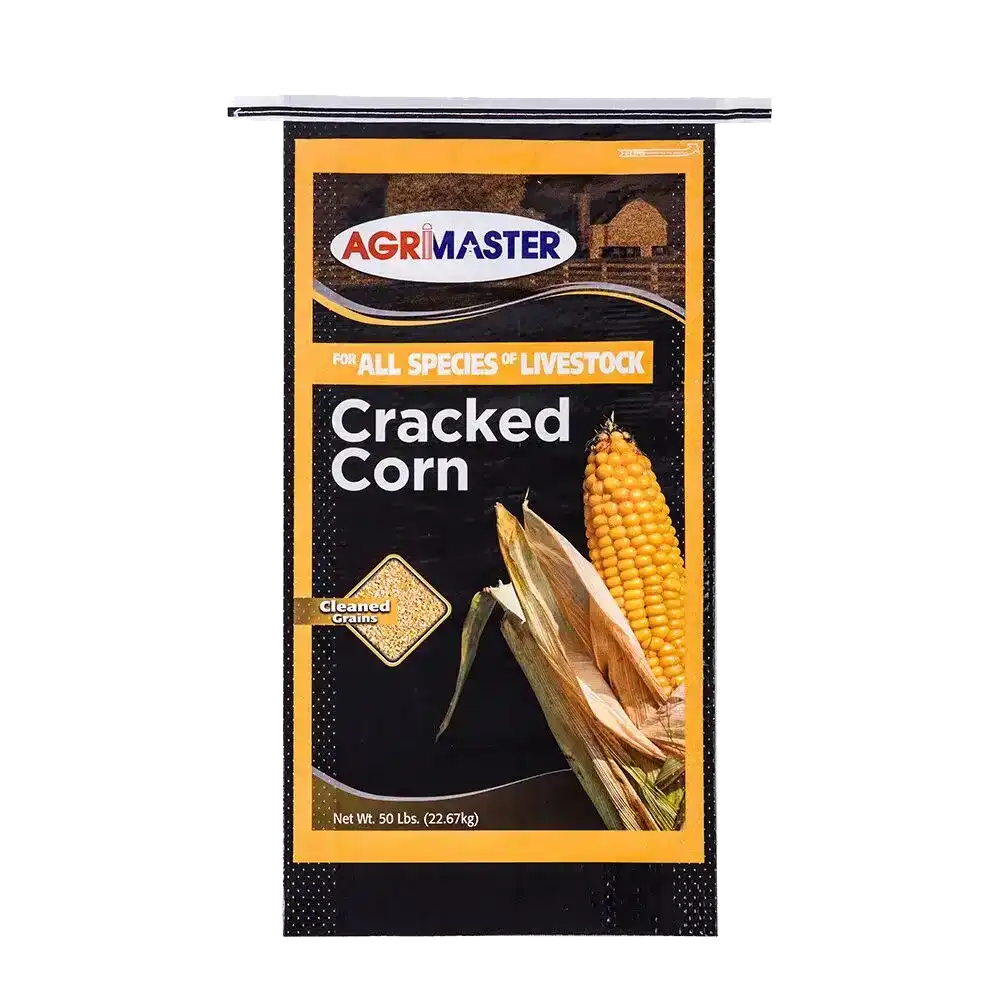
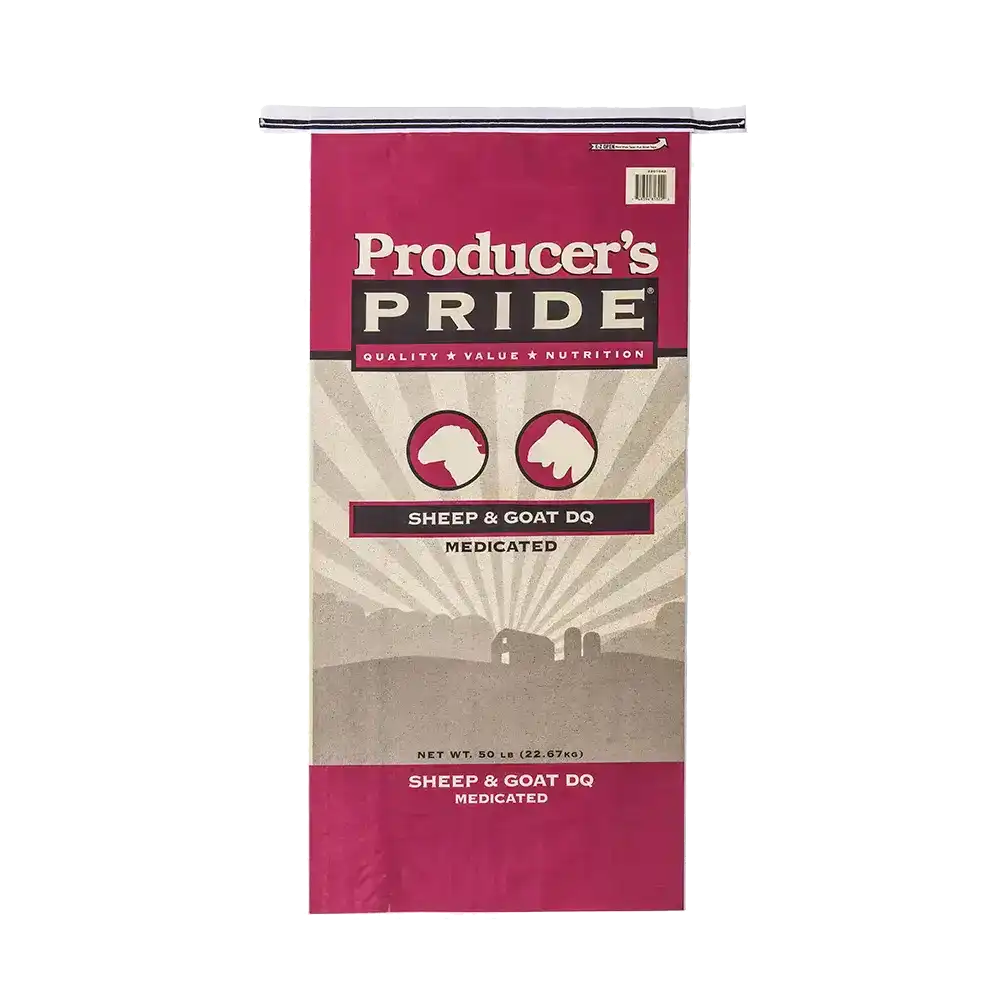
Food and agriculture. Rice, flour, sugar, grains, seeds, and animal feed benefit from weight‑efficient packaging with options for food‑contact liners and micro‑perforation. During humid seasons, lamination protects both product and print; during peak throughput, hemmed tops reduce fray and dust. Shelf‑ready appearance and sanitary handling are not luxuries here—they are table stakes.

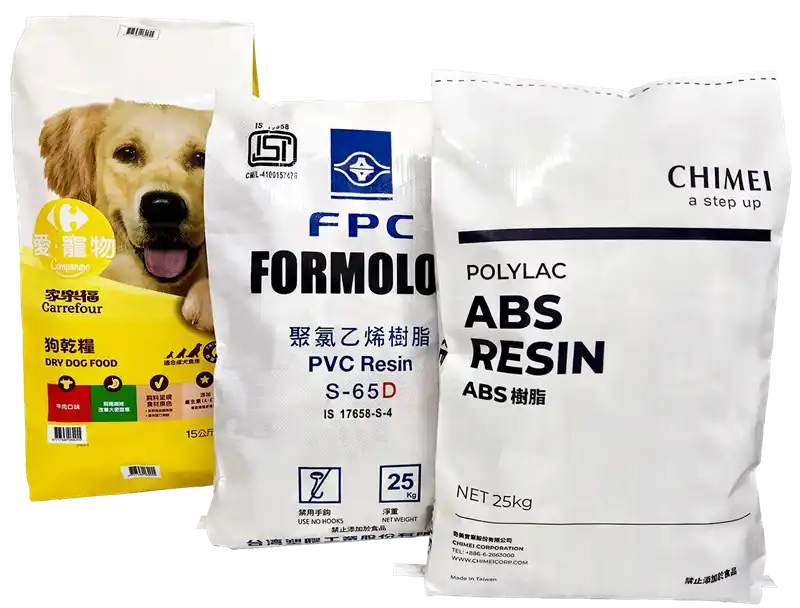
Chemicals and minerals. Fertilizers, polymer resins, pigments, and salts demand dust control, clear labeling, and stable pallets. Lightweight Woven Bags pair scuff‑resistant faces with anti‑slip textures so hazard pictograms stay legible after long hauls and stacks stay true under forklift braking.

Construction materials. Cement, sand, and aggregates punish packaging with abrasion and sunlight. UV‑stabilized fabric extends yard life; reinforced seams survive rough handling. The cost of a bag failure is never just the bag—it is cleanup, claims, and downtime. The cheapest option is the one that does not fail.

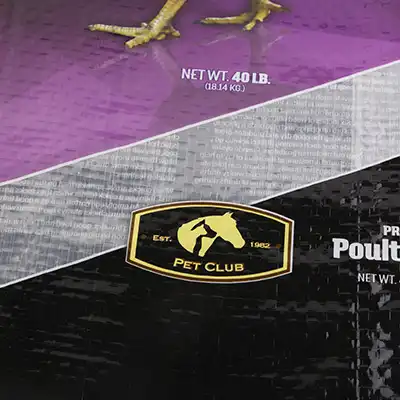
Retail and private label. Pet food, lawn and garden, and home‑improvement categories call for photo‑quality graphics and easy‑open convenience. Lightweight Woven Bags offer premium shelf presence while maintaining favorable freight economics. When packaging looks premium and arrives intact, return rates shrink, reviews improve, and reorders climb—the quiet mathematics of growth.

Cross‑sector, the bag must lift, protect, and communicate. Within each plant, it must integrate—from procurement specs and artwork approvals to changeover routines and warehouse stacking plans. A sack may seem simple until you map it against the network of decisions it touches; then it reads like a compact operations strategy.


Key Technical Parameters (Typical Ranges for Lightweight Builds)

ParameterTypical Range / Options
ProductLightweight Woven Bags (PP woven fabric; optional BOPP/PP coating)
Capacity windowCommonly 5–25 kg; reinforced light‑gauge builds can reach ~40–50 kg when specified
Fabric basis weight~50–150 g/m² for lightweight categories (application‑dependent)
Mesh density10×10 to 14×14 (warp × weft) typical for light‑gauge designs
Tape denierApplication‑driven; common choices start around 600 D and above for light‑duty loads
Tube dimensionsWidth 300–700 mm; Length 450–1100 mm; optional gusset 50–200 mm
Lamination / coatingBOPP film ~18–30 µm (single or double side) or PP coating ~14–30 g/m²
PrintingUp to 8–10 colors (rotogravure/flexo); matte or gloss finishes; easy‑open tear‑tape cues
Top / bottomHeat‑cut or hemmed open tops; single‑ or double‑fold sewn bottoms
LinerOptional PE liner (loose or tubular) for powders or moisture barrier
Add‑onsAnti‑slip, micro‑perforation, UV‑stabilizer, anti‑static masterbatch as needed
Compliance touchpointsPP resin listings for food contact, EU plastic FCM rules for laminated builds, restricted‑substance screening (inks/adhesives/additives)

Why VidePak: Founded in 2008, VidePak pairs a leadership team with 30+ years of field experience and a 568‑person workforce to deliver precision at scale. High‑end lines from Germany’s W&H and Austria’s Starlinger support uniform weaving density, steady coat‑weights, and tight registration. With all‑new raw materials, full customization, multi‑color printing, and robust capacity (>100 circular looms, 16 extrusion lines, and >30 lamination/printing machines), we supply Lightweight Woven Bags across the US, Europe, Brazil, South America, Southeast Asia, Japan, Korea, Central Asia, the MENA region, East Africa, and South Africa—supporting brand growth with reliable quality and on‑time logistics.

Lightweight woven bags represent the perfect synergy between cutting-edge innovation, regulatory compliance, and sustainability. These versatile packaging solutions address diverse industrial needs while advancing towards eco-friendly and cost-efficient practices.


The Evolution of Lightweight Woven Bags

Technological Advancements Driving Innovation

The lightweight woven bag industry has undergone remarkable transformations, largely driven by advancements in materials and production technologies.

  1. Material Innovations:
    • Polypropylene (PP): Known for its lightweight and high tensile strength, PP is the cornerstone of woven bag production.
    • High-Density Polyethylene (HDPE): HDPE’s flexibility and resistance to environmental stress make it a preferred choice for specific applications.
    • Recycled Polymers: To meet growing sustainability demands, manufacturers increasingly use recycled materials without compromising bag performance.
  2. Manufacturing Techniques:
    • Precision Weaving: Automated circular looms ensure consistent fabric quality and reduced material waste.
    • Advanced Lamination: Multi-layer coatings provide added moisture and UV resistance, essential for outdoor storage.
    • Seamless Integration of Ultrasonic Sealing: Eliminates stitching imperfections, enhancing strength and durability.

Current Market Trends and Global Characteristics

Automation and Smart Manufacturing

Automation has streamlined lightweight woven bag production, reducing operational costs and ensuring consistent quality. For instance, AI-driven quality control systems detect imperfections early in the manufacturing process, improving overall efficiency.

Sustainability Initiatives

The focus on environmental responsibility has led to the widespread adoption of recyclable and biodegradable materials in woven bags. Features like single-material construction simplify the recycling process, aligning with the global push for circular economies.

Global Market Dynamics

RegionMarket DemandsTechnical Focus
North AmericaHigh standards for branding and regulatory compliance.Advanced printing technology for market differentiation.
EuropeEmphasis on sustainability and minimal carbon footprint.Use of recycled polymers and energy-efficient manufacturing.
Asia-PacificCost-effectiveness and scalability for agricultural uses.Efficient production processes and durable coatings.
Middle East & AfricaResistance to extreme temperatures and bulk industrial needs.UV-resistant materials and moisture-proof designs.

Key Features and Advantages

FeatureDescriptionAdvantages
Material CompositionWoven PP or HDPE, often laminated for added protection.Lightweight, durable, and customizable.
Load CapacityDesigned to hold weights up to 50 kg or more.Suitable for both industrial and retail applications.
Eco-Friendly OptionsBags made from recycled or single-material polymers.Reduces environmental impact while maintaining quality.
CustomizationOptions include size, color, lamination, and branding.Tailored solutions for diverse market needs.

For specialized uses, such as moisture-sensitive applications, woven bags with PE liners offer an excellent solution by combining durability with added protection.


Cost Management and Future Innovations

Controlling Production Costs

  • Material Optimization: Advances in weaving technology reduce the amount of raw material required without sacrificing strength.
  • Localized Sourcing: Procuring raw materials locally minimizes transportation costs and delays.
  • Scalable Automation: Automated systems lower labor costs while increasing production throughput.

Anticipating Future Trends

  1. Smart Packaging: Incorporating RFID technology for inventory management and tracking.
  2. Biodegradable Alternatives: Enhanced focus on environmentally sustainable materials.
  3. 3D Printing in Customization: Using additive manufacturing for tailored bag designs and components.

FAQs About Lightweight Woven Bags

Q1: Are lightweight woven bags compliant with environmental regulations?
Yes, many lightweight woven bags are made from recyclable materials, aligning with global sustainability standards.

Q2: What industries benefit most from these bags?
They are widely used in agriculture, retail, construction, and logistics due to their versatility and durability.

Q3: Can these bags be customized?
Absolutely. Customizations include size, color, branding, and additional features like UV protection or lamination.

Q4: How do manufacturers ensure quality?
Quality control measures such as tensile strength testing, UV resistance evaluation, and thickness tolerance checks ensure high performance and reliability.

Q5: What certifications are available for these bags?
Lightweight woven bags often meet ISO standards for safety and performance, as well as specific certifications for food-grade or hazardous material packaging.


Regulatory Compliance and Quality Assurance

Manufacturers adhere to rigorous quality testing processes to ensure the reliability of lightweight woven bags. Common assessments include:

  • Tensile Strength Testing: Verifies the bag’s ability to withstand heavy loads.
  • UV Resistance Evaluation: Ensures durability in outdoor environments.
  • Thickness Tolerance: Guarantees consistent material distribution to minimize waste.
  • Food-Grade Certification: Required for packaging agricultural products and consumables.

Additionally, premium options like kraft paper bags laminated with woven fabric offer a sustainable yet durable alternative for eco-conscious industries.


Conclusion: The Role of Lightweight Woven Bags in a Sustainable Future

Lightweight woven bags have redefined packaging solutions across industries, offering unparalleled versatility, cost-efficiency, and sustainability. With continued advancements in automation and material science, these bags are poised to lead the market in aligning innovation with regulatory and environmental standards. Manufacturers like VidePak remain at the forefront, providing tailored solutions that cater to diverse global needs.

Leave a Comment

Your email address will not be published. Required fields are marked *

Scroll to Top