
- What Are PP Woven Bags?
- Flat vs. Gusseted Edge Constructions — Why Geometry Governs Logistics
- Breathable Engineering — Let the Product Breathe Without Leaking Value
- Barrier Architecture — Keeping Moisture Out and Aroma In
- Static Control — When a Sack Becomes an Ignition Source
- Antimicrobial Surfaces — Hygiene on the Outside, Compliance on the Inside
- Materials & Mechanics — Mesh, Denier, GSM, and Why They Matter
- Testing & Validation — Keep the Specs Honest
- Specification Table — Typical, Tunable Ranges for PP Woven Bags
- Fold Choice Meets Function — A Side‑by‑Side Matrix
- Design Scenarios — From Problem Framing to Field Performance
- Cost, Sustainability, and Trade‑Offs — The Real‑World Constraints
- Procurement & QA Checklist — Questions That Save You Money
- Determining Which Specifications Fit Your PP Woven Bags
- Why Do Our Pallets Keep “Failing” With PP Woven Bags?
- How Critical Are Liners and Coatings in PP Woven Bags?
- Do Flat and Gusseted PP Woven Bags Require Dedicated Filling Lines?
- How Can We Extend the Working Life of PP Woven Bags Through the Supply Chain?
- Understanding the Production Process of PP Woven Bags
- Advantages of PP Woven Bags for Hygroscopic or Odor‑Rich Goods
- Applications of PP Woven Bags Across Industries
- Exploring Different Grades and Constructions of PP Woven Bags
- Benefits of Block‑Bottom Valve PP Woven Bags
- Properties of Laminated PP Woven Bags That Matter in the Field
- Addressing Moisture‑Driven Caking in PP Woven Bags
- Method–Result–Discussion: Building a Whole‑System Specification for PP Woven Bags
What Are PP Woven Bags?
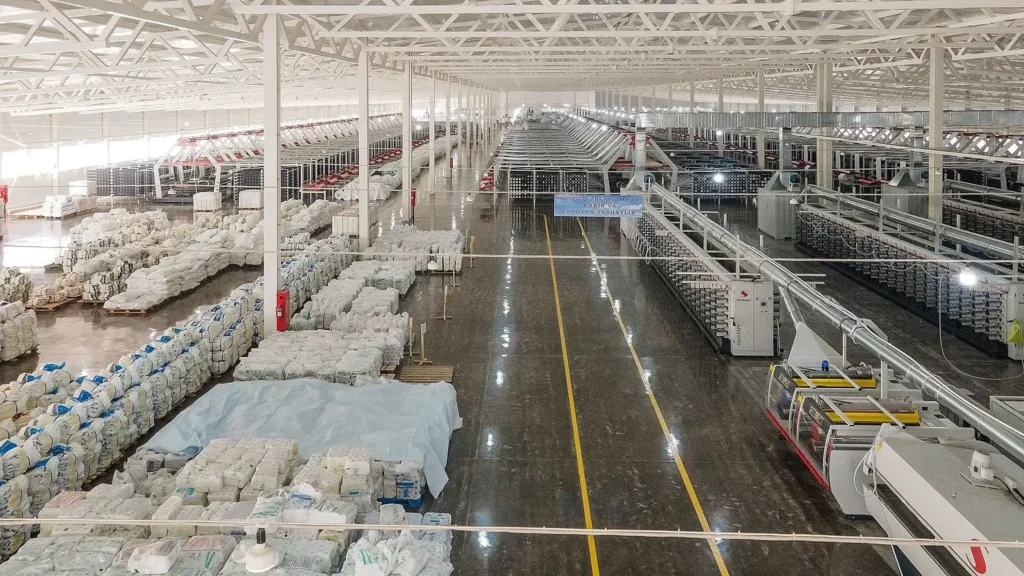
PP Woven Bags are industrial sacks made from woven polypropylene tapes—warp and weft slit‑film strands that interlace to form a durable fabric, which is then cut, formed, printed, and closed into a finished bag. In procurement, you’ll also encounter aliases such as PP woven sacks, woven polypropylene bags, raffia bags, poly‑woven sacks, BOPP‑laminated woven bags, and block‑bottom valve bags. If you need a quick canonical pointer for team alignment, see this anchor for PP Woven Bags.
What are the features of PP Woven Bags? High tensile strength at low basis weight; impressive tear and puncture resistance; tunable breathability or barrier through coatings, laminations, and liners; chemical and moisture tolerance; print‑ready faces (especially with BOPP); varied closures (heat‑cut, hemmed, sewn, valve) and formats (flat vs. gusseted, pillow vs. block‑bottom). In short: strong, light, configurable.
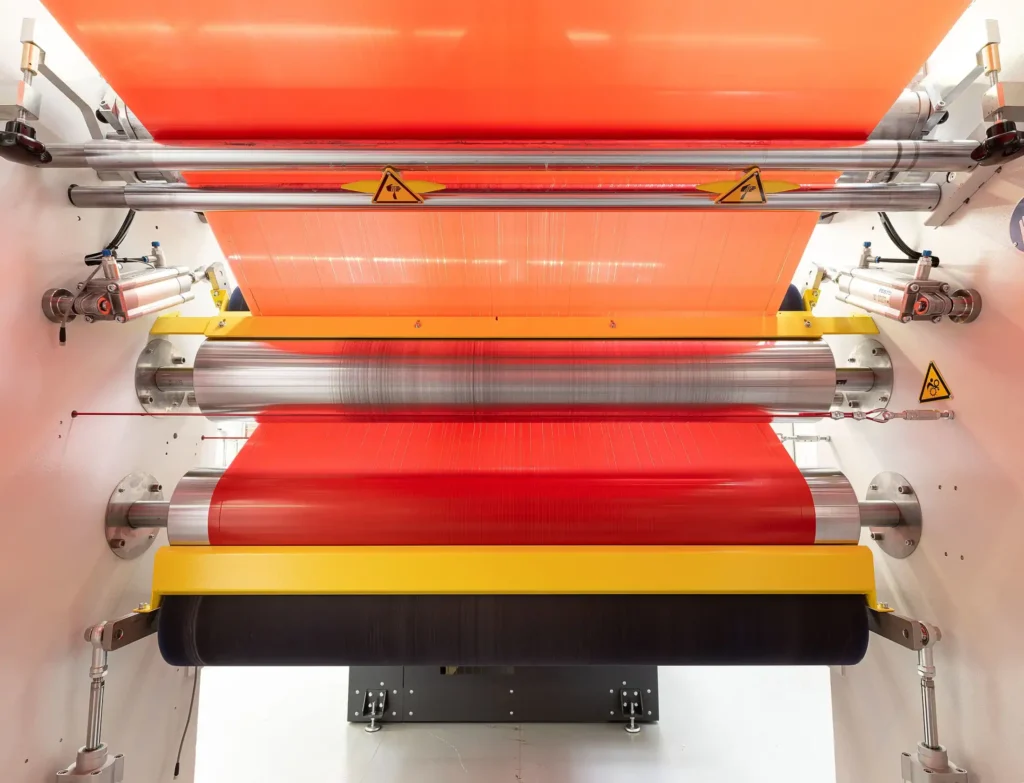
How are they produced (the process in brief)? Resin → filament → fabric → package. Virgin PP pellets are extruded into film, slit into tapes, oriented for strength, then woven on circular or flat looms (typical meshes 8×8 to 13×13 tapes/inch; denier from ~500D to ~2200D). Optional PP/PE coatings or BOPP laminates tune moisture/oxygen transmission and provide a print surface. Converting steps—cutting, folding (flat or gusset), sewing/heat‑sealing, valve formation—finalize the bag.
What are they used for? Grains and cereals, rice, flour and sugar, seeds and animal feed, fertilizers, cement and dry mortar, resins and polymer pellets, salts and minerals, charcoal, cat litter and pet food, and—when combined with ESD control—outer packaging for electronic subassemblies. In food and medical supply chains, PP Woven Bags often serve as rugged outers around food‑contact compliant inner liners.
Flat vs. Gusseted Edge Constructions — Why Geometry Governs Logistics
When teams debate PP Woven Bags, geometry is not a cosmetic preference; it dictates cube utilization, line behavior, and downstream stability. A Flat Type has no side pleats and tends to bulge into an oval cross‑section under load. A Gusseted Type includes inward folds that open during filling, steering the load into a more rectangular prism. One asks: do we need low unit cost above all? Or do we value stack stability and a billboard‑like panel for graphics? The answer decides the fold.
Problem → Solution → Result
- Problem: Pallet overhangs, leaning stacks, scuffed graphics.
- Solution: Shift from flat to gusseted; set a gusset depth matched to product angle of repose; consider a block‑bottom if your SKU is dense and retail‑facing.
- Result: Squarer cross‑sections, tighter brick‑like stacks, fewer topple events, cleaner faces for branding.
Data cues & operating windows
- Gusset depth commonly ranges 40–70 mm for 25–50 kg PP Woven Bags in grocery staples; dense powders benefit from deeper gussets and, often, block‑bottom valves.
- Overfilling flat bags inflates height more than width, degrading cube efficiency; the same fill mass in a well‑set gusset maintains planarity and reduces corner bulges.
Quick comparison table
| Attribute | Flat Type | Gusseted Type |
|---|---|---|
| Converting cost | Lower; fewer fold steps | Higher; gusset folding & QC symmetry |
| Cross‑section under fill | Oval/pillow | Rectangular/quasi‑rectangular |
| Pallet cube | Moderate | High; improved stack stability |
| Branding area | Front/back only | Front/back + two side panels |
| Line behavior | Excellent on basic lines | Excellent with simple guides |
| Typical SKUs | Free‑flowing grains/pellets | Dense powders; retail graphics |
Rhetorically: Do you want a bag that looks cheap but ships well enough, or a bag that stacks like a brick and sells like a billboard? Often, the gusset pays for itself in reduced damage and better shelf presence.
Breathable Engineering — Let the Product Breathe Without Leaking Value
PP Woven Bags for grains, seeds, or harvested vegetables must manage residual heat and moisture. Airflow is a friend until fines start leaking or aroma decays. This is a balancing act.
Set the question: How do we create airflow paths that relieve heat and humidity, but keep product inside and quality steady?
Levers
- Weave and denier: Coarser mesh (e.g., 10×10) and lower coating weight raise air permeability. Higher denier increases strength but can slightly reduce porosity at constant mesh.
- Micro‑perforation: Laser or needle pin‑pricks (0.3–0.8 mm) laid out above the expected powder line allow vapor escape while limiting dusting.
- Vent architecture: Longitudinal vent strips or “breather” bands near the valve area help purge air during high‑speed filling.
Operating guidance
- For milled rice, a breathable PP Woven Bag with a light coating and a controlled micro‑perf pattern often outperforms an unperforated heavy‑coated sack; pack after cooling, not “hot” off the dryer.
- For onions or potatoes, large side vents in woven constructions keep core temperatures down on long hauls; a gusseted geometry preserves inter‑bag channels along pallet edges.
What can go wrong? Too many or too large perforations invite dusting complaints; too few create condensation “sweat” under tropical RH cycles. The design space is narrow; trials matter.
Mini‑case: A feed mill experiencing caking during monsoon season introduced a 0.5 mm laser‑perf ring around the upper third of a gusseted sack, combined with a slight reduction in coating grammage. Result: fewer clumping returns, unchanged loss-on-sieve.
Barrier Architecture — Keeping Moisture Out and Aroma In
Not every product wants to breathe. Fertilizers, mineral salts, pet food, and premium coffee benefit from moisture and oxygen control. PP Woven Bags are a substrate; your barrier comes from coatings, laminates, and liners.
Design choices
- Coatings: PP or PE coatings (~18–30 g/m²) drop WVTR significantly while preserving weldability and abrasion resistance.
- BOPP laminates: 11–25 µm oriented polypropylene brings a printable, scuff‑resistant face and sharply reduces OTR/WVTR; metallized OPP pushes barrier further when aroma or rancidity is a concern.
- Inner liners: LDPE/LLDPE tubulars or shaped liners create near‑hermetic protection; choose gauge by MVTR target and drop performance.
Trade‑offs
- Each barrier layer stiffens the face. You gain shelf appeal and moisture control, but the sack becomes less drapable on certain fillers. Compensation: tweak dwell time and jaw temperature on sealers; add de‑aeration pinholes near the valve.
Scenario thought experiment: If the warehouse is open‑sided and diurnal RH swings are savage, a coated flat sack may still cake. A gusseted, laminated sack with a thin liner—and a few smart de‑air pins—often wins on both handling and quality.
Question you should ask: Where is the water coming from—ambient, product, or both? Your barrier stack must answer that, not guess.
Static Control — When a Sack Becomes an Ignition Source
Powder conveyance charges surfaces. A brush discharge near a dusty fill station can be more than a nuisance. For electronics shipments, ESD can be destructive. PP Woven Bags can be engineered to be part of the solution rather than part of the hazard.
Control elements
- Dissipative compounds: Antistatic masterbatches adjust surface resistance into the 10⁴–10¹¹ Ω band. Validate with surface resistance measurements across panels and seams.
- Grounding: The best dissipative sack fails if the filler spout isn’t grounded. Stitch paths and label tabs should not isolate conductive routes.
- System view: For electronic kits, use the woven sack as a rugged outer. Inside, specify static‑shielding or moisture‑barrier bags. One package, many layers, one ESD policy.
Common pitfall: A beautiful gusseted sack with a non‑conductive patch label can act like a charge island. Ensure addenda (handles, labels, tapes) are either dissipative or placed where charge won’t accumulate.
Antimicrobial Surfaces — Hygiene on the Outside, Compliance on the Inside
PP Woven Bags do not feed bacteria, but dirt and condensation do. Antimicrobial laminates or coatings validated under ISO 22196 can reduce surface bioburden. This is about outer hygiene, not inner sterility—food contact remains the liner’s responsibility.
When it helps Warehouses with shared conveyors, pharma‑adjacent distribution, or audit‑heavy customers. A modest premium buys fewer corrective actions and cleaner handling metrics.
What to verify Log‑reduction data for E. coli and S. aureus over 24 hours; abrasion resistance of the topcoat after multiple pallet cycles; compatibility with printing inks and over‑varnishes.
A cautionary note: Antimicrobial is not a license to skip SOPs. It’s a belt, not the suspenders.
Materials & Mechanics — Mesh, Denier, GSM, and Why They Matter
The language of PP Woven Bags is numeric: mesh counts, denier ratings, GSM, seam factors. These numbers are not decoration; they are the levers of performance.
- Mesh density (tapes/inch): 8×8 breathes and drapes; 13×13 tightens the weave for stronger barrier and print laydown. Adjust with coating weight to land your airflow.
- Tape denier: 500D is light and flexible; 1200D–2200D carries heavier loads and resists puncture at the cost of hand‑feel.
- Fabric weight (GSM): 60–200 g/m² spans light grain sacks to tough mineral bags. Heavier GSM helps seam efficiency and drop resistance.
- Seam engineering: ISO 13935‑2 seam strength targets should exceed tensile by a safety factor; double chain‑stitching distributes load and tolerates minor misalignment.
Why mechanics drive graphics A tighter weave and a BOPP laminate create a smooth, ink‑friendly face. Photography pops; brand colors stay true. That billboard effect: it starts in the loom.
Testing & Validation — Keep the Specs Honest
What you don’t test will hurt you. For PP Woven Bags, align QA with hazards:
- Mechanical: Tensile (ASTM D5034) and seam (ISO 13935‑2); drop tests that mimic your route; stack testing for warehouse cycles.
- Barrier: WVTR (ASTM F1249) and OTR (ASTM D3985) under your climate profile; report conditions alongside values.
- Breathability: ISO 9237 air permeability; warehouse “sweat” trials across RH swings.
- ESD: Classify packaging per ANSI/ESD S541; verify resistance using STM11.11/11.12.
- Antimicrobial: ISO 22196 results and topcoat durability.
Rule of thumb: State a number, state the method, state the condition. Anything less invites ambiguity.
Specification Table — Typical, Tunable Ranges for PP Woven Bags
| Parameter | Typical Range | Purpose/Notes |
|---|---|---|
| Bag capacity | 10–50 kg (open‑mouth/valve) | FIBC 500–2000 kg referenced for context |
| Fabric weight (GSM) | 60–200 g/m² | Heavier for dense powders; lighter for grains |
| Mesh density | 8×8 to 13×13 tapes/inch | Coarser mesh → breathable; tighter → better print/barrier |
| Tape denier | ~500D to 2200D | Denier ↑ → tensile/tear ↑ |
| Width | 22–100 cm | 35–60 cm common for 25–50 kg |
| Length | Per bulk density | 65–110 cm typical |
| Coating weight | ~18–30 g/m² | PP/PE; tunes WVTR & abrasion |
| Lamination | 11–25 µm BOPP/OPP (clear/matte/met.) | Print quality + barrier |
| Fold style | Flat or Gusseted | Gusset depth per angle of repose |
| Bottom style | Pillow/flat or block‑bottom | Valve filling favors block‑bottom |
| Closures | Heat‑cut, hemmed, sewn, valve | Line compatibility & dust control |
| Liner options | LDPE/LLDPE tubular or shaped | Near‑hermetic moisture control |
| Antistatic band | 10⁴–10¹¹ Ω surface resistance | Static‑dissipative range |
| Antimicrobial | ISO 22196 R≥2 baseline | Outer hygiene layer |
Fold Choice Meets Function — A Side‑by‑Side Matrix
| Use Case | Preferred Fold | Rationale | Extra Notes |
|---|---|---|---|
| Free‑flowing grains (25 kg) | Gusseted | Squarer stack; breathable weave with light coating | Optional micro‑perfs above powder line |
| Fertilizer (50 kg) | Gusseted block‑bottom valve | Fast fill; de‑aeration; cube | Add dissipative compound; micro‑vents near valve |
| Pet food (15–25 kg) | Gusseted | Billboard panels for BOPP graphics | Liner for fat/aroma; matte or gloss face |
| Minerals & salts | Gusseted | Stability under density; barrier needed | Higher GSM, tight weave, liner |
| Electronics outer pack | Flat or Gusseted | Geometry secondary to ESD control | Pair with shielded inner bags |
Design Scenarios — From Problem Framing to Field Performance
Scenario 1: Rice exporter, tropical humidity, containerized shipping
Question: Why do our stacks “sweat” after weekend stops?
Answer: Hot product + low‑permeability face + wrapped pallets = condensation.
Remedy: Gusseted PP Woven Bags at ~85–95 GSM, 10×10 mesh, light coating, targeted laser‑perfs above the product line; ensure cooling before filling.
Outcome: Drier stacks, fewer mold complaints, unaltered sieve loss.
Scenario 2: Bagged fertilizer, high‑speed air packers, dust alarms
Question: Can we raise line speed without caking or nuisance trips?
Answer: Adopt a gusseted block‑bottom valve format; add de‑air pins, inner liner, and antistatic additive with grounded fillers.
Outcome: Faster fill, lower dust, safer line.
Scenario 3: Premium pet food, retail rebrand
Question: Our colors mute and scuff in transit—why?
Answer: Unlaminated faces absorb ink and pick up abrasion.
Remedy: BOPP‑laminated gusseted PP Woven Bags with scuff‑resistant over‑varnish; verify WVTR/OTR with a thin liner.
Outcome: Crisp photography, longer flavor life, cleaner shelves.
Scenario 4: Electronics kits, RH swings, static pops
Question: Operators feel shocks and devices fail ESD checks.
Answer: Outer sacks lack dissipative pathways; spouts ungrounded.
Remedy: Switch to dissipative PP Woven Bags (10⁶–10⁹ Ω), ground the filler, and nest ANSI/ESD S541 inner shield bags.
Outcome: Quieter audits, happier engineers.
Cost, Sustainability, and Trade‑Offs — The Real‑World Constraints
Every specification is a trade. PP Woven Bags let you move the sliders: GSM, mesh, laminate, liner, fold, closure. Lower cost via flat folds and unlaminated faces, or gain cube and shelf presence via gussets and BOPP. Sustainability levers include downgauging GSM through stronger denier, mono‑material laminate stacks for simpler recycling, and right‑sizing liners. Transport efficiency—fewer toppled pallets, better container fill—often offsets small material premiums.
A practical heuristic: spend where losses occur. If damages accrue in warehousing, buy stability with geometry. If claims cluster around caking, buy barrier. If complaints cite scuffs and dull colors, buy print surfaces. A sack is cheap until it isn’t.
Procurement & QA Checklist — Questions That Save You Money
- What are the bulk density and angle of repose of your product? (They determine gusset depth and bottom style.)
- What moisture and oxygen sensitivities exist? (They determine coating weight, laminate type, and liner gauge.)
- What is the filler technology—gravity, screw, or valve/air packer? (They determine bag style and de‑aeration needs.)
- What hazards apply—combustible dust, ESD, hygiene audits? (They determine dissipative bands and antimicrobial options.)
- What are the shipping climates and palletization methods? (They determine breathability vs. barrier balance and wrap strategy.)
- What test methods and acceptance criteria will you certify? (State method + condition + value, always.)
With clear answers, your PP Woven Bags spec ceases to be guesswork and becomes a predictable, repeatable bill of materials aligned to product physics and route reality.
Determining Which Specifications Fit Your PP Woven Bags
Choosing the right specification for PP Woven Bags begins with a deceptively simple question: what exactly must the bag protect, and from whom—moisture, oxygen, static, puncture, rough handling, or all of the above? A system view helps. Horizontally, compare needs across industries—grain, fertilizer, pet food, minerals—to spot common levers (mesh, GSM, laminate, liner). Vertically, break the decision into sub‑problems: product bulk density and angle of repose (governing width and gusset depth); environmental exposure (guiding coating weight and liner gauge); filling technology (driving open‑mouth vs. valve design); and regulatory constraints (food contact, ESD). The method is iterative: define hazards → translate into fabric and film parameters → simulate on line → validate with WVTR/OTR, tensile, and seam strength tests. The outcome is a logical closed loop from requirement to specification to measured performance.
Why Do Our Pallets Keep “Failing” With PP Woven Bags?
When stacks lean, bulge, or collapse, the culprit is rarely one variable. Consider geometry first: flat bags without side pleats tend to barrel; gusseted formats square up and interlock on pallets. Next, examine the de‑aeration path. Dense powders trap air; without micro‑vents or a valve mouth to purge, bags behave like balloons under stretch wrap. Then look at wrap tension, corner boards, and slip sheets—packaging is an ecosystem. Cross‑industry evidence shows that shifting from flat to gusseted PP Woven Bags, adding block‑bottoms for heavy powders, and tuning vent patterns cuts topple rates and improves container fill. The logic chain is complete: cause (geometry and trapped air) → intervention (gusset/valve/vents) → effect (stability and cube efficiency).
How Critical Are Liners and Coatings in PP Woven Bags?
As cables carry current in electronics, coatings and liners carry barrier in PP Woven Bags. Coatings (PP/PE at ~18–30 g/m²) reduce water vapor transmission while preserving print adhesion and abrasion resistance. Laminates (BOPP 11–25 µm, optionally metallized) lower both WVTR and OTR and deliver billboard‑grade graphics. Liners—LDPE/LLDPE tubulars or shaped inserts—provide near‑hermetic protection for hygroscopic or aroma‑sensitive goods. Horizontally, this mirrors beverage multilayer bottles or pharmaceutical blisters: barrier stacks win when single layers fail. Vertically, decide layer by layer: Is ambient humidity the driver (coating)? Is oxygen ingress the threat (laminate)? Is condensation inside the bag likely (liner)? A measured approach ties each risk to a barrier element and confirms with ASTM F1249 (WVTR) and D3985 (OTR).
Do Flat and Gusseted PP Woven Bags Require Dedicated Filling Lines?
Not necessarily, but line fit matters. Open‑mouth gravity fillers love flat sacks for free‑flowing grains; impeller or air packers thrive with valve‑mouth, block‑bottom gusseted designs for powders. The decision tree is short: product flows easily → open‑mouth flat or gusseted; product is aerated or dusty → valve, gusseted, with micro‑de‑air features. Change parts—guides, jaws, or spout adapters—are modest investments compared with the returns in throughput and housekeeping. Method leads to result: match bag architecture to flow behavior; measure fill time, residual air, and spillage; lock the setup.
How Can We Extend the Working Life of PP Woven Bags Through the Supply Chain?
Bags do not fail only in labs; they fail in forklifts, on docks, and during trans‑shipment. Durability is a function of fabric GSM (60–200 g/m²), tape denier (≈500D–2200D), stitch design (double chain seams), and laminate toughness. Preventive measures translate into longer life: specify higher seam safety factors; add scuff‑resistant varnishes on BOPP faces; choose gussets to reduce corner bulges; and avoid overfilling that converts tensile load into seam peel. Horizontally compare to big‑bag (FIBC) practice—where drop and stack tests are routine—and vertically decompose failures (tear, puncture, seam burst) into design knobs you can actually turn.
Understanding the Production Process of PP Woven Bags
Production follows a clean arc: resin → film → tapes → fabric → bag. Polypropylene pellets are extruded, slit, and oriented into tapes; tapes are woven on circular or flat looms (common meshes 8×8 to 13×13). Coatings or laminates are applied to control barrier and printability; graphics are laid down by flexo or gravure; converting steps cut, fold (flat or gusset), and close. Each node has a lever: extrusion orientation affects tensile; mesh affects breathability; coating weight affects WVTR and stiffness; lamination affects print fidelity; seam design affects burst resistance. A process map becomes a design map—change one variable, predict the ripple, measure the outcome.
Advantages of PP Woven Bags for Hygroscopic or Odor‑Rich Goods
Hygroscopic fertilizers, mineral salts, dry pet foods, and roasted coffee have conflicting needs: they must be shielded from water yet not suffocated during filling. PP Woven Bags reconcile this by offering layered barrier plus controlled de‑aeration. Coated or laminated faces keep moisture at bay; valve designs with micro‑vents purge air; inner liners capture aromas and oils. The horizontal analogy is instructive: just as food jars combine lid seal, glass, and liner to protect contents, a woven sack combines fabric, film, and fittings. The vertical path is tidy: identify the sensitivity (moisture, oxygen, odor); select the layer (coating, laminate, liner); validate on route (sweat tests, sensory panels, and caking assessments).
Applications of PP Woven Bags Across Industries
From agriculture to mining, PP Woven Bags prove a generalist with specialist skills. Grains and cereals, rice and flour, seeds and animal feed, fertilizers and soil amendments, cement and mortar, resins and pellets, salts and minerals, charcoal, and pet food all find a fit. Why such reach? Because the same mesh/denier fabric can be tuned with coatings, gussets, and liners into a breathable sack for onions or a barrier package for fertilizer. For quick team alignment and specs, direct colleagues to this anchor: PP Woven Bags.
Exploring Different Grades and Constructions of PP Woven Bags
Not all fabrics are created equal. Lower GSM with coarser mesh yields breathable, light sacks; higher GSM with tighter mesh and denser denier yields robust, abrasion‑resistant shells. Flat‑type bags minimize converting cost; gusseted bags maximize cube efficiency and billboard area; block‑bottom valve bags accelerate filling and de‑aeration. Horizontally benchmark against retail goals: do you need high‑gloss photography (choose BOPP laminate) or low‑glare matte for premium cues? Vertically, align fabric strength with seam design: seam efficiency should meet or exceed tensile baselines to prevent zippering under drop.
Benefits of Block‑Bottom Valve PP Woven Bags
Where powders rule—cement, putties, mineral fines—block‑bottom valve designs shine. The flat base squares the stack, the valve speeds fill, and targeted pin‑vents release trapped air without hemorrhaging product. In comparative trials, plants routinely observe shorter fill times, cleaner weighments, and tighter pallets versus open‑mouth pillow sacks. The logical loop is complete: powder + air → valve + de‑air path; required pallet geometry → block‑bottom; measured improvement → throughput and stability gains.
Properties of Laminated PP Woven Bags That Matter in the Field
Lamination transforms fabric hand and face. BOPP brings print fidelity and a smoother surface for scuff‑resistant varnishes; metallization boosts oxygen barrier; matte variants mute glare for premium categories. The trade‑off is stiffness and potential memory, especially in cold rooms. Counter with proper gusset setting, adjusted sealer dwell, and corner protection. Horizontally, you see the same trade in flexible pouches; vertically, tune film gauge and topcoat to your exact shelf and route conditions.
Addressing Moisture‑Driven Caking in PP Woven Bags
Caking mimics corrosion: invisible at first, then stubborn. Attacks begin with humid nights, warm product, or broken cold chains. Solve with sequence, not slogans. Cool the product before pack; specify coating weight that meets climate reality; add a thin liner where RH extremes are routine; include micro‑perfs above the powder line to vent fill‑air. Audit the warehouse: are pallets wrapped too tight or stored against sweating walls? A closed loop emerges—source of water identified, barrier stack selected, handling corrected, quality metrics improved.
Method–Result–Discussion: Building a Whole‑System Specification for PP Woven Bags
Method: Start with a hazard inventory (moisture, oxygen, static, impact). Translate each hazard into a design lever (coating weight, laminate type, liner gauge, antistatic band, GSM/denier, fold, bottom). Prototype on the actual filler; test per recognized methods (ASTM/ISO/ESD). Iterate until performance is stable in process capability terms.
Result: A data‑tied bill of materials: e.g., 90–100 GSM, 13×13 mesh, 1200D tapes; BOPP 20 µm matte; LDPE liner 60 µm; gusseted, block‑bottom valve; micro‑vents at the valve panel; seams to ISO 13935‑2 targets; surface resistance in the 10^6–10^9 Ω band.
Discussion: Horizontally, similar design logic governs sacks for grains and salts despite different failure modes; vertically, improvements cascade—better geometry reduces topple, better barrier reduces caking, better print elevates sell‑through. The chain holds because every link is specified, tested, and owned by the team.
References
- FDA 21 CFR §177.1520 — Olefin polymers for food contact.
- EU Regulation No 10/2011 — Plastics materials and articles intended to come into contact with food.
- ASTM F1249 — Standard Test Method for Water Vapor Transmission Rate of Plastic Film and Sheeting.
- ASTM D3985 — Standard Test Method for Oxygen Gas Transmission Rate Through Plastic Film and Sheeting.
- ISO 9237 — Textiles — Determination of the permeability of fabrics to air.
- ISO 13935‑2 — Textiles — Seam tensile properties of fabrics and made‑up textile articles — Part 2.
- ANSI/ESD S541 — Packaging materials for ESD sensitive items.
- IEC 61340‑4‑4 — Electrostatics — Standard for electrostatic properties of flexible intermediate bulk containers.
- ISO 22196 — Measurement of antibacterial activity on plastics and other non‑porous surfaces.