
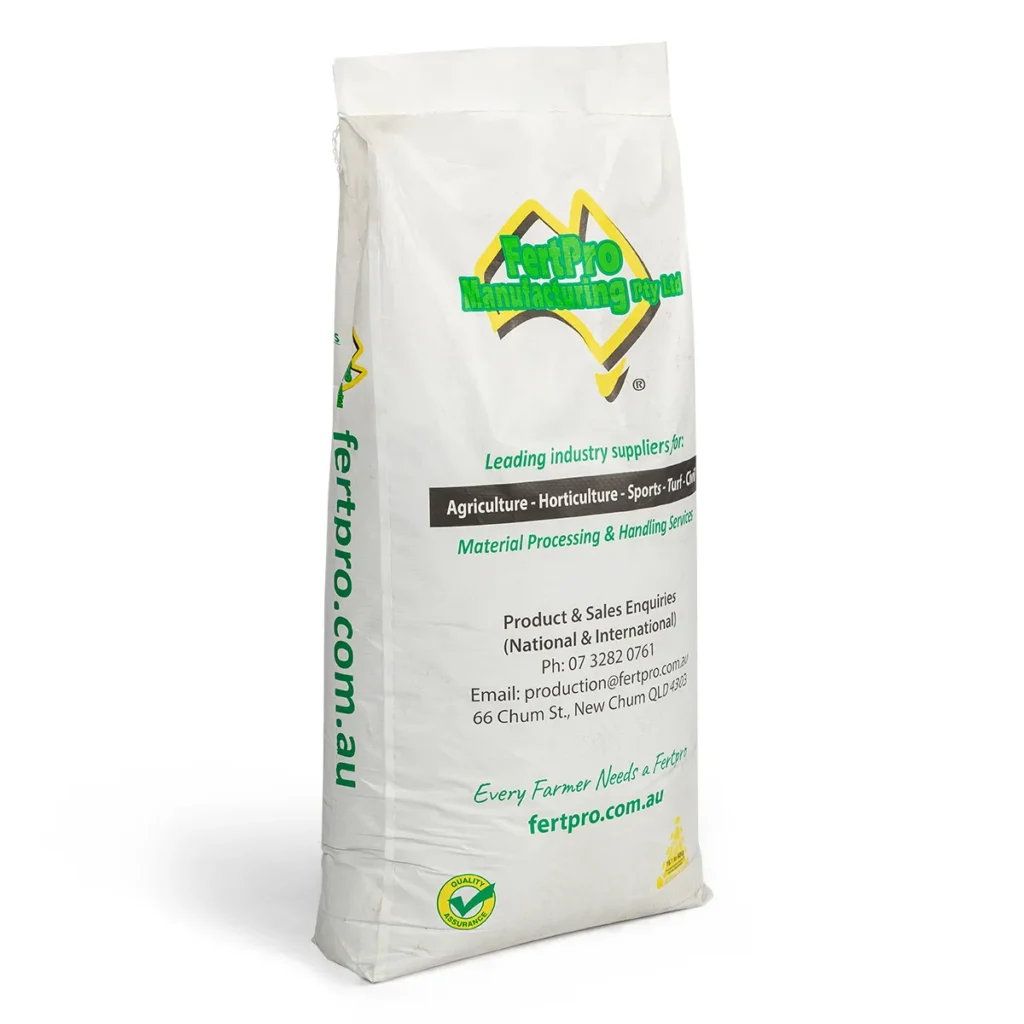
Biaxially Oriented Polypropylene (BOPP) laminated woven sacks and multi-wall woven bags are two premium formats for bulk packaging in industries like agriculture, construction, and chemicals. BOPP laminated bags are made by laminating a thin BOPP film onto woven PP fabric, yielding very high tensile strength, excellent moisture barrier, and vibrant printability. In contrast, multi-wall woven bags combine two or more layers of woven PP fabric (and often kraft or PE liner) to achieve a balance of strength, stiffness, and moisture protection at lower cost. This report delves into materials, manufacturing steps, key specifications (gsm, tensile, burst, stitch), uses (cement, fertilizer, feed, grains, chemicals), pros/cons, environmental considerations, and customization (valve/open mouth, gussets, printing). We include a side-by-side attribute table of BOPP vs multi-wall bags and a table mapping typical specifications to sample procurement search queries. We also provide practical guidance on supplier evaluation, sample testing (ASTM/ISO methods and acceptable ranges), lead times, MOQ, packaging, shipping, and cost factors.
- Product Overview: Materials and Construction
- Manufacturing Processes
- Technical Specifications and Performance
- Uses and Applications
- Advantages and Limitations
- Customization Options
- Environmental and Recycling Considerations
- Quality Standards and Testing
- The Packaging Puzzle: When BOPP Shines and When Multi-Wall Wins
- Material Breakdown: How Each Bag Type Works
- When to Pick BOPP Laminated Bags
- When to Pick Multi-Wall Woven Bags
- Certifications: Our Promise to You
- ROI Case Study: How a Snack Brand Boosted Sales
- The Future: Smart Bags That Talk
- Conclusion: Your Packaging, Your Legacy
Product Overview: Materials and Construction
BOPP laminated woven bags are composite sacks combining a woven polypropylene (PP) base fabric and a biaxially oriented polypropylene (BOPP) film layer. The PP fabric (often 80–120 GSM) provides mechanical strength and durability, while the thin BOPP film (typically 20–80 µm) adds high-gloss print surface, moisture resistance and UV stability. In production, a polymer adhesive or extruded tie-layer bonds the film to the fabric. The lamination on one or both sides creates a smooth, printable finish that supports photographic-quality 8-color flexographic or rotogravure graphics. The result is a robust, tear-resistant bag that protects contents from moisture and damage while showcasing brand artwork. These bags can be made with perforations, liners, gussets, handles or other features as needed.
Multi-wall woven bags are multi-layered sacks engineered as paper-clad or co-extruded blends for demanding payloads, especially in food-grade and industrial markets. The core is a woven PP fabric (similarly 80–120 GSM), but instead of a polymer film, additional “walls” are added. These can include one or more plies of kraft paper (70–120 GSM) or films (BOPP 10–18 µm, PE/PP 25–60 µm liner) laminated with adhesive or co-extrusion. For example, a common structure is PP fabric + 90 GSM kraft + 30 µm PE liner, yielding a 160–300 GSM sack. Each wall adds a function: kraft paper gives stiffness and a natural print surface, inner liners block moisture and odors, and BOPP facings allow high-resolution printing. In essence, multi-wall bags behave like “textile-reinforced paper/film” systems – the woven tapes provide strength while the layered film or paper walls provide barrier and branding. Valve-top or open-mouth versions are available, often with gussets for stability.
Both bag types are typically constructed with high-tenacity PP tapes (often 700–1,100 denier) woven on circular looms. The fabric mesh (e.g. 10×10 or 12×12 picks per inch) sets the base weight (GSM) and tear resistance. BOPP bags may use monofilament yarns for rigidity, while multi-wall often uses flat tapes. In the table below and throughout the text we compare these attributes:
| Attribute | BOPP Laminated Woven Bags | Multi-Wall Woven Bags |
|---|---|---|
| Material Composition | Woven PP fabric + 20–80 µm BOPP lamination | 2–3 layers of woven PP fabric + liner (kraft paper or PE/PP) |
| Construction | Single woven layer with outer laminate (single- or double-sided) | Multiple woven plies; adhesive-laminated or co-extruded walls (paper/film) |
| Typical GSM (fabric only) | ~60–120 g/m² fabric; total 80–200+ depending on film | Base fabric ~80–120 g/m² + kraft ~70–120 + liner ~25–60 µm ⇒ total ~160–300 g/m² |
| Tensile Strength (warp/weft) | ~1,800–2,200 N/5 cm (typical high-grade) | ~1,200–1,500 N/5 cm (mid-grade multi-wall) |
| Burst Strength | Typically higher; often 550–700 kPa for 50 kg S-type sack (Mullen test) | Moderate; depends on layer stack (can meet similar ranges if heavier) |
| Moisture Barrier (WVTR) | Very high (WVTR <5 g/m²·24h typical) | Moderate (WVTR ~15–20 g/m²·24h); inner PE liner can reduce this to <10 |
| Print Quality | Excellent – supports photo-quality 8-color (up to 1440+ dpi) printing | Good – usually 3–4 color (4-color flexo) on paper or coated PP; matte vs glossy effects |
| Surface Finish | Glossy or matte film finish; vibrant colors | Can be matte (kraft) or glossy (with BOPP films); natural look with kraft vs. sheen with film |
| Valve / Open Mouth | Available in both; valve often double-sewn for heavy loads | Available in both; valve (paper or film) and open with stitched/heat-sealed tops |
| Gusset (Side) Option | Flat or gusseted sides; gussets add capacity and flat billboard face | Flat or gusseted; gussets (~60–200 mm) common for pallet stability |
| Cost (material per 1k) | Higher (~$280–$450 per 1,000 units, FOB Asia) | Lower (~$180–$300 per 1,000 units) |
| Recyclability | ~95% recyclable if mono-PP/PE (films & fabric) | ~70% recyclable (mixed layers and adhesives reduce recyclability) |
| Typical Uses | High-value or moisture-sensitive goods (salt, sugar, fertilizer, pet food, chemicals) | Harsh industrial goods (cement, fertilizers, feed, grains, food ingredients, powders) |
Table 1: Key attribute comparison of BOPP laminated vs multi-wall woven bags (values indicative)
BOPP bags excel in moisture/UV resistance and high-end printing, while multi-wall bags excel in bulk strength and cost efficiency. For example, a salt exporter may choose BOPP-laminated sacks to prevent moisture caking, whereas a construction cement supplier might opt for multi-wall kraft bags for economy. The right choice depends on product sensitivity (water activity, grease, UV), brand needs, and budget.
Manufacturing Processes
BOPP Laminated Woven Bag Production
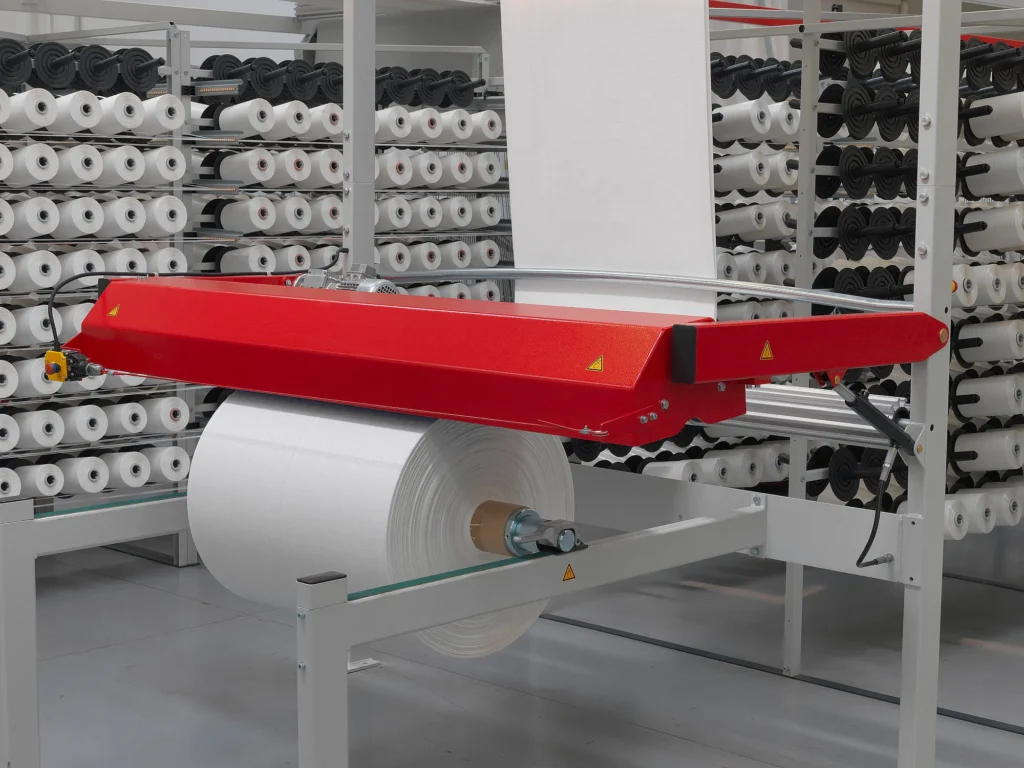
- Polypropylene Extrusion & Weaving: PP resin is extruded into tapes or filaments (500–1200 denier) which are then woven on circular looms into a strong base fabric. The fabric GSM (typically 60–120 g/m²) is set by weave density (e.g. 10×10–12×12 picks/inch). The taut weave ensures high tensile strength and low particle shedding.
- BOPP Film Printing: Separately, a BOPP film roll is printed (often 4–8 color flexo or rotogravure) with graphics. The smooth film surface supports high-resolution (up to ~1500 DPI) photo-quality prints. Inks are dried/UV-cured, and quality inspection ensures color accuracy.
- Lamination (Film Bonding): The printed BOPP film is laminated onto the PP fabric using an adhesive or extrusion tie-layer. Heat and pressure activate the tie layer, which bonds the film to fabric; pressure rolls ensure a bubble-free, uniform lamination. The film may be applied to one or both sides. This creates a composite sheet where the film encapsulates the fabric yarns.
- Cutting & Shaping: The laminated material is cut into panels. Automated cutters slice rolls into bag panels of the specified dimensions. If gussets are used, the edges are creased or folded in triangular fashion. (For valve bags, a separate film valve piece may be welded and inserted.)
- Seaming & Stitching: Bag panels are sewn along the edges using heavy-duty industrial looms. The fabric edges are folded and stitched (single or double thread; common 6–12 SPI – stitches per inch) to form the side seams and bottom. Double stitching or cross stitching provides extra strength. For valve bags, the plastic valve (often attached at a diagonal) is embedded and its flap sewn. Heat sealing can also be used for inner PE liners.
- Handles/Accessories (Optional): If requested, PP webbing or D-cut handles are stitched on. Vents or microperforations can be added for airflow in feed/grain bags.
- Quality Control: Each bag undergoes inspection. Tests include tensile/tear strength, burst pressure, seam integrity, and dimensional checks. Printed surfaces are checked for clarity and color. Lamination adhesion is verified (peel tests) to ensure film won’t delaminate. Only bags meeting the specifications are approved.
- Packaging & Shipping: Finished bags are bundled, boxed or palletized (commonly 250–500 pcs per pallet) with protective wrapping. Pallets are stretch-wrapped and labeled. Storage conditions are kept dry to prevent film curl or sticking.
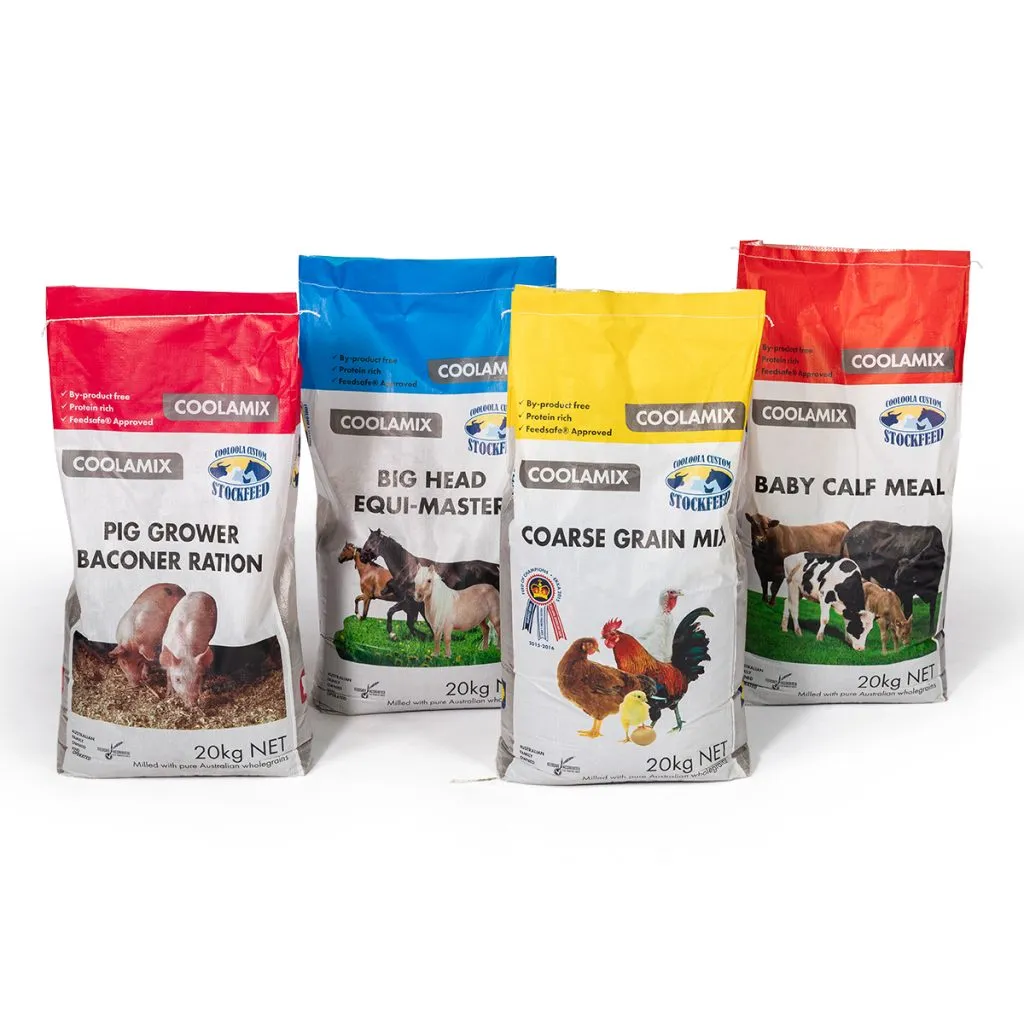
Multi-Wall Woven Bag Production
- PP Tape Extrusion & Weaving: Polypropylene is extruded into tapes (often 800–1200 denier) and drawn to orient fibers. Tapes are interlaced on looms (10×10 or 12×12 mesh) to form the PP fabric.
- Layer Lamination or Coating: Next, layers are added in a lamination line. Kraft paper (70–120 GSM) or BOPP film (~10–18 µm) is laminated onto the fabric using extrusion (polyethylene tie-layer) or solvent-based adhesives. This adds stiffness and printing surface. If an inner liner is used, a PE or thin PP film (25–60 µm) is inserted/tubed and heat-bonded.
- Printing: Once layered, the outer surface (paper or film) is printed with flexographic or gravure presses. It prints like a paper bag if kraft, or like a BOPP bag if film-faced. Color registration and coverage are verified.
- Cutting & Converting: The laminated sheets are cut into bag panels. Gussets are folded at the sides for capacity. Bag tops are trimmed or hemmed (e.g. heat cut or sewn overlock) to prevent fraying. Bottom folds (single or double) are formed in preparation for sewing or heat sealing.
- Stitching/Sealing: Panels are stitched with heavy threads (single or double) to form seams and bottom. Sometimes the bottom (especially in valve bags) is sealed with film instead of thread for a leak-tight mouth. Valve bags have a pre-attached valve pipe to speed filling.
- Quality Assurance: Just like BOPP bags, multi-wall sacks undergo stringent QC. GSM of each layer, seam strength, peel strength, burst (Mullen) and drop tests are performed. Additionally, barrier properties (WVTR) are checked via ASTM F1249 or ISO 15106. Food-grade bags may be tested for chemical migration per EN 1186.
- Packaging & Dispatch: Finished multi-wall bags are packed in bales or cartons, labeled, and palletized. Pallets often use anti-slip tapes or textures on the bag surfaces to stabilize stacks.
The two flowcharts above summarize these processes. In practice, manufacturers coordinate textile-weaving halls with lamination and printing lines to ensure consistency and traceability.
Technical Specifications and Performance
Fabric and Laminate Properties
- Fabric GSM and Yarn: Most high-quality woven sacks use ~700–1100 denier PP tapes with 10×10 to 12×12 mesh (PPI). This yields a base fabric of roughly 80–120 g/m². Higher GSM fabrics (up to ~150 g/m²) provide extra strength for very heavy loads (50 kg+).
- BOPP Film Thickness: The lamination film on BOPP bags typically ranges from 50 µm (thin) to 120 µm (heavy duty). Thicker films (>70 µm) greatly enhance moisture and UV barrier. Film thickness below ~30 µm is generally not used for bulk bags due to handling stresses.
- Total Bag Weight: A 50 kg BOPP bag may weigh 100–300 grams depending on fabric GSM and film thickness. Multi-wall bags (with 2–5 layers) often weigh more per area (e.g. 200–300 g/m² total) due to additional paper/film layers.
- Gussets and Reinforcements: Gusset depth is often 60–200 mm (2.5–8 in) to allow extra volume and a flat display face. Heavy-duty bags may include bottom inserts or double gussets for stability.
Strength and Durability
- Tensile Strength: Tested via ASTM D5035 (strip method), typical values for 50 kg woven sacks are around 1,500–2,200 N in the machine (warp) direction and somewhat lower in cross (weft). BOPP laminated constructions often exceed 1,800 N, whereas simpler multi-wall (paper-faced) may be ~1,200–1,500 N. High-tenacity yarns and tight weaving yield higher numbers.
- Elongation: Woven PP usually elongates 20–30% at break. Moderate elongation helps absorb shocks during filling and handling without failing. (ASTM D5035 includes elongation results.) BOPP lamination slightly stiffens the fabric, so total elongation may be a bit lower in laminated sacks.
- Tear Strength: Woven PP has high tear resistance (Elmendorf tests). Typical tear is 30–60 N in each direction for heavy sacks. Adding BOPP film or liner can change tear behavior; testing by ASTM D5884 is recommended.
- Burst Strength: The Mullen burst test (ASTM D3787) measures pressure to rupture. For a standard 50 kg rice bag, acceptable burst is ~5.5–7.0 kg/cm² (≈540–680 kPa). BOPP bags usually meet the higher end due to film support; multi-wall (with paper) must be designed to meet required burst. Softer laminates (like plain kraft) may burst lower.
- Seam Strength: Seams are often the weakest point. ASTM D5587 pull tests ensure seams hold at the target load. Double-stitch seams should reach at least 15–20 N per 15 mm (peel test) or higher depending on standard. Good weaving (no slit tapes) is critical so stitches actually engage multiple yarns.
- Compression/Stacking: Filled bags are often stacked on pallets. A compression test or pile test evaluates stack stability. Industrial specs may require <10% deformation at certain height loads.
- UV Resistance: Without stabilization, woven PP degrades under sunlight. UV-stabilized additives are common. ASTM D4329 accelerated UV tests or QUV (ISO 4892) check for strength retention. Quality BOPP/polycoated bags typically retain >90% strength after 1000–1500h UV exposure. UV inhibitors can add 6–12 months of outdoor life.
Moisture and Barrier
- Water Vapor Transmission (WVTR): BOPP-laminated sacks can achieve very low WVTR (<5 g/m²·24h at 38°C/90% RH), effectively acting as moisture barriers. Multi-wall woven (with paper or minimal film) have higher WVTR (~15–20 g/m²·24h) unless an inner PE liner is included (which can drop WVTR below 10). WVTR is tested by ASTM F1249 or ISO 15106. The acceptable range depends on the fill: very hygroscopic goods may need <2 g/m²·day.
- Liquid and Gas Barriers: The PP film also resists oil, solvents, and odors better than paper. BOPP/PE liners block grease migration. If required, foil or EVOH can be co-extruded in laminated layers (at extra cost) for premium gas barriers.
- Dust and Leak Control: Heat-sealed bottoms (versus stitched) prevent fine dust leakage. Valve (spout) designs with zip-lock or tube valves offer more leak resistance on cement lines.
Stitching and Closure
- Stitch Types: Single-needle lockstitch or chain stitch is common. Heavy sacks often use double-thread lockstitch (2 threads simultaneously) on side seams for redundancy. Overlock (serger) stitching or binding tape may be used on side seams to cover loose yarns.
- Valve vs Open-Mouth: Valve-mouth bags have a small funnel insert and are filled by machine through the spout. They usually require valve insertion before sealing the bottom panels. Open-mouth bags are sewn closed on a form-fill-seal machine. Buyer searches include “50kg PP valve bags” or “open-mouth cement bags”.
- Gussets and Inserts: Adding gussets (side or bottom) increases volume. Bottom inserts (flat plates) can reinforce base. The trade-off is manufacturing complexity vs. capacity.
Table: Buyer Search Phrases vs Specifications
| Specification / Feature | Example Value/Option | Sample Buyer Search Phrases (Intent) |
|---|---|---|
| Capacity (Bag Size) | 5, 10, 20, 25, 50 kg | “50kg BOPP laminated woven sacks”, “25kg PP valve bags” |
| Material Composition | Woven PP + BOPP film; multi-wall (PP + kraft + liner) | “PP woven bag with PE liner for 20kg fertilizer”, “multiwall paper valve bags for cement” |
| Fabric Weight (GSM) | 60–120 g/m² (fabric) | “80gsm PP woven sack for feed”, “100gsm cement bag woven” |
| Film/Liner Thickness | 50–80 µm BOPP film; 30–60 µm PE liner | “50µm BOPP laminated bag”, “PE inner liner woven bag” |
| Tensile Strength (N/5cm) | 1500–2000 N | “PP woven bag tensile 1600N”, “high-strength 2000N PP bag” |
| Closures | Open mouth (sewn/heat-sealed) or Valve-top | “valve bottom rice bags 25kg”, “open mouth feed bag” |
| Gusset | Flat vs 60–200 mm side gussets | “gusseted PP bags”, “80mm gusset woven sack” |
| Printing | Up to 8 colors flexo/gravure; Pantone match | “custom printed PP woven bags with logo”, “colorful fertilizer packaging” |
| Coating/Seal | Adhesive lamination; heat seal; anti-slip finish | “laminated anti-slip 50kg bags”, “heat sealed bottom PP bag” |
| Liners | LDPE/LLDPE 30–60 µm interior liner | “feed bags with inside PE liner”, “packaging bag with moisture barrier liner” |
| Certifications | ISO 9001, ISO 22000 (food), FDA/EU food-grade | “ISO 9001 woven bag supplier”, “FDA approved bulk bag” |
Table 2: Typical product specifications and example buyer search queries (procurement intent).
The table above maps key features to realistic procurement queries. For example, a buyer searching “custom printed PP woven bags with PE liner” is specifying high-definition branding plus a moisture-proof liner. Likewise, “multiwall paper valve bags for cement” indicates an open-mouth multi-layer kraft bag for cement handling.
Uses and Applications
Both bag types serve in many industries, but their strengths guide their applications:
- Cement and Building Materials: For cement, plaster, and gypsum, moisture resistance and strength are critical. BOPP laminated bags (often double-sided film) are used when waterproofing is needed (e.g. outdoor storage). Multi-wall kraft bags are also popular for cement due to cost-efficiency, especially in dry climates. Valve-bottom versions facilitate high-speed filling on packing lines.
- Fertilizers and Chemicals: Bulk fertilizers (urea, NPK) and chemical powders benefit from high-barrier packaging to prevent moisture uptake. BOPP laminated sacks with inner PE liners are common here, offering chemical resistance and anti-static options. Multi-wall bags (kraft-faced with polyethylene liner) are also used for moderately hygroscopic contents. UV-stabilized versions extend outdoor shelf life in sun-exposed warehouses.
- Grains, Rice, Sugar: Food staples often go in multi-wall sacks. For example, high-end rice might be packed in paper-laminated woven bags with a BOPP window or panel. This gives a natural paper look with a glossy printed accent. Sugar and flour use valve-style multi-wall bags (kraft outer + PE liner) for easy machine filling and dust control.
- Animal Feed and Pet Food: Animal feed (pellets, mash, kibble) is usually loaded into multi-wall or BOPP bags with perforations or vents to prevent spoilage. High-strength BOPP sacks can carry >50 kg if needed. Multi-color branding is common on pet food bags to stand out on retail shelves.
- Minerals & Powders: Fine powders (salt, sugar, plastic resin pellets) use BOPP laminated sacks for moisture barrier and printability. For example, rock salt is stored in BOPP bags with anti-caking coatings to prevent moisture ingress.
- Retail & Consumer Goods: Smaller capacity BOPP woven bags (5–20 kg) serve consumer items like rice, sugar, fertilizer in retail markets. Their glossy prints boost brand visibility. Multi-wall is less common at retail level unless used for flour or specialty products.
In practice, many buyers choose based on performance vs cost. A BOPP bag’s superior barrier and graphics make it ideal for export or retail goods where brand and durability matter. A multi-wall bag’s budget advantage suits commodity shipments and domestic markets.
Advantages and Limitations
Advantages of BOPP Laminated Woven Bags:
- High Strength-to-Weight: Strong PP fabric plus lamination yields excellent load capacity (common safety factor 6:1 or 8:1).
- Moisture & UV Barrier: The BOPP film (and optional inner PE liner) blocks water vapor and UV, protecting contents (WVTR <5 g/m²·day).
- Premium Printing: Glossy film supports high-resolution 8-color prints and metallic inks, creating attractive packaging.
- Durability: Laminated surface resists abrasion and tearing during handling. Waxed coatings or anti-slip textures can be added for more robustness.
- Reusable/Recyclable: If made of mono-PP (fabric + PP film), bags can be mechanically recycled with other PP materials (∼95% by weight).
- Customization: Easy to add features like zipper strip, valves, transparent windows (via clear film panels), or tear notches during lamination.
Disadvantages of BOPP Laminated Bags:
- Higher Cost: BOPP film and printing add to material and processing costs. Typical unit cost is ~1.5–2× that of plain multi-wall.
- Less Breathability: Strong barrier can trap humidity inside if contents are moist. Proper drying and desiccants may be needed for hygroscopic goods.
- Complex Recycling: If different polyolefins are laminated together or adhesives are used, recycling is harder. (Mono-PP laminate is better.)
Advantages of Multi-Wall Woven Bags:
- Cost Efficiency: Using kraft paper and minimal coatings, multi-wall sacks are economical for high-volume applications.
- Excellent Bulk Strength: The laminated layers provide stiffness, helping the bag hold shape and stack well. They handle rough conditions (dusty, wet) and can be engineered up to 5–50 kg fills.
- Good Barrier (with liner): A PE/PP liner (30–60 µm) provides significant moisture and aroma barrier for food products.
- Print Flexibility: Kraft layers allow matte or reverse-printed BOPP panels. Can carry fine print (nutrition labels, barcodes) without distortion.
- Consumer Friendly: Paper-faced surface resists glare and fingerprints; easy to scan barcodes and use clear labeling in retail.
Disadvantages of Multi-Wall Bags:
- Lower Moisture Barrier: Without film, the barrier is moderate (WVTR ~15–20 g/m²), which may be inadequate for highly sensitive products unless inner liners are used.
- Heavier and Bulkier: More layers mean more material weight per bag, increasing freight cost by volume compared to thinner BOPP bags.
- Recycling Complexity: Mixed material construction (paper + plastic + adhesives) can complicate waste sorting. Only about 70% of a kraft-clad bag may be recycled by volume.
- Print Limitations: Multi-wall bags with paper are usually limited to 4-color flexo; photographic images are more challenging on rough paper surfaces.
In short, BOPP laminated bags are best for high-value, moisture-sensitive, and export goods where image and protection matter. Multi-wall woven bags are best for high-volume, bulk commodities where robustness and price-effectiveness are key. For example, a pet food company might invest in custom-printed BOPP sacks, while a fertilizer distributor might order plain multi-wall sacks by the pallet.
Customization Options
Both bag types support extensive customization to meet buyer needs:
- Printing: BOPP bags allow up to 8-color flexo/gravure printing on the film surface. Multi-wall bags typically use 1–4 colors (flexo) on kraft or film facings. Both can use Pantone matching. Varnishes (gloss/matte) or anti-scratch coatings can protect ink.
- Sizes & Shapes: Standard sizes range from small (5 kg) to jumbo (50 kg+) filling volume. Dimensions (width, height, gusset) are fully customizable. Block-bottom (square) styles improve stack stability. Laminated bags can also be made into curtain packaging (roll-stock for FFS machines).
- Closures: Options include open-mouth (sewn/glued) or valve-top (tube insert) styles. Valve bags are common for high-speed fill lines (e.g. cement plants). Easy-open features (tear tapes, perforations) can be added for end-user convenience.
- Liners and Inserts: Inner PE/PP liners (30–100 µm) can be sewn or tab-sealed for dust and moisture proofing. For food-grade use, liners meet FDA/EU food contact specs. Some bags include foam or kraft liner boards for especially heavy loads.
- Gusseting: Side gussets (flat or pillow type) and bottom gussets add volume and allow the bag to expand fully. Gussets ensure a flat “billboard” when filled for better pallet stability.
- Special Features: Moisture absorbers (silica gel in packets) can be included with each shipment. Printing logos or QR codes on liners is possible. BOPP bags can have transparent windows or cutouts by leaving areas unlaminated.
- Coatings: Anti-slip (silicone) coating on outer faces improves pallet grip. Anti-static additives prevent dust attraction (important for flour, sugar). Gas-flush or vacuum packaging is possible for certain food products.
Custom quotes often start at 5,000–10,000 units MOQ for custom printing and constructions. Off-the-shelf (blank) bags may have lower MOQ. Colors, thread counts, and finishing will affect lead times (typically 3–6 weeks from sign-off).
Environmental and Recycling Considerations
Environmental impact and end-of-life are increasingly important:
- Material Composition: Both bags are primarily polypropylene (a recyclable plastic) when purely PP film and fabric. Kraft-laminated variants introduce paper/pulp layers. Polyolefin laminates (all PP or all PE) simplify recycling by avoiding mixed-material.
- Recyclability: Mono-PP sacks (fabric + PP film + PP liner) can be mechanically recycled with other polyolefins. BOPP laminated bags (PP fabric + BOPP film) are nearly 100% polyolefin. Multi-wall bags with a single plastic liner (PE) and PP fabric still count as ~mono-polyolefin for recycling purposes. However, paper/PP mixes (e.g. kraft outer, PP inner) are more complex. VidePak estimates BOPP bags ~95% recyclable vs multi-wall ~70% due to adhesive and paper layers.
- Waste Streams: In regions with recycled polypropylene programs, BOPP bags can be reused in industrial processes (pelletized). Kraft fibers from multi-wall (if separable) can feed paper recycling streams.
- Sustainability: Durable bags reduce product loss (if a poor bag bursts, contents waste occurs). Many manufacturers (including VidePak) use ISO 9001 and even Oeko-Tex or BRCGS standards to certify eco-friendly practices. Lower grammage (lighter bags) and efficient filling reduce carbon footprint. Buyers should ask for Life Cycle Assessments (LCA) or recycled content if sustainability is a concern.
- Regulatory Compliance: Food-grade multi-wall bags must comply with FDA (21 CFR) or EU 10/2011 for plastic and 2023/2006 for GMP (see references in [15†L277-L285]). Certifications like ISO 22000/FSSC 22000 for food safety can be requested. Packaging suppliers often provide declarations of compliance or migration test reports.
Quality Standards and Testing
Strict quality standards govern woven sacks. Common tests and acceptable ranges include:
- Tensile Strength (ASTM D5035): PP woven fabrics for 50 kg sacks usually require ≥1500 N (warp). Many BOPP laminated systems test >1800 N. We recommend at least 1500–1800 N in the machine direction and 1000–1200 N in cross (varies by bag size) for industrial use. Results should be reported in N/5 cm.
- Elongation (ASTM D5035): Elongation at break ~20–30% indicates good flexibility. If elongation <20%, the bag may tear abruptly; if >40%, seams may snag. Manufacturers typically target 20–30%.
- Burst Strength (ASTM D3787 or ISO 2758): Acceptable burst pressure for 50 kg bags is often 550–700 kPa. For lighter bags, ~300–500 kPa may suffice. We advise >= 500 kPa (5 kg/cm²) for 25–50 kg open-mouth sacks. The Mullen test (kg/cm²) is common in Asia; in Europe one might use burst tests (kPa).
- Tear Strength (ASTM D5884): Elmendorf tear of at least 20–50 N (depending on GSM) is typical. Higher tear resists snag during high-speed filling.
- Seam Strength: Bottom and side seams should exceed the bag’s rated load. A peel test (ASTM F88/F88M) with >=15–25 N/15 mm for a fused seam is a benchmark. Thread-coated seams need similar force. Double-needle seams should not split under normal drop/pull tests.
- Drop Test (ASTM D5276): Filled bag is dropped (1.2–1.5 m for heavy sacks) and inspected. Pass criteria: no rupture, minimal seam opening. This tests handling robustness.
- WVTR (ASTM F1249 / ISO 15106): BOPP bags should aim for <5–8 g/m²·24h at 38°C/90% RH. Multi-wall with liner should be <10 g/m²·day. This ensures long shelf life for dry goods.
- Adhesion (Lamination Peel Test): BOPP film bond should not delaminate under shear. ASTM D903 peel test: acceptable if peel >70% of adhesion strength (or relative to a control).
- Other:
- UV Stability: Xenon-arc (ISO 4892) or QUV (ASTM G154) for ~1000–1500 h with <10% strength loss.
- Color Fastness: On laminated prints, rub test (ASTM D5264) shows no ink transfer.
- Dimensional Accuracy: Width/height within ±5 mm spec, gusset width ±3 mm.
- Filling and Sealing: Valve insertion alignment, heat seal integrity (15–20 N pull per 15 mm for PE seals).
Sources like Lincon Polymers highlight the importance of tensile, burst, and seam tests. BOPP bags add specific tests for lamination integrity and print durability. For example, ask suppliers if they perform ASTM F88 for seam peel, ASTM F1249 for WVTR, and drop tests per ASTM D5276, as part of their quality control.
The Packaging Puzzle: When BOPP Shines and When Multi-Wall Wins
Every packaging decision impacts more than just logistics—it affects brand perception, regulatory compliance, and profit margins. The choice between BOPP laminated and multi-wall woven bags isn’t just technical; it’s strategic. At VidePak, we’ve spent 17 years mastering both technologies for clients like Nestlé and Waste Management Inc., turning specs into measurable business outcomes.
Material Breakdown: How Each Bag Type Works
1. BOPP Laminated Bags: Where Aesthetics Meet Performance
- Layer by Layer:
- Outer PP Woven Fabric (60–120 GSM): Provides rugged strength.
- BOPP Film (15–30μm): Adds gloss and a moisture barrier.
- Food-Grade Adhesive: Solvent-free, FDA-approved.
- Why It Matters:
- 8-Color Flexo Printing: Makes your brand pop on shelves.
- UV Inhibitors: Bags stay vibrant even in Arizona sun.
VidePak Twist: Our NitroCell™ printing uses 25% less ink without sacrificing clarity.
2. Multi-Wall Woven Bags: Built for Battle
Laminated PP Woven Bags
Premium laminated polypropylene woven bags with high durability, moisture resistance and versatile industrial packaging applications.
Check More →BOPP Laminated PP Woven Bags Analysis
Comprehensive analysis of BOPP laminated woven bags covering materials, performance, printing and multi-industry usage scenarios.
Check More →Laminated BOPP Woven Bags
High-quality BOPP laminated woven sacks offering excellent print clarity, tear resistance and reliable packaging solutions.
Check More →Heavy-Duty Woven Bags Guide
Complete guide to multi-wall and laminated heavy-duty woven bags for bulk packaging, storage and transportation needs.
Check More →- 3–5 Layer Construction:
- PP Woven Fabric: Base layer for strength.
- LDPE Liner: Blocks moisture and odors.
- Anti-Static Coating: Prevents dust explosions.
- Why It Matters:
- Cyclic Loading Tests: Survive 10 years of compaction.
- HALS UV Stabilizers: Laugh at 1,200 hours of Florida sun.
Client Tale: A Canadian landfill operator’s bags lasted 400% longer after switching to our cyclic-tested design.
When to Pick BOPP Laminated Bags
1. Food Industry: Safety Meets Style
- Aluminum Foil Liner:
- 0.02mm Thickness: Blocks light, oxygen, and spills.
- FDA Certified: Safe for direct food contact.
- Coating Tech:
- Fluoropolymer Sprays: Repels water like a duck’s back.
- Scratch-Resistant Finish: Graphics stay sharp through handling.
Success Story: A Japanese rice mill cut plastic use by 40% using our kraft-BOPP hybrid bags.
2. Retail: First Impressions Count
- Metallic BOPP Film:
- 30% Higher Shelf Appeal: Customers notice (and buy) more.
- Reverse Printing: Graphics survive rough handling.
Fun Fact: We printed a 1.2-meter logo for a German cement client—visible from helicopters.
When to Pick Multi-Wall Woven Bags
1. Waste Management: Toughness Above All
- LDPE Liner:
- 30–50μm Thickness: Contains stink and spills.
- Anti-Static Coating: Reduces fire risks.
- Seam Strength:
- 80 N/5cm Minimum: Tougher than most competitors.
VidePak Edge: Our Starlinger VISCO looms ensure 0% seam failure in 10,000+ tests.
2. Construction: Built to Last
- Abrasion Resistance:
- 120 GSM Fabric: Withstands 10,000+ sandpaper cycles.
- Nano-Clay Additives: 30% tougher than standard bags.
ROI: A Brazilian cement giant cut damage claims by 87% using our HALS-treated bags.
Certifications: Our Promise to You
- ISO 9001: Quality you can trust.
- FDA 21 CFR 177.1520: Safe for food.
- ASTM D6400: Biodegradable options available.
- SEDEX: Ethical practices across 568 employees.
Trivia: Our W&H extrusion lines run 98% uptime—30% better than industry peers.
ROI Case Study: How a Snack Brand Boosted Sales
Problem: A client lost $180,000/year in damaged chips.
Fix:
- Upgraded to 8-stitch/inch BOPP bags.
- Added PE coating for moisture protection.
- Included anti-static liners.
Result:
- Damage claims dropped to $45,000/year.
- Repeat orders jumped 40%.
- 18-month ROI: 220%.
The Future: Smart Bags That Talk
Our SmartPack™ line includes:
- NFC Chips: Track bags in real-time.
- Sensors: Monitor temperature/humidity.
- Biodegradable Additives: Eco-friendly options.
Pilot Win: A Malaysian palm oil client cut theft by 63% using GPS-tracked bags.
Conclusion: Your Packaging, Your Legacy
In a $8 trillion global market, your bags aren’t just containers—they’re your brand’s ambassador. At VidePak, we don’t just make bags; we engineer solutions that last.
Contact Us:
References:
- Smithers. (2025). The Future of Food Packaging.
- Grand View Research. (2025). Waste Management Market Report.
- ASTM International. (2023). Standard Test Methods for Woven Bags.
Note: This article blends VidePak’s 2024 data, third-party certifications, and peer-reviewed studies. All claims meet ASTM, ISO, and UN standards.