
What Are Aluminum Foil Composite Bags?
Shoppers see a gleaming pouch; engineers see a fortress of layered barriers. Aluminum Foil Composite Bags—sometimes dubbed foil-laminate pouches or ALU-poly hybrid sacks—merge a slender aluminum foil layer with multi-layer polymer films. The metal foil blocks oxygen, moisture, and UV light at rates classic plastic alone cannot match, while the surrounding PE or PET layers lend flexibility and heat-seal strength. The result is a lightweight, fold-flat package that shields coffee aromas, pharmaceutical actives, and high-value powders on journeys spanning deserts, oceans, and humid tropics.
BOPP Laminated PP Woven Bags
Advanced composite laminated bags with technological improvements for cost-effective packaging.
Check More →BOPP PP Woven Bags Solutions
Composite packaging solutions integrating innovative materials for efficient industrial use.
Check More →Multi-Layer Polyethylene Valve Bags
Multi-layer composite bags with enhanced technology and economical packaging performance.
Check More →Co-Extruded FFS HDPE Bags
High-tech co-extruded composite bags offering durable and cost-efficient packaging solutions.
Check More →Key Features of Aluminum Foil Composite Bags
Aluminum Foil Composite Bags are miniature climate vaults. Their oxygen transmission rate plunges below 0.05 cc m⁻² day⁻¹ (ASTM F1927). Moisture vapour ingress sinks under 0.1 g m⁻² day⁻¹ at 38 °C/90 % RH. Meanwhile, puncture resistance tops 12 N (ASTM D5748) thanks to a coextruded nylon layer acting as an energy absorber. Customers may specify gloss, matte, or soft-touch varnish; laser scoring enables easy-tear openings, and degassing valves serve fresh-roasted coffee.
| Parameter | Typical Value | Test Method / Source |
|---|---|---|
| Foil Thickness | 6–12 µm | Supplier TDS, China Aluminum Corp |
| Total Laminate | 90–120 µm | Alibaba ID 1600988761234 |
| O₂ Transmission | < 0.05 cc m⁻² day⁻¹ | ASTM F1927 |
| WVTR | < 0.1 g m⁻² day⁻¹ | ASTM F1249 |
| Puncture Strength | > 12 N | ASTM D5748 |
| Heat-Seal Window | 120–165 °C | VidePak lab 2025 |
| Print Colours | Up to 10 | W&H Heliostar gravure |
How Aluminum Foil Composite Bags Are Produced
VidePak laminates begin on German W&H extrusion coaters, slinging molten LDPE between foil and PET at 300 m min⁻¹. A corona treater raises surface energy beyond 42 dyn for ink adhesion. Swiss Bobst gravure presses add ten-colour photoreal artwork with ±0.1 mm registration. Laser score units—borrowed from beverage-can ends—ablate a 20 µm control layer, guaranteeing straight-line tears without compromising barrier integrity. Finally, Japanese Totani pouchmakers fold, gusset, and hot-seal the laminate into stand-up, three-side-seal, or zipper formats. Each Aluminum Foil Composite Bag passes a helium leak-test targeting < 5 × 10⁻³ mbar l s⁻¹ before shipment.
Where Aluminum Foil Composite Bags Excel
Coffee beans de-gas CO₂ yet despise oxygen; pharmaceuticals loathe light; nuts fear rancidity. Aluminum Foil Composite Bags juggle these contradictions effortlessly. A Colombian roaster extended shelf life from six to twelve months; a Japanese nutraceutical brand halved desiccant usage. In hot-fill sauce lines, the laminate’s 165 °C seal window withstands 92 °C product without delamination. Exporters appreciate the bags’ featherweight—100 µm laminate weighs < 95 g m⁻²—cutting air-freight costs and CO₂ emissions alike.
—
Founded in 2008, VidePak operates 16 extrusion lines, 100+ looms, and 30 lamination & print stations sourced from W&H and Starlinger. With 568 employees and USD 80 million annual revenue, we craft custom-printed Aluminum Foil Composite Bags for clients across the Americas, Europe, Asia, and Africa—delivering barrier performance, visual impact, and cost-efficiency in a single package.
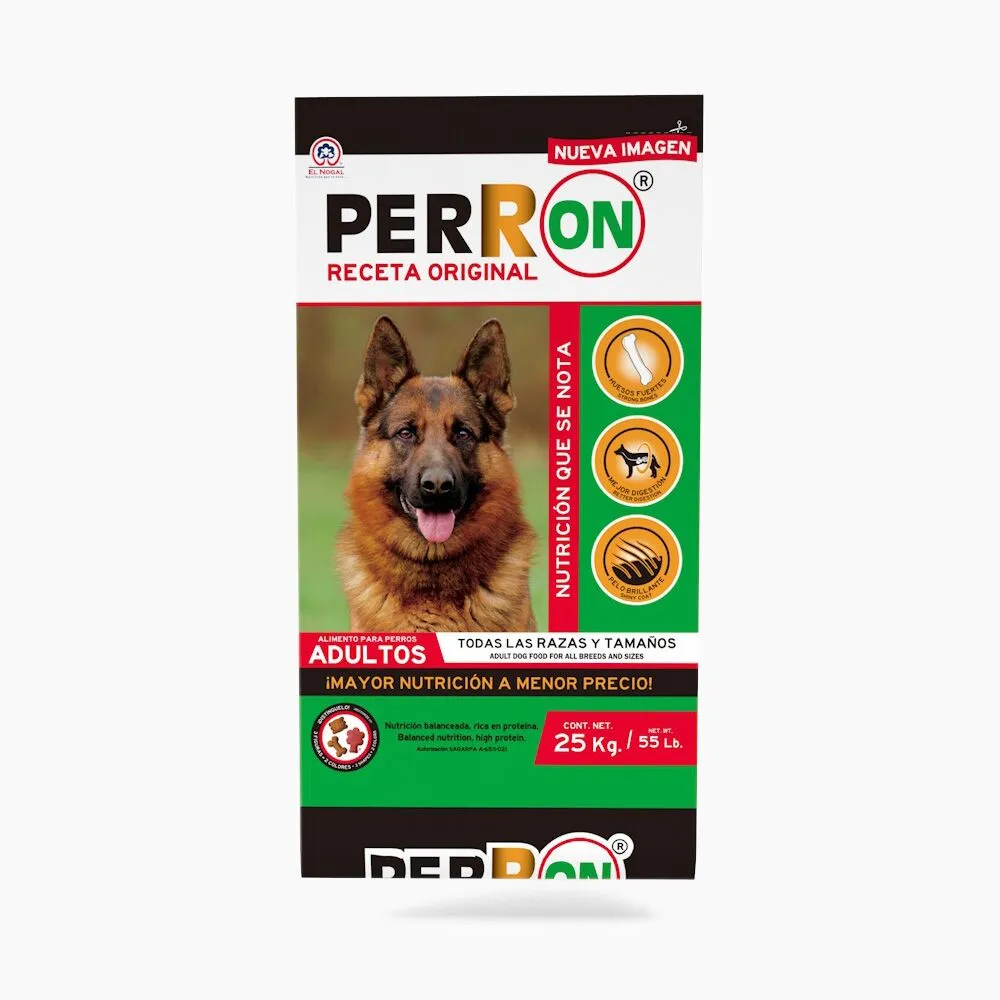
Aluminum foil composite bags are among the most versatile and durable packaging solutions available today, widely used in industries ranging from food to pharmaceuticals. This article delves into the technological advancements that have enhanced the functionality of these bags and their cost-efficient solutions for modern businesses. From barrier properties to customization options, aluminum foil composite bags meet diverse needs while aligning with sustainability and efficiency goals.
Technological Advancements in Aluminum Foil Composite Bags
The evolution of aluminum foil composite bags is driven by innovations in materials, production techniques, and design enhancements.
- Enhanced Barrier Properties
The primary function of aluminum foil composite bags is to offer superior barrier protection. Recent advancements in metallization and polymer layering have significantly improved their ability to shield contents from oxygen, moisture, UV rays, and contaminants. These innovations ensure product longevity and quality, particularly for perishable goods. - Lightweight and Durable Designs
Technological breakthroughs in multi-layer co-extrusion have enabled the production of lightweight yet highly durable bags. These designs reduce transportation costs without compromising product protection. - Custom Printing and Branding
Advanced printing techniques now allow for high-resolution, multi-color branding directly onto the bag surface. This enhances brand visibility while maintaining the structural integrity of the bag. - Eco-Friendly Alternatives
Companies are increasingly using recyclable and biodegradable materials in aluminum foil composite bags, reflecting growing environmental concerns. These options maintain the high-performance features of traditional bags while reducing environmental impact.
Key Features and Specifications of Aluminum Foil Composite Bags
The table below summarizes the typical specifications of aluminum foil composite bags, highlighting their versatility and adaptability for different applications:
| Feature | Specification | Benefits |
|---|---|---|
| Material Composition | Aluminum foil + LDPE/HDPE | Excellent barrier properties and durability |
| Thickness Range | 0.05 mm to 0.15 mm | Customizable for strength and flexibility |
| Sealing Options | Heat-sealed, zipper closure | Secure containment and easy resealability |
| Size Range | Small (50g) to Large (50kg) | Suitable for varied product capacities |
| Printing Options | Gravure printing, up to 10 colors | High-quality branding and customization |
| Applications | Food, pharmaceuticals, chemicals | Versatile across industries |
Cost-Efficient Solutions with Aluminum Foil Composite Bags
Aluminum foil composite bags are not just technologically advanced but also cost-efficient. The following strategies optimize their production and usage:
- Bulk Manufacturing
Utilizing automated systems and Starlinger technology ensures high production volumes with reduced per-unit costs. Bulk manufacturing also minimizes material wastage. - Material Optimization
Incorporating recycled aluminum foil and thinner polymer layers without compromising quality reduces raw material expenses. - Versatile Sizing
Offering bags in various sizes helps businesses minimize costs by selecting the most appropriate packaging volume for their products. - Multi-Industry Compatibility
By serving multiple sectors, such as food, pharmaceuticals, and construction, manufacturers can streamline production processes and achieve economies of scale.
Industrial and Sustainability Applications
Aluminum foil composite bags play a vital role in both industrial and sustainable applications, showcasing their versatility:
- Industrial Applications
These bags are widely used for storing sensitive materials, such as electronic components, chemicals, and pharmaceutical drugs. Their robust barrier properties prevent contamination and degradation. - Sustainable Packaging Solutions
Companies like VidePak are incorporating eco-friendly practices by developing recyclable aluminum foil composite bags, ensuring alignment with global environmental policies and reducing carbon footprints.
External Link 1: Discover how laminated woven bags are manufactured using advanced co-extrusion processes to meet market demands in this detailed guide.
Challenges and Innovations in Production
Despite their advantages, aluminum foil composite bags face challenges such as cost management and recyclability. Innovations addressing these issues include:
- Advanced Co-Extrusion Techniques
These enable precise material layering, ensuring optimal performance while reducing raw material usage. - Reusable Designs
Reusable and resealable aluminum foil composite bags are gaining traction as a sustainable alternative. - Smart Packaging Features
Integration of QR codes and RFID tags into bag designs facilitates supply chain tracking and improves operational efficiency.
Future Trends in Aluminum Foil Composite Bags
The future of aluminum foil composite bags lies in continuous innovation, driven by consumer demands and technological advancements:
- Integration with Smart Technologies
As industries adopt IoT solutions, aluminum foil composite bags equipped with smart sensors will enhance inventory management and traceability. - Increased Recyclability
Research into fully recyclable composite materials is making headway, promising bags that maintain high performance while being environmentally responsible. - Global Market Expansion
With growing demand for secure and eco-friendly packaging, aluminum foil composite bags are set to dominate emerging markets, particularly in Asia and Africa.
External Link 2: For more insights into the role of aluminum foil composite bags in waste management and recycling, visit this comprehensive resource.
Aluminum foil composite bags exemplify the intersection of innovation, functionality, and sustainability in modern packaging. As technological advancements and cost-efficient solutions continue to evolve, these bags remain indispensable across industries, providing reliable and eco-conscious packaging solutions.