
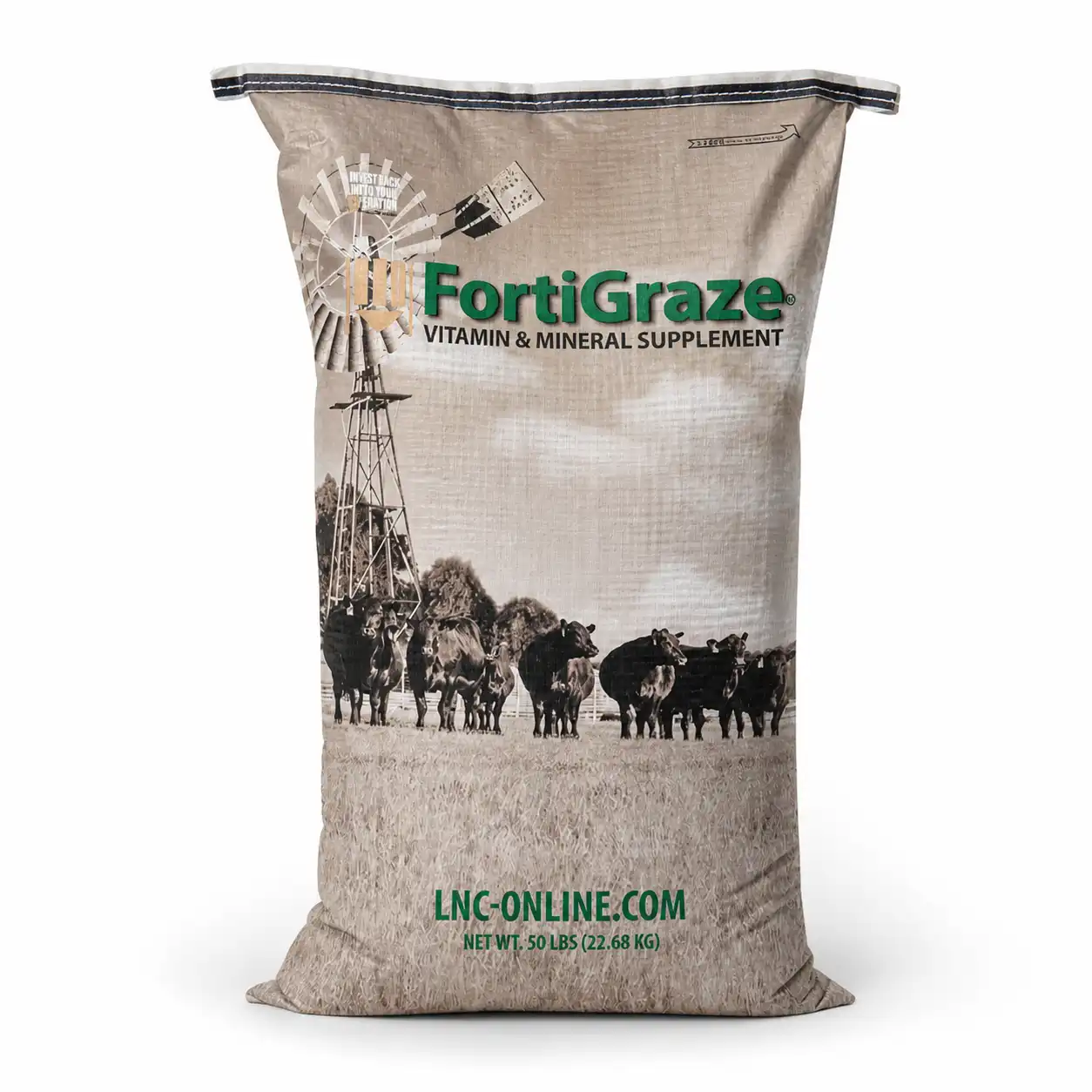
VIDEPAK Product Analysis of PP fabric bags for Industrial and Branded Packaging
VIDEPAK presents itself as a China-based industrial bag manufacturer with 100% virgin material positioning, production equipment sourced from Starlinger, exports to more than 70 countries, and stated annual output of 800 million bags. From a market perspective, that means the company is not only selling PP fabric bags; it is selling scale, process repeatability, and supply confidence across food, feed, agriculture, chemicals, and building materials. In other words: a bag is the product, but reliability is the brand.
VIDEPAK as a China scale supplier of PP fabric bags
In the industrial packaging market, buyers rarely choose on price alone. They choose on the quieter things that reveal themselves later: whether dimensions stay within tolerance from lot to lot, whether graphics remain aligned when a product moves from sample stage to mass production, whether closures behave the same in humid ports and dry warehouses, whether supply continues when the season peaks. That is where VIDEPAK’s stated scale matters. The company says it uses 100% virgin materials, operates with Starlinger equipment, employs more than 500 people, exports to over 70 countries, and has capacity of 800 million pieces per year, which is far above the “over 300 million pcs” benchmark often used to describe a major source of industrial woven packaging.
From the market department’s angle, this is an important commercial message. A buyer looking for PP fabric bags is not buying an isolated item; the buyer is buying continuity between extrusion, weaving, printing, conversion, inspection, shipping, and after-sales problem solving. Starlinger describes its textile packaging portfolio as covering tape extrusion lines, winders, circular looms, coating, printing, and sack conversion machinery, and it presents itself as a leading machinery supplier for woven plastic packaging. When a manufacturer builds around that kind of production logic, the story becomes stronger: tighter process control, better fabric consistency, cleaner geometry, and more predictable bag performance.
Scale
High stated annual output helps reduce procurement risk for recurring programs and seasonal demand peaks.
Precision
Starlinger-centered production logic supports consistent extrusion, weaving, coating, printing, and conversion.
Customization
The company’s product range includes PP woven bags, Valve bags, BOPP woven bags, PE sacks, paper sacks, and FIBC lines.
That positioning is commercially useful because the market for PP fabric bags is broad but not uniform. Cement wants flow and dust control. Rice wants strength and shelf appeal. Feed wants stack stability and print presence. Fertilizer wants moisture moderation and seam security. Resins want clean handling. The winning manufacturer is the one that can use one material family, one disciplined process chain, and many option sets to serve all those routes without losing control. That is the true meaning of a strong industrial packaging supplier: not one bag for every job, but the right bag for each job.
What PP fabric bags are and why polypropylene remains the core material
PP fabric bags are woven sacks made from drawn polypropylene tapes that are converted into a structural fabric and then finished by cutting, folding, sewing, coating, laminating, printing, or lining depending on the end use. The beauty of the format is simple and powerful at the same time: it behaves like a textile in structure, yet it keeps the converting flexibility of a thermoplastic. Strong, light, printable, durable—those are not marketing adjectives alone; they are the reason the format has become common from fertilizer yards to retail pet food shelves.
The material choice explains the business value. Official technical guidance from HMC Polymers states that polypropylene has outstanding resistance to water and many inorganic environments, resists most strong mineral acids and bases, and shows a 24-hour water absorption rate of 0.03% under ASTM D570. For packaging, that matters. It means the woven body does not become heavy simply because the route turns wet, and it also means the material is suitable for a broad range of dry bulk goods where chemical contact or humid logistics are real concerns.
The structure is layered on purpose. The woven body carries load. A coating closes pores and reduces dusting. A laminated film improves print quality and moisture resistance. A liner adds hygiene and seal support. The mouth and bottom design decide how the bag fills, closes, stacks, and survives transport. This is why a buyer should never ask only for “woven bags.” A better question is sharper and more useful: what is the fill weight, how fine is the product, what line will fill it, what climate will it cross, and what failure would cost the most if the bag underperformed?
Key commercial truth
A good PP fabric bags program does not begin with artwork. It begins with abuse: drop impact, stack pressure, rain splash, conveyor scuff, dust leakage, glare at barcode scanning, and line speed at filling. When the bag is designed against the abuse, the brand performs better in silence.
Process logic summarized from VIDEPAK’s technical content and Starlinger’s textile packaging machinery portfolio.
The specification language customers should read before they compare quotations
A serious quotation for PP fabric bags is built on technical language, not on vague promises. VIDEPAK’s own technical article frames the bag as a system and gives typical windows that buyers can use as a starting point: woven fabric around 80–120 gsm for many 5–25 kg programs, 100–160 gsm for many 20–50 kg programs, denier around 600–1100, and pick density around 10–14 ppi. Its open-top technical analysis adds further common practical ranges such as 700D–1400D tape and mesh around 10×10 to 12×12 for many industrial sacks. These are not fixed formulas. They are sensible starting bands that should then be tuned to product density, filling speed, seam demand, and drop-test target.
Typical specification windows summarized from VIDEPAK technical pages; final values should be confirmed per product, machine, and route.
The real progress for a buyer comes when those numbers connect to end use. Higher gsm may reduce damage claims, but it also raises resin use. A tighter mesh may reduce sifting, but it can change air release during filling. A laminated surface may look beautiful and protect print, but it changes friction and therefore stacking behavior. This is why the best suppliers do not sell a single “best bag.” They sell the best balance. Cost versus durability. Breathability versus barrier. speed versus cleanliness. Shelf image versus warehouse calm. A good package is a negotiated peace between these opposites.
For food and food-adjacent programs, customers also need a compliance frame. The U.S. FDA’s 21 CFR 177.1520 recognizes specified olefin polymers, including polypropylene, for use as articles or components of articles intended for food contact under defined conditions. That does not mean every bag is instantly “food grade” by default; it means resin choice, additive package, liner, printing system, and finished structure must all match the intended use and compliance path. It is a technical matter, not a slogan.
VIDEPAK option map from mouth design to bottom structure to visual features
The strength of VIDEPAK’s portfolio is not only that it can make PP fabric bags; it is that it can vary the geometry with purpose. One platform, many outcomes. One woven body, many performances. This is where product analysis becomes practical.
The Valve family for speed, dust control, and automated filling
Valve bags are built around a self-closing sleeve that fits onto a filling spout for fast, clean, low-dust dosing. In industrial terms, that means less open exposure during filling and higher suitability for powders and fine materials. VIDEPAK’s technical literature describes Valve bags as engineered sacks designed with a self-closing mouth, while other company content explains that Block Bottom Valve sacks fill cleanly on rotary packers, hold square pallets well, and perform strongly for cement and dry mortar when faces are coated or laminated. For customers running high-volume powder lines, the speed advantage is obvious; for customers shipping dusty products, the housekeeping advantage is equally important.
Block Bottom for square shape, calm pallets, and stronger shelf presence
Block Bottom bags use a squared, self-standing base that lets the pack stand upright and stack like a brick rather than slump like a pillow. The geometry solves a very old logistics problem with a very elegant answer: space. A more regular pack shape means better pallet density, cleaner faces, easier coding, and a neater retail or warehouse appearance. VIDEPAK’s block-bottom technical content describes these sacks as having a brick-like base and, when combined with a Valve mouth, a highly efficient format for dry bulk filling. For the market team, the message is strong and easy to understand: Block Bottom is not only a structural choice; it is a visual and logistical upgrade.
Open-mouth formats and Hemmed Open Mouth control
Open-top or open-mouth bags are still one of the most flexible formats in the woven packaging world. VIDEPAK describes open-top sacks as woven polypropylene bags supplied with an unsealed mouth that can work on manual, semi-automatic, and fully automatic open-mouth bagging lines across 5–50 kg programs. That flexibility is the reason the format remains so popular. It is forgiving, it is familiar, and it fits a wide range of products from grains and feeds to resins and mineral powders.
Within that family, Hemmed Open Mouth and top-hemmed designs matter more than they first appear to. VIDEPAK’s technical pages explain that a double folded edge at the mouth is essentially top hemming: the cut edge is folded and stitched to create a smoother, reinforced opening. Other company content adds that hemmed mouths reduce fray and help create more repeatable filling behavior. That is a small detail with large consequences. A clean mouth guides the spout better, feels better in filling operations, looks tidier in retail packs, and reduces loose filaments that can affect sealing or appearance. Small fold. Big effect.
Gusset structures for shape discipline and pallet efficiency
Gussets are side folds that open during filling and help the bag keep a more box-like profile. In VIDEPAK’s technical content, gusseted bags are described as improving shape and stack behavior, with common gusset dimensions often around 8–10 cm in many programs. Why does that matter? Because shape is a hidden cost driver. A bag that stacks neatly wastes less cube, photographs better, carries branding more clearly, and reduces pallet instability. A flat sack can work. A gusseted sack often works better when presentation and stacking are important at the same time.
Pinch-bottom constructions when a cleaner seal is worth more than simple sewing
Pinch-bottom constructions sit between open simplicity and higher sealing performance. VIDEPAK’s recent technical content describes pinch-bottom open-mouth bags as variants where the manufacturer closes one end at the factory while the customer fills from the remaining open end and then seals it, often through heat or a pinch-sealing step. Other company material describes pinch-bottom bags as using bonded sealing rather than needle sewing, which helps avoid stitch holes and can create a cleaner and more protective finish. In the market, that makes pinch-bottom structures attractive for flour, sugar, chemicals, and other products that benefit from a tighter close without giving up open-mouth filling convenience.
Double fold double stitched Bottom for reinforced sewn performance
The Double fold double stitched Bottom remains one of the most practical workhorses in woven bag converting. VIDEPAK describes this structure as a double-folded flat bottom sewn shut with high-strength polyester thread, creating an economical yet strong base; the company also notes that an LDPE tape can be applied over the seam to reduce leakage through stitch holes and improve water resistance. Other VIDEPAK content explains the same logic in broader terms: double fold and double seam designs increase safety factors, especially for heavier 50 kg bags and rougher handling conditions. This is exactly why the format is still so widely used. It is simple, scalable, familiar, and strong enough for many real-world routes. Not perfect for every fine powder. Very effective for a wide share of bulk goods.
Transparent windows and visual verification features
A Transparent Window is not a decoration alone. It is a trust tool. VIDEPAK’s product pages describe transparent-window options as useful for content visibility and checking, while its BOPP-window technical content says these features support visible product display in both industrial and retail-grade sacks. A good Transparent Window lets warehouse staff verify product quickly, lets consumers see grain, seed, or feed quality, and helps reduce the friction between “what the print promises” and “what the customer sees.” In a crowded market, that matters. The bag becomes both a container and a proof point.
Option logic summarized from VIDEPAK product and technical pages.
How these bag options match real filling lines and real products
Choosing among VIDEPAK’s options becomes easier when the decision is anchored in the customer’s actual route. Powders usually prefer controlled closure paths. Granules often allow more freedom. Consumer-facing goods need better graphics and clearer shape. Industrial bulk goods care more about seam safety, venting, and pallet calm. These are not abstract packaging theories. They are everyday choices that decide damage rates, bagging efficiency, warehouse appearance, and rework cost.
For building materials such as cement, dry mortar, tile adhesive, and gypsum-based products, the strongest VIDEPAK proposition is usually the combination of Valve architecture with Block Bottom geometry. The reasons are practical and proven: cleaner filling on rotary or other powder-oriented systems, tidier pallet edges, and better splash resistance when coated or laminated structures are used. This is a classic case of form following function. The product is dusty, so the mouth must control dust. The product is heavy, so the base must stay square. The warehouse is fast, so the pack must stack without drama.
For rice, sugar, flour, pulses, bird seed, and animal feed, the picture becomes more varied. Open-mouth sacks remain attractive because they work on many lines and support different closure methods. A Hemmed Open Mouth design improves the mouth edge and makes handling more refined. Gussets improve stack discipline and visual shape. BOPP lamination adds stronger graphics, anti-scuff protection, and often the possibility of a Transparent Window. Where the product is finer or the closure requirement is tighter, pinch-bottom or more protected sealing routes become increasingly attractive. In short: the same filled weight can lead to different designs because the route, the machine, and the brand promise are different.
Selection rule in one sentence
If the product is dusty, move toward Valve or stronger sealed structures. If the product must look premium, add lamination and possibly a Transparent Window. If the route is rough, reinforce the base with Double fold double stitched Bottom logic or move up to Block Bottom geometry. If the filling line varies, keep open-mouth flexibility and upgrade to Hemmed Open Mouth for better consistency.
Application alignment summarized from VIDEPAK technical and product content.
There is also a branding lesson here. In many markets, the pack is no longer judged only at the point of filling. It is judged when it arrives, when it stacks, when it photographs, when it is inspected by a distributor, when a customer touches it, and when a code is scanned under warehouse light. That is why features such as matte or gloss finish, anti-slip treatment, gusset shaping, and Transparent Window execution should not be treated as optional decoration. They alter handling, readability, and trust. A vivid pack that slips on a pallet is a poor pack. A strong pack that looks cheap on shelf misses value. The better path is balance. VIDEPAK’s option set is commercially useful because it gives room to build that balance.
Why VIDEPAK can turn bag options into a stronger market story
Many manufacturers can describe a woven sack. Fewer can explain the whole chain clearly: how tape orientation affects strength, how weave density changes dusting, how coatings improve splash resistance, how lamination protects print, how a Hemmed Open Mouth improves fill consistency, how Double fold double stitched Bottom constructions serve cost-sensitive high-volume programs, how Block Bottom formats calm the pallet, how a Valve sleeve improves powder filling. That full-language capability matters because today’s buyers ask better questions—and they should. They want performance, not generality. They want a specification, not a brochure.
VIDEPAK’s market strength therefore lies in a three-part narrative. First, scale: output well above 300 million pieces, with a published figure of 800 million annually, supports continuity and larger contracts. Second, process discipline: Starlinger-centered production logic aligns the critical stages of woven sack manufacturing, from tape extrusion to bag conversion. Third, portfolio depth: open-mouth, gusseted, premium laminated, Valve, Block Bottom, pinch-bottom, and windowed formats let the company answer many industries while staying inside the same woven polypropylene ecosystem. That is a rare combination of breadth and coherence. Broad enough to serve many markets. Coherent enough to sound technically credible.
For customers, the value is direct. The right VIDEPAK bag can reduce split seams, reduce powder leakage, improve bar code legibility, present graphics more clearly, hold pallet shape with less rework, and make product verification easier with window features where required. For the brand side, it can also make a simple but powerful promise visible at a glance: this product is packed with care before it is even opened. That is what good industrial packaging should do. Quietly, consistently, convincingly. It protects the goods, it protects the workflow, and it protects the reputation attached to both.
Final product view
VIDEPAK’s PP fabric bags portfolio is strongest when described not as a list of bag names, but as a controlled system of options built on woven polypropylene: Valve for speed, Block Bottom for shape, Hemmed Open Mouth for cleaner filling, gusset for stack order, pinch bottom for tighter finish, Double fold double stitched Bottom for reinforced sewn strength, and Transparent Window for visible trust. Different structures, one logic. Different applications, one manufacturing discipline. Different customer needs, one clear answer.
- VIDEPAK Product Analysis of PP fabric bags for Industrial and Branded Packaging
- VIDEPAK as a China scale supplier of PP fabric bags
- What PP fabric bags are and why polypropylene remains the core material
- The specification language customers should read before they compare quotations
- VIDEPAK option map from mouth design to bottom structure to visual features
- The Valve family for speed, dust control, and automated filling
- Block Bottom for square shape, calm pallets, and stronger shelf presence
- Open-mouth formats and Hemmed Open Mouth control
- Gusset structures for shape discipline and pallet efficiency
- Pinch-bottom constructions when a cleaner seal is worth more than simple sewing
- Double fold double stitched Bottom for reinforced sewn performance
- Transparent windows and visual verification features
- How these bag options match real filling lines and real products
- Why VIDEPAK can turn bag options into a stronger market story
In today’s packaging landscape, PP Fabric Bags have emerged as a popular choice across various industries due to their versatility, durability, and eco-friendliness. These bags, made from polypropylene, offer numerous advantages for both consumers and businesses. This article will delve into the specifics of PP sacks, discussing critical parameters such as product thickness, weight, size, and the weight range they can withstand. Understanding these specifications helps businesses and consumers make informed decisions when selecting packaging solutions.
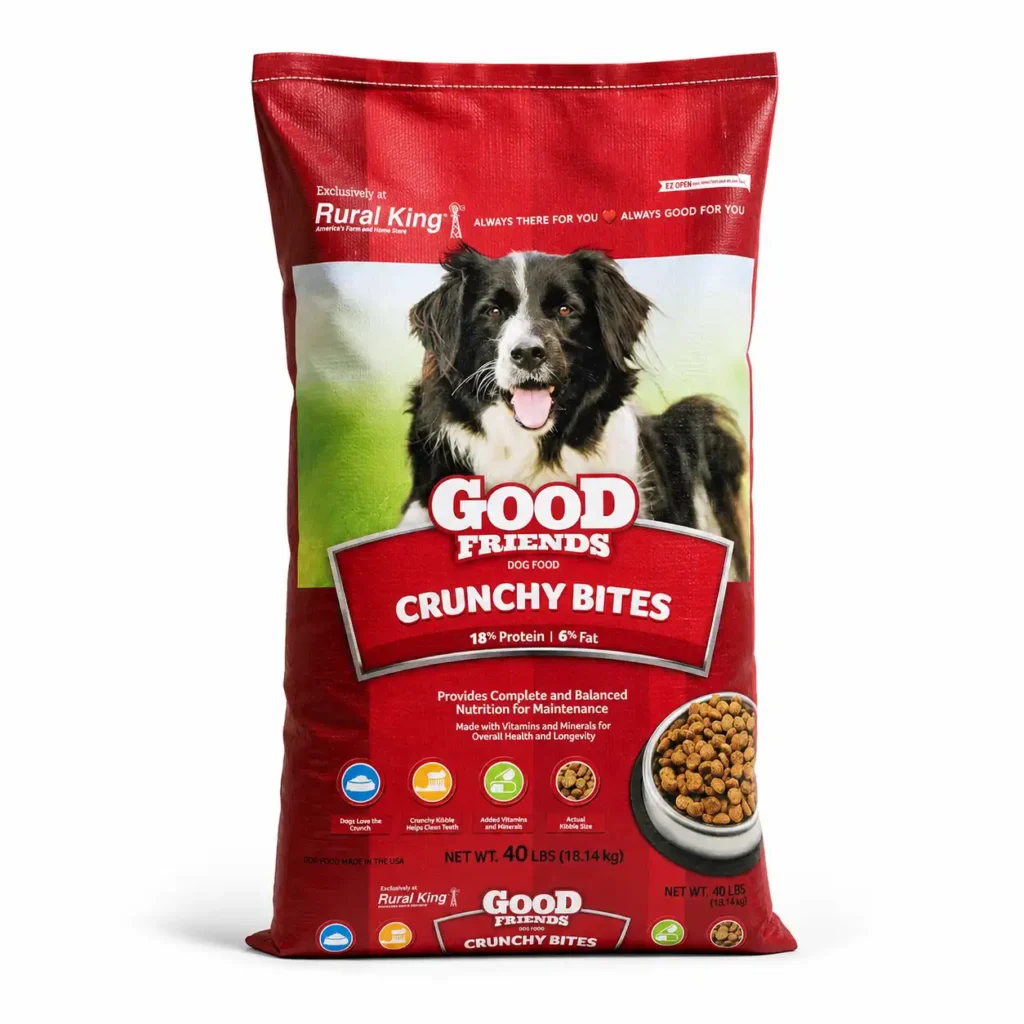
Sewn Open Mouth PP Bags
Durable sewn open mouth polypropylene fabric bags ideal for bulk packaging and easy filling operations.
Check More →SOM PP Fabric Bags Excellence
Explore the superior strength and versatility of Sewn Open Mouth PP fabric bags for various industrial uses.
Check More →Laminated PP Woven Bags
High-quality laminated polypropylene woven bags with enhanced protection and premium printing surface.
Check More →China SOM PP Bags Manufacturer
Reliable Chinese manufacturer of custom sewn open mouth PP fabric bags with strict quality controls.
Check More →Overview of PP Fabric Bags
PP Fabric Bags are constructed from woven polypropylene, a material known for its strength and resilience. Unlike traditional plastic bags, which may tear easily, PP bags provide superior durability, making them ideal for carrying heavy items. They are often used in various applications, including agriculture, food storage, and retail.
- Eco-Friendliness: PP bags are recyclable and can be reused multiple times, reducing environmental impact compared to single-use plastics.
- Cost-Effectiveness: Due to their durability, businesses find that investing in PP bags can lead to cost savings in the long run.
- Customizability: These bags can be tailored to meet specific needs in terms of size, design, and functionality.
Key Parameters of PP Fabric Bags
When evaluating PP Woven Sacks, it is essential to consider various product specifications. These specifications influence the bag’s performance and suitability for different applications. Below, we explore key parameters:
- Product Thickness:
- The thickness of PP fabric bags can vary significantly, typically measured in millimeters (mm) or microns. A thicker bag will generally offer greater durability and resistance to wear and tear. Common thicknesses range from 80 microns for lighter applications to 200 microns for heavy-duty use.
- Product Weight (Grammage):
- The weight of the fabric is measured in grams per square meter (gsm). Higher gsm indicates a denser, stronger fabric. Common weight ranges for PP sacks are:
- Light Duty: 50-80 gsm
- Medium Duty: 80-120 gsm
- Heavy Duty: 120-200 gsm
- Product Size:
- Sizes of PP fabric bags can be customized to fit specific requirements. Common dimensions include:
- Small: 20×30 cm
- Medium: 40×60 cm
- Large: 60×90 cm
- Custom sizes can also be designed based on customer needs.
- Weight Capacity:
- The maximum weight a PP bag can hold depends on its thickness and construction. Generally, PP bags can support weights ranging from 10 kg for lighter models to over 50 kg for heavy-duty versions.
Comparative Analysis of Bag Types
The following table summarizes the key parameters and benefits of different types of bags, including PP Fabric Bags:
| Parameter | PP Fabric Bags | PP Sacks | HDPE Woven Bags | Poly Bags |
|---|---|---|---|---|
| Material | Polypropylene | Polypropylene | High-Density Polyethylene | Polyethylene |
| Thickness | 80-200 microns | 80-200 microns | 50-100 microns | 10-50 microns |
| Weight Capacity | 10-50 kg | 5-25 kg | 5-30 kg | 1-10 kg |
| Custom Sizes | Yes | Yes | Limited | Yes |
| Recyclability | Yes | Yes | Yes | No |
Advantages of Choosing PP Fabric Bags
- Durability: One of the primary reasons for using PP Woven Sacks is their strength. They can withstand harsh conditions, making them suitable for transporting various materials, including agricultural products, chemicals, and food items.
- Lightweight: Despite their strength, PP bags are relatively lightweight compared to other materials like HDPE woven bags, which helps reduce shipping costs.
- Water Resistance: PP fabric bags are inherently water-resistant, making them ideal for outdoor applications or products that require protection from moisture.
- Ease of Printing: The surface of PP bags allows for high-quality printing, enabling businesses to brand their products effectively.
- Versatile Applications: Woven Bag Suppliers provide a wide range of options, catering to industries such as agriculture, construction, food packaging, and retail.
Societal and Economic Impacts
The rise in the use of PP Fabric Bags has not only economic implications but also societal benefits. The transition from single-use plastic to reusable and recyclable options represents a significant step toward sustainability.
- Reduced Plastic Waste: By opting for PP bags, industries can significantly decrease their plastic waste footprint. This is crucial in combating global plastic pollution.
- Support for Recycling Programs: As more businesses adopt PP sacks, they contribute to the development of recycling infrastructure, promoting a circular economy.
- Cost Savings for Businesses: Investing in durable PP fabric bags can reduce the frequency of repurchases and waste management costs, translating into better profit margins.
- Consumer Preference: Increasing awareness of environmental issues has led consumers to favor brands that utilize sustainable packaging solutions. This shift can enhance a company’s market position.
Conclusion
In conclusion, PP Fabric Bags offer a versatile and sustainable packaging solution suitable for a wide range of applications. Understanding product specifications such as thickness, weight, size, and weight capacity allows businesses to choose the right bags for their needs. The durability, lightweight nature, and eco-friendliness of these bags make them an excellent choice for both consumers and manufacturers. As industries continue to evolve, the demand for innovative and sustainable packaging options like PP Woven Sacks is likely to grow, fostering a healthier environment and more efficient economic practices.
References
- Chen, J. (2021). “The Benefits of Polypropylene in Packaging Solutions.” Journal of Material Science, 56(3), 245-257.
- Smith, A. (2020). “Recyclability of Modern Packaging Materials: A Study.” Packaging Technology Review, 38(2), 112-118.
- Johnson, R. (2022). “Advancements in Woven Bag Manufacturing.” International Journal of Packaging Science, 29(1), 77-89.