
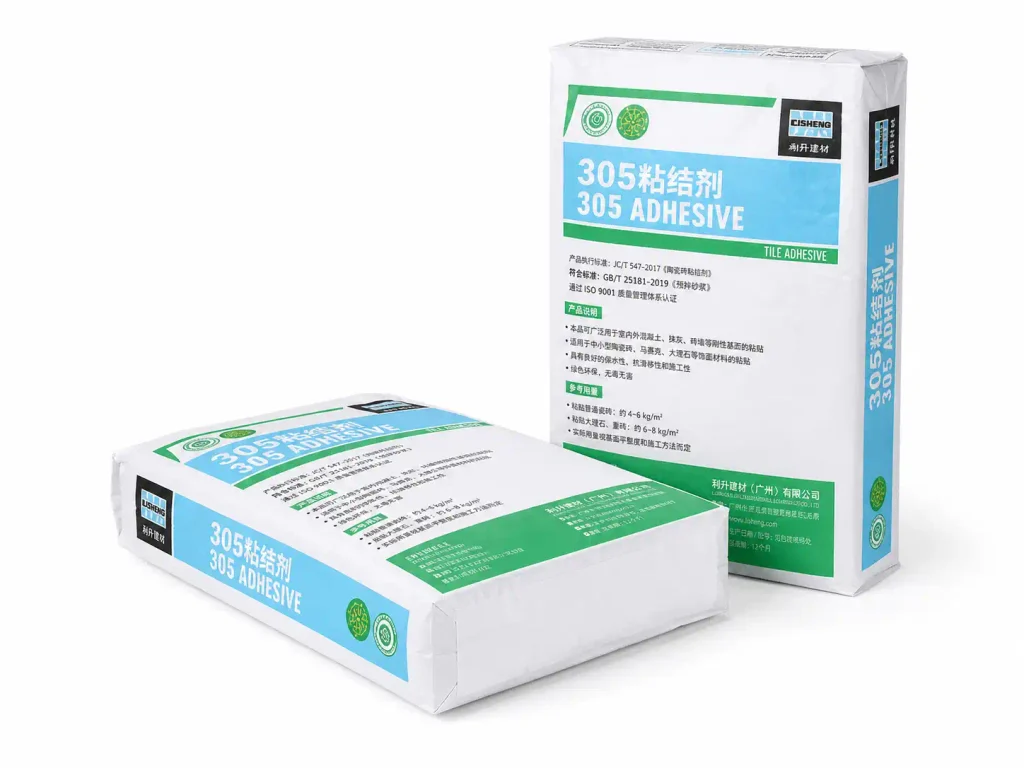
VIDEPAK Multiwall Paper Bags: A Practical Guide to Multiwall Paper Bags with PE Liner, Block Bottom and Open Mouth Packaging
Industrial packaging looks simple only from a distance. A paper sack may appear to be nothing more than several sheets of kraft paper folded into a familiar shape, yet the performance of the finished package depends on a chain of connected decisions: paper strength, number of plies, barrier design, air release, bottom geometry, filling method, closure system, printing, pallet behavior and the conditions the package will meet after it leaves the filling line.
At VIDEPAK, we approach multiwall paper bags as engineered packaging systems rather than commodity sacks. The goal is not simply to add more paper. The goal is to put the right material in the right place, give air a controlled path out, keep product where it belongs, create a stable package for transport, and provide a printable surface that continues to communicate the brand from production floor to warehouse to final customer.
This is especially important when buyers compare multiwall paper bags, multiwall paper bags with PE liner, block bottom designs and open mouth designs. These terms are closely connected, but they do not describe the same thing. Multiwall paper bags describe the wall construction. Multiwall paper bags with PE liner add a separate barrier component. Block bottom describes a bottom geometry. Open mouth describes how the bag is presented for filling.
The key idea: do not ask only, “Which paper bag is strongest?” Ask instead, “Which combination of wall structure, barrier, bottom and filling opening gives my product the lowest packaging risk and the smoothest filling process?” Stronger is useful. Better matched is more useful.
Understanding the VIDEPAK Product Architecture
A practical way to understand VIDEPAK paper sacks is to stop treating every feature as a separate bag category. In real packaging development, the features overlap. A three-ply multiwall paper bags project can use a sewn open mouth. Another version can use a pasted block bottom. A third can become multiwall paper bags with PE liner when the packed product requires additional moisture control. A valve can also be combined with a block bottom. The architecture changes according to the product and filling process.
Four Design Coordinates, One Complete Bag
WALL
Choose the ply structure of multiwall paper bags according to load, handling, puncture risk, print and required stiffness.
BARRIER
Move to multiwall paper bags with PE liner when humidity, fine-particle containment or inner sealing needs greater attention.
BASE
Use a block bottom when a flatter, more rectangular base can improve standing shape, presentation and pallet geometry.
FILLING
Select an open mouth structure when the product should enter through a broad top opening before the final closing step.
Thinking in these four coordinates makes specification easier. It also prevents a common purchasing mistake: comparing bags by price before confirming whether the structures perform the same job. Two multiwall paper bags of identical outside dimensions may behave very differently if one has more extensible paper, another has a PE inner tube, one uses a pasted base and the other is sewn, or one is designed to vent a powder rapidly during filling.
VIDEPAK Multiwall Paper Bags: Strength Created Layer by Layer
Multiwall paper bags are industrial paper sacks constructed from multiple plies of sack kraft paper. Depending on the product, transport route and required barrier properties, practical VIDEPAK structures can be developed with approximately two to five paper plies, while individual kraft plies are commonly selected within roughly 70–120 g/m² engineering ranges. These are design windows rather than mandatory specifications; the correct paper grade and ply count should be confirmed against the filled product and its handling conditions.
The reason for using several plies is not difficult to understand. One ply can contribute a clean print surface. Another can contribute tensile strength. Another can increase puncture resistance and stiffness. By spreading different jobs across the construction, multiwall paper bags can carry dry powders, granules and other industrial products without forcing every performance requirement onto a single sheet of paper.
Yet more layers do not automatically mean a better sack. A heavy five-ply structure may be unnecessary for a moderate load moving through a controlled domestic distribution route. A carefully engineered three-ply structure may perform better on a fast powder line if its paper strength and porosity are correctly selected. Material should follow risk, not habit.
Building the Wall System Around Real Product Behavior
For powders, one of the most important characteristics of multiwall paper bags is controlled air release. When powder enters a sack quickly, it carries air with it. That air must escape. If the package cannot release displaced air at the required rate, filling may slow down, the bag may inflate excessively, and pallet shape may become less consistent. Sack kraft paper is therefore valued not only for strength but also for the possibility of combining strength with controlled porosity.
For coarse granules, the balance changes. Puncture, abrasion and local impact may become more important than extremely fast air evacuation. For retail-facing products, surface quality and print become more important. For long-distance export logistics, compression, humidity exposure and repeated handling must also enter the specification.
VIDEPAK Engineering Principle
A good specification for multiwall paper bags starts with the product, not with the bag. Particle size, bulk density, oil content, moisture sensitivity, filling speed, filled weight, storage climate, pallet pattern and route risk should guide the paper construction.
VIDEPAK can configure natural brown kraft or white kraft appearances, different ply structures, flat or gusseted bodies, printed outer plies, valve designs, open mouth designs, block bottom structures and PE liner options. This allows the package to be treated as one system rather than a collection of unrelated options.
Typical applications for multiwall paper bags include flour, starch, sugar, grains, seeds, animal nutrition products, minerals, dry construction materials, cement-related products, fertilizers, chemical powders, additives and other dry industrial materials. Each sector asks a different question. Food ingredients may prioritize hygiene and inner protection. Construction materials may prioritize filling speed, strength and dust control. Agricultural products may require a balance of ventilation and moisture management. The material is similar; the engineering target is not.
When Multiwall Paper Bags with PE Liner Add the Right Barrier
Paper provides strength, shape, printability and useful breathability, but some products need more. Humidity may cause a powder to cake. Fine particles may search for every possible escape path. The packed material may require greater separation from the paper wall. In those situations, multiwall paper bags with PE liner add a polyethylene inner tube or inner bag to the paper structure.
This changes the performance logic. In multiwall paper bags with PE liner, the paper plies remain the structural framework while the PE component provides a more direct barrier against moisture movement and particle escape. VIDEPAK can develop sleeve-in liner arrangements or integrated inner-bag solutions according to the required filling and closing system.
Typical PE liner thicknesses for industrial paper sacks may fall around 25–80 μm, but liner thickness should never be selected by copying another application. A thicker liner increases material use and may change the way air leaves the package. A very thin liner may not provide sufficient resistance to handling or puncture. The correct solution sits between extremes.
Barrier Warning
Multiwall paper bags with PE liner should be designed around both protection and de-aeration. A liner that blocks moisture effectively can also restrict air release during fast filling. Liner venting, paper porosity, perforation strategy and filling speed therefore need to be considered together.
For moisture-sensitive salts, fertilizers, sugars, starches, selected food ingredients, chemical powders and specialty additives, multiwall paper bags with PE liner can provide a useful middle ground: the strong paper appearance remains outside while a functional plastic barrier works inside. The result combines presentation with protection, paper with polymer, structure with barrier.
The PE liner can also influence the closure. An open mouth package may allow the inner liner to be separately heat sealed before the outer paper mouth is sewn, folded or otherwise closed. This can improve containment for sensitive contents. In other cases, the liner is coordinated with a valve structure. The correct architecture depends on the customer’s filling equipment and required end seal.
There is also an end-of-life trade-off. Paper-dominant structures can offer a simpler material story, while multiwall paper bags with PE liner introduce a plastic component that may need separation depending on local collection and recycling systems. For this reason, VIDEPAK favors an application-led approach: use the barrier that the product genuinely needs rather than adding material simply because it is available.
Why Block Bottom Geometry Changes More Than Appearance
The term block bottom describes the geometry of the bag base. Instead of ending in a simple flat seam, the lower section is folded and pasted into a more rectangular, plate-like shape. After filling, a properly designed block bottom can help the package form a compact footprint and a visually ordered pallet.
This matters because packaging performance continues after the bag has been filled. A pallet may carry dozens of sacks. Small differences in filled shape repeat across every layer. A bag that forms consistently can support cleaner stacking; a bag that bulges unpredictably can make the pallet less efficient. Geometry becomes logistics.
A block bottom can be used in more than one sack architecture. This is an important distinction. Buyers sometimes treat block bottom and open mouth as competing product names, but they describe different parts of the design. A pasted open mouth sack can have a block bottom. A valve sack can also use a block bottom. One term describes the base; the other describes filling access.
Think of a block bottom as packaging geometry with a job: form a predictable base, control the filled footprint, create useful printable areas and help the sack behave more like a compact unit during stacking and presentation.
For building materials, powders, minerals, agricultural products and selected food applications, the practical value of a block bottom can include improved filled shape, a broader support area and better use of pallet space. In retail-oriented applications, a neat base can also support shelf presentation. In industrial applications, the same design is less about beauty and more about controlled geometry.
The bottom still has to survive impact. The pasted areas, fold dimensions, paper selection and product weight must therefore work together. A visually perfect block bottom is of little value if the bottom bond is not matched to a demanding drop environment. The bag is a structure. Every fold carries force.
Why Open Mouth Bags Remain a Flexible Filling Platform
An open mouth paper sack arrives at the customer’s packing operation with the top substantially open. Product enters through that broad opening, after which the mouth is closed by the selected method. Simple idea. Wide design freedom.
The open mouth format is attractive because it can accommodate many dry products and several filling systems, including gravity and controlled spout filling. It can also support different final closures. A sewn open mouth sack may be closed with stitching and tape. A pinch-style open mouth sack can use an engineered fold and adhesive system. A pasted open mouth sack combines a preformed pasted base with a broad filling opening at the opposite end.
This flexibility makes open mouth designs relevant for grains, feed, seed, food ingredients, pet-care products, minerals, chemicals and dry industrial blends. Products do not all flow in the same way. Some fall quickly. Some bridge. Some generate dust. Some carry large volumes of air. The wide opening gives equipment designers and plant operators room to manage these differences.
PRODUCT STUDY
Density, particles, moisture, dust
BAG STRUCTURE
Paper plies and optional liner
FILLING DESIGN
open mouth or valve
CLOSURE
Sewn, pinch or sealed liner
VALIDATION
Fill, drop, stack and storage trials
When an open mouth structure is combined with multiwall paper bags with PE liner, two closing systems can sometimes work together: the liner can provide the inner seal while the paper mouth provides external mechanical support and presentation. This arrangement is particularly useful when the packed product needs stronger protection than plain paper alone would provide.
Sewn open mouth bags remain practical where robust, familiar closing equipment and production flexibility are important. Pinch-style open mouth designs can reduce or eliminate needle holes across the mouth, supporting better fine-powder containment when the total structure is properly engineered. Pasted open mouth designs with a block bottom can add a more box-like footprint. Different closing philosophies, different advantages.
Selecting the Right VIDEPAK Combination for Your Product and Filling Line
The most effective industrial paper sack usually comes from combination rather than compromise. Start with multiwall paper bags when the primary need is a strong, printable, paper-based package for dry products. Add a PE barrier and develop multiwall paper bags with PE liner when moisture sensitivity, sifting or inner sealing creates additional risk. Choose a block bottom when the filled base needs controlled geometry. Select an open mouth architecture when broad filling access and post-fill closure fit the production process.
Then test the combination as a complete system.
A Bag Specification Should Answer These Questions
What is the filled weight? What is the product’s bulk density? Does the product contain very fine particles? How much air enters during filling? Is humidity a serious risk? Will bags be stored indoors or face difficult export conditions? How many handling steps occur before use? What closure equipment is installed? What pallet pattern is required? Which surfaces need printing? The answers define the bag.
Consider flour. A customer may begin with breathable multiwall paper bags, then decide whether a liner is necessary according to shelf-life, hygiene and humidity needs. Consider fertilizer. Moisture sensitivity may move the project toward multiwall paper bags with PE liner, while the bottom and closure are selected according to filling equipment. Consider dry mortar. Fast filling and pallet geometry may place greater importance on controlled de-aeration and a block bottom. Consider seed or feed. A gusseted open mouth structure may provide a straightforward filling and closing route.
The common lesson is simple: no keyword should become a specification by itself. Multiwall paper bags need the right paper. Multiwall paper bags with PE liner need the right barrier and venting strategy. A block bottom needs the right fold geometry and bonding. An open mouth needs the right closing system. Each decision supports the next.
Dimensions must also follow product volume rather than nominal weight alone. Twenty-five kilograms of a dense mineral and twenty-five kilograms of a light powder may require very different bag volumes. Width, length and gusset depth should therefore be developed from bulk density, required headspace, closure allowance and filling-spout geometry. For many 25–50 kg industrial projects, market dimensions can fall broadly around 350–600 mm in width and 500–1,100 mm in length, with gussets commonly engineered according to the desired filled cross-section. Final dimensions remain customer-specific.
Printing deserves equal attention. The outer surface of multiwall paper bags is not dead space; it is working space. Front panels can carry brand identity and product names. Back panels can carry handling instructions and technical information. Gussets can identify grades when the bags are stacked. A block bottom may also create another useful information area depending on the design. Good printing sells the product, but well-positioned printing also helps warehouses identify it.
Why VIDEPAK Builds the Bag Around the Whole Packaging Process
VIDEPAK has been producing heavy-duty industrial packaging since 2008 and serves international markets with a broad portfolio that includes kraft paper sacks, valve bags, woven packaging, laminated packaging and heavy-duty polyethylene solutions. With more than 500 employees, production scale designed for large international orders, and exports reaching more than 70 countries, VIDEPAK combines manufacturing capacity with application-driven customization.
For buyers of multiwall paper bags, that broader packaging background matters. The best answer is not always simply “paper” or “plastic.” Sometimes it is paper alone. Sometimes it is multiwall paper bags with PE liner. Sometimes the customer’s equipment points toward an open mouth design; another customer’s line may require a valve. Some applications benefit from a block bottom; others prioritize simple sewn construction. Material follows function. Function follows the process.
Our product-development logic moves through a clear sequence: understand the packed material, understand the filling machine, establish the required protection, design the paper and liner structure, choose the bottom and closure, position the artwork, then validate the finished package under realistic conditions. This avoids the expensive mistake of solving one problem while creating another.
Protect. Fill. Stack. Communicate.
That is the complete job of modern multiwall paper bags. Protection without filling efficiency wastes production time. Filling efficiency without strength creates logistics risk. Strength without stable geometry can weaken pallet performance. A strong package without clear printing wastes a valuable brand surface. The best sack connects every requirement.
For customers seeking a paper-first packaging solution, standard multiwall paper bags offer a strong starting point. For customers facing greater moisture or sifting risk, multiwall paper bags with PE liner add a targeted internal barrier. Where rectangular geometry and stable presentation are priorities, a block bottom can improve the way the filled package forms. Where wide filling access and flexible closing are priorities, an open mouth structure offers a proven platform.
These options do not compete. They cooperate.
A customer may specify three- or four-ply multiwall paper bags, add a PE inner tube to create multiwall paper bags with PE liner, choose a pasted block bottom for stable geometry, and retain an open mouth top for the existing filling system. Another project may remove the liner to simplify the material structure. Another may change from an open mouth to a valve because higher-speed powder filling becomes the priority. The best solution changes when the problem changes.
That is why VIDEPAK treats specification as an engineering conversation rather than a catalogue exercise. Paper grade can change. Ply count can change. PE liner thickness can change. The block bottom dimensions can change. The open mouth width and closure can change. Gussets, perforation, anti-slip treatment, printing layout and easy-opening features can change. What should not change is the objective: reliable packaging from filling line to final use.
VIDEPAK Product Positioning
Choose multiwall paper bags for engineered paper strength. Choose multiwall paper bags with PE liner when the product needs added barrier protection. Choose a block bottom when geometry matters. Choose an open mouth when filling flexibility matters. Combine them when your application requires more than one advantage.
The final package should not be heavier than necessary, more complex than necessary or more expensive than necessary. It should simply be strong enough, protective enough, fast enough to fill, stable enough to travel and clear enough to sell the product it carries. That balance is where multiwall paper bags create their real value—and where VIDEPAK turns paper, barrier, geometry and closure into one complete industrial packaging solution.