
VIDEPAK Block Bottom Valve Bags: Product Architecture, Valve Options, and Buyer Selection Guide
For dry powders and granules, the bag is not merely a container. It is part of the filling machine, part of the dust-control system, part of the pallet, and part of the brand. From VIDEPAK’s market perspective, the block bottom valve bag category is best understood as two main product families: Multiwall Paper valve bags, often called pasted valve stepped-end or PVSE sacks, and block bottom polypropylene valve bags. Both families use a corner valve for fast filling and a squared body for stable stacking, yet they create value in different ways: paper offers a familiar natural surface and controlled porosity; woven PP offers high tear strength, moisture resistance, and low packaging weight.
Core buying principle: do not select a valve bag by material alone. Select the complete system—product flow, particle size, entrained air, moisture risk, filling spout, closure method, pallet pattern, transport route, print target, and recycling route. A good bag fills fast. A better bag fills fast, closes cleanly, survives handling, and remains easy to specify again.
The Market Logic Behind Block Bottom Valve Bags
One Geometry, Two Material Routes
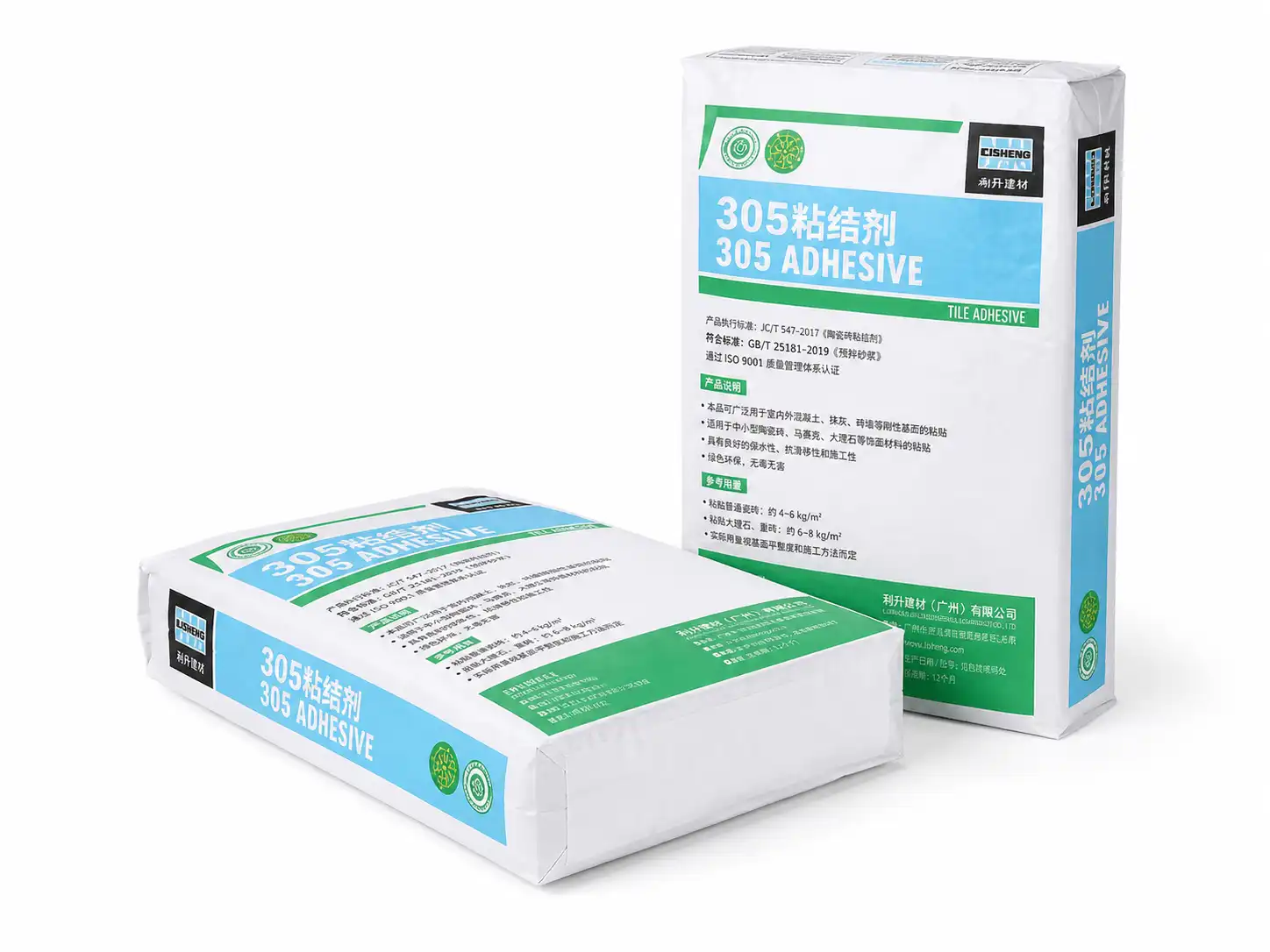
A block bottom valve bag is factory closed at both ends except for a valve opening at one corner. During packing, a horizontal spout enters the valve, and product is moved by air pressure, an impeller, gravity assistance, or an auger. When the bag leaves the filler, internal product pressure helps flatten or close the valve. The rectangular base then supports a brick-like pack shape, which improves pallet order and exposes broad panels for product information. For paper PVSE sacks, stepped plies are pasted so that each paper layer bonds into the end structure; for PP Valve bags, coated woven fabric is formed and commonly welded into the block bottom without a sewn bottom seam.
Family A: Paper-Based PVSE
The body uses one or more kraft-paper plies, with optional film or coated barriers. The main closure choices are Paper Insert, Poly Lock, Tuck-In Sleeve, and Sonic Seal. The package gains its balance from paper strength, stretch, porosity, pasted ends, valve design, and optional anti-skid or barrier layers.
Family B: Woven PP Block Bottom
The body uses oriented PP tapes woven into fabric, normally coated or laminated before conversion. Common valve choices are Sonic Seal, Tuck-In Sleeve, and the standard internal sleeve. The package gains its balance from fabric GSM, tape strength, coating, micro-perforation, valve fit, and welded bottom geometry.
Family One: Multiwall Paper valve bags and PVSE Valve Options
How the PVSE Construction Works
Multiwall Paper valve bags are often described as PVSE sacks because the pasted valve stepped-end design uses offset paper plies at the ends. These stepped layers allow each ply to be pasted into the closed end instead of being cut in one straight line. The bag is filled through the corner valve, while the paper body releases the air carried by the powder. Depending on the product, the structure may use extensible kraft paper, multiple paper plies, perforation patterns, an embedded PE film, an inner barrier, or an outer treatment. Industry reference guides describe paper valve bags with one to six plies and capacities from 25 to 100 lb, while VIDEPAK markets multiwall kraft structures, valve designs, PE-coated options, and paper-laminated woven variants; final construction must be confirmed by filling and transport trials rather than chosen from a generic range alone.
Why venting management matters: powder may enter the bag with a large volume of air. If air leaves too slowly, the bag fills soft, the cycle time rises, and the pallet shape becomes less stable. If vent holes are too open, fine product may escape. The design task is therefore a controlled contradiction: release air quickly, retain product tightly. Paper porosity, offset perforations, micro-perforation, and under-valve venting are tools for finding that balance.
Paper Insert: Simple, Stronger, and Cost-Focused
A Paper Insert is a strip or tube of paper pasted into the valve opening. Its purpose is direct: reinforce the valve, guide the filling spout, and improve resistance to sifting compared with an unreinforced opening. It is generally the most economical paper-valve choice, which makes it attractive for free-flowing products where the natural self-closing action is sufficient and a hermetic closure is not required. A Paper Insert also supports a paper-led material story because the valve reinforcement can remain paper-based, although any barrier films or coatings elsewhere in the sack still affect the final recycling route.
Poly Lock: Rigid Sift Control at the Valve
Poly Lock uses polyethylene film pasted into the valve area to create a more rigid and sift-resistant opening. Compared with a Paper Insert, the plastic component can improve the way the valve grips, collapses, or blocks fine material after filling. This makes Poly Lock useful for powders that tend to migrate through small gaps, as well as products that need more moisture control around the valve. However, Poly Lock should not be presented as automatically airtight; actual closure performance depends on the valve geometry, product pressure, film design, and whether an added sealing step is used.
Tuck-In Sleeve: Visible Manual Closure
A Tuck-In Sleeve is an extended outer sleeve that is folded and pushed into the valve by an operator after filling. It creates a clear, physical closure without requiring an ultrasonic sealing unit. A thumb notch may be added to improve presentation and handling at the packing machine. The key benefit is flexibility: the customer can gain a more positive closure than a basic self-closing valve while keeping the line mechanically simple. The key limitation is labor dependence: closure quality can vary with operator speed, fold depth, powder contamination, and shift discipline.
Sonic Seal: Automation and High Closure Integrity
A paper-bag Sonic Seal valve uses an extended sleeve with a sealable film or coating. After filling, ultrasonic energy joins the thermoplastic surfaces, creating a strong closure without relying only on product pressure. This option is important when customers need cleaner pallets, reduced dust escape, higher automation, or a more secure barrier at the valve. Industry guidance specifically links extended coated sleeves with ultrasonic hermetic sealing, while filler specialists note that sonic-sealed bags are often selected for automated lines because the operator does not need to tuck the valve manually.
The commercial promise of Sonic Seal must be supported by process control. Sealable surfaces must be clean; sleeve length must match the sealing head; the valve must arrive in the correct position; and sealing energy, pressure, and dwell must stay inside a validated window. ASTM F88/F88M provides a method for measuring flexible seal strength, while gross-leak methods such as ASTM F2096 can support package-integrity checks where the package design allows them.
Family Two: Block Bottom PP Valve Bags and Their Valve Options
The Woven PP Body: Light in Weight, High in Mechanical Strength
Block bottom PP valve bags begin with polypropylene that is extruded into tapes, stretched to build strength, woven into fabric, then coated or laminated before block bottom conversion. The woven structure gives strong tear and puncture performance at a relatively low bag weight. Coating helps control product leakage and moisture entry; micro-perforation can restore the air-release rate needed by fast powder filling. Hot-air-welded bottom construction removes the needle holes associated with sewing and creates a compact, squared sack. Industry equipment data also show that properly engineered woven PP sacks can carry heavy dry goods at much lower tare weight than multi-ply paper alternatives, although each customer must compare complete life-cycle conditions rather than weight alone.
VIDEPAK market position: a professional PP valve bags manufacturer should sell a tuned package, not a generic woven sack. Fabric weight, weave density, coating, valve sleeve, perforation map, bottom weld, print layer, anti-slip behavior, and bag dimensions must work together. Strength without venting slows the line. Venting without sift control dirties the line. Barrier without fold durability may crack. The best specification is balanced, not extreme.
Sonic Seal for PP Valve Bags
In PP valve bags, a Sonic Seal sleeve provides a sealable extension that can be closed after filling by ultrasonic energy. Because PP-based surfaces respond well to controlled thermal or ultrasonic joining, the valve can become a strong point of dust containment and automation. This is often the preferred route for very fine powders, higher hygiene targets, or lines designed to minimize manual contact. Yet the valve sleeve is only one part of the seal system. Surface treatment, coating thickness, sleeve flatness, powder contamination, and sealing-head alignment all affect the result. A capable PP valve bags manufacturer should therefore request the filler and sealer model, spout diameter, target speed, and product sample before final approval.
Tuck-In Sleeve for PP Valve Bags
The PP Tuck-In Sleeve follows the same practical idea as the paper version: an extended sleeve is manually folded into the valve after the bag is filled. It gives the operator a visible closure and avoids investment in a dedicated sealing station. For seasonal plants, changing products, or moderate production rates, this can be a sensible balance of equipment cost and bag security. PP film and coated woven surfaces can be springier than paper, however, so the sleeve geometry, fold memory, and operator method must be proven on the actual line. A PP valve bags manufacturer should not simply copy a paper-valve dimension into PP; the materials bend, slide, and recover differently.
Standard Internal Sleeve: Fast Self-Closing Simplicity
The standard internal sleeve is the simplest common PP valve bags. The filling spout enters the corner opening, product flows into the bag, and the inner flap is pressed closed by the packed product when the bag leaves the machine. Packaging-line guidance describes this inner-sleeve format as widely used and compatible with automatic bag placers because it does not require an operator to close every bag. Its strengths are speed, low closure complexity, and economical conversion. Its limitation is equally clear: it is self-closing, not automatically hermetic. Very fine, low-density, or fluidized powders may still demand a tighter sleeve, an added film component, or a Sonic Seal.
What the Two Families Share—and Where They Differ
The Shared Engineering Platform
Multiwall Paper valve bags and block bottom PP valve bags solve the same operating problem. Both must receive a horizontal filling spout, accept product quickly, release displaced air, reduce product sifting, close the valve, form a stable rectangular pack, survive drops and compression, and present readable print on the pallet. Both can use a Tuck-In Sleeve or Sonic Seal. Both require valve position to match the line. Both can fail when the bag is treated as a stand-alone item rather than part of the packing system.
Their shared design logic can be stated in four short lines: air out, product in; valve closed, dust controlled; bag square, pallet stable; print clear, brand trusted. This parallel structure is more than language. It is the real product brief.
The Material Differences That Change Performance
From Product Data to a Working Specification
A Practical Selection Flow
Bulk density, particle size, flow, moisture sensitivity, temperature
Spout size, filling method, output, bag placer, sealing unit
Paper PVSE or woven PP block bottom
Self-closing, Tuck-In Sleeve, Poly Lock, Paper Insert, or Sonic Seal
Fill, seal, drop, stack, ship, review, freeze specification
The first decision is product behavior. Fine cement-like powder needs a different vent-and-valve balance from plastic granules. Hygroscopic fertilizer needs a different barrier from dry mineral aggregate. Food ingredients may add odor, migration, hygiene, and traceability requirements. The second decision is machine behavior. Valve lay-flat width, sleeve length, valve position, bag length, bottom width, and finished cubic volume must match the line. Cubic capacity cannot be predicted perfectly from empty dimensions alone because entrained air and product density change the filled shape; filling trials remain essential.
Failure Modes the Specification Must Prevent
Valve leakage often begins with a mismatch: a spout smaller than the valve, a sleeve too short for the sealer, powder on the sealing face, or a self-closing valve applied to a product that behaves like a fluid after aeration. Slow filling often begins with the opposite mismatch: barrier performance was increased, but venting was not redesigned. Bag breakage can begin at a sharp fold, a weak pasted area, a thin coating, a damaged roll edge, or a pallet corner. Leaning pallets can begin with the wrong filled dimensions, excess trapped air, low surface friction, or inconsistent net weight. Each defect has a visible symptom and a system cause.
Commercial lesson for every PP valve bags manufacturer and paper-sack supplier: the lowest bag price can create the highest packaging cost when it slows the filler, releases product, requires rework, or causes pallet collapse. Cost per thousand bags is visible. Cost per safely delivered tonne is decisive.
VIDEPAK Manufacturing and Quality-Control Perspective
Why Manufacturing Depth Matters
VIDEPAK was founded in 2008 and reports more than 500 employees, exports to more than 70 countries, and a manufacturing base that includes over 100 circular looms, 16 extrusion lines, and more than 30 lamination and printing machines. The company also states that it works under ISO 9001:2015 quality management and produces PP woven sacks, valve sacks, kraft paper sacks, PE sacks, and FIBCs. For the customer, this range matters because a project can be evaluated across paper, PP, film, laminate, valve, and printing options instead of being forced into one material route.
From a market standpoint, VIDEPAK’s role as a PP valve bags manufacturer is strongest when it begins before quotation. The customer shares product and line data; VIDEPAK proposes a material and valve route; samples are tested on the real filler; the bag is adjusted; then the approved construction becomes the control specification. That sequence reduces ambiguity. It also protects both sides, because “same size” does not mean “same performance,” and “same GSM” does not mean “same tape strength, coating, valve fit, or weld quality.”
A Closed-Loop QA Plan
For filled-sack performance, drop testing should reflect the actual product, net weight, conditioning, and impact faces. ASTM D5276 covers free-fall drop testing of loaded containers including bags and sacks, while ISO 7965-1:2024 addresses vertical impact testing for filled paper sacks. Seal-strength and gross-leak methods can support closure validation, but no laboratory method replaces a controlled plant trial and a representative shipping trial. Test the bag as sold, as filled, and as moved.
VIDEPAK Recommendation by Priority
Choose Multiwall Paper valve bags when the project values a paper surface, pallet friction, natural air release, direct flexographic graphics, or a paper-led market position. Start valve review with Paper Insert for economy, Poly Lock for stronger sift control, Tuck-In Sleeve for manual positive closure, and Sonic Seal for automated high-integrity closure.
Choose block bottom PP valve bags when the project values low tare, high tear resistance, water tolerance, long transport, or mono-PP design. Start valve review with the standard internal sleeve for fast self-closing operation, Tuck-In Sleeve for manual closure, and Sonic Seal for automation and tighter dust control. In either route, ask a qualified PP valve bags manufacturer to prove the design on the intended filling line.
Final Product View
The block bottom valve bag market is not divided into “old paper” and “new plastic.” It is divided into well-matched systems and poorly matched systems. Multiwall Paper valve bags remain highly effective when paper porosity, ply design, barrier, and valve construction are tuned to the product. PP valve bags remain highly effective when woven strength, coating, perforation, weld, and sleeve design are tuned to the line. One route breathes through paper; the other engineers breathability into coated fabric. One route gains strength through layered fiber; the other through oriented woven tapes. Different structures, same duty: fill fast, close cleanly, stack square, arrive whole.
VIDEPAK’s product strategy is therefore based on controlled choice. Use Paper Insert when simple reinforcement is enough. Use Poly Lock when the valve needs more rigidity and sift resistance. Use Tuck-In Sleeve when visible manual closure fits the operation. Use Sonic Seal when automation and higher closure integrity justify process control. For PP, use the standard internal sleeve when self-closing speed is the priority, then move to Tuck-In Sleeve or Sonic Seal as the risk level rises. A responsible PP valve bags manufacturer does not promise that one bag fits every powder. It asks better questions, builds the right trial, and turns the approved result into a repeatable supply program.
- VIDEPAK Block Bottom Valve Bags: Product Architecture, Valve Options, and Buyer Selection Guide
- The Market Logic Behind Block Bottom Valve Bags
- Family One: Multiwall Paper valve bags and PVSE Valve Options
- Family Two: Block Bottom PP Valve Bags and Their Valve Options
- What the Two Families Share—and Where They Differ
- From Product Data to a Working Specification
- VIDEPAK Manufacturing and Quality-Control Perspective
- Final Product View
- The System Behind Block Bottom Valve Bags: From Resin to Ready Sack
- Why Block Bottom Valve Bags Excel: An Anatomy of Benefits
- Production Process of Block Bottom Valve Bags—Explained Without Jargon
- Specification Snapshot for Block Bottom Valve Bags
- References
The System Behind Block Bottom Valve Bags: From Resin to Ready Sack
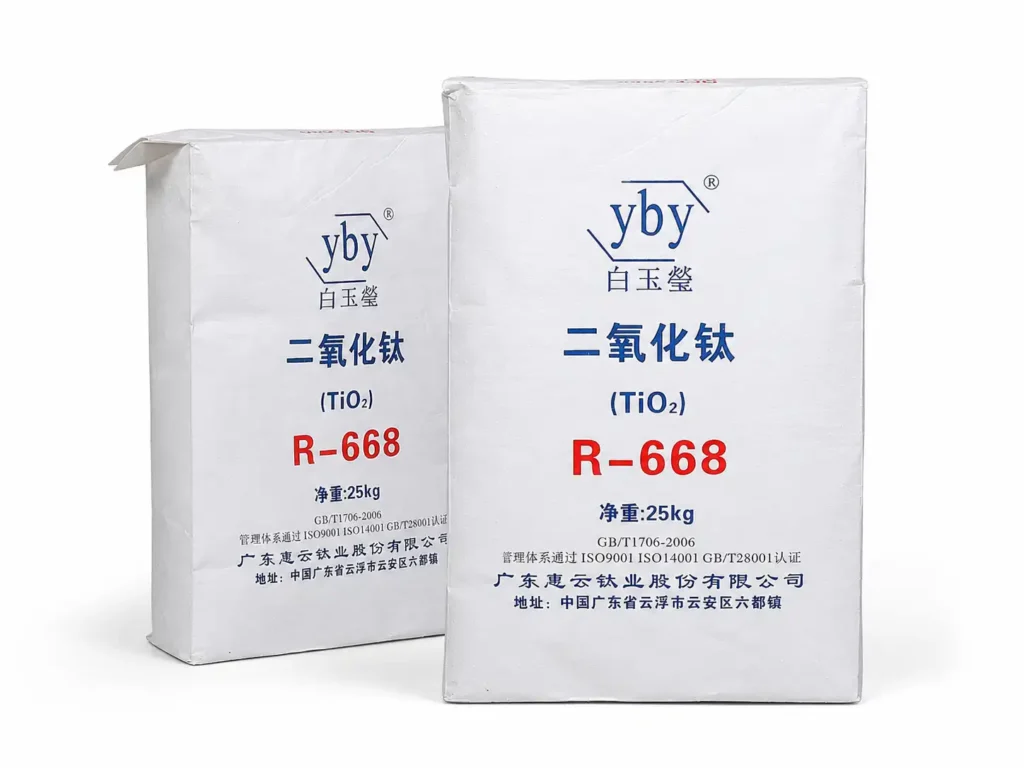
Think of Block Bottom Valve Bags as the visible tip of a multi‑layered system. At the resin level, polypropylene or polyethylene blends are chosen for tape extrusion; at the textile level, tapes are oriented and woven to a target GSM and mesh that balance tensile strength with lamination friendliness; at the barrier level, PE extrusion coats, BOPP films, or paper laminates build moisture and scuff defenses; at the conversion level, hot‑air welding creates a stitch‑free block bottom while a valve sleeve is shaped to match the filler spout; at the QA level, seal pulls, bubble leak checks, and drop/stack protocols translate design intentions into measurable outcomes.
This cascading logic is not decorative. If the fabric is too open, laminates bridge poorly; if the laminate is too brittle, folds micro‑crack; if the valve gap is wide, fines migrate; if the bottom is stitched rather than welded, needle holes become capillary highways. The architecture of Block Bottom Valve Bags prevents these failure modes by design.
Why Block Bottom Valve Bags Excel: An Anatomy of Benefits
How do Block Bottom Valve Bags outperform generic stitched sacks? Consider four intertwined advantages. Strength is derived from woven tapes that resist tear and puncture; cleanliness is achieved by removing needle holes at the base and controlling the orifice at the mouth; moisture control is tuned by the outer skin’s permeability; pallet efficiency comes from the rectangular footprint that resists tilting and face bulge. Is this merely theoretical? No—the faster the packer, the more brutally these factors surface. A bag that is “good enough” at 12 bags/min may fail spectacularly at 40.
Multiwall Paper Bags Pinch Block Bottom
Professional block bottom valve bags with stable structure for industrial packaging.
Check More →Valve Bags & Its Valve Types
Complete guide of valve structures for block bottom valve packaging bags.
Check More →Kraft Paper Sacks Product Guide
High-strength block bottom valve bags for heavy-duty industrial applications.
Check More →PP Woven Valve Bags Manufacturer
Custom block bottom valve bags with durable PP woven composite materials.
Check More →Horizontally, their design echoes flexible packaging: monolithic skins, controlled seal windows, barrier testing. Vertically, the logic runs from resin → film → fabric → laminate → sleeve → weld → QC → shipment. Each layer answers a different question, and the wrong answer at any layer becomes a claim later.
Production Process of Block Bottom Valve Bags—Explained Without Jargon
The journey begins with polyolefin resin. Tapes are extruded, stretched, and annealed to the target denier. Those tapes are woven—circularly or on flat looms—into a fabric whose GSM and mesh define both strength and surface smoothness. Next, the fabric is paired with a functional skin: an extrusion‑coated PE layer for moisture resilience, a BOPP laminate for abrasion resistance and premium print, or a paper laminate for natural grip and shelf stiffness. Surface treatments (corona, primers) prepare the skin for inks or secondary bonds.
Conversion follows. Rolls are cut to length, gussets formed, valve patches applied and shaped, and the block bottom is formed by hot‑air welding so the base is sealed without stitch holes. Vent patterns—micro‑perforations in carefully restricted bands—are added where the product level will not reach, allowing air to escape during filling. Liner collars may be welded around the sleeve to prevent bypass leaks when dealing with ultra‑fine powders. Finally, QA closes the loop: seal strength pulls, underwater bubble tests after pressurization, dimensional audits for patch overlap and corner squareness, and real‑world drop/stack cycles.
Specification Snapshot for Block Bottom Valve Bags
- Formats: PE‑coated woven; BOPP‑laminated woven; paper‑laminated woven; all with hot‑air welded block bottoms.
- Valve options: heat‑seal, sonic‑seal, tuck‑in, paper‑insert, poly‑lock; optional liner collars.
- Common sizes: width 300–750 mm; length 300–1200 mm; bottom 70–180 mm for 5–50 kg fills.
- Key tests: seal peel; underwater bubble; WVTR/OTR coupons; drop/stack; visual checks for fold radii and patch overlap.
- Design levers: GSM/mesh, coat/film gauge, vent location/density, UV stabilization (200–1600 h), anti‑skid textures, print system (flexo 6–8c; gravure 8–9c on BOPP).
References
EU No. 10/2011 (plastics in food contact); FDA 21 CFR 177.1520 (olefin polymers); ASTM F88 (seal strength); ASTM F2096 (gross leaks—bubble test); ASTM F1249 / ISO 2528‑E96 (water‑vapor transmission); ASTM D3985 (oxygen transmission); 49 CFR §178.518 (UN 5H1/5H2/5H3 woven plastic bag codes); GB/T 8946‑2013 (plastic woven sacks—general tech requirements); IS 14887:2014 (HDPE/PP woven sacks for 50 kg grains); BRCGS Packaging Materials (current issue); Starlinger AD*STAR® literature; marketplace specifications for PP woven valve bags (Made‑in‑China / Alibaba).